Episode 95: Cowboy Kyle
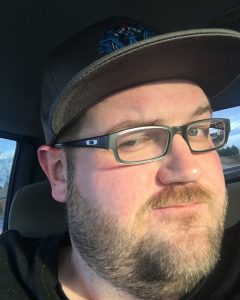 CK, Kyle, Cowboy - whatever you call him - Cowboy Kyle is the Imaging Director at WUSY - US 101 in Chattanooga. CK also images over 20 country stations nationwide including New Orleans, Louisville, Lexington, Indianapolis, Augusta, Des Moines, Wichita, and several more. He KILLS it by knowing the audience, knowing how to write for the format (AND his voice-talent), a master of brevity and thus he continues to grow his client roster.
Contact him on all the socials @CowboyKyle101
Email: KyleCroft@iheartmedia.com
In an effort to "expand" the scope of my show (in quotes as there is a certain level of irony here) I'm finally bringing on another COUNTRY IMAGING SPECIALIST - Cowboy Kyle. But of course, like all of us, he produces for other formats as well. Why irony? I had my largest career advancement when I moved to Country (KSCS-Dallas) and have been completely engulfed in the format since 2006 running an updating jingle/imaging service via TM, producing country content for Westwood One, voicing and producing country stations and generally just being a huge fan. I waited in lines at midnight to buy new Garth albums in the mid nineties. Me interviewing Cowboy Kyle is going to go a long way to getting some focus put BACK on the Hillbilly music! (with LOVE)
WUSY Sidenote/Background for NON-Country peeps - If you aren't connected to the format here is my quick rundown on one element which informs the overall story here: There are a few stations that are always nominated for, and then win, every award. These awards include but are not limited to ACM and CMA Station of the year, ACM and CMA show/talent of the year, CRS awards and more. WUSY is ALWAYS on the list. Always. I can say a lot of things about US 101 but I'll leave it at this: they are drenched in Heritage AND dominate the market as the "Contemporary" positioned station. This is pretty hard to accomplish. If you want to be the NEW COUNTRY station, Heritage is often a debilitating negative force.
CLICK HERE for the full audio demo I out together with all kinds of Cowboy Kyle Imaging.
CK, Kyle, Cowboy - whatever you call him - Cowboy Kyle is the Imaging Director at WUSY - US 101 in Chattanooga. CK also images over 20 country stations nationwide including New Orleans, Louisville, Lexington, Indianapolis, Augusta, Des Moines, Wichita, and several more. He KILLS it by knowing the audience, knowing how to write for the format (AND his voice-talent), a master of brevity and thus he continues to grow his client roster.
Contact him on all the socials @CowboyKyle101
Email: KyleCroft@iheartmedia.com
In an effort to "expand" the scope of my show (in quotes as there is a certain level of irony here) I'm finally bringing on another COUNTRY IMAGING SPECIALIST - Cowboy Kyle. But of course, like all of us, he produces for other formats as well. Why irony? I had my largest career advancement when I moved to Country (KSCS-Dallas) and have been completely engulfed in the format since 2006 running an updating jingle/imaging service via TM, producing country content for Westwood One, voicing and producing country stations and generally just being a huge fan. I waited in lines at midnight to buy new Garth albums in the mid nineties. Me interviewing Cowboy Kyle is going to go a long way to getting some focus put BACK on the Hillbilly music! (with LOVE)
WUSY Sidenote/Background for NON-Country peeps - If you aren't connected to the format here is my quick rundown on one element which informs the overall story here: There are a few stations that are always nominated for, and then win, every award. These awards include but are not limited to ACM and CMA Station of the year, ACM and CMA show/talent of the year, CRS awards and more. WUSY is ALWAYS on the list. Always. I can say a lot of things about US 101 but I'll leave it at this: they are drenched in Heritage AND dominate the market as the "Contemporary" positioned station. This is pretty hard to accomplish. If you want to be the NEW COUNTRY station, Heritage is often a debilitating negative force.
CLICK HERE for the full audio demo I out together with all kinds of Cowboy Kyle Imaging.
Transcript
85 min read • 12,724 words
Announcer: The Producers, featuring the most respected international talent in the world of audio production and voiceover. Radio, TV, film, and online. In-depth interviews and industry insights, putting you on the inside. This is The Producers Podcast with Ryan Dreen.
Ryan: Howdy. Oh yeah, no, I should say howdy to start this podcast, 'cause we will get super focused on country radio today. And, you know, I believe I mentioned it at the very end of the interview, but I've done a piss-poor job of serving or at least representing the country genre on this podcast, seeing as I make the bulk of my— at least like my production side of my life— in the country genre. So, apologetically, I will get into a great episode geared towards country radio imaging. I've known him a little while, finally met him face to face at CRS this year, but what What really sealed the deal on putting him on this podcast, as he, he will be, you know, one of the younger guys that I, I feature on the show, he, you know, I saw him on a panel and he, he just really— he's analytical about the format. He, you know, it's not just some hillbilly making country noises, you know. He's very, thoughtful on what he is willing to put together and why he does it. His relationship with his voice talent, other things we'll get into as you hear. But so, today I'm really happy to get a lot of country radio focus. Now, for those of you listening outside the States, I'm gonna play you some audio. It'll, you know, listen to it, enjoy it. it's a format that is rarely heard outside the States. hell, I'll give a little shout out to, Chris Stevens, Chris Country, a digital station in the UK. He's bringing the American country sound to the UK. but before that, I know Ireland had a country station, but it was very— it wasn't exactly like something you hear in Nashville. Australia is definitely a presence, but it's a lot more poppy, and I think they have a lot more local music that definitely does not sound like American country music. So anyway, if you're listening internationally, hopefully you just enjoy this as sort of an oddity. It's not something you're gonna hear every day. If you're listening in the States and you're not in the country genre, maybe you'll learn a little bit about the mentality behind the format and just one of the more epic country stations and the guy who produces that epic country station, US 101. A couple of things about Kyle. I don't know if I actually even said it in the interview. I planned to do it in the intro anyway. He's everywhere on the socials. You can get him you know, Instagram, Facebook, Twitter, Snapchat, etc. CowboyKyle101. He's CowboyKyle101 on everything, and no, he didn't use a K to spell cowboy. You know, he's not a hipster doofus. I'm just kidding. CowboyKyle101 if you want to look him up. He also says if you got questions, you can hit him up, and normally I'd probably wait till the end, but I'll throw this out there now because there's possibly people that will be curious. He gives his email on the show anyway, but, kylecroft@iheartmedia.com if you want to hit him up with some production-related questions or talk about country imaging, whatever it is you want to do. And, yeah, so there you go. So I'm gonna play— oh, real quick, next episode, as I did have a small delay with this one, I, I went to Vegas. I'll be honest, I took a week away from life Literally, and went to Vegas, so it delayed me a bit. But I'm going to have a much, much shorter delay till I get to the next episode, so we won't be waiting a full month. I'm going to finally get Miles Hlivko on. I'm gonna learn how to say his last name properly as well, because it's that odd HL sound in the beginning. John Frost says it perfectly. Anyway, KISS FM Los Angeles imaging director. And we're gonna learn all about them, but that'll be the next episode. And yeah, there you go. You know what, that's all the business we're gonna take care of. If you would like to hear all this audio from Kyle, Cowboy Kyle, I've— I'm selecting probably about a minute. I'll play it for you here just so you can hear his style. There's a lot more than that. I'll string it all together, put it on a file on the website, and you can go check that out as well. All right, and now from US 101 in Chattanooga, Tennessee, and imaging stations all across the country for iHeartMedia. It is the one, the only, Cowboy Kyle. Oh yeah, guess what? It's Taylor time, it's Taylor time. T-Swizzle, I love you. Calm down, man. You're supposed to be a cool voice dude. Oh yeah, sorry. 98.1 The Bull, your official— question for you: if a cow laughs hard, does milk come out they nose too? This is 95 KSJ. We've learned that a good scapegoat is hard to find. Mm-hmm, that's why we got all these interns. This is 95 KSJ. This one's so old, we looked in its yearbook and boom, there's old Jesus. New Orleans country station, 101.1 WNOE. Keep your toes in the water and bikini bottoms on the boat. It's a guitars and stripes weekend on US 101. Chattanooga's number one for country. Do it. Gator and Stickman. My brain's itching. They ain't number one at nothing. But US 101 is Chattanooga's Yeah, closest they ever got to a 4.0 in high school was their blood alcohol content. Gator and Stickman, nights on US 101.
Ryan: All right, a guy I've wanted to get on the show for quite some time had his name thrown at me probably a year or two ago, and I finally got to meet him in February, and that's when I said, oh yeah, this dude's coming on the show. Cowboy Kyle. Hey, Kyle, thank you so much for joining me, man.
Cowboy Kyle: Hey, it's a pleasure to be here, man.
Ryan: You know what sealed it wasn't— okay, I already knew your work because, you know, WUSY, legendary call. You know, and I hope this comes off as the biggest compliment it can, but as far as a small market station or smaller, it's got the biggest calls. You know what I'm saying? The ratio between massive calls and the power that they possess versus the size of its market, there might be nothing that matches. So big ups on that, by the way.
Cowboy Kyle: You know, I have been very lucky in my somewhat short time as a radio guy. So I'm definitely proud to be here. And this past fall, we jumped from market like 116 to 88. So now I can officially say that I work in a medium market.
Ryan: Ooh, you know what? I actually didn't know that. Then that's some top 100, You know what's funny though? Some people put a lot of emphasis on market size in the same manner others might put on other size of things inappropriately. And market size really don't mean crap because some of the best stations in America are not in a top 10 market. I think we'd all agree with that.
Cowboy Kyle: I'm glad that you say that because even though Chattanooga is a somewhat small market, even though we're larger now, they added a couple of counties. Even since I was a kid, the competition in Chattanooga has been something fierce. It's always operated as a larger market. You know, there's always some— this is a very big jumping point market for a lot of talent and a lot of radio guys that you see come through here. So it definitely acts like a bigger market than what we actually are.
Ryan: Yeah. And I I can't make the point clear enough that when people start talking about, you know, I'm successful because I made it to market 25 or 10 or whatever, it's just meaningless. It's literally the work you do and the success you have where you are. And you guys, I mean, every time I'm turning around, it's, it's WUSY, Gator, your work, your morning team. And I hate it that their names— I know it's a duo and they just escaped my brain.
Cowboy Kyle: Oh yeah, Ken and Daniel. Bear Man used to be on there, but Bear Man passed away a little over a year ago. So they just added a new third person on there. Her name is Kelly.
Ryan: Oh, okay. Well, the point is you guys are all stellar. And so anyway, when I heard you on the panel at CRS though, and I heard you actually talk about your work, and I thought, oh, okay, I get it now. I have to— I mean, gotta get this guy on. But let's start from the start, if you don't mind. Okay, the name. Cowboy Kyle, I'm probably just gonna call you Kyle. You know, I know people call you Cowboy. You said before we started a word I won't say on the— no, I'm just kidding, CK. But what's the beginnings of that name?
Cowboy Kyle: You know what, I was actually— so I was a different name when I first got into radio. I was Big Daddy Kyle. And how I got that name was back in middle and high school, do you remember the Big Daddy clothing company? They only made fat-sized clothes. So they were around 10, 15 years, something like that. They only made like size extra large and up. And I was a big kid. I've always been a big guy. I'm 6'7. I weigh over 400 pounds. I'm a large mass walking around. So, yeah, I would always—
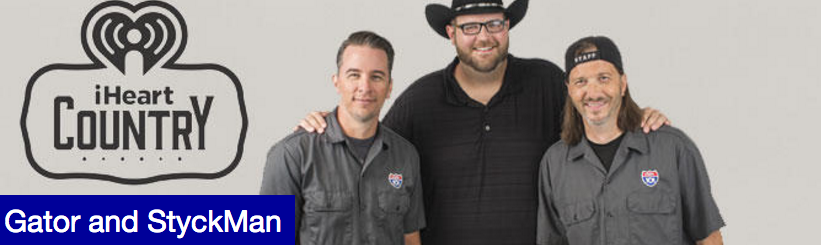
Ryan: I got a picture. I got your picture on the site, by the way. You know what? I might— if you don't, if you don't mind, or at least I'll link to it. I'll swipe the picture with you and Gator from his show. Just to kind of give a perspective of your mask.
Cowboy Kyle: Okay, that sounds good. The— so I started wearing Big Daddy clothes, and when I first got into radio, everybody called me BDK, Big Daddy Kyle. And, and when Gator got here, I was still Big Daddy Kyle for the first year and a half, 2 years that he was here. And he goes, dude, you wear cowboy stuff all the time because I'm always in boots and jeans and a cowboy hat at any event that we would do for US 101. And he goes, why don't you just go by Cowboy Kyle? He's— it's much easier to say and you don't sound like a wrestler.
Ryan: That's true, actually, now that I hear it.
Cowboy Kyle: So, eventually I made the move on to the night show of US 101 and I changed my name to Cowboy Kyle. And that's how it came about, was just— it was easier to say. It suited my You know, how I dressed and the lifestyle that I led, and it just, it fit. And, you know, I can't complain too much. It's, it's made a name for itself.
Ryan: Nah, man, you branded yourself. I mean, if you have a Facebook page, then it's for real. No, you're a personality. But, seriously, it definitely works. you know what, let's start real quick right now though. you know, US 101, WUSY Chattanooga. Now you're imaging a lot of stations. We'll get, we'll get into that in a minute. But what are your actual day-to-day responsibilities at the station there, just so people kind of know what you do there?
Cowboy Kyle: you know what, I am a busy, busy individual. I'm kind of the right-hand man to Gator when it comes to all things USY. we also have a classic country in our building. it's 96.1 The Legend. it's a little translator on USY's HD2, and I'm the program director of it. I do all the day-to-day for it, and I do afternoon drive on it. Alongside doing Ins and Outs on US 101's night show still. I'm still on there with Gator and Stickman on and off. I'm kind of the stupid guy that comes in with the beer jokes. But my main gig here is—
Ryan: That is the night show. Did I say afternoons before, by the way?
Cowboy Kyle: I don't know.
Ryan: Just so people know where to find you. Yeah, it's nice. What time are you guys on?
Cowboy Kyle: We are on 7 to midnight Eastern time here on US 101. And then I do 3 to 7 by myself on 96.1 The Legend.
Ryan: Okay, good. I just want to make sure. Yeah, I believe I screwed that up before. I could edit it out, but you know, whatever. So that's where they can find you. Yeah, good.
Cowboy Kyle: I'm also our assistant production director here at iHeart Chattanooga, so I'm kind of like— I'm so busy with all the other stuff that Gator gives me that I stay really busy with it, but I'm like the overflow guy. If commercial production gets too busy, then, then I'm the one slapping together the, the quick reads with the, you know, Generic music beds and such.
Ryan: Yeah, I knew you were a busy dude. And what's crazy is that is, you know, 2, 2+ jobs you just described. And then just wait, folks, till I get into everything else Cowboy Kyle's doing. but I, I think you're— you're— are you a local kid? Are you born and raised in Chattanooga? Is that what you said?
Cowboy Kyle: I am born and raised. I actually— I'm not from Chattanooga. I'm from a little town Just south of Chattanooga. If you're going towards Nashville from Chattanooga, it's called Trenton, Georgia. It's about 30 minutes from the radio station, and I was born and raised there and have just been fortunate enough to stay here my whole career.
Ryan: And you, if I recall, you did some kind of a, hey, you know, show up at the station and, hey, I want to be here, or let me work here, or meet them at an event, something like that. Is that how you got your start?
Cowboy Kyle: Yeah, that's kind of how I got it. I grew up listening to country music and listening to US 101. really in its heyday when it was winning a CMA Award every year instead of every other year. And there was this afternoon show called Dave and Dex, and Dex is still here on the afternoon show. But I just— I grew up listening to country music and I loved it, and I wasn't all that good at singing even though I tried when I was in middle and high school. I was in choir and did talent shows and stuff like that.
Ryan: Yeah.
Cowboy Kyle: So I still wanted to be in the business, and I said, you know what, I want to work in radio. I actually, in high school wanted to become an ag teacher for a couple of years. So yeah.
Ryan: Okay.
Cowboy Kyle: My senior year of high school, I said, you know what, I think I'm going to go back to my true passion. And I went to a little technical school here in Chattanooga called Chattanooga State. And, and I begged the media advisor, the dean of broadcasting, for a job at US 101. And a guy named Casey Orr was the promotions director here at the time. And he said, no, we're full. We can't take any more interns. And my media professor said, you really want to take this guy. You really do.
Ryan: Yeah.
Cowboy Kyle: So my sophomore year of college, I began a 3-month internship here at USY. And when it was over, I didn't leave. And they wound up hiring me babysitting Crook and Chase on Sundays for 4 hours. That was my first gig. I might as well have been sweeping the floors at that point in time, I guess.
Ryan: That's classic. Just, just so I know, did you stay in college or did you say screw it, I'm done, let's go work in radio?
Cowboy Kyle: You know what, I stayed in college for a while. I graduated from Chatt State and moved over to UTC, the University of Tennessee at Chattanooga. And at that point in time, a guy named Jay Cruz had become our operations manager here. And he wound up hiring me into the assistant production director gig while he was here in Chattanooga. And at that point in time, you know, the classes that I needed to take were during the day, and it was either, you know, finally start making this dream a reality or keep going to college. And I said, I'm going to make this dream a reality. And I started working. And, you know, in radio, it's a lot about experience and a little bit about education, I found out through the long years.
Ryan: Yeah. No, for sure. That's kind of why I asked. We do place, you know, high level on college in this country and everything, but in our industry, it's almost— well, it can get in the way. So, so you chose that path.
Cowboy Kyle: Cool.
Ryan: So, and I mean, I don't want to blast through the rest of sort of your background, but I do want to talk about kind of the current stuff with you. You got on at USY, you stayed there ever since, you've kind of moved up, you've You know, and we'll get to how you learned the imaging side of things, or at least audio production. But you've been there ever since, right? I mean, you never left. You've always been there.
Cowboy Kyle: Yeah, I've always been here. A lot of my other radio guys joke with me because they say that you truly haven't been in radio until you've been fired. Well, I've never been fired. I've always lucked up and, you know, did my part-time years here. They hired me full-time, and I've just kind of been making Making my way up through the ranks slowly but surely, and always been happy that I could stay right here because, you know, a lot of people have to move around, and this is my hometown. I've been fortunate enough to make, you know, now a good living right here in Chattanooga and, you know, not have to worry about moving around and, you know, not being around friends and family. I've just been very fortunate in that sense. I've been here almost 11 years now.
Ryan: That's great, man. Cool. So we'll probably get back into some of that. Maybe we'll even dive back into the past a bit. It's also nice when you have a solid, you know, a solid place to be and you turn around every other year and you're winning one of the big 2 or 3 awards and your boss is constantly being honored and your work is constantly being honored. You know, it does not hurt you staying there, I would assume.
Cowboy Kyle: No, no, it doesn't hurt whatsoever. I mean, I am very much happy where I'm at. You know, I've had a few other job offers to move away or work from home, and I just sit here and go, you know what? I like going into the office every day. I enjoy the people that I work with. I like the access to country artists because, you know, that's always fun and it works well with the ladies when you want to hang out with them. So, you know, I've just been very fortunate in the fact that, you know, my, my work is recognized and that I get to work alongside Gator every day.
Ryan: Yeah.
Cowboy Kyle: He, he and Jay Cruz taught me so much about you know, the basics of imaging and the style of writing that we should be doing nowadays. And just, you know, they were both always great proponents of my work. And it's thanks to those 2 that I even was able to start getting other radio stations and to build my portfolio like I've had over the past 3 or 4 years.
Ryan: So from here, I can lean this in a few different ways. Let's start with the technical side. I mean, not— we'll not talk tech speak, but the You know, when or how or why did you start to actually fiddle around with audio and learn a DAW and learn to actually produce imaging?
Cowboy Kyle: You know what? It was actually out of pure boredom.
Ryan: Good, good reason.
Cowboy Kyle: Back in the days—
Ryan: Don't we all?
Cowboy Kyle: When I was a part-timer, I moved on from Crook and Chase to babysitting weekend overnights, and there was nothing to do. But at that point in time, you had to have somebody in your building 24/7. There were no emergency control operations centers or anything like that. So I was sitting here and, you know, I was doing some college work while I was in the building and some stuff like that. But out of pure boredom, I just walked into a production room and started fiddling around with— at the time it was Cool Edit that was on the machine that I had access to. And, you know, I had a couple guys that I was here during the day and they showed me the basics of how to record myself and how to edit small little things, and they gave me a folder with some music beds and stuff like that, and I just started screwing around with it. And that's kind of how I got my start using Cool Edit.
Ryan: And at the time, the internet obviously was there, but the forums and the, the ease of access we have to each other, you know, online wasn't really there yet. Did you have a resource, you know, like real human resources that you could start asking questions to and and getting information from?
Cowboy Kyle: Well, luckily I had 2 guys in the building. The first guy was Tug McCoy. He works down at Kix in Atlanta now, and he started showing me some stuff because he was the 7 to midnight guy at the time. So as I was coming in, he was getting ready to leave. So I would ask him questions here and there. And, and another guy that taught me a lot, and even though he's a rock imaging guy, I learned a lot about what to do with country from him. And that's Billy Black, which he's in Charlotte now. He's been several places. He was doing, the morning show on our rock station here in the building at the time that I first met him, and he was producing for a few other radio stations. Not a whole lot, but was producing for a few other radio stations and kind of showed me, you know, levels, mixing, and some stuff like that. Because—
Ryan: Yeah.
Cowboy Kyle: Every— everybody says that you can, you can have, you can teach yourself to have an ear for imaging when you really can't. And he truly showed me that. Is that— is that you just kind of find your ear or it's not there at all whatsoever. And luckily I had the ear for imaging and audio production and, and just, I guess, lucked up because I wound up always wanting to be on the air. And over the first few years of my radio career, decided that I was a whole hell of a lot better at production than I ever was at ever being on the radio. Yeah.
Ryan: I think a lot of us in our side of the business, although you still have a presence on the air there, but, I think a lot of us kind of make that decision. Well, and I think some of us also— and tell me if you went through this— you saw— you can see what happens over on the talent side. And while it can be really great and fun, it's, it's very volatile. But over on our side, it can feel a little safer. Did you get a sense of that? Did that play into your—
Cowboy Kyle: You know what, I think it did. And I went into being in radio wanting to be the famous guy that everybody knew in Chattanooga, and I just thought that that was going to be awesome. And what I come to realize is that I kind of like being the guy that's in the back, you know.
Ryan: Mm-hmm.
Cowboy Kyle: And when we met at CRS, you know, I wasn't all that shy or anything because at CRS I'm Cowboy Kyle. But if you go down to my little hometown of Trenton, Georgia, I'm just Kyle. And I am a shy guy until somebody walks up to me and calls me Cowboy. And I realized that I kind of like being that shy guy or just being around the industry people more than, you know, everybody knowing my name and, you know, turning around and asking me for meet and greets and tickets to everything.
Ryan: Yeah, right, right. Phone blows up. So let's talk about Country Imaging. Is it fair? I'll just lay this one out there. Is it fair if I simply call you a country imaging specialist?
Cowboy Kyle: You know, that, that is definitely what I'm good at. I do a few other formats, just one station here or there, but, but country is my repertoire. That's how I get down. I've always been a Southern guy. It's how I talk. It's how I speak every day. And I just, I kind of get that country groove a whole lot better than I do anything else.
Ryan: So cool. So if I were to say, I mean, just as an imaging professional, if I call you, you know, Cowboy Kyle, the country specialist, That doesn't offend you or that doesn't put you in a box. You don't feel limited by that.
Cowboy Kyle: No, no, not at all whatsoever. In fact, I enjoy being in that box. You know, I can do other formats. I've done them. I still do a few of them. But, you know, you find what you're good at and you stick with it. And you always constantly need to be changing, but not necessarily format-wise.
Ryan: Yeah. And one side of what we do, right, is the technical side, you know, the ability to put audio together and make it sound professional. and communicate to the listener, or at least the listener we're trying to communicate. The other side is being country and knowing, you know, what country is today. And country— I have friends that don't listen to country, and they'll hear it today, you know, they hear current music and they're blown away. They can't believe country today is country, that we call this country, you know what I'm saying? So, oh yeah, being a good country imager today might mean you would have been a great CHR imager 5 years ago, you know.
Cowboy Kyle: Well, I mean, my biggest thing is, is to know your audience, is to live the lifestyle.
Ryan: Yeah.
Cowboy Kyle: You can, you can have a program director tell you, I want it to sound like this all day long. And until you actually know what this is, you won't understand it. And luckily, you know, I live the country lifestyle. I live, you know, there's 2 horse farms that separate my house from Chattanooga, Tennessee. So I like being that guy.
Ryan: let's talk the format in general. There's going to be a number of people that are interested in imaging but have no connection to country imaging. boy, let me throw a broad one at you. What is the most important, let's say, element to effective, good country imaging, if you had to break it down to one thing?
Cowboy Kyle: You know what, my thing nowadays is be brief. you don't have to say everything that you think that you need to say. Being detail-oriented is a ridiculous waste of time with resources like the internet. Just tell people what they can win or small minute details and get on with your life.
Ryan: Yeah.
Cowboy Kyle: When it comes to attitude sweepers or something like that, know that on average, the average length of a country song's lip is about 7 seconds. only half produce that thing. You can wind up getting more music on your radio station. And especially for heritage stations all around the country where your commercial inventory is staying sold out 24/7 like USY's does, you need to be brief and you need to make sure that, that the station keeps moving and keeps moving forward at all times, I think.
Ryan: Do you think— boy, this is random— but in country, because I know it varies in different formats, Imaging or branding on top of intros— good, bad, other?
Cowboy Kyle: You know, I'm really indifferent when it comes to that sort of stuff. I think that you should definitely make new music stand out if you want to do branded intros, you know, with a song hook or something like that, but don't overproduce it. I think— and I'm glad to see that country imaging is starting to come back from that CHR I call it crunk tree feel. That's what I like to call it. I like seeing that middle-of-the-road stuff because, look, you're a country station, you have country listeners, and yes, you share a huge audience with pop, but still, when they want to hear country, let them hear country, and when they want to hear pop, let them hear pop. So that good middle-of-the-road stuff, just how country music itself sounds nowadays, I think is the best way to go.
Ryan: I played a bunch of your audio as we started. I made reference, you know, I I showed my love to it before I started the show here. I hope that one thing— one thing I noticed, very clean. I feel like you're not worried about blasting people with your sound. I'm gonna guess your master bus is pretty light, you know, because you're gonna let the station's chain do all that nastiness. As I'm just guessing that's your mentality. Now tell me if I'm right or wrong.
Cowboy Kyle: yeah, very much so, you know. You don't— there's already processing on the radio station. Why overprocess your own stuff?
Ryan: Yeah.
Cowboy Kyle: I mean, yes, a radio station should sound big, but it doesn't need to sound massive. You know, you don't need to hit people in the face with it every time a piece of imaging plays. I like keeping my stuff pretty clean and pretty simple, especially, you know, most of my markets are dairy markets where brand recall is You know, the number one thing that you need, you need people to know that they're listening to your radio station. Why dirty up your calls? So yeah, I'm very much about making sure that people know who they're listening to. You'll wind up not seeing a whole lot of effects on the station's name itself or the slogan, maybe some filters and some stuff like that. But, you know, keep it clean, keep it simple, keep it to the point, and make sure that listeners know what and who they are listening to. Right.
Ryan: let's talk about writing because I think it's paramount, and I know you've already brought it up once, maybe twice, and I haven't even mentioned it. I guess let me start by just saying simply, how, when, where, etc., do you find it best for you to write imaging?
Cowboy Kyle: you know what, mornings is always better than afternoons. I will say that. I like, I like waking up with a clear conscience and not be dragged on through the stress of, you know, what being in radio is nowadays. And number 2, the internet is a great inspiration. You know, I talked on that at Country Radio Seminar.
Ryan: Yeah.
Cowboy Kyle: Everybody's always so worried about being original and writing their own. Look, there's, there's not a whole lot of original stuff out there. Just steal it off the internet. Google stupid one-liners or Google stupid memes, and you can write a whole radio station's imaging based on just those 2 Google searches. Don't, don't— you can always rewrite something to be more radio. And, and that's what I pride myself on, is being able to find what is going to be good for radio and turning it into something that is radio, you know.
Ryan: And I hope people go back and listen to, I mean, you actually gave me tons of audio, and, they— I, I have links for them to follow you on all the various socials and all that.
Cowboy Kyle: Oh, cool.
Ryan: But I'll take I'll take that big massive chunk and put it on my site so they can go back and listen. But I remember at CRS you played a few of them and said, hey, this was a meme, now it's a sweeper. Or, you know, this was a dumb one-liner I sort of saw, I twisted it up, had Deke put his nasty on it, and now it's a sweeper. You know, and it's just great stuff. But I know that that's how you think, and it works so well.
Cowboy Kyle: Well, and a lot of people don't think to use ad-libs. from your voice people either. I mean, if you've got somebody like Cousin Deke that just randomly goes off the cuff— now, now, normally a lot of the Cousin Deke stuff you can't necessarily use on the radio, but it can lead to inspiration to write other imaging. He said a few things that I was able to clean up and have him reread, and, and I was able to use it. Like, one of my favorites was— it was just a real quick— it had a stinger on the front, and he just said, This here's US 101. Wanna fight about it?
Ryan: Yeah.
Cowboy Kyle: And I think originally he said, you wanna get your ass kicked, or something like that, if you don't believe me. And I cleaned it up for radio, and we burnt the heck out of that thing before we finally took it off the air. That's cool. That's cool.
Ryan: any other things you wanna talk about writing? I mean, the problem with writing is, it makes me think of a line from a movie. Talking about writing is like talking about dancing. I don't know, you know, it's hard to talk about. It's something you do. and you know it's good when you hear it? Can you sit down and say, I'm going to write well today, and do it? Is there a skill there, or is it luck?
Cowboy Kyle: You know, I think it's a lot of luck with a little bit of skill. It's kind of like taking your chance on, you know, gambling. You know, you can always— you always have an effect on the outcome yourself, but it's a lot of luck. My biggest thing, and I said this earlier in the interview, is Be brief. Don't— you don't need a minute and a half long promo unless it warrants a minute and a half long promo. Nothing should be over 30 seconds, in my opinion, if you're writing promo-wise. You know, don't worry about the minute details. Don't think that you have to tell people exactly what they are going to win every time. Let your DJs do that. You tell them how cool the experience is going to be if they win that grand prize. You tell them why they want to win.
Ryan: Yeah.
Cowboy Kyle: You get in, you get out, you get on with life. Describe. Description is key. You know, don't just— you could win $1,000. Why don't you tell them what you can win with $1,000, what you can do with $1,000?
Ryan: Yeah.
Cowboy Kyle: You know, what you can do on this trip. What's it going to be like to meet, you know, Kenny Chesney or Tim McGraw? Put people— put your listeners in that experience, and you can always figure out how to be brief in it. And it's It's probably very— look, we work in radio for a reason. We're not in television. You don't have to be truthful 100% of the time. You can always be creative. You create that theater of the mind, and you can do that in a short amount of time, I always believe. And you can do it with a lot of creativity. Just put yourself in the mind of your listeners and figure out what you think that their experience would feel, and therefore your listeners will wind up experiencing that right along with the grand prize winners.
Ryan: That makes a ton of sense. I hear that in your work throughout, so great rule to live by. As far as structure, and this will be the last thing I really get into here, do you have any general rules that you always abide by when you're writing either sweepers or promos? Like, you know, the, the calls or the, you know, the ID portion has to be here, This has to be here. I need to sell them the prize by this point. Anything like that? Or are there no rules and you can do whatever you want every time you write something?
Cowboy Kyle: You know what? I don't like to give myself rules when I'm writing. I think that being able to switch it up and for people not to hear— because, you know, you can have 12 billion different contests, and if you have the same structure of your promos or your writing, everybody is going to just get used to it and it's going to be kind of mundane and they go, Yeah. Well, there's the prize. Apparently you're telling me what it is. I like to switch it up. I like to, I like to leave people guessing. I like to do a lot of teasing in my work. it's, it's definitely one of my favorite things to do is to try to keep people guessing. And I have friends come up to me and go, you really did that to me? Because they know that I'm the imaging guy for US 101, and they're like, you really made me wait till the very end to tell me that, you know, I get to, you know, lay around on the beach with Dierks Bentley or something like that.
Ryan: remind people or tell people who have no idea, how competitive is the country landscape in just Chattanooga? Just, just your market, your TSA?
Cowboy Kyle: you know what, we used to have 5 stations. About 6 or 8 months ago, one of them dropped off. we have a Nash Icons here in town. We have the classic country that I work with, and then we have— which is more of a '90s, a '90s-centric classic country. And then we have a full-blown Classic Country that's, that's competing as well. So we have 2 of the 4 in our building. And I mean, USY just stands out heads and above all others.
Ryan: Yeah.
Cowboy Kyle: It's been number 1, 12+ for— I want to say like 1995 is when it went number 1 and it hasn't fell off of that since. So there's several stations For not a large market, but a lot of that market share winds up going to USY in the long run, which, you know, you see some of it fluctuate, especially in the summer and stuff too.
Ryan: Cool. As far as PPM versus diary, you, you, you brought this up before, but maybe we get into a little bit of specifics here. As far as imaging goes, you're working on both. You have stations in some PPM markets, at least a few, right?
Cowboy Kyle: I mean, if not yeah, I think so. I always tend to lean towards more of the PPM-friendly imaging, you know, talking about being brief or whatever. But, you know, I always try to keep everything on an even keel when it comes to PPM versus my diary markets.
Ryan: Are there any things that you can discuss that are, true to one and not the other? anything you have to do for your diary imaging versus your PPM imaging? Or am I getting a little too much in the mud here?
Cowboy Kyle: Well, I mean, honestly, I know that I can be a little bit more flexible with my length of time and things like that in diary markets because it's all recall. It's no real-time listening. But I mean, to be honest with you, I keep— I try to keep everything as even as I possibly can because in the long run, yeah, it's going to help you out to sound more PPM in a diary market. As long as you're getting that branding, that positioning out there, I think you're good to go. in either regardless.
Ryan: Yeah, I kind of thought I might. That makes sense. I like to ask the questions that, end up leading us nowhere sometimes, Kyle. So just, just so you know, let me, let me try this one. If the imaging scale can lean hard left to the creative side or hard right to the technical side, in other words, you can be a very technical producer without a lot of creativity or vice versa. Obviously, we all want to kind of be somewhere in the middle, but where would you say you lean in that whole— in that scale?
Cowboy Kyle: I mean, I think I definitely lean more creative. I get, I get asked technical questions from my friends every once in a while, and I sit back and laugh and go, you know, I just really play with stuff until it sounds good. Yeah, that's, that's really what I do.
Ryan: I'm more of that guy too. have you ever found well, however you want to take this, that, boy, if I only had a little bit more technical savvy, I could do more? Or has, you know, never been an issue?
Cowboy Kyle: you know, I, I've always felt— well, I mean, I've not always felt— over the last couple of years, I felt like I've had enough. Could I be better with a lot of that technical stuff? Yeah, I could be better at, you know, mixing you know, beats and doing stuff like that. But luckily, none of my stations want that super CHR sound. They're not looking for me to mix 4 songs together and it just sound, you know, like it's rocking somebody's face off. So yeah, I've always been lucky in that sense that I've never had to figure out how to do that. You know, I've always— I know how to do some of it, but do I wish that I could be more technically savvy and things like that? Yeah. But, you know, as long as I'm doing good, that's something that I can learn as I go. And that's how I've always been is once a few people taught me the basics, I've always just studied a lot of people's imaging and kind of created my own sound from it.
Ryan: I, I brought this up, early, you know, how did you learn in the beginning? But as you move along now, I mean, you're, you're in double-digit years, you know, this is officially a career, I think, you know. Okay, so, how do you— yeah, right, I, I hope, for the both of us that we actually have careers here. how do you continue to grow and learn, you know, now that you're, you know, waist deep in this business? Forums, classes, books, videos? You don't care, you've got what you need, you know. What are your tools?
Cowboy Kyle: You know, YouTube is a great resource, I think. And just being in the imaging realm that I'm in, you know, I'm lucky enough to work for iHeartMedia and we have our own imaging division with Kelly Doherty. And you also got Bernie Lucas. I don't know if you know Bernie or not, but he is the country coordinator of imaging for the national programming platforms. And I've worked closely with him and Cousin Deke on a lot of stuff, and I've learned a lot from them. You know, Deke taught me a lot about writing and, you know, how to, how to make him sound like him. You can always— I know I'm getting back to writing for half a second, but—
Ryan: That's fine.
Cowboy Kyle: You can— if you write to your talent strength, it's going to breed great imaging. And I talked a little bit about that at Country Radio Seminar. If you have Cousin Deke, which is a longtime Kentuckian, that's where he grew up, and he stayed in Lexington there for a while, and now he lives in Dallas, Texas. If you're trying to be honest—
Ryan: He lives in the outskirts. He's still, he's still country. Yeah.
Cowboy Kyle: If you can write to his strengths and what he knows, he's going to sound a lot better than you trying to do that straight-line read with him, you know. If you want that CHR sound, he's good at it, but he's best at that middle-of-the-road redneck country boy that everybody loves sound. So I've had a lot of great resources. I've talked a lot with Josh Jensen down in Tampa, a lot about what he does.
Ryan: Yeah.
Cowboy Kyle: And just being able to be in the company that I'm in and get to chat with everybody and just, you know, pick their brains about the way they do things, I think has really grown. And the fact that my software just keeps slowly getting upgraded here at the radio station. That, that doesn't hurt too much either. I went from Cool Edit, about 4 years after that I went to Adobe Audition 3, and about 8 or 9 months ago I wound up moving on to the Creative Cloud Adobe Audition. So I've never even dealt with Pro Tools. I've always been an Audition guy, and I finally started buying some plugins here and there to try out and to play with. So You know, it's a lot to me. Imaging is a lot of trial and error. You know, do it. If it sounds good, cool, remember how you did it. If, if you do it, it sounds bad and somebody, somebody tells you just how horrible it is, then you know not to ever do that again.
Ryan: Yeah, for sure. let's stay on the iHeart thing for a bit. you know, I worked when it was Clear Channel. I worked there for 4+ years. I loved every second. I've said it many, many times. The opportunities that you can get there, you know, are sometimes unmatched. And there's an imaging conference, I believe, that Kelly has put together. Have you been a part of that?
Cowboy Kyle: Yeah. My first year of it was last year, last April in Burbank. I was able to go to it and to spend some time with non-country imagers, which is, to be honest with you, is always a good thing to be able to diversify your product because something that sounds good on a rock station, you know, it can sound good on a country station as well. Not all of it, but some of it. You know, you can't cross the line. But spending a few days with Cousin Deke and John Frost and Steve Doves and all those, getting to meet them— Steve Sykes was there as well, you know, that does Loaded Country and the Bobby Bones Show. Being able to just chat with them and pick their brains was mighty awesome. I hear that they're going to do that conference again. I'm really hoping that I get an invite because it was really eye-opening for those few days.
Ryan: Yeah, it's just such a great resource that I can be jealous of from the outside because, well, I just, I just love the power. I mean, there's a lot of great talent there and you guys all come together. But speaking of iHeart, and this is something I think I brought up with Deke actually, and I've probably brought up with a couple of people that I've had on. You have— and now we're gonna get into all that you do. We're gonna get into the whole vastness of, you know, the many stations you image. You image— well, in fact, let's start there. How many stations would you say you image on a daily basis, or, you know, that you're under contract to do?
Cowboy Kyle: I think it's 21 that I have on retainer right now.
Ryan: Oh, only 21? Yeah, yeah, yeah.
Cowboy Kyle: And that's including USY and the Legend too, but it's 21, I think.
Ryan: I think, I think in February you were at like 18, if I recall.
Cowboy Kyle: Yeah, yeah, yeah. So I've added a few since then.
Ryan: So that's just a mere 21 stations. And my question would be, and if you've thought about this, and it's Not to, you know, throw fuel on any kind of fire, but they're mostly iHeart, right? It's very much an iHeart embedded life for you?
Cowboy Kyle: Yeah. Oh yeah, very much. There is one station that I do that is non-iHeart. It's a little station in Cookeville, Tennessee that's owned by Stonecom Radio. It's WKXD. It's the only non-iHeart station that I do.
Ryan: They were the first station on my service, by the way.
Cowboy Kyle: Oh really?
Ryan: Maybe second, now that I think about it. Oh, that's awesome. Yeah, absolutely.
Cowboy Kyle: Yeah, I used the crap out of that stuff. What I was gonna tell you is I also— and it's a Premiere product essentially, but I also do CMT After Midnight and CMT Radio Live for Viacom. I'm actually a Viacom employee, and I do all of the imaging for those 2 syndicated shows as well. So there's still iHeart Ish, but I'm not getting a paycheck from iHeart when it comes to those two.
Ryan: Right, no, I understand. So, okay, on 21+ stations, you have your day job, you're, you know, you're on the air, you're— I think you're doing appearances. I mean, what are we talking about here, 12-hour days? I mean, do you ever have a day where you get to come home and like everything's just kind of done, or is there— well, actually, I'm guessing you have a home studio. Maybe you don't. Do you have a home studio?
Cowboy Kyle: I wouldn't necessarily call it a home studio, so we can talk more about my setup if you want to. But yeah, I am— I— it's, it's a computer and some speakers and I'm good to go. I mean, I don't even have a good mic there, but you know, I'm so redneck sounding, ain't nobody gonna want me to be— ain't nobody gonna want me to be on their imaging anyways. So, but I've got the means to work from home. I work from home a lot. I find myself, instead of doing stuff late into the night, I find myself just waking up on a Saturday morning or a Sunday morning and knocking some stuff out while I'm fresh. But, you know, I try to keep the weekends as much to myself as possible because I stay so busy during the week.
Ryan: So talk about that then. you got enough at home to do some work there. Are you the kind of guy that kind of wakes up real early, starts working, goes to work, comes home, and has to keep working until you eat dinner and then finally pass out? Or, you know, How does that work with all those stations?
Cowboy Kyle: You know, it really depends on the workload because I have some stations that will ask one thing of me a month, and then I have some stations that I touch on almost a daily or at least weekly basis. It really depends on the market size, the program director, you know, just how into the imaging they are. So it's, you know, the workload changes week to week. You know, there may be some big, you know, if iHeartRadio kicks up a contest, you know, I have— I'm very busy when, you know, tagging all those promos and providing appointment setting liners and stuff like that. So, you know, some weeks I'll have a 50-hour week and some weeks will be almost 70. It just kind of depends on how much stuff people want at any given point in time. So it fluctuates a lot.
Ryan: And but you haven't found, you know, you're content with it. You haven't found that it gets overwhelming, or have you?
Cowboy Kyle: You know, every once in a while I feel like it can get overwhelming, but for the most part I sit back and go, you know what, I'm finally making good money. If I have to work till midnight 1 or 2 nights a week, then suck it up, buttercup, because, you know, you realize that you finally actually made it in the business that you want to stay in for the rest of your life. So it's definitely more of a blessing than a curse. I'm a workhorse. I like to work. My career is just about number one in my life.
Ryan: Yeah.
Cowboy Kyle: and, and I wouldn't change that for anything, honestly.
Ryan: Yeah, that's awesome. I've asked this of a couple of other guys I've had on the show that have similar scenarios where they're, you know, we're talking 20+ stations they image. But do you have a ceiling in your head? do you know that once you hit X stations or, you know, that that's it, you cannot take on anymore or you're gonna have to make an even more drastic change?
Cowboy Kyle: You know, I said, I set a dollar figure in my head, which I'm not quite to just yet. I want to get there. I think that I'll be able to handle that amount of workload depending on what market size is, because, you know, money fluctuates depending on your market size and what your budget is.
Ryan: Yeah.
Cowboy Kyle: but I want to get to that dollar figure. it's, you know, by far more than I ever thought that I would make working in radio and, you know, living in the area that I live in. So I'm trying to get there. We'll, we'll see if I eventually get there or not, but I'm happy where I'm at, you know.
Ryan: Yeah.
Cowboy Kyle: If I lose a bunch of stations, sucks. But, you know, as long as I make enough money to live and be happy, I'm a content guy. I'm not, I'm not a money grabber, although there's a certain figure that I would like to get to.
Ryan: Yeah, yeah. No, that, that's a cool way to look at it. I think some people, it might be the amount of stations or the amount of hours they have to put in, and then just simply putting a dollar amount in, and then, then you just start booting out the little guys. Say, sorry, sorry guys, you don't pay me enough, you don't get the Cowboy Kyle treatment anymore.
Cowboy Kyle: Well, you know, my biggest thing in that is that those little stations have been with me for so long that there is no way that I am getting rid of them. I don't— if they could, if they could only pay me $50 a month, I'm still going to help them out because they are the ones that believed in me first and they're always going to be around. And to be honest with you, I would rather say no to a big money station than have to give up one of those just because they've always been so—
Ryan: Yeah.
Cowboy Kyle: I don't know what the word I'm looking for. So—
Ryan: Well, I mean, it'd be loyal.
Cowboy Kyle: And, that's what I was looking for. Sorry.
Ryan: And, and you are obviously loyal, and loyal is one of my favorite traits in people. I try to be loyal. I think it's very important that we do that. Yeah. Got a couple things. How's your time? Can I, can I keep you on here for a few more minutes?
Cowboy Kyle: Oh yeah. Yeah, man. I'm good. I'm good.
Ryan: Nice. Nice. as far as the iHeart, have you ever thought about that? Does that ever concern you that you have So many eggs in one basket. Do you have a sort of expansion plan in your head, or are you content? Let's just keep it rolling the way it is, and you're not worried at all?
Cowboy Kyle: You know what? I am a very content guy. As long as I'm happy, I'm cool. iHeart has always been very good to me. I've never ever had any issues with iHeart. I love the people in this building that I work with. I love my program directors. at all my other radio stations. Do they frustrate me sometimes? Yeah, I mean, that's always gonna happen, but I believe in where iHeartMedia is headed, and, and I think that I work for a great company. And if, if they'll have me, you know, I plan on sticking around. Now, do I have contingency plans in place? Yeah, there's probably some places that I could go. I could honestly probably do my own startup home studio kind of deal, but I like being able to drive into work every day. I've never wanted to be just the guy that sits at home.
Ryan: Yeah. Yeah.
Cowboy Kyle: You know, I like going out to the events. I like still being on the air, not having a huge presence on the air like I used to, but still being on the air and still being able to connect with listeners. Because as an imaging guy, being able to connect with your listeners is fantastic. To me, it's an untapped resource. If I was an imaging guy and wasn't on the air, I would still be going to events and seeing what my listeners are like and seeing, you know, their lifestyle, because again, that breeds great imaging.
Ryan: I think that— it's funny you say that. I think we do that because we know, or at least people that want to have, you know, skilled sound, you know, want to be good, would do that unconsciously, because I did that, you know, back when I was at the station. I'd still be going to these events, not definitely not having to, but you feel like you need to. And, to, to see the people you're communicating with, really important.
Cowboy Kyle: I mean, I think it's one of the most important things that you can do as an imager. I mean, you have to think in the scheme of a radio station, where does imaging sit in, in your radio station? And it's high. I mean, it's— to me, it's bigger than, than a jock could ever be. I mean, it is the brand of your radio station.
Ryan: Yeah, so I mean, you've got music at the top, I'm gonna assume. Is that number one? And then imaging number two?
Cowboy Kyle: Any music radio station, music's always gonna be number one. To me, imaging is number two, with talent as a close runner-up to imaging. Now, that may change. Talent's always gonna think that they're right up there at the top, and program directors and such are going to think. But to me, imaging is just slightly above your talent, because when you listen to a radio station nowadays, besides maybe morning or afternoon drive, what do you hear more than a DJ? You hear the imaging, you hear the brand of the radio station. And if it doesn't connect with listeners, then you're losing that connection, which is a major part of your radio station.
Ryan: Let's see here. We've gone 40-some-odd minutes. I finally got you to say something controversial. Imaging more important than the morning show. Cowboy Kyle.
Cowboy Kyle: Don't tell anybody I said that. Okay, okay. No, I'm just kidding.
Ryan: I, I, I, you know, I think we'd all agree to some extent it's, it's true. I mean, the morning show's not on 24 hours a day. the imaging is. and the imaging gives you that feeling 24 hours a day.
Cowboy Kyle: well, I mean, it creates the personality of your radio station.
Ryan: Yeah.
Cowboy Kyle: You know, Cousin Deke is not just a voice guy to US 101. Rachel McGrath, our voice chick for US 101. They're not just a voice on the radio station. They become essentially a DJ all in of themselves, one that people hear 24/7. So they need to connect with the listeners just as much as a DJ would.
Ryan: Relationship with voice talent. This might be the last main area we go to here, but you've brought up Deke a lot. I know, I've known Deke now a little while, just a great dude. You and I now, I'd consider us friends, and I know that you guys have a different kind of relationship. the relationship between imaging producer and voice talent is important. Why?
Cowboy Kyle: you know, it's that same sense of being able to write to your voice talent, creating a friendship, a bond there is, is just going to breed great imaging. It's going to breed faster turnaround times. And I'm not saying that I'm friends with Cousin D just so he'll wind up turning my crap around a whole lot quicker than he does anybody else. No.
Ryan: Yeah, you are. I mean, that's my headline number 2. Headline 2. Yeah, I got you.
Cowboy Kyle: But being able to connect with Cousin Deke on a personal level and to become as good of friends as we become, and, you know, we, we text each other back and forth every once in a while, and so do I and Rachel McGrath. Being able to make that connection winds up making your radio station so much better because you know that person so much more than just sending them copy, and hopefully they'll read it the way you want to. Instead of them reading it the way that you want to, maybe you write to the way that they need to read to be the best talent that they can on your radio station.
Ryan: Mm-hmm.
Cowboy Kyle: and I've just been fortunate enough that USY was one of the first radio stations to ever take Deke on, on a country level. I mean, I want to say that we were like 5 or 6 in the scheme of, you know, his 3 billion radio stations that he does.
Ryan: Was he on Atlanta first, or was Atlanta second, or, you know, after?
Cowboy Kyle: I think WLW was first and Atlanta was second, and Atlanta was kind of the start of that whole bull personality that he does so well.
Ryan: Okay, but Atlanta was before USY, so USY came after Atlanta?
Cowboy Kyle: Yeah, yeah, USY was shortly after. He had just become the voice guy of the Crook and Chase countdown.
Ryan: Okay.
Cowboy Kyle: And we've been running Crook and Chase since it first started. USY has— I mean, USY has been around longer than Crook and Chase Countdown has been.
Ryan: Yeah, yeah.
Cowboy Kyle: And we heard him on Crook and Chase and wound up reaching out to Premier going, hey, who is this guy? We like him. Can we, can we work out a deal with him? And then that's how I met Cousin Deke, and it just kind of all went from there. But yeah, the bull was first. And even back in those days, Rachel McGrath was the one producing Cousin Deke at the Bowl in Atlanta, right? so it's just— it's funny how the world is such a small place in the scheme of things when you kind of look at— when you look at stuff like that.
Ryan: Oh yeah. And well, without a doubt, it's been mentioned many times, but never ever burn a bridge in this business because you're guaranteed to run into them again, if not multiple times. And you don't know which one will be on the boss side and which one will be on the, you know, Anyway, you, you and Deke now collaborate on how many of your stations?
Cowboy Kyle: I think 14 of my stations have Cousin Deke on them.
Ryan: Yeah, I love it.
Cowboy Kyle: I, I talk to Deke multiple times a day.
Ryan: Yeah. do you know anybody else that has that scenario? I mean, I'm in my head, I'm trying to think. There's probably somebody imaging a lot of KISS stations with Corley, but anybody else have, would you say, 14 stations with the same producer, same voice?
Cowboy Kyle: You know what, probably not. I mean, I can't think of anybody that would, that would be doing that. I mean, they may be doing 3 or 4, but never that much. I mean, the only thing—
Ryan: It's very unique.
Cowboy Kyle: Yeah, it very much is. To be honest with you, I think that helps my situation out even more because, you know, what I started doing was doing these limited pages with several Cousin Deke radio stations and And we would all make the same fronts of imaging and just retag it with the different stations' names. And that's kind of how I got started working for multiple stations was, was through Cousin Deke himself. And, you know, being able to talk with him even that much more just, I mean, helps my imaging out that much more.
Ryan: I forgot something I wanted to bring up for that because there's going to be people listening that are interested now. I've— well, I've made them sit through an hour. Hopefully they enjoyed it. As far as barter goes, Are you available on Barter? And if so, how? And do you have experience with that?
Cowboy Kyle: Yeah, I am available on Barter. About a year and a half ago, I was able to work out a deal with Premier Radio Networks, and I have 6 radio stations on Barter right now, something like that. You do have to be an iHeart station though to be able to pick me up on Premier Barter.
Ryan: Okay, and that's a similar scenario. I think Deke has a similar scenario. I know he was with someone else, and, he moved over to Premier. You know, they kind of picked him up and said, all right, hey buddy, you can just come work through us.
Cowboy Kyle: What I was doing was I was working strictly cash, you know, going through the iHeart payroll, and there was a radio station that didn't have a budget, but they had some room for barter, and I was able to connect with a guy named Tom Garrett at Premier Radio Networks, and he was able to set up that deal for me now to where I can pick up any iHeartMedia station on barter now. So that works out really well. You know, budgets are not what they used to be. And, you know, I'm willing to work with people on that and, and get them out.
Ryan: Yeah. Okay. So for all the iHeart stations listening that don't use Cowboy Kyle, let's get him up to his number so he can, he can retire.
Cowboy Kyle: Yeah. If you don't know who your Premier rep is, you can just email me, Kyle Croft. C-R-O-F-T. That's my real name, Croft, at iheartmedia.com. So I can hook you up with your Premiere rep if you would like to add me, please.
Ryan: And then, and then you— yeah, right. Yeah, yeah, do it. Hit them up if you got some minutes. But you do take American currency too?
Cowboy Kyle: I do take American currency. Yeah.
Ryan: Yeah. Sweaty palmfuls of cash. They can give you that monthly as well.
Cowboy Kyle: I also work for free beer and cigarettes.
Ryan: Oh, great.
Cowboy Kyle: Wow.
Ryan: I bet your phone is literally ringing as we speak now. Now let me ask you 2 final questions to round it out. Let me ask you a fun one first. Chattanooga. Tell me something maybe most people won't know, or just something if I show up in Chattanooga tomorrow, Give me some fun facts, something I need to do, something I need to see, something I might not know about that town.
Cowboy Kyle: Chattanooga is a lot more historic than a lot of people think. In fact, Chattanooga even had to be built up from itself, at least downtown. One of the coolest things— I can't remember the exact streets, but there was a huge flood that came in off the Tennessee River in downtown Chattanooga, and they wound up having to build the street up. And you can Google it. There was like a mini documentary on YouTube about it, but it's called Underground Chattanooga. You mean like on stilts?
Ryan: That kind of scenario?
Cowboy Kyle: No, what happened is they filled in all the dirt. So the buildings that were there, they just filled in the streets with dirt. And if you walk around those streets, you still see the arcs of where windows used to be on the ground level.
Ryan: Oh, wow.
Cowboy Kyle: And there's certain places that they will let you go down into those caverns or those Underground Chattanooga areas that it's just kind of hidden. And I think that, that, that's really cool, the fact that they built up streets after buildings were already there.
Ryan: Yeah.
Cowboy Kyle: And I like our ghost stories. We have several ghost stories from around the area. My favorite is the Reed House. It's a very famous hotel in downtown Chattanooga. If you are a ghost hunter, then you want to stay in room 311, I believe it is.
Ryan: Okay.
Cowboy Kyle: A lady was murdered in that room.
Ryan: Oh, fun.
Cowboy Kyle: Said to be haunted there at the Reed House. Very historic hotel. Absolutely beautiful. And funny story, when Al Capone finally got caught and they were moving him around from jail to jail before he wound up at— was it Alcatraz? I think Al Capone wound up at.
Ryan: He was there for a while. Yeah.
Cowboy Kyle: He stayed a night in the Reed House in that room. If you get to stay in that room, if you book that room at the Reed House, You can look out the windows and they literally have iron bars on the windows still from where he spent the night in that room so he couldn't escape. Wow.
Ryan: Well, there we go. I might have to make a little detour next year or something. But anyway, I know there's— it's drenched in history down there. I'm kind of a history guy, so that's cool, man. You know, I'll ask you my final question. You've probably heard me ask it to other people, But to speak to the younger folk that are thinking, hey, I want to be the next Cowboy Kyle, I want to take all of his 21+ stations away from him and get on Barter myself and work for beer and cigarettes, what's your number one piece of advice that you would give to those youngsters?
Cowboy Kyle: Work your ass off. This is not an easy business to get into nowadays. I was very fortunate to even be hired as a part-timer back in 2005 when I first started in radio. You have to work your ass off. If people want you to sweep the floor, then sweep the floor and then lick it clean, because that's how you get up in this business. Don't use the word no. You know, you, you only fail when you quit trying. So always try. Always know that, you know, your dreams will come true, but only you can make that happen. Just really nice. Believe, believe in yourself. Believe in your passion. Believe in your dream. Live it, breathe it, never say no.
Ryan: Love it.
Cowboy Kyle: Don't ever say no.
Ryan: Love it. Yeah, man, I can't agree more. I think that's probably come up once or twice. It needs to be reiterated. No should leave your vocabulary when you're starting out. Do everything they say. Yeah, love it.
Cowboy Kyle: Now eventually you might be able to put that bad boy back in there, but even as a radio guy of 11 years, it takes a lot for me to say no to something.
Ryan: Yeah, no, I can tell because you're probably working more hours than you're even admitting to. You're probably getting less sleep than you're admitting. Yeah, no, I can tell you're not a fan of the no, and you're loyal. I love it. if you see Cowboy Kyle, go up and shake his hand. He's a great dude. but really talented, and I like your attitude towards imaging. And to be quite honest, as a country guy myself, I have featured very, very few, you know, pure country imaging folk. And, so it was just exciting to have you on, man. I really appreciate your time.
Cowboy Kyle: That's actually funny that you brought that up because country radio stations is the biggest format in the United States. So there's a whole heck of a lot of them out there.
Ryan: Salt in my wound. You're right, because as a country guy in the biggest format, I have underserved it as poorly as I possibly could have.
Cowboy Kyle: I mean, I think iHeart alone has like over 150 country stations. That we own, something like that.
Ryan: Yeah. And, you know, without a doubt, I cannot disagree with you. It's a, it's a massive format, but you're definitely leaving your mark, man. You, you and you and Deke together, but you on your own. and then WUSY, US 101. I just, you really, I can't think of a bad thing to, to say about that entire station, the way it's run, the, the, the heritage, the way you guys continue to be awesome. And you don't really let the external forces that some stations might use as an excuse, you know, as to why we are not as good as we once were— you don't have that there. You, you seem to keep killing it there. So congrats on all that, man.
Cowboy Kyle: Well, look, there's always a means and a ways to do anything that you want to do and accomplish. And it's the same way with saying no. Just if other people tell you no, then don't take that as the end. And I think that's what USY has been able to accomplish over the years and how we've been able to stay on top. It's great workers. It's people that are very passionate. You live and you breathe radio. And if you think that radio is just a career, then you need to get out, essentially, because otherwise it's going to wind up eating you alive.
Ryan: Yeah.
Cowboy Kyle: Go work a 9-to-5 job somewhere.
Ryan: No, man, without a doubt. You want to sit in an office 9 to 5, go do it. If you want to be passionate, come, come to the dark side.
Cowboy Kyle: Come with us.
Ryan: Hey, man, if I don't see you before, I'll see you in Nashville early next year.
Cowboy Kyle: Yeah, man.
Ryan: To put a cap on this, thank you so much for joining me on the podcast. I appreciate your time.
Cowboy Kyle: Dude, I really appreciate it. It is a true honor for you to even consider putting me on this thing. You know, when, when you've interviewed the likes of Kelly and Jon Frost and Cousin Deke and Rachel McGrath, which which is some of my favorite people ever of all time. For you to think that I'm that high of a standard, then hopefully I'm doing something right. And thank you very much.
Ryan: Yeah, you got it, man.
Announcer: Contact the show, contribute your opinions, see additional content, or simply stay connected at producerspodcast.com.