Episode 128: Dan Mumford
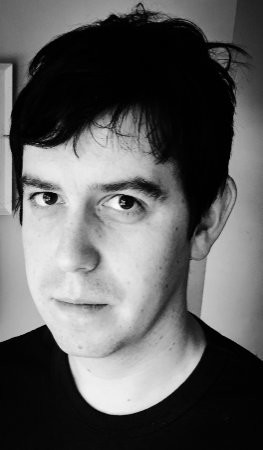 Our guest, Dan Mumford, spent a decade at RADIO 1 in the UK starting at age 25. He then had some other Radio Imaging related jobs but quickly found his place as a successful music and sound design producer/composer/engineer. We discuss his music background, radio background and how they intersect. Of course we talk tech -- you better check out the pics of his studio including his modular synth! Maybe most importantly we get into his latest venture, RAFT MUSIC, his own production music library which literally JUST launched days before I am posting this show. We discuss his workflow, the talent with whom he works, ways YOU can make a living producing music and maybe a secret weapon or two you'll find in his studio.
*Special Note: The music I use in this show is all from RAFT MUSIC!
Follow Dan on Twitter: @DanMumf
Raft Music on Twitter: https://twitter.com/Raft_music
Raft Music on IG: https://www.instagram.com/_raftmusic/
Raft Music: https://raftmusic.com/
Dark Arts FX: http://darkartsfx.co.uk/
Wormhole Plugin: http://www.zynaptiq.com/wormhole/
[gallery columns="2" link="file" ids="14319,14320,14321,14323"]
Our guest, Dan Mumford, spent a decade at RADIO 1 in the UK starting at age 25. He then had some other Radio Imaging related jobs but quickly found his place as a successful music and sound design producer/composer/engineer. We discuss his music background, radio background and how they intersect. Of course we talk tech -- you better check out the pics of his studio including his modular synth! Maybe most importantly we get into his latest venture, RAFT MUSIC, his own production music library which literally JUST launched days before I am posting this show. We discuss his workflow, the talent with whom he works, ways YOU can make a living producing music and maybe a secret weapon or two you'll find in his studio.
*Special Note: The music I use in this show is all from RAFT MUSIC!
Follow Dan on Twitter: @DanMumf
Raft Music on Twitter: https://twitter.com/Raft_music
Raft Music on IG: https://www.instagram.com/_raftmusic/
Raft Music: https://raftmusic.com/
Dark Arts FX: http://darkartsfx.co.uk/
Wormhole Plugin: http://www.zynaptiq.com/wormhole/
[gallery columns="2" link="file" ids="14319,14320,14321,14323"]
---Here are links to the Dan Mumford Show Audio---
Transcript
67 min read • 9,971 words
Announcer: This is The Producers Podcast.
Announcer: Featuring the most respected international talent in the world of audio production and voiceover. TV, radio, film, and more. In-depth interviews and industry insights, putting you on the inside. Learn more at ryandreen.com. The Producers Podcast. With Ryan Dreen.
Ryan: Hello, thank you so much for checking out The Producers Podcast. A few things to hit right at the top here. Again, keeping these intros as short as possible. first, rate and review. If you could do that, it would mean the world to me. I would be so graciously humbled and blessed. Hashtag blessed. no, I'm actually kidding. I don't really talk like that. But seriously, it would be awesome if you could rate and review the show. iTunes would be great. Wherever you get your podcasts, super. I've got it on just about every single platform you could listen. Obviously any podcast app. The only place I'm not, because I don't pay to be on one of the specific services, is Spotify. Maybe someday I'll get that rectified. So I, I, I love Spotify, I use it all the time, I just don't happen to be on there. But you can get me on iHeart, TuneIn, any, any, just everywhere else in the world. Stitcher, I mean, literally everywhere else in the world you can get the podcast. So thank you for doing that if you can. if you want all the links, by the way, ryandreen.com. I've got just a wall of big-ass buttons you can click to get where you need to go. all right, let's see here. Nope, first, Roger Keeler will be the next guest. And, I think I mentioned this in the previous episode, but I'm gonna stick to a bit of a stricter schedule. So basically the first of the month, or maybe the day before like it is technically now, I'll be releasing a new podcast. Guaranteed first of the month all year long. And then I'll have some mid-month episodes throughout the year as they become available. Those will be, you know, surprises and bonus and whatever. so Roger Keeler, who had already been on the show like a decade ago, 29 years in the industry, one of the most passionate radio imaging producers and now voice talents that I know, and he's been at iHeart/Clear Channel Denver for like 25 of those years. Just like I said, just super passionate about what he does, so he'll be on again, and that'll be the next episode, so look forward to that. Today, Dan Mumford, guy I've known for quite a while, he spent basically a decade at Radio 1 in the UK, but went off on his own, I don't know, a few years back, Yeah. And he's exclusively producing music now. I thought it'd be a fun interview to talk to somebody who was in the radio imaging world, made the transition, and is very successful placing content, various entities, and then also producing tracks for libraries. And the bigger news, he has just launched his own library. And in the interview, we kind of talked like maybe it's about to launch because we technically recorded this a little while ago, and it was right before, I mean, it was launched, but it wasn't official. Anyway, it's official. Raftmusic.com is live. I welcome you to go over there and check out and hear what he's doing, the music you're hearing now, Raft Music. I'll play a couple tracks, you know, as we get into the actual interview, and then as I outro, but go check it out. Raft, R-A-F-T music.com. That is his brand new thang, and it's awesome. I'm gonna throw a nod right up front to Dark Arts FX. So go to darkartsfx.co.uk. That's also Dan's. Let's just say it's free. Obviously license it correctly. But if you're in the States, he doesn't even really know how that works. And it's up there ready for you to get. And I say get it because it's awesome. I've been using it for quite a while. So check out his other endeavor there. And then again, if you're a subscriber on APM or various other music libraries, some of these massive music libraries, you're probably already using Dan's music and you don't even know it. you can get him on Twitter @DanMumf, D-A-N-M-U-M-F. We're gonna hear a sample of some of his content here for just a bit, and then we will bring him on, the one and the only Dan Mumford. Dark Hearts FST.
Ryan: All right, and we bring him on. I tried to mention as many things in the official intro there as I possibly could, but super cool guy, Dan Mumford, composer, sound designer, And many other things. Dan, thanks so much for joining me. I appreciate your time.
Dan Mumford: Oh yeah, me too. Great to, be with you.
Ryan: And, you're in your studio now. before we started, I had to remind myself where you were, and I don't think I can say the name of the town correctly, so why don't you just tell us where you're located?
Dan Mumford: It's a place called Berkhamsted, a town called Berkhamsted, which is about 40 miles outside of London. yeah, in my studio, in my garden.
Ryan: Nice. Yeah, that's right. So you have a home— now in the States we would just say like in the yard or in the backyard, but yeah, garden is the correct term. But you have like a separate little building out there, like, yeah, actual standalone.
Dan Mumford: Yeah, soundproofed kind of, but not really. It can annoy the neighbors, but you know.
Ryan: So, so when you're working on stuff real loud, it can be heard outside your, your studio?
Dan Mumford: Yeah, sometimes you have to sort of catch yourself and think, oh, what am I doing here? I'm just really smashing it out, and turn it down for a while. Nice.
Ryan: And you were able to build the studio yourself exactly how you wanted?
Dan Mumford: It was an office, and then I got— when we moved in, it was an office, and I got this company to just come in, have a look at it, and make some suggestions. They totally refitted it, put soundproofing in, a nice desk in, got me a new Mac and all the, all that sort of stuff. So it's really, really nice.
Ryan: Nice. Yeah, I, I saw— maybe you can, do you mind shooting us pictures?
Dan Mumford: Yeah, sure, sure.
Ryan: Yeah, I think people love seeing studios, as you know. yeah, that'd be cool. All right, well, let me, let me take a step back here. I've known you now a few years, and I, I think I've mentioned on this podcast and other places, I just love the music you make. It's Just awesome. Like, you know, it's cutting edge. You make a variety of genres. So we'll talk about that specifically here in a moment. But your background is in radio imaging.
Dan Mumford: Yeah.
Ryan: I don't know, maybe take me back to the first gig you got and, you know, we can bullet point it a little bit.
Dan Mumford: I mean, radio imaging is probably the only job I've had, the only real job I've ever had. You know, I I had a degree in music and I wanted to be a record producer, as in like—
Ryan: Okay.
Dan Mumford: In the big studios, making records and stuff. And around that time, I did a lot of sort of technical stuff and I was sort of making inroads into that world. But it was at that time that studios started closing, democratization of music software and music making started to happen, and it just didn't seem like it was gonna last. Also, it was like a lot of work, just hours and hours and hours, relentless working. And I just thought, I just want to get a normal 9-to-5 job for a while. started at the BBC in a place as a program transfer assistant, which means getting old reel-to-reel tapes and digitising them. So it was actually an amazing job. You did it for a year. You just got in, found these old archive things and just listened to them basically. And you basically got to listen to the whole of the BBC's old archive, which was a real kind of treat.
Ryan: Yeah.
Dan Mumford: It was in Maida Vale Studios, so you got to see loads of bands and stuff on your lunch hour. And then after a year, I'd sort of had enough of it. And a job came up at Radio 1, which was as an assistant imaging producer. And yeah, I got that and just sort of started, that started me off really. And I just, and I stayed there for 10 years. So, you know, yeah, that's the only—
Ryan: When you got the gig at Radio 1, how young were you? It seems like you're probably still pretty young.
Dan Mumford: Well, I wasn't that young, 25 maybe. No. Okay. Yeah, probably about 25. Yeah.
Ryan: So before you got the gig, assistant producer at Radio 1, your entire experience working in radio was that year at the BBC dubbing tapes?
Dan Mumford: Yeah. bit of student radio at university. Yeah, but that was just to get free records, really.
Ryan: So as far as the radio imaging production background, when you got hired at Radio 1, like, where did that come from? Like, where did you actually get experience doing that?
Dan Mumford: I didn't have any. That's what I was sort of thinking. I kind of, you know, I mean, I'd always loved music technology and I'd just been spending my— I mean, every— I love music and playing the guitar and making stuff on computers. I had an Amiga 500 with a massive sampler with like 2 seconds of sampling time. I used to make remixes when I was about 11 and stuff, you know, it was always there. So I'd always be using computers and stuff. So I think I, I had this experience of using computers to make noise, and I think they saw that in the sort of like in my interview process.
Ryan: Yes.
Dan Mumford: And thought, you know, maybe it's time to bring some— someone like this in who doesn't actually, you know, have a lot of imaging experience because it's going they're going to bring something, a new idea to the table.
Ryan: Yeah, I was going to say, sometimes that's key to, you know, if you have somebody that's just been in station sound or radio imaging forever, they might have habits that when you're trying to, you know, cutting edge, when you're trying to change the mold, people like you come in, that's solid. So you were at Radio 1 for 10 years?
Dan Mumford: Yeah.
Ryan: And then So I guess unless you wanted to talk more about that, but then what happens after that?
Dan Mumford: Well, I mean, there was a lot, there was a few bits. I was already on BS, I was doing imaging, and then I sort of moved over to the programming for a little bit, did some stuff on the Drive Time show. and then I went to One Xtra for a bit, and then they sort of joined together. And then I also worked at this place called, at the BBC, called BBC Cross Trails, which I think some, James Stodd, you know, you've had him on, haven't you? Or have you not?
Ryan: Not yet.
Dan Mumford: He, he worked there as well. it was kind of like making radio promos for TV, but for all the bigger sort of BBC stuff like Doctor Who and, just bigger, corporation-wide stuff, you know.
Ryan: and that was in the 10 years that you were there, basically? Yeah, yeah.
Dan Mumford: I'd sort of like had a little attachment to there for about a year or so. Yeah.
Ryan: Nice. Okay, so you leave Radio 1, and as far as I know, you go somewhere that you can't talk about. Should we leave it there?
Dan Mumford: Yeah.
Ryan: and it's not, not prison.
Dan Mumford: No, no.
Ryan: Okay, so you, you go somewhere we can't talk about that, but you were doing some form of audio production.
Dan Mumford: Yes.
Ryan: You can maybe say that.
Dan Mumford: And it was great. Yeah, that was great.
Ryan: How long were you at the place at which we can't discuss?
Dan Mumford: About 8 months-ish.
Ryan: Okay.
Dan Mumford: and then I started, well, I kind of— I did— I pitched on adverts, I pitched on— I started basically just becoming a free— a freelance composer and sound designer. Ads, TV programs, stuff like that. and a pitch came through from Radio 1 which was for the theme music for their news programme Newsbeat.
Ryan: Yeah.
Dan Mumford: And I got that pitch and it's like, I was so excited about that and I'm like still so excited every time I listen to Radio 1. I'm just like amazed when I hear it. And that kind of gave me a bit of freedom to start writing a lot more music and being a bit more kind of choosy in what I did. You know, I did some imaging things, did some stuff for Ministry of Sound Radio. Did a bit of stuff with Capitol when Chris Nicholl was there. But, you know, it's kind of like the freelance life, a bit sort of bits and bobs. But then I was just like, right, I'm going to concentrate on writing music. And so I spent, yeah, just years writing library production music, basically.
Ryan: And still am. Yeah, I think when I met you, you had just put that news theme on Radio 1.
Dan Mumford: Yeah, it must have been the imaging days, wasn't it? 2015.
Ryan: Yeah, the first one. Right. So I know that was a big deal. And you were sort of brand new away from, the station environment, I think, at that point.
Dan Mumford: Yeah, definitely.
Ryan: so, you know, some of the questions that are kind of obvious: were you scared when you were out on your own before you placed that thing on the news theme on Radio 1? Was it exciting? Like, what was in your mind when you were officially on your own?
Dan Mumford: I was more scared when I was— before I left, because it's just the unknown, isn't it? It's just I've never worked just on my own, and I've got to do all the things that you have to do as a business and tax and accountants. And, you know, it's just, oh, what if we don't make enough money? What's going to happen? But, you know, I think it's my wife was just like, just go. If you don't— if it doesn't work out, just get another job. And I was like, oh yeah, it's like, it's actually, it's actually quite easy when you think about it.
Ryan: Oh, so if I stop freaking out in my own mind, then really I can do this.
Dan Mumford: Yeah, exactly. So, but then, I mean, as soon as we started, I started working on mine. It was, yeah, it's just been great. Yeah.
Ryan: Yeah, that's cool. All right, so let's get a little more into sort of the day-to-day now. I'll let people know a little more about— okay, yeah, I gotta peek behind the scenes. I can't wait for this new library. So Raft Music, R-A-F-T. Yeah, rough. and again, we'll bring this up throughout the interview here, but, tell me what is different about Raft Music versus the other music you've been producing until now?
Dan Mumford: The other music I've been— what, sorry?
Ryan: Okay, yeah, not just literally the music itself, but the business model, or like, why is Raft Music different than the music you've been doing up until now?
Dan Mumford: I don't think it is really different. It's pretty— it's quite similar, in fact. But Raft's got a—
Ryan: But it's your own label, right? It's all—
Dan Mumford: yeah, yeah. So I— yeah, so I like curate it. and design the sort of covers and, you know.
Ryan: Yeah.
Dan Mumford: So I do all that. And so Raft is kind of— it's a library, a production music library, much like any other, but it has— every track is a minute long. And then there's 2 more mixes. So there's 3 versions of every track. There's a 1-minute main version, there's a 2-minute talkover bed, and a 30-second commercial cut. So, and there's no— there's not too many versions, I think, you know, every track is like that. So you sort of know what you're gonna get with it.
Ryan: Yeah.
Dan Mumford: And yeah, it's just sort of like a way of putting stuff out sort of under my own terms, you know.
Ryan: And yeah, so, and I want— I will actually take a step back and talk about the various music you have produced up until this point. But Why would somebody create, you know, their own— I don't know— label? I mean, what are we calling— what's the proper terminology for what this is? And why do it this way as opposed to just produce tracks for someone else and have them placed in someone else's library?
Dan Mumford: Well, it's a production music library. and yeah, I do write for quite a few production music libraries and get them placed, and they have got great, marketers and sellers, and, you know, they've got— they're huge, and they get me placements, and it's great. But I can decide what to make, and I can make it whenever I want. And I don't wait for them to brief me. I just brief myself or other composers.
Ryan: Yeah.
Dan Mumford: And it's a way of— it's also a way of owning my own stuff. Because, you know, you do have a sort of— there's an exchange there with other companies, because you need— you They take however percentage amount of the money because they're selling it and they're the company kind of thing. So having something that's mine is like a really kind of nice thing.
Ryan: So on Raft Music, for example, when it is available, who's your ideal customer on something like that?
Dan Mumford: Radio stations for sure.
Ryan: Like in the UK or worldwide?
Dan Mumford: In the UK to start with. worldwide will, will be happening for sure. I'm just starting it kind of slowly, just organically see what happens. but it will be available worldwide. and yeah, like, definitely aimed at radio for sure.
Ryan: Okay, so for example, other things you've done, you have placed on APM Extreme, Megatracks.
Dan Mumford: Yeah.
Ryan: Other libraries, but, but those could get used in trailers or in film or on TV elsewhere. But Raft, you are specifically gearing toward radio people and to start in the UK.
Dan Mumford: I mean, yeah, it's not a radio— I wouldn't say it's a radio, just for radio library, because it can be used elsewhere. But I just sort of know that this is going to be— especially the one-minute-ness of everything, you know, it kind of works as short promos and There's loads of radio ads and stuff that need a 30-second thing. And I know you can get that with others, but I think a lot of the other libraries have, you know, 3-minute tracks or whatever. And sometimes I find as a user, sometimes it's a bit like, I just need a, just need a minute, sort of between a jingle and a track, somewhere in between there.
Ryan: Yeah, right, right. No, well, 30s are pretty key. Obviously, 30s are key. The other thing, you know, APM is great, I actually happen to love APM, but it is pretty huge. And when you break out the, the versions of tracks, sometimes you have, you know, 12 there, a lot of vocals to sift through, and then you have your 3:30 length and your 2:14 length.
Dan Mumford: Yeah. Or, you know, that's something I came across as a user is like, I can't— I don't need a 2-minute light and a 1-minute light because I can double the 1-minute light, you know. It's just— and yeah, when you see it sort of concertina out and you're like, oh man, there's like so much here. So I wanted to keep it a little bit, minimal. Yeah.
Ryan: So we're kind of going backwards here, but, I definitely wanted to make sure Raft music— I, like I said, I already got to take a peek at it and, I've already told you, I, I've gushed on your music plenty. I, I love your style. It's all amazing. but anyway, so to go backwards then, when you first started out, you talked about getting the, the news theme for Radio 1, but when you were just starting out making licensed music, yeah, what's the process? I mean, you clearly know how to produce music, but if there's somebody else out there that knows how to produce music, what's the process to get your music placed in like an APM or other licensing scenarios?
Dan Mumford: Well, I think first you need to know that it isn't— it is easier than doing like being a commercial artist for sure, but it isn't easy to get into, especially now. I think when I started a few years ago, it was reaching quite difficult times. So, and now obviously, you know, every actual commercial record label's got a licensing department. it used to be looked on as like, oh, I wouldn't license my track there, but now people will because it's a bit cooler.
Ryan: Mm-hmm.
Dan Mumford: so you sort of have to have that kind of grit of knocking on doors and asking people, to, you know, listen to music and see if they want to use it. But I— but at the same time, there's a— there's just so much need for it that, you know, it's not— it's difficult and it's not, you know, it's as difficult as you make it.
Ryan: I'm getting the impression that a few years ago was sort of coming to a peak in that everybody could have a home studio. So everybody was creating music and wanting it to be licensed.
Dan Mumford: Yeah.
Ryan: but you— am I to understand that it hasn't gotten worse? Maybe, maybe even is it a little better than it was? Did it reach a peak and it's a little easier than it used to be? Is that—
Dan Mumford: I mean, maybe. I just think you need to go out and meet people who— if you want to get like music licensed on TV or radio, you need to go out, find out who works for the companies, go out and see them. You know, I mean, it's really making an effort to go meet people, really.
Ryan: I had this question to ask a little bit later. You travel a bit. I know you try to get out to various cons. So if somebody does want to get out there, and let's say they take one trip, you know, they're— let's just assume they have the skills, they're making quality music. But do you have one venue, one conference, one something throughout the year that you would recommend going to?
Dan Mumford: Well, there's the Production Music Conference in LA every September, October, and that's just like, yeah, it's just all the production music publishers are there. So you will meet people there for sure. In London, there's a similar thing called the Library Music Awards, but, you know, they'll all be there. You know, it's those 2 conferences for sure. Okay.
Ryan: Where else do you get to throughout the year, you know, for a work trip, something that helps your career. Anywhere else you like to get to every year?
Dan Mumford: I did go to South by Southwest a couple of years in a row, which was really good, in terms of just like kind of inspirational sort of stuff. And there's so much in the way of like TV, radio, tech, live music, there's so much going on, movies obviously, so much going on there that you can just like laser focus your— if you, if you want to do music for movies, for example, you know, all the directors are there and it's just a no-brainer to go to that, really. I haven't been because, just hasn't worked out the past few years, but, went twice, I think. It's really, really good.
Ryan: Oh yeah, yeah, we got you to Texas twice. Yeah, I— we went and got food and then I dropped you off at a cool, record store.
Dan Mumford: That barbecue is amazing. That vinegar, vinegar gravy apple— that was— I keep thinking about that.
Ryan: Oh, that's right. You, so we went to Hard Eight Barbecue in Texas. Quality. But also they have their apple cider vinegar barbecue sauce, which is not their main sauce, but it's excellent.
Dan Mumford: That is something you do not get in the UK. You're right.
Ryan: All right, I think we'll kind of organically talk about, you know, getting music placed and all that, but I would like to get a little technical. So when you transitioned from producing primarily radio imaging, granted you were a musician and you didn't have a lot of the habits of radio imaging production, what are some of the major things that you had to readdress when you were making— when you were actually literally producing music versus producing radio imaging?
Dan Mumford: Not making it so blatantly in your face and harsh and limited to hell. You know, yeah, I'd make some kind of, piece with orchestral in it, a sort of soft, like, minimalist piece, and I'd send it to the library and they'd say, oh, we just got this mastered and it sounds horrific, because I'd just be like slamming it. And it's like, right, you've got to sort of realize that it's fine for it to be quiet because they can sort it out on the other end. You know, like when you're imaging, you're your own master, aren't you? So yeah.
Ryan: Right.
Dan Mumford: You can— you don't have that. You've got to make it sound the best it can at every stage. And I don't master my own stuff, because I don't think I can do it. So I get someone else to do it, or they— or the library does.
Ryan: You can do it, but you didn't do it the way that, at least originally, the way that they wanted it done.
Dan Mumford: Yeah. So I think with that, I was like, I'd make a, a soft-sounding piece, but I wouldn't mix it right, you know. So then when it came to the mastering stage, the mastering engineer's like, no, this is too— I can't do anything with this, you know, I'm going to make it sound terrible. So you kind of have to look at your mixes in a bit more detail, I think, especially also with radio imaging. You're just, you know, a lot of the time, everyone knows this, you're making stuff that's going to go on air in an hour.
Ryan: Mm-hmm.
Dan Mumford: You just got to do it, haven't you? And you just sort of knock it out as fast as you can. With this, you need to take a bit more care on your Mixing. Yeah, because I mean, sometimes it will go out and it'll go out like once, won't it? And then gone. So if it was bad sounding, fair enough, on to the next one, isn't it? You know, it's okay if it sounded terrible because it's only just the once.
Ryan: But also it goes through 15 different levels of processing on a radio station.
Dan Mumford: Yeah, yeah, yeah.
Ryan: And it's definitely true, right, that things that are being used in film and TV the expectations, and not just that it needs to sound better or worse, it's just the expectations on, you know, the gain is much different than radio people have.
Dan Mumford: Yeah, exactly. They haven't got the sort of OptiMod where they're just absolutely pulling everything up. Yeah. so yeah.
Ryan: let's talk more about your musicianship. So you said you're a guitar player, but what all do you play and how long have you been playing for?
Dan Mumford: I've been playing the guitar for about 20 9 years, 30 years. Same with the piano, and I can play the drums and bass and keyboard, you know.
Ryan: So what don't you play?
Dan Mumford: I think I can play a lot of instruments in an average way, but I'm better at writing for them. So, you know, if I need someone to come in and play something really well, I'll have to get someone in because I, you know, there's certain things that I can't really play that great. But I can definitely write. I can write for instruments better than I can play them.
Ryan: Is it easier— I'm sure there's plenty of people out there that can maybe do a little composition for piano or guitar, but is it easier to be able to play an instrument a little bit to write for it?
Dan Mumford: Yeah, definitely.
Ryan: Yeah.
Dan Mumford: Or even just being able to— I think it's best just being able to sing things. If you can hear a track and a melody or whatever and you can sing it back, then you've got that, you've got it. I think you've got an ability to be able to write because, you know, you can just sort of, you know, where you're going up and down and you can just— I don't know what I'm trying to say here, but, you know, if you can sing something, you can probably write something as well.
Ryan: Yeah, for sure. When you first started out versus now, how— so in other words, how many external or third-party musicians would you bring in back when you first started? And then how many do you use on tracks now?
Dan Mumford: I mean, definitely more than I used to. I didn't used to do it at all.
Ryan: Okay.
Dan Mumford: But as more briefs came in from libraries, they're saying we want vocal tracks. So I usually write with this really great vocalist called Hannah, who is just— she top-line stuff that I write and then sings it as well.
Ryan: What does top-line stuff you write mean?
Dan Mumford: So she'll— I'll send her a track, which is an instrumental, And then she'll write the melody, like write the vocals and the lyrics and sing it. So that was basically our kind of writing partnership there.
Ryan: Yeah.
Dan Mumford: I've worked with various guitarists as well, but I'm doing a lot more collaborations now, I think, or trying to find more than I did. Sometimes it can be a bit— it can take a while and you just kind of, you sort of think, well, I could have done this on my own faster. And then sometimes it's just like, wow, this is amazing. This is working great. I would never have been able to do this. So, you know.
Ryan: I want to hear a little bit about the output you have. So I know you're writing, you're getting stuff placed, or you're getting briefs from various libraries. You're starting Raft Music. I think you're still probably putting in for things like, like if Radio 1 were to need a new news theme, you'd probably do work for that.
Dan Mumford: Yeah, I've pitched for stuff for them. Yeah, yeah, yeah.
Ryan: So you're still pitching for stuff. Yeah. So I, I don't know, like, what's your output in a day or a week, just to give people an idea? And you know, how many hours are you at this each day?
Dan Mumford: I try and write a track a day. sometimes—
Ryan: Not fully produce a track a day, but you just try to write a track a day, or actually Output from start to finish, a track a day?
Dan Mumford: Well, it's written and— well, it depends. It's written and mixed in a day and a half, I'd say.
Ryan: Okay.
Dan Mumford: But then sometimes it's 2 tracks a day depending on, you know, what the track is. Certain tracks are easier to write than others. A drone is very easy to write. I could write 10 drones in a day.
Ryan: Oh wow, that's pretty good.
Dan Mumford: But on average, a track a day. Yeah, I think that's, a kind of good thing to stick to.
Ryan: Do you think that's really efficient compared to your peers, or is that average or slow?
Dan Mumford: I'd say it's kind of average. I know, I don't know, I've talked to people who are like, I can't believe how much, how fast you write. But then, depend— it kind of depends on the music, because if someone's writing an orchestral massive piece, yeah, that's going to be used in a trailer, it's going to take a lot longer to write than like a Talkover bed, you know. So, and then you write, you'll take longer to write that big orchestral piece, but if it gets used in the trailer, you're going to get more money for it. So it kind of evens out.
Ryan: Okay.
Dan Mumford: I'd say it's, it's kind of, I'd say that's pretty high up there, but there's people who do more.
Ryan: I know you work mainly in the electronic side. But I know you have skills, you know, you do other things as well. But anyway, is there a genre that is more lucrative than all other genres right now?
Dan Mumford: I think anything that's like on, on trend will be lucrative right off the bat. So as soon as the album or whatever is released, if it's like a trendy thing that's on your top 40 stations, then it'll get used And you'll— and it'll do well. The problem with those is that once the trend is off, then they won't get you—
Ryan: No lifespan.
Dan Mumford: Yeah, exactly. There's— if you do sort of a kind of an orchestral thing, it's a slow burner. So you won't get as much money to start with, but it'll, it'll go on for ages.
Ryan: So would a brief from, from one of these sites, services, licensing companies be something to the effect of, do something like the new Ariana Grande track? Is that as simple as a brief might be?
Dan Mumford: Yeah, but I don't— but they wouldn't really mention particular tracks. There's a lot of sort of copyright issues. I don't ever write any soundalike stuff. but yeah, sort of like in the, in the mold, in the style of thing. Yeah. Yeah.
Ryan: So, but they will kind of talk in those terms. I get that you can't say knock off, whatever her— the next song, whatever the hell, but you, you can't say knock that off. But, you know, like, in the style of— yeah, because that's what's trendy and that's what's going to sell right now.
Dan Mumford: Yeah, yeah, yeah, yeah.
Ryan: Okay, I want to get a little bit into the tech, and I thought an interesting question would be, if somebody is a musician, they're looking for more income, whatever, and they're— they have some production chops, but if you're going to start making music right now, besides your DAW— and for anybody who doesn't know DAW, like, you know, Pro Tools, so not your digital audio workstation, what would be the first thing you would recommend buying?
Dan Mumford: A microphone. For sure. Like, over and above any plugin, just get a microphone. I mean, because you can just make anything with a microphone. You can record anything and you can manipulate it and you can— I mean, I was writing a track the other day and needed some sort of cut-up vocals. So like, I go straight onto Splice, And I'm like, right, have I got any vox? And then I'm like, do you know what? This is just going to sound like every other thing. So I just sung this weird thing, then just totally processed the hell out of it. And I'm like, I'm really kind of proud of that. Even though it sounded awful to start with, no one else has got that. And I think a microphone is a great thing to have around.
Ryan: So I've heard that advice before, especially when making original music. Don't rely on pre-produced libraries or loops or whatever, and then stuff that you can generate out of plugins. Do as much as you can that's totally original. Is that a rule you try to live by?
Dan Mumford: No, not— I mean, not at all. I mean, I would— I use like loops and stuff, but I chop them. I totally try and make them— yeah, not— well, yeah, not recognizable.
Ryan: Unrecognizable. Yeah.
Dan Mumford: Do something to them. But I just, I think maybe just what I mean by having a microphone is just when you're sort of stuck and you feel like you're just going through the motions, you can just sort of record something and it might kick off some kind of inspiration. I mean, other than that, just get the Native Instruments Komplete because it's got everything that you need, really.
Ryan: Yeah, so bang for the buck, Komplete is probably the best place to start. I mean, it is a little pricey, but you can get a discount on it over the holidays and maybe other times throughout the year.
Dan Mumford: And then you won't buy it. You won't need to buy anything else, really. I mean, yeah.
Ryan: And I'm not here to sell Native Instruments products, but Komplete is everything. I mean, give a little explanation on why it's so good. Why do you recommend that?
Dan Mumford: So you've got— you get synths to work with, an industry-standard sampler, which has loads of instruments in any way. Reactor, which is like just insane. They've got loads of user-made patches on there that are just, you know, if you want to get original sounds, that is the place to go and use Reactor.
Ryan: Yeah.
Dan Mumford: And then, you know, you've got stuff like all their effects are not like, they're not UAD stuff, but they're, but, you know, they work and they're good. So it's kind of a good you've got a sort of nice solid base of stuff. But then I think, you know, any DAW's got all that in it anyway. So do you even need Komplete?
Ryan: Okay, another question I like asking people that produce electronic music. It changes, but what is your go-to synth right now? Like, like if you're starting, I know there's a lot of really cool ones, but if you just need to get some something made right this minute, What are you opening first?
Dan Mumford: It's Serum or Omnisphere, I think. Okay.
Ryan: Oh, Omnisphere.
Dan Mumford: Okay. Yeah. Well, just Omnisphere is a funny one because everyone says that it's like not a proper synth, which it's kind of— it is though. And it's just got a lot of— it can be very deeply programmed to create some weird sounds. So it's good for sound design, I think, Omnisphere. Serum's just a great solid synth, really.
Ryan: Serum is still— I mean, people have really— it's been really high on everyone's list for a while, and that's still high on your list.
Dan Mumford: Yeah, I use it all the time. I think you— I don't think you should— that's— I think one of the problems with like audio production, music production, is that everyone wants like something new all the time. with this sort of— with the internet and everyone's getting it all the time, getting the new, the new, the new. And it's like you just got to spend time. I'll use Serum for years and years. There's not going to be anything else that comes out that's going to be like that much better in the next few years. You know, it's just great. I mean, I'll use Nexus for pianos because they sound good, but Nexus is just like you can't do anything with it. You know, it's literally— it's basically a sample player. but it sort of pretends to be a synth. So you can't manipulate stuff as well as you can with any other one. Like, for example, a lot of their presets have just got delay built into it. And I'm like, I don't want this delay on here. And I'm like, well, I can't even get rid of that.
Ryan: Yeah, I'll throw a new person who's officially with TM out, Dave Bethel, who you know. Yeah. He was here just a little while ago. So I broke out Nexus and was showing him something I was doing. He started showing me features on it that I had never even clicked before.
Dan Mumford: Yeah. Yeah.
Ryan: So, so he manipulates the hell out of it a lot more. I agree though. For me, it was always a great place to start. It would sort of get me going.
Dan Mumford: Yeah.
Ryan: And then I would try to build around whatever it is they're handing me. And sometimes I'd even remove whatever I started with with Nexus.
Dan Mumford: Yeah, definitely. That's true. And I think with, with Nexus, it's like it's got that sound where if you want to sound like someone, like a top 40 artist. It's got that instant sound there, and that's kind of cool. But I think I worked out pretty early that I'm not very good at replicating that production style, modern production style. I mean, I can get there, but there's sort of your own quirks and work thing, how you work and who you are, kind of can get into it. And for a while I was like, shit, I can't make this sound right. But then I was like, well, maybe I should embrace the fact that it's sounding a little bit unique because I can't quite get it to sound just like whoever, you know.
Ryan: Yeah, absolutely. I, I wrote it down like this. I wrote the best tool you ever bought and why. I don't want to hear microphone, that can't be your answer, and I don't want to hear Serum. So I'm kind of thinking even like a secret weapon. So something that you own that you were surprised by or that you don't think many people know about or just for whatever reason for you It's been amazing to have.
Dan Mumford: Probably, well, okay, probably my modular synthesizer, which is like a synth, modular synth I've built up over the years with little components. And it just kind of has taken a life of its own, and it's just perfect for sound design. I can just make sounds that you cannot make in a computer.
Ryan: Yeah, and obviously we're talking about hardware. Is it like a brand name that people would have heard of?
Dan Mumford: It's a Frankenstein. It's loads of different modules that have— wow. So that's the good thing about modular synths is you can literally buy different components from different manufacturers and make your— it's just completely unique. So that's what makes it so good.
Ryan: Cool. So basically your answer is something that nobody can just grab right now.
Dan Mumford: Okay. What about, Wormhole? There's a plugin called Wormhole, which I absolutely love. And I can't remember who makes it. And I'm just going to look it up because it is brilliant.
Ryan: yeah, somebody mentioned that at some point. I'd have to look it up too.
Dan Mumford: Zynaptic, they're called. And it's kind of a multi-effects thing. It's got like a warp, a pitch shift, and a reverb. And it's amazing. You can do like, make monster voices with it. You can do like those kind of high-pitched vocal things that are pretty trendy right now, and then low-pitched things. But it's got that kind of unique sound. It's not that obvious, which is what I like about it. And But actually, the same people who made that make a thing called something verb, Adaptive Verb, maybe. Let me just see. Yeah, Adaptive Verb. That is the most insane reverb I've ever used. You can feed it a tiny bit of audio and it'll make drones, pads, soundscapes.
Ryan: Oh, okay. All right.
Dan Mumford: tweak it so that it'll cut off the reverb if something from another key is coming in, so you don't have clashing things. It's just, yeah.
Ryan: Wow. So they sell entire bundles here too, I see.
Dan Mumford: Yeah, yeah. I haven't got any of the other ones, just Wormhole and Adaptive Air.
Ryan: I'm going to copy this and put this on the Dan Mumford page. I think people are going to want— I feel like somebody, I feel bad, somebody brought this up before. It might have been on an episode too. And I just can't remember who, so I'm not giving them credit right now. But, but I, I, yeah, anyway, awesome. I love it when we hear about plugins that aren't in the mainstream, that aren't, you know, like, hey, get that thing from Waves for $29 because it's on sales this week. You know, it's never on sale except every day of the year.
Dan Mumford: I mean, they're good to— I think they're good to have because they're like, they're just sort of workhorse stuff, aren't they?
Ryan: But yeah, like a Waves bundle.
Dan Mumford: Yeah, yeah, yeah. But none of it's changed stuff really. But then if you spend time with them, you can find out things that they do and you're like, wow, I do that all the time.
Ryan: Yeah, absolutely. So you, you sort of got us in here. I definitely want to bring up Dark Arts FX. And you're obviously— I mean, I'm fascinated by the producing of music, you know, licensed music world, which I think we covered nicely. But I also love sound designers because you get surprised so often. You know, you think you've heard every wipe, whoosh, hit, impact, etc., and then bam, I hear 100 of them from somebody else. I'm like, well, I've never heard that before. So, so how did you get into that side of the world? In fact, I think that might have— did that come first before music? Yeah, kind of.
Dan Mumford: Or you can tell the beginning? Definitely when I was like a kid with computers, I was making weird sounds on the computer. and samplers and stuff. But then, I mean, in terms of radio stuff or sound effects of radio or whatever, we were just making them. We were making the Radio 1, me and Matt, and, he'd already made some stuff that I'd listened to and thought it sounded just, you know, amazing.
Ryan: And he had this thing on, Wrong Planet, right?
Dan Mumford: Yeah, yeah.
Ryan: was it Fit— what is it? Fish Food?
Dan Mumford: Fish Food.
Ryan: Fish Food.
Dan Mumford: Yeah.
Ryan: Okay.
Dan Mumford: And it just sounded so sleek and stuff. And I was like, yes, mate, let's make a— he was like, let's make a package. And I think that was kind of my first sort of radio effects stuff, and it didn't sound very good. It's all right, it's all right, it's all right. It's good, it's good. It's just—
Ryan: We start somewhere.
Dan Mumford: I mean, yeah. And it kind of— I mean, I think what I mean is like when first started making it, I was like, oh, this isn't good. But it took a long time for me to sort of like come up with the finished stuff. and, you know, it's definitely his, his stuff that I'm sort of putting it against.
Ryan: So Dark Arts Effects, that's—
Dan Mumford: After I left, yeah.
Ryan: And that's, so online they can definitely go there now and hear some specific content. darkartseffects.co.uk.
Dan Mumford: Yeah.
Ryan: what, how do you, how do you, do you Well, I mean, I didn't bring up your website. I've had the privilege of having your content for quite a while now. Are you selling it just for money? Is it just like PRS licensing?
Dan Mumford: Yeah, it's just performance licensing. So you can just grab it and then just report it to your performing rights organization.
Ryan: What about my friends in America?
Dan Mumford: Grabbable. I mean, I'm not 100% sure how that works, but at the moment, You know, it's there for the taking. So just get it, you know.
Ryan: Oh, that's awesome. So yeah, I would like people to compensate you. But as of right now, you're not worrying about creating a cart system on your website and selling the packages.
Dan Mumford: It's working for me in the UK. Yeah, I find that kind of buyout thing doesn't really— I've done it with a few other things. And it doesn't really work out that well for me. But you know, same with sort of same with Raft, I'll look at I'll look at the Dark Arts stuff in the, in the US at some point in the near future. But, you know, at the moment, get it while you can get it, I suppose.
Ryan: All right, get them, get them while you can. darkartseffects.co.uk. I've used it. a lot of your stuff is very aggressive. Would you say that that's kind of your, your angle on the sound design world?
Dan Mumford: Yeah, probably. I mean, I do a lot of stuff for, for movie trailer libraries as well. And my favorite stuff to do is just the horror stuff. It's just, yeah, evil, massive slams and screams and stuff. And that's just like what I— just what I love to do.
Ryan: Yeah, like when we produce Halloween imaging, like I always love that time of year because I feel like all the rules go out the window and you can't really go too far. Like anything you want to do is fine because it's suddenly okay to just—
Dan Mumford: It's Halloween.
Ryan: Yeah, just slam everything against the wall and freak everybody out.
Dan Mumford: Yeah, yeah.
Ryan: Yeah, so, I guess, you know, as far as— I mean, we've talked about producing effects and that kind of thing on the show before, but I've learned to say that there's really no, like, here's step 1, 2, and 3, and boom, you have an effects library. It's a lot of just trying stuff out, right?
Dan Mumford: Well, that's why I called it Dark Arts, because it's a dark art. I think it really is. Like, no, you just— there's nowhere for anyone There's nowhere that you can find out how to do it really, which is— which I kind of like because it's probably one of the only things you can't go on the internet and blatantly find out how to do it all.
Ryan: Yeah.
Dan Mumford: Which is kind of nice. but it isn't— it, you know what, it isn't difficult. I would suggest to anyone who wants to make their own effects is just get your DAW, whatever it is, get a 5, 4-second sample of white noise and mess around with that. What can you do to it? Can you chop it up? Yeah, you can chop it up. You can— what about if you just put a fade out on it? You're making an envelope on that white noise. Look, if you've just made an impact, what if you do a fade out on the beginning? You've made a riser. You know, you— if you just sort of start with the most simplest of noises, you can do so much with it. and you can use all the effects that are already in your door to make it sound crazy as well.
Ryan: If somebody— I mean, I have a couple in my mind, some ideas, but I don't want to like— I don't want to tell you what to say. If somebody's going to start with a sound and wants to really mess it up and create some cool-ass radio imaging sound design effect, what plugin might they start with?
Dan Mumford: See, I don't want to say Effectrix. And I don't want to say Stutter Edit, because I bought Stutter Edit and I was like, nah, this isn't it. This isn't for me.
Ryan: It's just too like Stutter Edit is very specific. Yeah, it is a very specific sound that you're gonna know. Oh, well, that's Stutter Edit.
Dan Mumford: What plugin?
Ryan: Oh man.
Dan Mumford: Do you know what? The best thing to do is learn the shit out of the stuff you've got. Learn your reverb on the DAW because you can make like massive booms with it. Huge things with the reverb that you've got. You just need to know how to use it. You can make, you know, what else have you got? You've got like distort— the distortion in there. You should definitely— yeah.
Ryan: All right.
Dan Mumford: I'd say distortion then. Okay.
Ryan: And that's even like an Air plugin that comes with Pro Tools.
Dan Mumford: Yeah. I mean, that's great. But I've actually— one of my favorite other favorite plugins is the iZotope Trash 2, which is just— yeah, that's a great distortion plugin. And that will definitely help with your sound design. You can make really gnarly sounds, and then you can sort of cut up and destroy more, or, you know, yeah, add more effects to.
Ryan: Are you sponsored by any plugin companies, any audio companies?
Dan Mumford: No.
Ryan: No, no, it's okay.
Dan Mumford: I just wanted to— That's a joke. What? Is that a joke? I thought you were joking.
Ryan: No, no, no, I'm actually being dead serious.
Dan Mumford: No, no, I'm not, I'm not.
Ryan: Okay, well, because what I wanted to ask, I didn't want you to offend someone that may be already, you know, contributing. Anyway, do your favorite. A favorite company in general? I mean, you've mentioned a couple already, but like if you had to pick a go-to plugin company.
Dan Mumford: I really like iZotope stuff. Yeah, it's a bit— some of it's quite interesting. StutterEdit is not— was not for me, but, a lot of their Neutron stuff is just really cool. yeah, and the Ozone stuff as well for mastering-y sort of things, or just a little sort of a master bus thing. And also, yeah, they've got the vocal synth I've got as well, which is really nice. And Iris, which is a really good spectral synth, which is really good for sound design stuff. So yeah, they're kind of— actually, they're good because they've got a balance of crazy wacky stuff and kind of standard compressors and things that work really nice.
Ryan: Now, do you like— they have their— you know what, I'd have to open it to remember the actual name, but I use Ozone on my master bus now exclusively, and maybe I'll drop a L3 after it or something.
Dan Mumford: Yeah.
Ryan: Where they have their, their something assistant where they kind of do the work for you. The plugin does the work for you, or at least gets you started. Do you even use that, or is that not cool? Like, is that not something, you know, you would do?
Dan Mumford: You should probably say, I mean, I have used it a couple of times, but I mean, what I think is I am not a mastering engineer. I'm just not. So I will put the least amount of mastering on the end. If I'm doing something for a client then I'll do a sort of rough master and maybe it'll involve the master. If I try it and then it doesn't sound good, I'll try and do it myself and make it sound better. But I think mastering is like a totally different thing, especially once you've mixed something and written it. You need someone else's ears to listen to it, otherwise you're just going to balls it up, I think. I don't know, but I mean, I know a lot of people do master stuff, but I think it's best passed on to someone else. Yeah.
Ryan: what— so I know Raft music is coming. what's— what else is next for you, or where do you see your career going here in the next 5 to 10 years?
Dan Mumford: It's just Raft. Raft music.
Ryan: It's just Raft.
Dan Mumford: It's Raft, and it's just more composing. Yeah, just a lot of writing music. But Raft is definitely the, kind of next step, and there'll be a lot of there'll be like constant releases. My aim is to have it, is for it to be a sort of between, somewhere between a curated library and something like a production service where they sort of like, we've added 3 new beds this week sort of thing. But yeah, I want to make sure it's updated constantly. I don't want you to go onto the website a month later and be like, oh, this is just all the same stuff.
Ryan: Besides the updates, do you have any other top goals for Raft? In other words, like a USP, something that's going to set it apart from others. There's a lot of libraries out there, as you know. Tell me about it. Yeah. Yeah, I don't know if you were to give somebody an elevator pitch on why Raft will be different besides, you know, because I mean, everybody's going to update with some consistency.
Dan Mumford: Yeah.
Ryan: What else would you say?
Dan Mumford: It's just, it's the one minute. Everything's a minute there. The structure is, it's kind of, oh, it's kind of a, there's a structure to everything that stays the same. You know, it's more of the set, it's more of the same stuff, which doesn't sound great, but you know what people want? want a lot of the same stuff. And sometimes with the libraries, you get like, because they're supposed to be all things, you can wait years for another album or whatever of the genre you want to come out. But this will be constantly updating, extremely reactive as well. I really want people to sort of like tell me what they think about it and yeah, what they would want, and we can get it done fast.
Ryan: Nice. So they can reach out to you. what's the best way to reach out to you? Because I know, depending on when I actually get this posted, I like to leave a little time in between shows.
Dan Mumford: Yeah. So if it's not— if we're not launched, which we might not be by then, but then just email me, dan@raftmusic.com. And if you want some merch, I've got bags, notebooks, USB with the first 11 releases on, pens, pencils, all that. So I'll send you some stuff. I can tell you about it. yeah, just get in touch down at raftmusic.com.
Ryan: Yeah, that's awesome, man. Hey, I think we, just went for like an hour and it was a blink. I feel like it was a blink. Raft is on Twitter @raft_music, Instagram @_raftmusic. you're on the Twitter, @danmumph.
Dan Mumford: Yeah.
Ryan: And, what else? darkarts.co.uk. That's the other one I'll definitely throw out there because, hey folks, we've got some sound design libraries to be downloaded and used before he locks them down or he gets a barter partner in the States or something.
Dan Mumford: darkartsfx.co.uk is just to pick you up on it.
Ryan: Yeah, darkartsfx.co.uk.
Dan Mumford: That's right.
Ryan: I don't know, I maybe I slaughtered it before. Sorry for that. But yeah, I will have all this linked and I'll have that Synaptic, Wormhole plugin linked on the Dan Mumford show or the Dan Munford page. anyway, hey Dan, this is awesome, man. Did I, did I, did I miss anything you were really hoping that this jackass interviewing you would ask you, or did I do okay?
Dan Mumford: No, it's all that— all good, all good.
Ryan: Yeah. Nice. All right, man. Hey, I appreciate you being on, dude. Thanks a lot. We'll talk soon.
Dan Mumford: Nice one. Thanks, Ryan.
Announcer: Visit ryandreen.com to subscribe, contact the show, and listen to every episode. Please rate and review The Producers Podcast on iTunes or on your favorite podcast app. The Producers Podcast with Ryan Dreen.