Episode 127: Beau Weaver
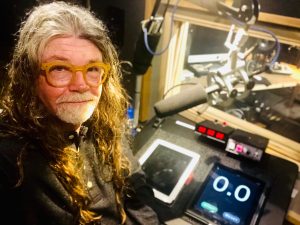 Today I bring on a Voice Actor with an enormous body of work. Beau Weaver has seen great success in TV Affiliate work, Network Promo, Syndicated TV Promo, Commercial, Narration, Trailers, Live Announce (Emmy's and more), Animation, Radio Imaging and everything in between. Beau started in radio in the 60's moving into voiceover in the late 70's and has been cruising ever since.
Beau has won awards including the Promax BDA Award for best voiceover in television promos, and in 2015 received the special Voice Arts award for outstanding body of work. He is also on the Advisory Board at the Screen Actors Guild Don LaFontaine Voiceover Lab.
Guests have talked about the "olden days" where they had to send voiceover on TAPE via FEDEX. Well, Beau was one of THE first to do that. He was also one of the very first to have a HOME STUDIO for Voiceover, do his own marketing, have a website that streamed audio and helped pioneer the "road rig."
Beau was so generous with his knowledge and stories and I am thrilled to have him as a guest.
Visit Beau's Website: https://www.spokenword.com/
This show is now on YouTube
Today I bring on a Voice Actor with an enormous body of work. Beau Weaver has seen great success in TV Affiliate work, Network Promo, Syndicated TV Promo, Commercial, Narration, Trailers, Live Announce (Emmy's and more), Animation, Radio Imaging and everything in between. Beau started in radio in the 60's moving into voiceover in the late 70's and has been cruising ever since.
Beau has won awards including the Promax BDA Award for best voiceover in television promos, and in 2015 received the special Voice Arts award for outstanding body of work. He is also on the Advisory Board at the Screen Actors Guild Don LaFontaine Voiceover Lab.
Guests have talked about the "olden days" where they had to send voiceover on TAPE via FEDEX. Well, Beau was one of THE first to do that. He was also one of the very first to have a HOME STUDIO for Voiceover, do his own marketing, have a website that streamed audio and helped pioneer the "road rig."
Beau was so generous with his knowledge and stories and I am thrilled to have him as a guest.
Visit Beau's Website: https://www.spokenword.com/
This show is now on YouTube
Transcript
79 min read • 11,829 words
Announcer: This is The Producers Podcast. Featuring the most respected international talent in the world of audio production and voiceover. TV, radio, film, and more. In-depth interviews and industry insights, putting you on the inside. Learn more at ryandreen.com. The Producers Podcast. With Ryan Dreen.
Ryan: We are back. 2019 is here. First show of the year. Thank you so much for checking it out as always. I took a small, well, you know, a little bit of an extra break, But I did do a little bit of work while I was gone. I did not completely slack, not the entire time. So I have 3 episodes locked and loaded to kick off the year. Today, obviously, Beau Weaver is the guest. I'll tell you about him in a moment. 2019, also the year of shorter intros. I'm gonna try and just make with the content. So let me just promote a little bit about who's coming up. Dan Mumford, a producer out of the UK, have him booked. And he has his background in radio imaging, but he's a music producer now. So we'll talk— What's up, man? about that side of the world and maybe how you go from one to the other or do both, stretch your legs if you're musically inclined. Should be a pretty cool show. And then I'm bringing back someone I had on possibly a decade ago. Somehow this show is 11 years old this year. I don't know how, but that happened. Roger Keeler, gonna bring him back on. I'm a big fan of Keeler. as I think about him, I don't know if there's anybody that is more perfectly suited for their gig. than Keeler. He's at iHeart in Denver, Channel 93.3. He, he voices stations. He, he's musical, he's comedic, he's everything about the brands that he works with and just has so much passion for this industry. So it's high time I bring him back on the show and get a new perspective from him on the industry that has clearly changed so much in the last decade. So Keeler, or Rocket, Roger Keeler, coming up as well. Today, Bo Weaver. I can use the word legend with Bo. you know, he's just— he's a nice guy. I I think I might've called him a titan in the show. I did not gush too bad. I was cool. I think I stayed cool. Maybe sort of a little cool. He got his start back in, oh, I don't know, like the '60s. Yeah. Voiceover in the '70s. He's got a radio background, but he has dominated all genres of voiceover over the years. I'll just rattle off a few bullet points here. Live announce, Emmy Awards, other Hollywood shows, documentary series narration, network promo, theatrical trailers, TV affiliate work is actually what he's doing a lot of now, commercial work, animation, radio imaging. It goes on and on. He is award-winning. He's also on the advisory board of the Don LaFontaine Voiceover Lab, and we go into that in this show as well. Get some cool Don LaFontaine stories in there. Also, for the new voice artists that are trying to break in, some people were kind of asking for the perspective of people that have been in the business on how to get into the business. I get into that later in the show, but we definitely go into that in detail, and he had some sage words of advice on, you know, things you can do and what you need to be doing to be successful. I'd say that's good, that's good. Yeah, his website, spokenword.com. So I put together a short little demo here, but, tons of demos and full length and a lot more about Beau found on his website. Again, that's spokenword.com. So let's hear a quick sample and then let's bring him on, the one and the only Beau Weaver. This summer, 2 worlds will collide. and become one slightly bigger world. Is this thing on? Homer, we're recording. Dr. Martin Luther King, can we get a statement, please? Selma is the best-reviewed movie of the year. Dr. King, if you march, you place yourself at great personal risk. It's enormously entertaining, powerful, a triumph. Inside Out is the nation's number one family movie. You won't believe what happens next. An all-new How to Get Away with Murder on ABC starts in 3, 2, 1. Call Curtis Got Answers and more. uncovered about the pharmacy's past. Monday at 10. Incredible! We've got to do something before the city is incinerated! That's FM 105.9 and still AM 630, WMAL. The smoothest place on the radio, 94.7 The Wave. iHeart BLI on iHeartRadio. 106.1 BLI is now on iHeartRadio. You've heard about iHeartRadio, and of course you heart BLI. Now you can listen to BLI anywhere.
Ryan: All right, well, there's a voice that if you are listening to this podcast, you are familiar with. Let me properly introduce my guest. I'm gonna say this, sir, but a titan in the voiceover industry, Bo Weaver, joins me on the show today. Bo, thanks a lot. Thanks for joining me.
Beau Weaver: Well, as long as you don't call me an expert, because do you know what an expert is?
Ryan: No, you tell me.
Beau Weaver: An ex is a has-been and a spurt is a drip under pressure.
Ryan: You know what, I've talked to a lot of people. I have never heard that one before.
Beau Weaver: Okay.
Ryan: So I will not call you that. I'm not an expert. But I will call you Titan. I can call you legend. Can I call you that? What does that make you feel if I say it?
Beau Weaver: Well, all of those words simply mean, dude, you're old.
Ryan: Yeah. Well, I don't mean it that way, and you know that, but you've been around.
Beau Weaver: I have.
Ryan: You've been around for a minute.
Beau Weaver: I have.
Ryan: So, all right. So I've got a roadmap of all kinds of topics that I want to get into, but as a kid who grew up in LA— now, yeah, I'm a little younger than you, So I technically wasn't alive when you were just starting, but you did some legendary radio to start your career. First job?
Beau Weaver: Absolutely. Radio was my first love. And I hate to say it, and I've said this before in other venues, but seeing radio now is kind of like running into your old middle school girlfriend on the street, but she's lying face down in a puddle of her own vomit with a needle sticking out of her arm. I mean, you're You're glad to see her, but, oh, honey.
Ryan: But are you?
Beau Weaver: Where's your heart, honey?
Ryan: Yeah.
Beau Weaver: But it was my first love. It was my first love because I grew up in Tulsa, and there was a disc jockey on at night on KAKC who was a big star, and he had a television show. And I went to a concert where he emceed the concert. And when he came out on stage, the girls screamed. And some of them appeared to be throwing panties. And in that moment, I said, that is a good job to have. And that was the beginning of it for me.
Ryan: So, when you do the radio thing, you either kind of find it later, or you seem to get into it real early, and you were one of the real early ones.
Beau Weaver: I was. I hung around the radio station and went to all their appearances, and I entered all their contests, and pretty soon I was pulling records for them and answering the phone. their phones. And I kind of weaseled my way into an on-air job when I was 15.
Ryan: Wow.
Beau Weaver: And did it all the way through high school and then started getting hired at bigger and bigger stations in my early 20s. You know, astonishingly, I was hired to do morning drive at KFRC in San Francisco when I was 21. And, you know, ended up at my dream station, KHJ, in 1976. And that was—
Ryan: That's crazy.
Beau Weaver: When radio was the big time. We had engineers. We, you know, and this will blow the minds of a lot of people in radio today. At KHJ in 1976, the sales guys were not even allowed to come in the building. They had them in a trailer in the parking lot on the Paramount lot. Oh, in the building? So that's when programming ruled. And it's just a different day now.
Ryan: Certainly. Well, so—
Beau Weaver: But I discovered voiceover at that time when I was working for KHJ in 1976. And the long story made short is one of the other air talents, a guy named Dave Sebastian Williams, was in one of the production studios one night And he was running copies of tape, you know, something on reel-to-reel. And in those days, you couldn't touch the equipment. Only the engineers could touch the equipment. And I saw him in the production studio, and I went and said, Dave, what are you doing, man? You're gonna get in big trouble here. They're gonna write you up, and there'll be a grievance, and you'll have to pay a fine. What are you doing? And he said, close the door, man.
Ryan: Mm-hmm.
Beau Weaver: I'm making copies of my voiceover demo. And I said, voiceover demo? What's that? You know, and he played a little bit of it for me, and I said, but Dave, that's just a bunch of spots. And he said, yeah, man, that's where the money is. I said, really? And he said, yeah, do you know what kind of money you can make doing national television commercials? And I said, no. And so he told me, and so I said, I gotta get one of those! You know? And he said, well, hold on, not so fast. As it turns out, they don't like radio guys. Advertising agencies hate radio people. And I said, why? We're on the top station in the United States. He says, yeah, but we have a sound that they hate. And— but fortunately, there's a kind of a therapy for that.
Ryan: Hmm.
Beau Weaver: There is a workshop run by a woman named Joan Gerber, who was, in those days, the top female voiceover talent. Did tons of animation and national commercials. And she was a, you know, a coach. And she ran a voiceover workshop out of her living room up in the Hollywood Hills.
Ryan: Great.
Beau Weaver: And Dave said, I'm going. You can come with me if you want. And so I went. And my world changed in that moment because what I saw them doing was something altogether different from what I knew. There was an actor's approach to commercials, and I realized, oh, man, this is a whole different thing, and I don't know anything about it. Now, it took me a minute to get to that frame of mind because they started off the workshop with a cold reading exercise where everyone comes up to the front, they have a copy stand with a piece of copy, copy and you slate your name and do a cold read. And so in those days on KHJ, about 50% of the copy on the air was done live. And, so I went, oh dude, I, I'm so nailing this.
Ryan: You own this.
Beau Weaver: I know this, man. So I went up there full of, you know, cocky radio guy swagger.
Ryan: Yeah.
Beau Weaver: And I, I, slated my name and, Joan Gerber whipped around and goes, Disc jockey, right? And I went, yeah, yeah, you know. So, and anyway, she said, I can smell you guys a mile away. And so I sat back and listened to the other actors working, and I saw that they were doing something completely different. And for some reason, I wanted to learn it. And I went back to the station the next day and said to one of the other guys who was on the air staff, Hey, man, I went to this incredible thing last night. You gotta come. It's a voice actors workshop. You know, it'd be right up your alley. And he leaned back in his chair and kind of folded his arms and said, well, sounds kind of interesting. I might go to that if they want me to teach. If they want me to lead it. And I went, oh, no, no, no, man. No, this is a whole different thing. For some reason, I was willing to be a beginner and to learn something new. And from then on, that's all of my focus has been on that. And it's a very different realm from radio.
Ryan: Yeah, we've definitely talked about that a lot on this particular podcast, the radio stench that needs to get shed often with people that make that transition. I'm really interested though. So you say that's about 1976 when you were on. I mean, that is Boss Radio, I mean, growing up there, I had known of it, but I mean, legendary, truly legendary.
Beau Weaver: Well, I was there for its last number one book. And after that, FM penetration began to turn the tide and the big numbers started to be on FM.
Ryan: Yeah, absolutely.
Beau Weaver: But we were the last hurrah of big-time pop radio on AM. And those were fun days, man. Those were days. Yeah.
Ryan: Were you on FM though? On Boss Radio on FM?
Beau Weaver: No, this was on AM.
Ryan: Okay, so you— okay, so you're— is it true to say that your radio career, you made that transition kind of as AM was going out?
Beau Weaver: Yeah, I did radio for a few more years but, was out of it, completely in the mid-'80s.
Ryan: So, '76-ish is when you decide to go take this voiceover workshop. And you say you stayed in radio a little bit longer, but—
Beau Weaver: All of my attention was on learning the voice actor's approach. And, you know, very shortly, that was my entire focus. And the— a big break for me came in— Yeah, that's what I was gonna say. I guess it was— 1982 or 1983, and I was in Denver living in the mountains, and I had been hired by one of the television stations in Denver to be their, their promo voice. And, as it happened, I was repped by the same agent who handled, the, the voiceover talents for, for 2 other stations, Channels 7 and 9, Ed O'Brien and Roger Thompson.
Ryan: Right.
Beau Weaver: Now, Denver television stations were at that time a lot more sophisticated than broadcast operations in markets of similar sizes.
Ryan: Mm-hmm.
Beau Weaver: Denver TV looked more like San Francisco or New York. And each of the Denver stations had a top-flight VO talent under contract. Now, in most markets, even in New York and LA, the promo voice tended to be like a station utility on-camera guy, weekend weather fill-in, guy who worked for their AM sister station who voiced the promo spots. And usually he was, like, really lame. But around then, there arose some national consultants who were significantly raising the production values for local stations. They were bringing all the big-time trappings that the networks had to local stations. I mean, like, futuristic sets and custom graphics and chyrons and—
Ryan: Chyrons?
Beau Weaver: and custom music packages, all that kind of thing. But the local booth announcer guy was not cutting it. He was just not matching this upscale vibe. And the stations were also starting to do highly produced topical news promos. So the local announcer, who might also be the voice of the Waterbed Warehouse spots in that market, was just like, no, this isn't—
Ryan: Yeah.
Beau Weaver: Well, at any rate, My friend Ed O'Brien, voice of, I think, Channel 7 in Denver, came up with the idea that our voiceover services could be sold to stations in other cities. Now this is a—
Ryan: I hadn't thought that's where we were going.
Beau Weaver: This is a radical idea.
Ryan: Yep, yep.
Beau Weaver: You know, like a television station in Chicago directs us over the phone and we send them the reel of tape by this brand-new technology called Federal Express Overnight.
Ryan: Right. Can I pause? So up until this time, generally speaking, as you just said, it was a local— it was somebody local within the group or the station, or it was generally somebody local in some capacity.
Beau Weaver: And almost always it was an in-house station person.
Ryan: Right. And that was across the country. I mean, people really weren't shipping voiceover in any capacity.
Beau Weaver: No, not at all. a couple— and now Charlie Van Dyke was voicing some news opens for a few stations, but not being the entire voice of the station.
Ryan: Yeah.
Beau Weaver: so, so Ed had the idea that because Roger and I and Ed all had very different styles, that we could join forces and promote ourselves together. Because if you, if you were going to pick Ed, you would never use me. You know? So, we started a little company, and it was called Three Fine Pipes.
Ryan: Okay.
Beau Weaver: Ed's wife made up that name. We put out a demo on reels of tape, and we mass-mailed it to, like, 200 television promotion managers. And we started attending the Broadcast Marketing Convention. It was the forerunner to PROMAX, called BPA. And in short order, we were all doing a slate of television stations from home studios. Now, this is even before fax machines. So they would dictate the copy to us, record it, and then run down to FedEx before a 4 o'clock deadline with a dozen reels of tape.
Ryan: And how long— that was overnight, so it would be there in the morning. That was as fast as the turnaround could be.
Beau Weaver: Yeah. But this was astonishing turnaround to them. This was lightning speed.
Ryan: Oh, absolutely. Well, most of them probably just simply didn't have the ability to have someone out of market. So even that was amazing, the ability to get someone at a top level that wasn't even in town.
Beau Weaver: So doing this somehow caught the attention of one of the talent agents in LA, and he didn't quite understand what it was that I was doing, but he was interested and wanted me to come back to LA, and he would rep me. And so I came back. And I still— he just didn't understand. I said, oh, no, no, no. I'm recording promos for television stations in my home studio. And he was like, no, Bo, no, you go to studios, you drive to studios, you don't do it at home. But, but my home studio there in, in LA in '84 was probably the first voice talent home studio.
Ryan: Yeah, I was gonna bring that up. So tell me about— again, we don't— I don't know for sure if it was the first home studio.
Beau Weaver: Well, Cipriano had a studio at home, but it was a radio station studio. He was still doing radio work, and it was like a home radio station type thing.
Ryan: And so tell me about your first home studio in 1984.
Beau Weaver: Yeah, it was a small mixer board with a limiter and a— let's see, the microphone I was using is that Sennheiser 321. What is that? Does that ring a bell? And Just with some limiting and a little bit of mid-range EQ, and I recorded it on a quarter-inch tape.
Ryan: Yeah, and you went straight to tape, and you probably weren't going to be doing any editing.
Beau Weaver: Nope, no editing.
Ryan: Because you'd have to be cutting tape, and who has time for that when you're shipping FedEx?
Beau Weaver: Right.
Ryan: so you had, you had your, any processing is actually in the console. That's what you're saying, that the stuff was built into your console?
Beau Weaver: Right, right.
Ryan: Yeah. And what about your room? How did— I mean, did Did you get, you know, the whole egg crate stuff, or did you invest in some material that was hard to get at the time?
Beau Weaver: I put carpeting on the walls, which killed the bounce very nicely. And the amazing thing is that that little room just sounded great.
Ryan: Yeah.
Beau Weaver: Wow.
Ryan: Yeah, because I knew we wanted to— I wanted to bring that up. So at the time, you were doing something It's very possible just the 3 of you were making available. How did people find out about what you were doing? And did you see people start to knock you off? And did it change very rapidly?
Beau Weaver: Oh, it did. Yeah, it absolutely did. You know, my little mic switch keeps cutting out. So, yeah, it did change very rapidly. And pretty soon, this is the way it was done. And it is now. It is the way it's done.
Ryan: Mm-hmm. But as far as your competition, did you start to see— like, were you kind of monopolistic for a period of time? Did you feel like that?
Beau Weaver: For a period of time, yes. And then others started to join. But I've never paid any attention to that. I don't think in terms of competition. It's just, we're all just doing our thing. And the way I'm competitive is with myself, to do the best job I possibly can. And that has— this— and this— what we did with Three Fine Pipes, and what I do for television broadcasters in major markets is I understand what they're doing. And I give them extremely good service. And I know what they want, 'cause I know what they're doing. You know, I know their business. You know, I've worked in television a couple of decades longer than I ever worked in radio.
Ryan: Right.
Beau Weaver: So, I know what they want.
Ryan: Yeah. I'm interested, when you eventually made the official transition and you were 100% full-time voiceover, you had mentioned this endeavor, Three Fine Pipes. Was there other events that happened professionally that sort of kicked you in the butt and said, okay, it's time to quit that radio job. This is what I'm doing. This is my career.
Beau Weaver: Well, I transitioned out of it slowly. When I came back to LA in 1984, I was doing an on-air shift for the first of the satellite broadcasters called the TranStar Radio Network.
Ryan: Okay.
Beau Weaver: And we were on the air in like 300 different markets, but we made it sound like we were local. And so I was still doing a radio job, but it wasn't on the air in LA, so I didn't have the stigma of being a radio guy.
Ryan: Okay.
Beau Weaver: So I did that until I was too busy in voiceover to keep doing it, until it just was costing me to keep doing it, and then I let it go. Right.
Ryan: How long would you say it took you, in your mind, to completely shed that radio stench?
Beau Weaver: Well, you know, look, I'm not sure. I'm not sure because A lot of the sounds that we produced in radio can be repurposed in promo, but they come from a different place, you know? The radio sound is really a set of bad habits, and part of it comes from multitasking. Now, what a radio talent can do is actually pretty extraordinary.
Ryan: Yeah.
Beau Weaver: You're producing while you're performing. You know, and you're looking ahead and you've got 3 clocks going on and, you know, you're actually doing about 5 things at once.
Ryan: Mm-hmm.
Beau Weaver: But what that does is it causes you to judge your performance as you're doing it. And you hear yourself as you're performing and you're adjusting yourself based on what you're hearing in the headphones and it creates a feedback loop. And it takes you out of the moment. The best voiceover work, whether it's a national commercial or even, even things that are very stylized, have you as a performer being in the moment, not judging it, just doing it, just letting it flow.
Ryan: Mm-hmm.
Beau Weaver: And if you're listening to yourself and looking at the waveform on a monitor, you're— you can't be in the moment. Now, that's one of the reasons I work the way I do. Now, I know a lot of guys who have a radio background set up their studios to look like little radio stations, you know, with a monitor in front of them, and they've got all, you know, all the gear, and, you know, because that's their comfort zone, you know?
Ryan: Yeah.
Beau Weaver: Having all this equipment spread around and, and, and like that, but it keeps you in a certain mindset. Most of my career in LA, from Oh God, the mid-'80s, you know, all the way up through the, you know, the mid— you know, around 2010.
Ryan: Mm-hmm.
Beau Weaver: You know, most of the jobs that I would do would be driving to a studio, and you walk into a very, very large room where there is a copy stand and a microphone, and across the glass are the advertising agency producers and the audio engineers. And you have a sheet of paper and you perform.
Ryan: Mm-hmm.
Beau Weaver: And you have absolutely no control over the microphone placement and, you know, audio processing and all that. That's just not your job. The only thing that's your job is your performance. And so that's the way I set my studio up. I have a booth that is simply a performance space, and I've got a little podium and a microphone. And, you know, I read scripts off an iPad, and I have a little timer because I have to do a lot of things to time. But the equipment is outside, you know, so I'm not looking at anything technical. You know, it's just me and the words.
Ryan: The picture you gave me specifically to, you know, use on this show, that's you in your personal studio as you work.
Beau Weaver: Right.
Ryan: Yeah, so people can get a glimpse of actually what you're saying right now.
Beau Weaver: Right.
Ryan: Yeah.
Beau Weaver: I can see that the tape is rolling.
Ryan: Yeah, that's important.
Beau Weaver: But I'm not— but otherwise I'm not engaged with equipment.
Ryan: You're a big— I'm gonna bounce a little bit here, but you're a big Twisted Wave guy. I know you've talked about that a lot. Anyway, is that what you use on the regular, or do you use— what do you use to record with?
Beau Weaver: Twisted Wave is the only thing that's on my machine.
Ryan: Okay, so you're a Mac guy?
Beau Weaver: Yes, I was a Windows guy for a long time, and I liked a program called Sony Sound Forge, and in the earlier iteration of it, because of some ways that I could automate my— or, well, not really automate, customize the keyboard shortcuts so that it worked the way I wanted to work. Because doing promos for television stations, man, I do an enormous volume of stuff and I've got to be really fast.
Ryan: Yeah.
Beau Weaver: And, you know, Sound Forge worked the way I wanted it to work. Well, for a variety of reasons, I wanted to move into the Mac platform and I tried every Mac program. You know, Pro Tools is way too complex for what I want to do, because all I want to do is capture the performance, do light edit, and send it out.
Ryan: Mm-hmm.
Beau Weaver: And Pro Tools is just way too complex, and, and it, you know, it kept crashing, and, you know, I just don't have time. I don't have time to futz with technology. The technology has to be like a refrigerator. You open it up, You know, and you get some—
Ryan: It just works.
Beau Weaver: You know, it's just there. So I looked for a program that would work very much like Sound Forge, and I found a couple that were almost it, and then I found Twisted Wave. My friend Randy Brown and I were both trying every single program we could find, and we found this one, and Randy found a bug in it. And he wrote to the customer service department, and the next day he got a new build of the program with the bug fixed. Wow, that's cool.
Ryan: Yeah.
Beau Weaver: And it turns out Twisted Wave is one guy. It's a German guy who lives in Paris, and this is all— this is his whole gig, is Twisted Wave. So I made a couple of suggestions about how I would like it to operate, some features I would like, and bang, next day I get a new build.
Ryan: Wow.
Beau Weaver: So, you know, I, you know, it really works for me because I have it customized so that it can be extremely fast.
Ryan: And I wanted people to hear about that because it hasn't been brought up on this show very often. And I know you were a big proponent, and I also knew that you were with it early and helped, you know, refine it, as you just said.
Beau Weaver: Well, a little bit. You know, I made some suggestions and I became kind of an evangelist for it.
Ryan: Absolutely.
Beau Weaver: You know, the designers at Pro Tools stay up late at night thinking of new ways to break your heart.
Ryan: Well, look, let's be honest. I mean, if you are a a voice actor for a living and you're never producing multitrack content, there's really no reason for you to ever pay the money for Pro Tools.
Beau Weaver: Right. Well, production is not part of the voice actor's toolkit.
Ryan: Right.
Beau Weaver: There are some people who do both, but, you know, that's— it's just a completely different ballgame. I never produce anything at all.
Ryan: Yeah, and I wanted people to— because people always want to know. Well, I want to continue on the tech talk here too. People are going to want to know, but I think I know the answers to these questions. But what else is in your studio microphone, in your mic chain? I generally know what's coming, but tell people about that.
Beau Weaver: Well, I don't have a mic chain. I don't— again, processing is not part of the voiceover guy job. Now, for television affiliates, I do have some processing that I put on. because things have changed in that realm, but I apply it later. I don't— I record flat. Everything is recorded flat. And for the television affiliates who have to drop this in, and their timeline is so fast, man, you know, they used to have audio editors, but they don't have them anymore, and that skill set has been lost. So I do have to give them something that will punch through the the music track. But if I'm recording for an advertising agency or a production company or a trailer house, I give it— I just capture the performance and send it to them.
Ryan: What we're hearing right now is how you send it to most of your clients short of some of these local TV affiliate clients.
Beau Weaver: Right.
Ryan: Yeah. And you record on a 416?
Beau Weaver: Yep.
Ryan: Yeah, Sennheiser 416. So, you know, go to any voiceover convention and there'll be You know, 1,000 of them.
Beau Weaver: Well, you will hear a lot of people, you know, pissing and moaning about the 416. They think it's the greatest thing in the world or it's the most horrible mic in the world.
Ryan: Yeah.
Beau Weaver: And do you know the genesis of the 416 and how it became the voiceover mic?
Ryan: It was a film boom mic, and then somebody famous needed a— I can't remember his name. You're gonna kill me, but—
Beau Weaver: Yeah.
Ryan: and he needed to cut something real fast, so he—
Beau Weaver: No, it was actually a better story than that, even.
Ryan: Yeah, you tell it.
Beau Weaver: Ernie Anderson was the voice of ABC Television in the '80s. Yes, Ernie Anderson. And he was a character, man. He was— he— go to my website and look under the tab that says Free, and there are some Ernie outtakes there.
Ryan: spokenword.com. I already said it, but I wanted to make sure people are aware. spokenword.com.
Beau Weaver: Well, Ernie was— You may remember, he's the big voice guy. The Love Boat on ABC. You know, he— Legends. Legendary sound. You can't do that. Anyway, Ernie was a real cantankerous guy. And I don't know that this was true for Ernie, but a lot of people in the '80s were doing a lot of cocaine. And you remember how Robin Williams— What? Yes, I know. I don't know. Well, Robin Williams said cocaine is God's way of telling you you're making too much money. And I don't know if it was that, but Ernie became extremely paranoid at one point. And I, I used to follow him in the booth at ABC, and, and he, he, at a certain point, he would refuse to go into the booth because he was, he was convinced that the producer, the room producer, and the audio guy were talking about him. Now, they probably were because—
Ryan: That's why he avoided them.
Beau Weaver: He was a son of a bitch, you know? But anyway, so he's like, okay, I'm not going in there anymore. I'm sitting right out here. I'm sitting right here where I can keep an eye on you guys. You want to use me on these promos, you can mic me right here. And it was a tiny little room with concrete blocks, and the acoustics were horrible.
Ryan: And equipment everywhere.
Beau Weaver: And they had equipment. There was a big room with a sliding glass door that had big lights. big 1-inch machines, you know, going, you know, so it was awful. so they weren't, you know, how are they gonna mic him in there? And he wouldn't budge. He wouldn't budge. And they had promos that had to get out. So one of the engineers ran over across the lot to the General Hospital set and grabbed one of their boom mics, which was a 416. Actually, no, it was a 415, the earlier version.
Ryan: Okay, yeah.
Beau Weaver: The Yep. The 12-volt version, and brought it in, and they hooked it up, and sure enough, it canceled out all of the room, and it had a little bit of a mid-range edge to it, which meant they didn't actually need to use as much processing on Ernie.
Ryan: Yeah.
Beau Weaver: And it sounded great. So Ernie bought a couple and started carrying them around with him and insisting that all the other studios use it.
Ryan: Yeah.
Beau Weaver: And he made them buy it. He made them buy it. It became the Ernie mic. And, you know, it's pretty much all you see here.
Ryan: Can you tell me when that became prevalent? I'm guessing you can tell me when that became prevalent.
Beau Weaver: It was probably around '89, '90.
Ryan: Is that when you started using one?
Beau Weaver: I guess, yeah. The first one I had was the 415.
Ryan: Okay.
Beau Weaver: And the thing that's great about a 415 is it will forgive a poor room. A large capsule mic like a Neumann sounds really great if you have it in a large room with a lot of open space and a lot of wood and a little reflectivity. You want a little liveness because, you know, a large capsule mic like a Neumann you know, or an AKG or something, in a little, dead, small space. Sounds like dirt.
Ryan: Yeah.
Beau Weaver: It's muddy and muffled, and there's no punch to it. There's no clarity. You know, the little dead space room sucks up all the prettiness out of it. It's just like a guitar, you know? The strings aren't really what makes that beautiful sound. It's the wood. It's the resonating box with a guitar or a violin. And so a large-cap mic depends on the room. And most project studios and home voiceover studios are not good rooms, you know?
Ryan: No.
Beau Weaver: But the 416 will, you know, is— and not only that, it's consistent from one room to the next. I could record something at one studio with a 416 and then go do pickup lines at another studio across town you know, a month later and it'll sound the same. But that's not so for large-cap mics. They're totally room-dependent.
Ryan: Also smart to record flat for that reason. Yeah, if you have to be punching in or doing pickups in various places, as long as you have your 416 and it's flat, well, your sound's not going to change much at all no matter where you are.
Beau Weaver: That's right.
Ryan: man, I'm going to be taking up so much of your time, Beau. You're just gonna have to throw me off of here. I don't want to hear it.
Beau Weaver: You know, I work all by myself in a semi-rural setting, and my wife is sick of my stories.
Ryan: She's sick of your voice, right? She hears you all the time.
Beau Weaver: So, you know, I don't come into contact with people who are interested in my opinions very often, so this is so much fun for me.
Ryan: Awesome. You got a great spread up there, I believe. You're up in the It's in Ohio.
Beau Weaver: It's a little artsy-fartsy village between Santa Barbara and LA. And it's just— it's lovely. Our modest little place is like a little compound of log cabins set in the orange groves, you know?
Ryan: Yeah, that's great. It just seems like you've really got it locked in. You got everything locked in up there.
Beau Weaver: I like it. Well, it's nice, and it's a blessing and a curse. In the '80s and '90s, you know, I got really, really busy, fortunately. And I would go to— oh, man, 4 to 7 studios in a day.
Ryan: Wow.
Beau Weaver: And in LA, you know, that's really hard. That driving is really hard to do 'cause getting from Santa Monica to the Valley is, you know, gonna be an hour or so now.
Ryan: Well, that's even worse.
Beau Weaver: You know, people used to say, what do you do for a living? And I would say, I'm a driver.
Ryan: You're a driver.
Beau Weaver: I drive to studios, and there's this thing I do when I get there, but mostly it seems to be about the driving. So fortunately, being at home, you know, I don't have to factor in travel time. But the downside is I miss the people. You know, I used to have such a wonderful relationship with hundreds of colleagues. Los Angeles has this incredible community of voice actors who are insanely talented. And I would run into them at studios 4 or 5 times a day, you know, and I would see them at my agent's office. We would audition at our agent's office. And often I would be in a group read with a bunch of other people, and these guys are so frickin' good that it kicks your game up a notch just being in the room with them.
Ryan: Yeah.
Beau Weaver: Just the energy that you absorb from other top talent. And working with top talent produces an energy and an inspiration, and there's a little competitive edge too. You know, you want to be at your absolute best when you are reading with guys at that caliber of talent, you know? And we miss that now.
Ryan: I was about to get more into your day-to-day, but you made me think of a couple other things. I wanted to make sure that I talked to you about— well, I was going to bring up Don LaFontaine in general, but you are also, the— I wanted to— you're on the advisory board. Sorry, I was scrolling down my page here. You're on the advisory board at the Screen Actors Guild Foundation, the Don LaFontaine Voiceover Lab. I don't think I've put nearly enough time into that, and I've had a few people on that I should have talked about that more. Tell us what that is.
Beau Weaver: Well, here's the thing. A lot of people, you know, Don's been gone for 10 years. And, if you don't know who Don LaFontaine, is, you know, because—
Ryan: Yeah.
Beau Weaver: I say is because it feels to me like he's still with us. he, he was the, the movie trailer voice that became the iconic movie trailer voice that every other movie trailer voice has tried to be. And, he was an incredible talent. but it was not It was not just his voice, and it was not just his talent that made him so incredible. It was the kind of human being he was.
Ryan: Yeah.
Beau Weaver: It used to be that the voiceover field was a bunch of kind of lone wolf guys who jealously guarded their little territory, and Don wasn't like that. Don had the idea that there was enough work for everyone, He was incredibly generous. You know, Don had a chauffeur-driven limo that took him to his gigs. And that was no affectation. He had to. Don had so much work. You have no idea how much work Don had. And in fact, at one point, he was the voice of NBC and the Fox Network, the dramatic stuff. And he would do, you know, sometimes 30 other jobs in a day. And it was so much driving that his agent booked an hour at one studio in Hollywood every day at 10 o'clock, and they would sell it in 5-minute increments. So people would call and say, oh my God, I got a copy change. I need to get a pickup from Don. And they would say, hey, he's completely booked tomorrow. Oh, Jesus, I gotta have this. What can you do? Well, I can give you 10:25 to 10:30 tomorrow. ISDN, connect at Woodhawley. But here's the thing, have the tape rolling when you connect up, and don't do any small talk at the beginning because he's got 5 minutes, and at 10:30 exactly, they're gonna drop the lines whether you're done or not.
Ryan: And so it's one take for everything he did in his life.
Beau Weaver: Right. But that's all he needed because, you know, I can remember being in the studio and they'd say— he would do the take and it would be perfect, and they would say, okay, Don, why don't you, give us, give us one more for protection? He would say, make a copy of take 1 and save it. And they would say, okay, Don, okay, that was perfect, it was great. just give it— give us one more. And he would say, why? You know, you know. But he was right. He was right. Anyway, he was an incredible man, not just for his talent, but because of his generosity. And when Don passed, there was a group of us who got together and said, we want to do something to try to preserve the ethos of generosity and inclusion that really characterised his personality. That's what we wanted to— to try to keep going. And so Paul Pape and Joe Cipriano and George Whitham were the founders. And they assembled a group of people and asked us to build this thing. And so we built this incredible teaching facility and voiceover studio at the Screen Actors Guild Foundation. And now there's one in New York. They've duplicated it in New York. I just saw that.
Ryan: I just saw that. Yep. So what happens there?
Beau Weaver: Well, classes. Classes, and they have— they will teach the technology. They have classes in recording technology. And there's also an individual workstation where if you need to come and record some auditions or even do jobs, if you're a union member, you can come and use it for free. You know, first come, first serve, sign up. But there are classes and workshops and teachings going on every single night there.
Ryan: Yeah, that's great. I just want to make sure I devoted some time to that. I knew you were on the advisory board. I've known Sip a really long time, and I don't think I ever really talked to him about it. Anyway, thanks for talking about that. And Don LaFontaine, obviously a legend that everybody respects. So, kind of a terrible transition, but I do want to talk more about your day-to-day. I think people would be interested to know what it's like.
Beau Weaver: Right now, at this stage, most of what I'm doing is, on a regular basis, is television promos for major market television stations. And I've got a bunch of them that have put me on contract. And so basically, I'm their bitch, you know?
Ryan: Yep, yep.
Beau Weaver: And I come into the studio at 7:30 and record some early stuff for the East Coast. I'm across all the time zones. And then I go eat breakfast and drink coffee and walk the dogs. And then I get back in here at about 8:30 and I finish up at 4:30.
Ryan: Do you have that schedule? Are you able to sort of lock that schedule in and all your clients are aware? Or do you have people coming at you at 5 o'clock, 5:30, 6?
Beau Weaver: No, I've had to close it off. I've had to close it off. And that works because I've got more people on the East Coast. than out west. So that works. So it works out very nicely. And I have weekends off. And in between, there are a couple of breaks in there each day where I will do, you know, a documentary series for like the History Channel or a commercial session or whatever else it happens to be that particular day. But the bulk of it is television promos for affiliates.
Ryan: And what percentage of your work are— I'm, again, I think I know the answer, but do you go to an external studio to do these days?
Beau Weaver: Zero.
Ryan: Yeah. What percentage of your work did you do in an external studio in, let's say, the year 2000?
Beau Weaver: About 60%. Yeah.
Ryan: And it slowly transitioned to zero over the years? Or was there a time period where—
Beau Weaver: There was a big shift. Now, I was doing a lot of stuff from home studio for television stations in other markets, but almost everything in LA, I had to go, you know, and be on premises, you know. And what changed it was the aforementioned Don LaFontaine.
Ryan: Mm-hmm.
Beau Weaver: Don had a home studio, which he mostly used when there was an emergency, you know, It's 9 o'clock at night. And he would say, okay, all right, come on over, send your producer over, you can record. He'd go down to the basement and record for them. But, you know, he went to, you know, all his gigs. And I remember in the— oh, God, I don't know, somewhere around, you know, '95, '96, running into Don one morning, and it was about 9 o'clock.
Ryan: Yeah.
Beau Weaver: And I said, so, Don, is this your first gig this morning? And he sheepishly held up his hand showing 5 fingers. No, it was his 5th at 9 o'clock in the morning. You know, and I said, Don, why do you— why don't you just stay home? You have ISDN. Yeah. Why don't you just tell everyone, you know, this is— you dial in, this is how I work. And I don't know if you know this, but Don had a quote a rate, a basic rate, which was at that time was $1,750. $1,750 to show up.
Ryan: Okay.
Beau Weaver: And in addition to whatever usage there was.
Ryan: So yeah, $1,750 was just to get him in the door.
Beau Weaver: To get him in the door. And he said, you know, he said, you know, I've got so many clients who are so loyal and they've used me over the years and they kind of expect to see me, and I, and I feel like I owe them that. And besides, my daily quote, I, you know, I'm making more in one session than the audio engineers make in a month. And I just feel like it's, you know, I owe it to them to show up. And I said, Don, when, when you stop driving, then the rest of us can stop driving.
Ryan: Can stop driving.
Beau Weaver: And that is exactly what happened when Don finally said, okay, I'm staying home, you know, You gotta dial ISDN to get me. It instantly became okay for the rest of us to do it. And it changed almost overnight.
Ryan: When was that? Do you remember about when that was?
Beau Weaver: That was probably— let me think. That was probably about 2002 or '03.
Ryan: Okay. Yeah. 'Cause it— yeah, like, as you said, it could have been done before that.
Beau Weaver: Way, way before. Yeah, yeah, yeah.
Ryan: So that also helped you as well. over time, I mean, you've just done everything, but, you're— you've made it pretty clear these days, you know, a lot of your work, maybe most of your work, is affiliate announcing. but what, what else are you into currently? you know, percentages maybe? Still doing a bit of commercial work and animation? What else?
Beau Weaver: No, I'm not doing any animation. I haven't done that for years.
Ryan: you haven't done that for years?
Beau Weaver: You know, I, I had a couple of, a pretty big series, and it was a lot of fun. It was sort of a dream of mine to do that. But that's not really my strong suit.
Ryan: Is it also not very lucrative, and so maybe it wasn't the best usage of your time financially? Is that a true statement?
Beau Weaver: Well, in a certain sense, yes, because those sessions are SAG day player sessions, and they have you all day.
Ryan: Yeah. And you get an hourly rate, basically, right?
Beau Weaver: No, not an hourly rate. You get a session fee, and then it plays usage when it runs.
Ryan: Okay, okay, okay.
Beau Weaver: But that is, you know, less and less, and more of the— what we typically call animation sessions are for video games, and those are those, you know.
Ryan: Yeah.
Beau Weaver: There's not as much money in it. And when you're doing a volume of other things, yeah, it just— it ends up eating up your day and you can't do it. Yeah.
Ryan: What else do you get into though? Commercial campaigns, network promo?
Beau Weaver: Right now, I'm not doing much network promo. I do network announce in various realms, but I'm not on any regular promos right now. And I'm not doing any trailers right now. They bought me a lot for trailers in the '90s and the early aughts. They're just not buying me right now. Interesting.
Ryan: If I could ask, because you're a pretty honest guy, clearly, why do you think that is? Clearly, you have the skills. Is it just the taste of the time, or how come it was sort of the thing and now they're not using you for that now?
Beau Weaver: Well, that business has changed a great deal anyway. Most theatrical trailers don't have narrators.
Ryan: That's incredible.
Beau Weaver: It's only the television spots now that do. It's a very long, complicated answer about how that industry works. I would say this though, because I get asked this all the time. If you're not currently a guy who's doing trailers, who's getting bought for trailers, you're not going to do trailers. It's virtually just— it's just not going to happen. Oh, you could win the Powerball, you know?
Ryan: Yeah.
Beau Weaver: You know, I mean, theoretically, but realistically it's Not gonna happen. And most people who have trailer demos on their websites, you take one listen to it and you go, oh, there's a guy who does not do trailers.
Ryan: Do you mean because there's 5 people that are doing 99% of the work?
Beau Weaver: Well, there's more than that. There's more than that. But the trailer industry hires known quantities. They hire whoever was on the last campaign that opened a film.
Ryan: So the trailer industry, perhaps more than any other, is very fickle and sticks to the tight little stable of their talent?
Beau Weaver: It does. And they only work through a handful of managers. And even being with one of those managers doesn't necessarily guarantee that you're going to do trailers. But unless you are with one of those managers, it's not gonna happen. Now, if you think producing a trailer demo will impress some of your other clients who will think you're doing trailers even though you're not, and if you think it has some sort of cachet, well, you know, go ahead and do it. But a trailer demo on your website is not gonna get you that work.
Ryan: As far as commercial work, I don't know how much you're currently doing I guess, to start there.
Beau Weaver: I have a couple of regular campaigns that have been using me for a long time. But almost everyone will tell you that no one understands what's going on with commercials right now. People audition at the big talent agencies in LA, and they will then hear the commercial on the air, and the agents call each other, and DPN calls CESD and say, hey, that Toyota campaign, did you book that?
Ryan: No.
Beau Weaver: Did you? No. Did somebody from SBV get that? No, it's not one of their guys either. Who is it? I don't know. Nobody knows, but everybody's auditioning and nobody's booking. It's really weird. It's really weird.
Ryan: Is it a Wild West kind of situation? We don't know.
Beau Weaver: Nobody knows. Here's the thing. thing. Everything's changing and nobody knows anything. That's the truth.
Ryan: Yeah. Is that scary?
Beau Weaver: It's not for me. I have a, you know, I'm happy with what I have.
Ryan: Yeah.
Beau Weaver: You know, I mean, I'm doing the best work I've ever done in my life, and I get to do it for, clients who value what it is that I give them. And it's regular and it's predictable. And I, you know, I— so I'm just— I'm grateful for what I have, you know?
Ryan: Yeah, you're enjoying what you're doing and you're not wanting things.
Beau Weaver: And I got— I just got to a point where, you know, here's the deal. In the early part of my career, I worked at it really, really, really hard. When I first got to town, you know, I was getting up at 5 in the morning and sending out demos, reading the trades and sending demos. And one of the things that characterized my early career was I started doing promotion and marketing at a time when no one else was doing it.
Ryan: Yeah.
Beau Weaver: And in fact, the agents at the time, in the early '80s, forbade us to do promotion and marketing. They said, no, no, no, no. This is Hollywood. They come to us. We don't go to them. And I said, uh-huh, yeah, uh-huh, and did it anyway.
Ryan: So weren't you scared? Weren't you worried you were gonna piss off the wrong people and just not have a gig and not get work?
Beau Weaver: No, because it got me work, and it created a name for me in a way that nothing else would. So what I did is I pretended I was an advertising agency that had one client who was this voiceover guy.
Ryan: Oh, okay.
Beau Weaver: And I came up with promotional postcards, and I even, you know, at one point I said, okay, what did we do in radio? What was common between radio and what I'm doing now? I'm trying to get these advertising agencies producers to listen to my voiceover demo. And in radio, we were trying to get people to listen to our station. So what did we do? We did contests.
Ryan: Oh, okay.
Beau Weaver: I'll do contests. So I did. I, you know, you know, I, I was kind of an early adopter for a lot of things, and I created a, a way to play my demos on a phone line.
Ryan: Pre-digital.
Beau Weaver: And so I did a contest and sent out thousands of postcards to advertising agency producers saying, call this number, and— okay, I held out a prize as bait, and at that point, it was like a little Sony miniature television.
Ryan: I remember those.
Beau Weaver: And so you could win a Sony mini TV just by listening to this voiceover demo. Call this number, listen to this demo, and answer these 3 questions about what's on the demo.
Ryan: Yeah, yeah, yeah.
Beau Weaver: And you just fill it in on the card and send it back. And then we held a drawing. So I did stuff like that. And I was just relentless. I just— here's the thing, I refused to go away. And there were many areas where I found, oh, you know what, I don't really have the skills to do that. When I wanted to get into animation, I really, you know, I didn't have the skills. So I was willing to go get them. I was willing to go get training and go to classes.
Ryan: Yeah.
Beau Weaver: and to be taught. And so I worked at it. And, you know, and I just kept at it every single frickin' day. And so that persistence, you know, I really think helped me in the early part of my career. Now, at this particular juncture, we're living in a different world, and we are so inundated with emails and texts and social media and stuff, that kind of promotion and marketing, I don't think it works anymore. I think it often has the opposite effect.
Ryan: It can be negative, yeah.
Beau Weaver: Yeah. So, but at this point, you know, I'm a little older now, and I've just gotten to the point where I'm no longer needing to bend the river.
Ryan: Yeah.
Beau Weaver: You know, I'm happy with what I have. And I got a wake-up call. You know, I told you about those guys with whom I started Three Fine Pipes. Some years ago, I could not do a particular television station any longer because of another conflict. And so I called my friend Roger Thompson, who was one of the Three Fine Pipes, and I said, Roger, I've got this television affiliate and I think your style would be really great for them. I'm gonna refer them to your website. And I just want to let you know, you know, they're really great people and And I'd love for you to get the gig 'cause I can't do it anymore. And, you know, what he said was, he said, oh, Beau, aren't you sweet? That is just so kind of you to be thinking of me. But you know what? I think I'm gonna pass. And I said, what? He said, yeah, I have enough.
Ryan: Wow.
Beau Weaver: And I said, enough? And in all the years that I'd been in Hollywood, I don't think I'd ever heard that word.
Ryan: Yeah.
Beau Weaver: He said, yeah, you know, I've got just enough clients to where I can do a really good job for each of them. And that makes me feel good. And if I took on any more, I might just— there just might be too much pressure. He said, and also selfishly, I take Fridays off. I've trained my clients to let me have Fridays off because my spiritual practice is I fly an airplane. I just go fly around and be with the clouds, and that gives me joy. And if I had any more work, I probably couldn't have that. And so thank you so much for thinking of me. It means so much to me that you would think of me like that, but I'm gonna say no. And I had to pick my jaw up off the desk, you know.
Ryan: Enough!
Beau Weaver: And it really pierced me. And it took some years for me to arrive at that place where I say, hey, man, I'm happy with what I have.
Ryan: Yeah, that's pretty cool. I haven't had anyone talk like that on this show before. So that's great.
Beau Weaver: Well, the world we live in is more, more, more. You know?
Ryan: Yeah.
Beau Weaver: What's next? What's next?
Ryan: Well, you made me think— I think it might have been Wall Street II, actually, but someone said, how much is enough? And his answer is, well, more.
Beau Weaver: That's right. And I also don't have a book to sell you, and I don't have any classes or workshops for you to go to. What? Aren't you gonna coach me? And I do not have a podcast for you to like. So, you know, what good am I?
Ryan: I have a podcast.
Beau Weaver: I'm just doing voiceover, you know? Who knew? Man.
Ryan: You know, you sort of— you didn't sort of, you definitely brought this up, training and coaching. As you've moved along throughout your career, What types of training and coaching have you got for yourself?
Beau Weaver: Oh, you know, I do regularly. Now, I haven't done it in a few years, but regularly, I will work with a coach. You know, if you are— if you're an athlete and you're serious, you have a coach. Every serious athlete has a coach. And they know that you can't coach yourself. You'll coach yourself into a ditch, you know?
Ryan: Mm-hmm.
Beau Weaver: And you have to empower someone outside yourself to help you see what you can't see. And being willing to be a beginner and to take on something that you don't already know, that just makes you a bigger person. So, over the years, I've worked with Maryse Tobias. I was one of her very first promo clients. And I've worked with a man named David Lyerly, who I think is brilliant.
Ryan: His name has come up.
Beau Weaver: Yep. And for commercial work, I have worked with Nancy Wolfson. I think she is the smartest person in the entire voiceover industry. And particularly for someone who comes from broadcast and doesn't quite yet get the distinction of what makes television voiceover in particular different from radio, she'll bang it into your head. Now, she's tough. She is. Do not expect to just get your ego stroked. But she's right. She's right. And she's really worth working with.
Ryan: I work with her. So, yeah, I can concur.
Beau Weaver: Yeah.
Ryan: I definitely want to get to a section about something specific for people that are new and starting out, a little more of that. But I wanted to— day-to-day, not tech, not in the studio, but as a talent, are there certain things you can't live without? It's kind of a vague question. but I like asking it to see what happens.
Beau Weaver: Well, what, you know, what gives me joy as a human right now is just walking among the orange groves and being one with nature and playing with my dogs.
Ryan: And that, that sort of out-of-the-studio stuff is really important for people, especially if you're a solo voice actor working by yourself. And you're—
Beau Weaver: I really think for anyone who is an artist of any sort, it's important to have outside interests other than just the narrow little thing that you do in a studio. You know, some years back, I was at Pacific Ocean Post in Santa Monica, and the session I was doing was late. They— I think they had some— probably Pro Tools crashed, you know?
Ryan: Mm-hmm.
Beau Weaver: So everybody was running late. And sitting in the lobby was Ben Kingsley, who, you know, does a lot of narration-type voiceover. And, you know, a couple of the other usual suspects in the lobby. And we were talking. And do you know that Sir Ben Kingsley did not once ask me anything about audio processing or microphones?
Ryan: Huh.
Beau Weaver: He talked about travel. and art and theater and ideas, you know? Nothing about studios and audio editing.
Ryan: Yeah.
Beau Weaver: Because studios and audio editing are not things that make your life rich.
Ryan: Yeah, that's, that's pretty key. I've had people Just recently we were bringing up the topic of, you know, getting into this industry. Everybody has different answers and there's really, you know, there's no secret weapon. There's no secret sauce to, you know, one day suddenly become a successful voice actor. But what are your opinions on the best things that young talent can do right now to jump in here and start off on a successful journey?
Beau Weaver: Well, I think you have to start reading a lot. You sit And record yourself, whether you're doing it on an iPhone or you put together a little inexpensive home studio. You read a lot and you pay attention to voiceover work. Now, if you are serious about getting into voiceover, you're going to study it. Now, one of the things you will do is you will go to the web pages of all of the top talent agencies in New York and LA, and you will listen to everyone's demo. And you will, — there is a service too, by the way. I'm not sure if you're aware of that. There is a service that you can get that will bring— deliver to your home all of the latest national commercials, promos, narrations from cable networks, Movie trailers, you know, all of the voiceover that is currently airing. And you can get that delivered to your home on a daily basis.
Ryan: Okay.
Beau Weaver: It's called Spectrum Cable or Charter Cable or Time Warner Cable.
Ryan: I was like, trying to think about where you were going with this, but yes.
Beau Weaver: And you have a DVR in your cable box.
Ryan: Yeah.
Beau Weaver: And so each night, if you're serious about learning voiceover, you'll take another network, one each night, and record the whole evening. And then you will go back and you will scope through the programming and you will stop and you will listen to all the voiceovers. And you will say, okay, why did they use that person? Why did they— why did they read it like that? And then you might stop it and transcribe the words on your iPhone. And then you go into your little studio or just read on your iPhone and try to find, okay, what do I have in my instrument, you know, in my experience as a human that could bring some humanity to that little story? And you will do it over and over and over again. And then you will find someone who's a coach to listen to you. And you will get in a class and you will do workouts. And you will work one-on-one with coaches, but you will do it like just this, you know, exactly the same as if you decided that you were going to learn to play the mandolin, you know? You'd practice, practice, practice, and you would listen to every mandolin player in the United States.
Ryan: Yeah.
Beau Weaver: You know, and most of the people who say they're trying to get into voiceover aren't doing any of that.
Ryan: Yeah, that's— and that's really what it comes down to, putting in the work.
Beau Weaver: Right.
Ryan: Yeah. Hey, Beau, this has been awesome. I have just taken up so much of your time. There's something I wanted to bring up before we roll, you know, before we end here, but you've got some comedic chops. I love it when I hear, you know, you book one of those— whatever Kimmel's doing, for example, just an example. Have you always had a little bit of a comedic edge to you or the ability to put that into your read if needed?
Beau Weaver: Oh, sure. But, you know, you gotta give all the credit to the writers for that stuff.
Ryan: Sure.
Beau Weaver: I'm just the guy. Yeah, but I understand what they're going for, and so I can make the parody.
Ryan: Not everybody can do that. I mean, not everybody can translate that, make that print.
Beau Weaver: It's a lot of fun, though.
Ryan: It's great. What else are you not doing that you— that you maybe wish you were doing? I don't care what it is, but, you know, like, oh, you know what, I'd love to be doing some of that. Anything like that?
Beau Weaver: No. I, I, you know, I have had the extraordinary good fortune to be able to work in almost every little niche there is in voiceover. and, yeah.
Ryan: Even if you didn't want to do it, is there any area you actually have— because I was going to say, I think I mentioned this early on in the show, that you have worked in every frickin' genre, but is there an area you actually haven't done? Maybe I should ask it that way.
Beau Weaver: I haven't done audiobooks.
Ryan: Okay.
Beau Weaver: And that's a time commitment. Probably.
Ryan: That's a huge time commitment. Probably not worth your time.
Beau Weaver: I sure love listening to them though.
Ryan: Yeah?
Beau Weaver: I consume them, you know, with great frequency.
Ryan: That's cool. Well, that's great. Well, hey, I tell you what, I mean, I told you I'd ask you on for 30 to 60 minutes, and I've I've gone too far. But Beau, you're awesome. I, you know, I got the, the epic advice from you here at the end, which is typically how I'd end the show. spokenword.com, that's the website.
Beau Weaver: It's way out of date, so, but, you know, it's— I, I don't get work from my website anyway, so.
Ryan: Yeah, you know, right. It's got some good demos on there though. People can go listen to the full demos. I played a sample up front, but they can get the full demos on there.
Beau Weaver: And you can see pictures of me and find out, you know, that it's proof that there is a gracious higher power because he or she has given me an ability to make a living off camera. Because as you will find, I look like a homeless guy.
Ryan: I don't agree, but I mean, you got the long hair. I love the glasses, by the way. I did want to say that.
Beau Weaver: I have actually been thrown out of Of many studios, I walk in and they go, no, no, we've told you people you can't come in here. You can't come— They think I'm a homeless guy looking for a place to go to the bathroom.
Ryan: That's classic.
Beau Weaver: And then I go, no, I'm here for the commercial session. And they squint at me and I go, off camera. Oh, oh, oh, that's right. I'm sorry. Yeah, you're down in Studio A.
Ryan: That's awesome. Awesome. All right. Well, hey, Bo Weaver, I do wanna sincerely thank you so much for joining me on the show. I really appreciate it.
Beau Weaver: Big fun for me. Thanks for listening to all my old stories.
Ryan: Love it.
Announcer: Visit ryandreen.com to subscribe, contact the show, and listen to every episode. Please rate and review The Producers Podcast on iTunes or on your favorite podcast app. With Ryan Dreen.