Episode 118: Scott Matthews
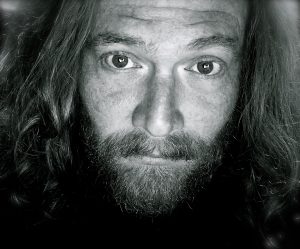 After this interview, and based on our conversations away from the show, I can safely say that Scott Matthews LOVES radio and is proud to make it his primary focus. Scott Matthews is a Radio Imaging Voice. I think I could leave it there and he would be fine with that. But alas that is not all Scott is known for. Yes, Scott is heard as Brand Voice on Radio Stations, in various radio formats, around the world. It would take me too long to list them or even list the "Big" ones. Scott is also working in TV Promo, commercial and in-show narration. We discuss all of that in detail. We also discuss his approach to marketing, training, servicing clients and a tiny, small amount of tech nerd stuff. This is NOT a tech-centric episode. I ask about the moment he knew it was time to leave his "Day job" which is something we all might deal with... now or later.
http://www.scottmatthewsvoice.com/
PLEASE visit the Show Notes page for this one. I had to gush a bit on Scott's work at 99-5 The Wolf in Dallas. My old friend Phat Matt Ganssle's production (RIP) paired with Scott and Barry Corbin was one of the most complete epic radio-branding success' in history. No hyperbole. I asked Scott for some of that audio and he came through. He also provided a bunch of studio pics and some other bonus audio.
Hope you dig this one as much as I did. I don't NEED to say it but I will - Scott is one of the good guys and I am happy he gave me the time.
After this interview, and based on our conversations away from the show, I can safely say that Scott Matthews LOVES radio and is proud to make it his primary focus. Scott Matthews is a Radio Imaging Voice. I think I could leave it there and he would be fine with that. But alas that is not all Scott is known for. Yes, Scott is heard as Brand Voice on Radio Stations, in various radio formats, around the world. It would take me too long to list them or even list the "Big" ones. Scott is also working in TV Promo, commercial and in-show narration. We discuss all of that in detail. We also discuss his approach to marketing, training, servicing clients and a tiny, small amount of tech nerd stuff. This is NOT a tech-centric episode. I ask about the moment he knew it was time to leave his "Day job" which is something we all might deal with... now or later.
http://www.scottmatthewsvoice.com/
PLEASE visit the Show Notes page for this one. I had to gush a bit on Scott's work at 99-5 The Wolf in Dallas. My old friend Phat Matt Ganssle's production (RIP) paired with Scott and Barry Corbin was one of the most complete epic radio-branding success' in history. No hyperbole. I asked Scott for some of that audio and he came through. He also provided a bunch of studio pics and some other bonus audio.
Hope you dig this one as much as I did. I don't NEED to say it but I will - Scott is one of the good guys and I am happy he gave me the time.
**ALERT/ATTENTION** I did a small giveaway on this one. I completed a new Audiobook. I am pretty happy with this one. The Variant by Justin M. Woodward. The author is very cool and probably in the "up and Coming" category but I think he is legit and will be big. I'll be doing the next in this series too! Anywho....in the intro I announce a very simple way to win a copy on Audible if you want one. I have FIVE to give away. OK - thats it! Enjoy!
Transcript
70 min read • 10,439 words
Announcer: The Producers, featuring the most respected international talent in the world of audio production and voiceover. Radio, TV, film, and online. In-depth interviews and industry insights, putting you on the inside. This is The Producers Podcast with Ryan Dreen.
Ryan: Hello there, podcast time. Thanks so much for checking it out. I know your time is valuable. I appreciate you giving me some of it, and hopefully you like radio imaging, audio production, voiceover. That is what we do. My guest today is one of the preeminent radio imaging voices in North America, though you can hear him outside of the 'Muricas, Scott Matthews. Tell you a little bit about him coming up in a moment, play his demo, et cetera. Let me do one thing that I have not done in quite a while, give something away. It's actually not me. I, I voiced and narrated— I'm getting into the world of audiobooks. I'm expanding my voiceover realm. It's more of a passion for me because I really like them, and it's something I want to get good at. But I completed one. It just got released in the last week, and I'm pretty happy with it. I hope you enjoy it. I think the book is pretty good too. It's on the sci-fi horror side of things, though I personally, as I was doing the book— I've now read it 2 or 3 times. I didn't really feel like it was horror. It was kind of an alt-reality situation going on. I really enjoyed it. So Justin M. Woodward is the author, and he said, hey Ryan, I have a bunch of, Audible codes. You want to give them away? Probably could have given them to my, like, family and friends, but nope, I'll give them to you. So I'll try to keep— I think this is the most simple way to do it. If you tweet me @ardreen and @JustinMWoodward and mention the Variant audiobook in some way, shape, or form. That's all you gotta do. First 5 people to do that— obviously, the first time anyone will hear me say this is once the podcast gets released. Doesn't mean we'll have 5 people jump on it right away, so go ahead and take your shot. I will DM each person who wins, just give you the code. You can go use it for the free book. I'll also tweet once I've given all 5 away, so I'm not gonna expect people to be tweeting about this till the end of time. Anyway, I hope you do that. It'll support the author. You know, I don't really get anything out of this except I give— get to give away 5 free books. But the author's a really cool guy. I would classify him as up-and-coming. I think he has some good stuff coming our way. Justin M. Woodward, if you want to look him up. But that's it. So if you missed everything I just said, you can rewind and figure out how to win the free audiobooks. What's coming up on the podcast? A few guests I can tell you about. Ron Tarrant, Canadian, who was recently the— what's his official title? Let's just say imaging director for the Howard Stern channels at SiriusXM. Extremely talented imaging producer. He also talks. he has a new job coming soon, but it— we'll do an interview in the meantime. Be a really cool guy to talk to, really talented, knowledgeable, and he's Canadian, so he's nice. Still haven't found a mean one yet. I know I will. Also, I just reached out to a guy who I am just such a fan of. I mean, I'm just like a little kid. I listen to the Dan Patrick Show. I hear Bob Schmidt on there every day, but he's also pretty big time in the world of voiceover. He's an LA-based voice talent, voiceofbob.com if you wanna check him out, if you're not already aware of Bob Schmidt. But he just replied to me and said he's cool to do a podcast, so that'll be fun. And then another really talented and young radio imaging producer out of Australia, Brad Leask. He's the reigning Iron Imager Champion. He beat out Sidey last year in the 2017 edition, Mike Anderson, Sideshow Anderson, who was already on the podcast. Anyway, we'll get Brad on in the near future as well. Like I said, he's kind of a young gun, but he's already got a major gig and he's doing killer stuff. So, all right, that's enough intro. Today we have, like I already said, one of the big imaging voices in North America. I couldn't even list his stations, there's too many. If you want to go check him out, scottmatthewsvoice.com is the website. And, the only thing I would say is he provided a lot of great stuff to put on a show notes page on my site, ryandreen.com. So you'll see pictures of his really cool studio and then a bunch of extra bonus audio as well. So, you know, get to that at some point. We make reference to it in the middle of the show though, so it might make a little more sense after you've listened to the show. But, whatever they say, without further adieu, here's the one and the only Scott Matthews. Scott Matthews. WFLC. Miami! Fort Lauderdale. A Cox Media Group station. Turn it up! Miami's new number one. Number one! WNOW-FM and HD1 New York. At KRPE, we believe that Katy Perry has the greatest hits in the world. I said greatest hits. And you're gonna hear them. Another power concert event. Hi, hey, Lady Gaga. Hey everybody, here we go, here we go, here we go. Now listen to the new Hot 98.1 each weekday at noon, 5, and 8. I don't know why I'm talking like this. You already— yeah, let's do this thing that we do. All right, I'm done. Tons of music, music, and nothing but music, but music. I love the butt music, baby. Someone's gonna lose their job over this, and it ain't gonna be me. Attention KRBE listener, the word Cowpatty, Spit Chew, Yeehaw, Moonshine, and Git ' Done will not be used in the following Black Eyed Peas promo. Thanks for your understanding, y'all. 93X Rocks. I did not— This President's Day, 93X Rocks has decided to honor President Bill Clinton by banging all of our interns. Here we go! Rock 92.3, everything that rocks. Tell a friend, or an enemy, or that jerk that lives down the street. Nah, don't tell him. 106.9. Probably just come by and take a dump on your porch. Rob Zombie. Korn. November 24th at the Bridgestone Arena in Nashville. Keep it here to win.
Ryan: There it is, the sultry sounds of my next guest, the one and only Scott Matthews. Scott, thank you so much for taking time out of your busy day. I appreciate you being on the show.
Scott Matthews: So now I have to— you're putting the pressure on me. Now I have to be sultry.
Ryan: Yeah, no, you already were sultry. That's the beauty of it.
Scott Matthews: Oh, okay.
Ryan: You played that demo, you were sultry. You don't have to be sultry anymore.
Scott Matthews: I love it.
Ryan: You know how many people, I'll call them civilians, you know, people that aren't a professional VO, that think most of the voiceovers they hear on TV or radio are all done with computers and processing? You know, like everybody sounds—
Scott Matthews: Yeah.
Ryan: Yes. I think people overestimate technology and underestimate what a real good quality voice sounds like. like yours.
Scott Matthews: It— no, and I appreciate that. And you know what? When I first started, even in radio, I was just overemphasizing everything and really trying hard to sound, sound like somebody I wasn't. So that was a learning process in and of itself to get to the, to the point where, you know, I sounded natural, sounded more like myself than, you know, than what I, what I thought I sounded like.
Ryan: Yeah. Yeah. Ironically, you are— you're dialed right into like my 7th question. I want to, I want to really get to that element of voiceover. But let's start from the start, if you will. Okay, so, you know what, if I'm being honest, I don't know a ton about your beginnings. I know a lot about your imaging voiceover career, but what got you started? Were you a radio guy, and was it when you were like 12, or what were your beginnings like?
Scott Matthews: It is a classic story like that, you know. I was— I just was infatuated by game show, TV game show announcers when I was a kid. And I love the— I just love the radio. I love the intimacy of radio. Even as like maybe a 7 or an 8-year-old, you know, remember having a, you know, the twin cassette deck and the radio, you know, the built-in radio. So I used to make my own commercials and pretend I was a DJ. And so I knew pretty early on what it was that I wanted to do. And then at 19, I answered an ad in the classified section of the newspaper in Williamsport, Pennsylvania. Do you remember the classified section? I don't even know if the classified section still exists. I haven't read a newspaper in like 10 years.
Ryan: I was gonna say, I don't even know if newspapers still exist. But yeah, I don't know, but I'm sure they do.
Scott Matthews: Well, so that's how it started. And then I got a job as a part-time announcer on a startup. It was a daytimer in Williamsport, which meant that we turned the station on at 6:00 AM and then turned it off at midnight. And within the first couple of weeks, the afternoon guy got himself fired, and they needed someone to fill in. And so I was a living, breathing human being, and they threw me in, and it was trial by fire. And that's how it started for me.
Ryan: Nice.
Scott Matthews: And I fell in love with the production studio. That's where I really wanted to spend the majority of my time messing around with harmonics and just doing a lot of different character voices. That's kind of served me well over the years.
Ryan: How long were you on the air? And then were you overlapping as a producer or doing production kind of the whole way?
Scott Matthews: Yeah. I spent the first couple of years in Williamsport, which is famous for being the home of Little League baseball. Yeah.
Ryan: Oh, yeah.
Scott Matthews: Very small community. And I think it's an unranked radio market, but just, it's where I grew up and learned a lot there from a guy named Scott Masteller, who ended up becoming the operations manager for ESPN Radio in Bristol, Connecticut.
Ryan: Oh, yeah.
Scott Matthews: So he went the sports direction, and I became a classic rock jock in Harrisburg, Pennsylvania, and would do a 5-hour shift, 6 days a week, and then pick up a production hour here and there and writing and producing commercials. And it was probably about 10 years in when I finally, you know, was confident enough to start sending demo tapes out to agencies. I really— this is the mid-'90s, and I thought, man, it would be great to do freelance voiceover. It's, you know, it's a shot in the dark, but let me see if I can get some interest. And I landed an agency, Abrams Artists, in New York.
Ryan: Yeah.
Scott Matthews: But at the time, this was right before MP3 technology was was prevalent. So, you'd literally have to drive. I was living in Albany, New York, doing a morning show, and I'd have to drive from Albany to Poughkeepsie, New York, pick up the train, take that into the city, then hop a cab and find wherever the studio was or the casting agent's office was.
Ryan: Hmm.
Scott Matthews: Go through the audition process. And you're stacked up against 30 to 40 other people. voiceover people, and you spent all that money on fuel and train tickets and everything else. Nothing came of it, but it was a great opportunity to learn, and I knew, even though I didn't get any jobs from that experience, I knew that's what I wanted to do. So it took me another maybe 6 or 7 years, went back into radio, was out of radio for about a year, then got back in writing and producing commercials and You know, I was a jock, and then voice tracking came in, and I was doing— wearing all the hats that everybody wears now. And then I got a break through a small core group of people when I was working for Clear Channel. You know, there was a producers' network that they would trade secrets and they would—
Ryan: I was on that.
Scott Matthews: Trade— Yeah. So for me, there were really 3 people. It was Mike Miller, who was the imaging director for Clear Channel in Harrisburg, and he was also imaging for Q102 in Philadelphia. Well, not at the time. He was doing some augmented— some work there. But Steve Sykes, who was in St. Louis at the time, and he was imaging Q102.
Ryan: Right.
Scott Matthews: And Kelly Doherty, who was in Los Angeles.
Ryan: Mm-hmm.
Scott Matthews: The 3 of those individuals, they kind of picked up on my voice. It was around the time when, I guess, Chris Corley was not doing as much radio, and there was just an opening. There was an opportunity there to at least get some auditioning done. And I landed Q102 through Steve. Steve Sykes, and then picked up a couple of more stations. And then the more that the imaging people started sharing their work, people started to ask, who's the voice guy? And there's an intangible there. It's like something that you've got to be in the right place at the right time occasionally. And that's the way it worked out for me.
Ryan: And when was it that you went on your own, that you left the station finally and went full-time on your own?
Scott Matthews: Okay, so for about 2 years, I was working full-time for iHeartMedia doing afternoons at a classic rock station. I was voice tracking for other stations within the company. I was writing and producing locally for the advertising department, and I was picking up imaging VO. And I was not working with an agency. I was doing all this myself. So probably about another year, year and a half, I had gotten up to around 15 or 20 stations on my own. And then the agencies started calling and asking if I'd be interested in working with them. At that point, I knew that I wanted to kind of hang on for as long as I could for the dual income.
Ryan: Yeah.
Scott Matthews: But at the same time, I really felt that if I was going to if I was going to make this a success, I needed to devote all of my attention to it and all of my time. So I think the magic number was 20 stations. And that's when I got to that point, I had enough to cover basically the monthly nut for me and my wife. This was before we had kids. And so yeah, this was probably about 8 years ago when I went full-time freelance.
Ryan: 8?
Scott Matthews: Okay.
Ryan: Oh, I, I did not know that. Excellent.
Scott Matthews: Yeah.
Ryan: I, so I do like to ask that question. In fact, I specifically wrote it out. I think everybody has something either tangible or intangible. For you, that 20-station mark was like, okay. After you pulled the trigger and, you know, quit your job and went full-time, how was that for you? Was there times when you thought, ooh, maybe I shouldn't have, or did it just blow up from there?
Scott Matthews: You know, I was very apprehensive. I mean, it's the fear of the unknown. You know, what happens if I leave this job? I have job security. I've spent almost 20 years doing this, working essentially for the same company. I worked for the same company. It was a family-owned company that ended up selling to Clear Channel at the time. And Clear Channel then rebranded to iHeartMedia right before I left to go on my own full-time. But yeah, But you can't allow yourself to get in that headspace, especially if you know and have known for years that this is what it is that you want to do with your life. You've got to be 110% going forward.
Ryan: Yeah.
Scott Matthews: So I focused all my energies on networking. And one of the things I did at first was I wanted to feature every single imaging producer that I was working with on my website. And I think that, you know, this is again about 10 years ago. I think that really helped me in the long run because, you know, these people are unsung heroes. The imaging producers are the unsung heroes of radio.
Ryan: Yeah.
Scott Matthews: And they don't get a lot of the attention that they deserve. And so by doing that, by featuring every single imaging producer, every station that I was on, I had their demo on my website. you know, I think at the time not a lot of people were doing that, and it, it just helped market myself.
Ryan: As well, you know, now I'm a little more primarily in voiceover, you know, as far as the income goes. But, as a person who was very primarily in imaging, I can tell you for sure, anyone who's a full-time imaging producer, it's not just that, you know, voice talents out there or other creative people, but at every level of radio, the imaging guy or gal is kind of on the front line of the station's brand. Kind of, really is, but—
Scott Matthews: Yeah.
Ryan: And the very last person to get any credit, especially when there are things to be had. Award show tickets, concert tickets, free stuff, you know what I mean? So, very cool thing that you did. I do have a question about it though, if I could. So, 10 years ago, you know, the internet wasn't new anymore. People had been, you know, websites were So, how exactly did you use doing that as a good marketing tool?
Scott Matthews: Well, this is going to not come as much of a surprise, but at that time that I started doing full-time freelance, there was really only one website that was totally devoted to radio. Radio and Records at the time was on its last legs and was going to be soon bought by Billboard. So, what Joel Denver and his crew were doing at All Access, was reaching everybody. And people would go— they made it a part of their daily habit. The first thing you would do if you were show prepping, you'd go to All Access. You'd get the notifications through your email. So, I bought an ad, and to this day, I've been advertising to this day on the All Access VO page.
Ryan: Mm-hmm.
Scott Matthews: Just to put my name out there, just to get name recognition, because I was coming in through the back door. Nobody knew who the hell I was. And I had to create some kind of awareness for myself. So I think that by utilizing All Access, and thanks to the guys at the page, you could send in your information, they put a story together. Scott Matthews, imaging voiceover guy Scott Matthews. It just got my name out there.
Ryan: Yeah, yeah.
Scott Matthews: And there are many other areas too. This was before Twitter was huge, before even Twitter was a thing, I think.
Ryan: Yeah, probably right about the same time.
Scott Matthews: I wrote it through Facebook. And then with the advent of social media becoming bigger and bigger, I kind of parlayed that using the ad on All Access. Then I parlayed that into social media accounts and seeking out other voiceover guys and other imaging guys and vice versa. You know, 'cause I still get, you know, a lot of requests from people that I don't know. I only accept, you know, friend requests from people that are in the business. You know, I very rarely will accept a friend request from somebody that doesn't have a connection with radio or voiceover.
Ryan: What about an actual friend? Do you accept those ones?
Scott Matthews: Yeah, well, that depends if they owe me money or not.
Ryan: Yeah, exactly, exactly. Or if you owe them money. Yeah.
Scott Matthews: Right, right, right, right. So, yeah, I mean, it was a pretty simple formula, to be honest with you.
Ryan: Yeah, no, it makes perfect sense. Although I have to— well, there are certain— you have a certain talent level and a skill set that makes people want to, you know, so you also have that going for you. I'll be paying you a—
Scott Matthews: I'm telling you, I spent years in just sequestering myself in the production studio. I was just a radio production geek. You know, I mean, I can't tell you how many relationships were ruined because we'd be driving in the car and the commercials would come on and they'd want to change the channel. I'd say, baby, no, let me listen to the commercials. And I finally found the right one who let me listen to the commercials.
Ryan: You're— I know you're this— you're this guy. I'm this guy. And there's a lot of people listening to this that are this person listening to the radio with the music is at nominal volume when imaging comes on or even commercials comes on. Like you just said, station doesn't get changed, the volume goes up. And that's kind of a sick person, but we're in that group of people, and that's good. We should be.
Scott Matthews: And when you hear it done right and it really hits that thing, you know, it's just— and to this day, I still love when I hear something new and somebody that comes out of nowhere and just has a new vantage point. And their own take on it. It's just awesome, man. I love it.
Ryan: Yeah, that's cool. Before I go, we're just gonna go down the rabbit hole on voiceover here in a bit, but anything else you're into? I mean, are you a music guy? You into video? You into drawing, writing, any other kind of stuff like that?
Scott Matthews: Yeah, I love music. For me, I mean, I'm a bit— I've always wished that— there used to be a show on VH1 called Rock and Roll Jeopardy.
Ryan: Yeah.
Scott Matthews: And if they still did it, man, I would love to try to get on that show. I'm just a trivia geek.
Ryan: So you could do well on Rock and Roll Jeopardy? You could do well on that?
Scott Matthews: I think so. Yeah, I think so. I'd like to try. I mean, I just— I was always, you know, again, before the days of the internet, I mean, you're stuck in the studio and you're reading Rolling Stone, you're reading Spin, you're reading all of these magazines and books about music and just soaking it all in. I mean, I've always— I loved reading liner notes. I was a liner notes guy.
Ryan: Yeah.
Scott Matthews: That's why I saved all of my albums, and I love the fact that vinyl's coming back now. So do I. Because I think that is just what is missing from music today. I mean, yeah, it's great to have a streaming service, but you can't open it up. You can't flip the pages. You can't go line by line to see where the studio— what studio they recorded this stuff in. I mean, you can go to Wikipedia and you can Google all this stuff, But to have it right in front of you and then look at the front of the COVID at the same time, and it's just, it's different.
Ryan: Well, the smells, the touch, everything, being in the store, there was, yeah. I was gonna bring this up.
Scott Matthews: I'm an old head, dude.
Ryan: Yeah, I was gonna say, it's kind of funny. I was a big vinyl guy. I used to, like when I was 12, I was a DJ, 2 turntables, et cetera. But I like now that we've come full circle, that there's probably 20 to 50 different audio plugins out there that will give audio the effect vinyl. So we've kind of—
Scott Matthews: That's great.
Ryan: Let me, let me just gush a little bit because, you know, it's gonna happen. I rarely have somebody on this show that I'm not, you know, a big fan of, but I'll just tell my Wolf story again. I've probably told it before. I'm sure I have, in fact. But I got my big job in Dallas at KSCS, and I started streaming the enemy, you know, the competition, and in Dallas. And I was like, holy— like, oh, I can't, I can't do that. Like, I can't do what's happening over there. I'm not good enough. And what it was was you and Fat Matt Gansel, the late, great, rest in peace, and then Barry Corbin mixed in. And I'm telling you, that Wolf—
Scott Matthews: So unique.
Ryan: Yeah, it was one of the most unique brands radio, and just speaking from the imaging, the music was great too, but that I've ever heard to this day. So take that.
Scott Matthews: I'll take it all the way to the bank, man. And that is another one of those early, one of those early intangible things. I mean, I— one of the first stations I was ever on was that station.
Ryan: I was gonna ask you, where did that fall? Yeah, okay.
Scott Matthews: Here I come out of nowhere from Harrisburg, Pennsylvania. No one's ever heard of me. I was lucky enough to get on this company-wide sharing site, and it was through Steve Sykes, one of the imaging guys for Clear Channel, who was friends with Matt Gansel, who had asked Steve, do you know of any new voices? I'm looking for something new. And what Matt was doing at that time, this was right when the whole new country thing was even just beginning. And so it was a CHR approach.
Ryan: Yeah.
Scott Matthews: to imaging country radio, and it really wasn't being done a lot. So it was just through that core group of imaging people that I was able to snag an audition. And I sucked, and I didn't get the job. And Matt was like, I really wish this could have worked out, man. I really love your voice. And I said, let me do it again. Let me do it again. Give me some advice. Give me some pointers.
Ryan: Mm-hmm.
Scott Matthews: And he said, don't overthink this. Just be yourself. Don't oversell. It's CHR-style imaging with a country attitude. And so, I just sat in the room and I let it just flow naturally. And the program director at the time gave me a shot and put me on the air. And that propelled me into other circles where I started getting more work because of that. Work begets work.
Ryan: Yeah.
Scott Matthews: You know, if you are open to auditioning and re-auditioning, which I was then and I am now, because I don't take any of this personally.
Ryan: Do you happen to have any of that Wolf work lying around by chance?
Scott Matthews: I have.
Ryan: I do.
Scott Matthews: Yeah. I've got demos saved on hard drives somewhere. I mean, I would love to get you some of that. Let me go ahead and compile it for you. Yeah.
Ryan: Well, I might have— I had Matt on the show, Maybe episode 4, and I was friends with him for a long time. I might have it, but if you have it— so I'll put it on the website. Let's make it easy on everyone. So, okay, but follow-up to that, how— I don't know the answer to this— how prolific— what, or maybe that's the wrong word, but what happened to you with country after that? Did you book a lot of country stations, or was that almost a one-off for you? Where did that go?
Scott Matthews: I didn't. And I think because at the time, this is 2006.
Ryan: Yep.
Scott Matthews: So we're going back, what, 12, 13 years now?
Ryan: Yeah.
Scott Matthews: Not a lot of companies were really jumping on that at the time. And the old style, the really big giant voice style was still really prevalent. And I tried to emulate that with a couple of other stations in smaller markets, and it just didn't work because it wasn't the same guy pulling the strings.
Ryan: Yeah.
Scott Matthews: You know, it has to be produced correctly. Relationships.
Ryan: Yeah.
Scott Matthews: Yeah. No, absolutely, man. I mean, it really is.
Ryan: I think having a Barry Corbin also really just set it off like that. That was what— I mean, you could have— you did it perfectly, but really it could have been any version of Scott Matthews paired with Barry Corbin in the largest country market. It was just— yeah, it was great.
Scott Matthews: Yeah. It was right place, right time. And yeah, he is just, you know, his voice is— it's a caricature of that Southern Texas guy. But those people exist. Those are real people. For people outside of Texas, they think, oh, that's a cartoon character.
Ryan: No, that guy exists. You hear it here, it's genuine. It's not funny. It's not funny at all. No one's listening to what that was and went, oh, that's a funny character that they— It's not. Not the way it comes off, yeah. All right, well, I could talk about—
Scott Matthews: I could never pull it off. I could never, you know, I've been asked to try and pull off something like that and I could never do it.
Ryan: Let me go here and then I'll go back to a couple read questions I have. An average day for you though, I know you said you got to about 20 stations and decided it was time to pull the plug on the day job and go. I don't know generally a station count or how much work, but when do you get up? When do you jump in the booth? How long are you there and what types of work are you doing throughout the day?
Scott Matthews: For the most part, you know, I, I have been comfortable between 50 and 80 stations.
Ryan: Okay.
Scott Matthews: I've been very fortunate. I work with a great agency, who does a lot of marketing for me. Like I said, you know, I really, networking comes naturally for me. I love, learning from, from other voiceover guys. I love hearing from new and up-and-coming voice people. and it's really cool that, you know, The tables have turned a little bit in the 15 years because I was just reaching out to everybody for advice. And guys from Brian Lee, Jeff Berlin, Mike Bratten, a lot of these people that, you know, I was really a fan of their work. And they were all very gracious and got back to me and, you know, helped me along. And now, you know, I'm able to do that for other people that, for whatever the reason, you know, have found something in my work that they, that they like, and, and it's really cool. So not sure where we were before that.
Ryan: Yeah, let me take you back just to give— people are interested as far as your day looks like. You're— how many hours are you voicing for in the day?
Scott Matthews: So basically I get in the studio around 7:00. I've got 2 kids in elementary. Oh, I've got a 10-year-old in 4th grade and my son is in 7th grade. So I'm up with my wife. We're getting the kids ready for school. I'm starting to get my voice warmed up. It takes me a while. So at about 8:30, 9 o'clock, I'm on mic. And then from there, it's just, you know, going through email and working, you know, in time zones. I mean, I'm lucky enough to be on the air, you know, across North America.
Ryan: Mm-hmm.
Scott Matthews: From the East Coast to the West Coast. So I try to Try to get all that stuff out as fast as I can. And then, you know, we're lucky that we can audition for new markets. There's a lot of auditioning that goes into it. So, it's almost like regular banker's hours.
Ryan: Mm-hmm.
Scott Matthews: I mean, I'm on the mic at around 9:00, and then I'm usually working anywhere from 3:00 to 6:00, depending on what the volume of the day is. You know, I take breaks here and there and occasionally go out and do some stuff.
Ryan: Go see the outside world on occasion.
Scott Matthews: Occasionally. I break free from my basement enclave.
Ryan: I would have mentioned this in the intro. I haven't recorded the intro yet, of course, but you provided me some solid pics of the studio. I love the design. I mean, I'm going to say simplistic in the nicest possible way. It's in a good thing. But some great studio pics up there. I'll ask you about a little bit of your tech.
Scott Matthews: I had a, you know, one of my best friends was the engineer for Clear Channel here, and, you know, we bought this house knowing that I wanted to put a studio in. We didn't go full bore. There's— they're not floating floors. It's not a completely soundproof room, but I wanted a place where I felt comfortable and I wanted something that made me feel like I was a player in the game, that I wasn't just in my closet anymore. And I had enough money saved that I could spend a little bit extra and get some of the gear that I wanted. And admittedly, I was a little preoccupied in the beginning, man, with trying to find the perfect mic preamp combo.
Ryan: Yeah, let's talk some— let's continue the tech then right now. I know we don't want to do a lot of tech in this one, but so People are going to see the pictures. I think I'm seeing— is that a TLM 103 I'm seeing?
Scott Matthews: Yeah. I started out using the TLM 103. That was— at the radio station, we were using RE20s and Shure mics. And it was Nick Daly, who produces for Glenn Beck's Mercury Radio now, but he at the time was at FLZ in Tampa. And he said, you got to get you got to get at least a TLM 103.
Ryan: Yeah.
Scott Matthews: Which is a great introductory mic for voiceover people because, you know, the price point, it's right at around $1,000 and you could find them good secondhand a little bit less than that. And you're not going to spend a ton, but you're going to have a really well-designed mic. So that was my workhorse for a bunch of years. And then after listening to everybody else and seeing, you know, all the studios, that shotgun kept showing up, right? That Sennheiser 416. So I finally experimented with that, and that's what I'm using now for the most part.
Ryan: So you went to the 416 just like the rest of Earth then?
Scott Matthews: Yeah, I did. And, you know, I get a lot of compliments on it. It's just very clean, and it's just, you know, it can handle everything that I throw at it. I mean, depending on, you know, the gain situation, if I'm doing, you know, like a trailer or a promo type read, if I'm doing like an uptempo CHR promo, You know, it can take anything you throw at it. So yeah, that's why it's— it is what it is.
Ryan: It's come up on this show a ton. It's got to be the number one mic to recommend to anybody who's wanting to spend about $1K on a mic, just because you can beat it with a hammer. It also sounds about as good as anything in that price range and probably on up into the $2,000 price range.
Scott Matthews: But you can also use it as a hammer.
Ryan: Yeah, I was just— yeah, I travel with it. I actually bought a second one because, you know, I was going to invest some money into a different kind of mic and I was testing some. And for me, there just wasn't really a better option at that range. And now I have the mic in the studio and the mic for the travel rig, and I'm never without my 416 and I never accidentally leave it behind.
Scott Matthews: That's amazing.
Ryan: Yeah.
Scott Matthews: Right on.
Ryan: Yeah. Highly recommend. I don't—
Scott Matthews: you know what? That's something that I've had conversations with people about, the travel setup. I'm one of those, maybe I'm old school, but when I go on vacation, I don't wanna work.
Ryan: Oh, that was gonna come up. Okay. So how do you get away for a week?
Scott Matthews: It's not easy, but I plan, I usually plan a month in advance and I just, I set that ground rule for my clients. And no one has ever given me any grief about it. I've missed auditions. I've missed, you know, some things that were needed immediately. But wherever I go, you know, I've always told people I can find a studio wherever I am. Since, you know, the last couple of years, I have purchased a travel rig. I take a MacBook with Pro Tools. You know, I've got a RME Babyface Pro that I use as my interface, but only like in emergency situations.
Ryan: So you're not advertising it?
Scott Matthews: You know, when I need to do a last-minute thing and I gotta— yeah, no, no. And that's one of the— another one of the main reasons why I wanted to work for myself. I was tired of working for other companies where I really didn't feel that my worth was, you know, was appreciated. I was wearing many different hats, which, you know, this is so relatable in today's industry. You know, there's so many people, you know, that are doing the job of 3, 4, 5 people. And so, I said to myself, you know, when— if I can finally get to that place, you know, where I'd be lucky enough to work for myself, I'm gonna set some rules. I'm gonna enjoy some vacation time.
Ryan: Yeah.
Scott Matthews: I'm not gonna take work with me. And I've been lucky enough that people have let me get away with that since I've been doing this.
Ryan: I think I'm going to make a good transition here, but speaking of many different hats, and even though you're on your own, I assume you're not just focused on radio imaging. What else are you doing on the voiceover side or in voiceover? Let's start there. What else are you focused on?
Scott Matthews: Well, I've been doing a lot of auditioning for network promo. I've done work for IFC Channel, Nickelodeon.
Ryan: Mm-hmm.
Scott Matthews: I just— the last couple of years, I've done work for the Kids' Choice Award campaigns. I auditioned for narration jobs. I had done a series, a reality series for History Channel a couple of years ago.
Ryan: Cool.
Scott Matthews: You know, radio is my first love. It's what I was passionate about as a kid. So I feel most comfortable in working within that area. But I've been given the chance, you know, by working through an agency of venturing out a little bit. I'd like to get into all the different areas. I mean, there are some really hardworking voiceover people that have demos for every area of voiceover work. And I've just— I've been able to be successful, at least in my mind, by really just focusing on one thing. It's kind of my niche is doing the— doing radio imaging, but I enjoy, you know, the aspect of being able to pick up some promo work here and there.
Ryan: And—
Scott Matthews: I'd love to do theatrical trailers at some point, but there's coaching involved, there's management that needs to get involved, there's a lot of different factors, and you really don't want to go at it half-assed because, you know, you really only have that one chance to make a first impression, and I'm not at that point yet.
Ryan: So next to radio imaging, would you say so far the promo work has been kind of your second tier as far as what you've been working on?
Scott Matthews: Yeah, absolutely. And then series narration, which I, you know, would love to do more of.
Ryan: Yeah, that's very cool.
Scott Matthews: I'm a big fan of Big fan of narration people, and I have many friends who do narration.
Ryan: I gotta ask you about that. The muscle, you know, the vocal muscle that is radio imaging, the delivery for your typical announcer. I mean, I know that there can be a lot of acting in the radio imaging, and all the outtakes we kind of want from our voices, but, you know, the series narration, it's a much different beast.
Scott Matthews: What—
Ryan: did it just come to you naturally? Did you put some work into getting yourself prepared for that? How did you get into that and do it well?
Scott Matthews: You know what? I tried coaching, and I'm just not— I'm a very sequestered person. I'm not— I don't come from an acting background, and my personality isn't that huge. So, you know, I'm very closed off, and I found it really hard to give the coach what they needed to be able to work with me.
Ryan: Yeah.
Scott Matthews: So, what I've done and what's been successful for me is to listen to other artists. constantly listen to demos and have since the beginning, picking apart what other people do. And those techniques that I really feel are successful for them, I'll try to incorporate in my audition reads.
Ryan: Mm-hmm.
Scott Matthews: And it's such a subjective thing to audition for these projects because you're up against 100 other people, and there's really just a series of a few producers or casting directors that are making these decisions. And, you know, it's like fishing, man. I mean, you could be out on the water for an entire day and get 1 or 2 hits and not reel in anything. And I got lucky with this particular project and worked with a really great producer, a British producer who worked with me in those sessions to give him exactly what he wanted.
Ryan: Is this the History Channel show?
Scott Matthews: Yeah. He let me make mistakes and basically said, okay, let's stop for a little bit. You're going back into your radio mode. Let's just take a little time. And we'd just have some conversations, and he'd spend a little extra time with me knowing that this was new to me. So I really appreciated that. And in the end, I think the product was pretty good.
Ryan: I think I can't be the only one curious. So a show like that— I have never done a long— I've done a lot of narration, nothing like that. So, an episode of these hour-long episodes, and how long would it take you to do one episode, and everything was in a remote studio? Is that—
Scott Matthews: Yeah, I would— this was before I had a remote setup here. In fact, in the area where I live, they don't even service ISDN anymore. And this was, I guess, I just really was uncomfortable with Source Connect because I'm not a technical guy. We worked out a situation where I would drive about an hour and a half to Philadelphia and work in a studio there. The production studio was actually in— the mastering studio was in England.
Ryan: Okay.
Scott Matthews: So, we're dealing with a time difference, but it would take probably 4 hours, 4 or 5 hours to work on that hour-long series.
Ryan: Maybe that's twice as long for what a normal experience is, But they gave you that time to work through some of that, a little bit growing and figuring stuff out. And they also clearly understood that your background was on the radio imaging side, so you were going to be bringing some of that with you, and they were ready to clear some of that off.
Scott Matthews: Yeah, it was just the way that I read in the audition. It was the natural, the timbre, the smokiness of the voice. It was just— what they were looking for was kind of a younger, modern version of the Dukes of Hazzard style voiceover. So, you know, I kind of fell in the middle somewhere.
Ryan: What show was it? I'm sure you can tell me what show it was. I might have seen it.
Scott Matthews: It was a car makeover show. It was kind of like West Coast Customs. It was called Lipu and Pitbull, and it was a— I think a 10-episode series that didn't get picked up for a second season in America, but is doing well in other countries. It was a Bangladeshi auto body fabricator who was working with an Italian guy from Long Island. So it was 2 worlds colliding, and it was an interesting concept.
Ryan: You hinted at this, and your time is tight. I wanna get this thing wrapped up so you can go back and make that money. But you hinted at this before. So I wanted to get your take on this, something that I've had to learn, that I had that stench of radio on me as I've moved into the commercial world and narration and not radio reads. But one thing that I would say some voice talents have is, I want to be that. I want to sound like that. I want to do that read. I want to figure out how to— I want to do the Scott Matthews read and then get hired for that. But at some point, you learn you need to be the best you. Just do the best— For you, was there a moment? Was it a long— Was it a process? Was it instant? Was it— Did that happen to you where you stopped and went, all right, stop trying to be anything else. I'm gonna be the best Scott Matthews, and then win with that?
Scott Matthews: I kept hearing— I kept getting the same advice over and over again. Don't— You sound like you're forcing it. Don't force it. You know, I read Joan Baker— There was the book about radio voiceover, Joan Baker and Joe Cipriano and a lot of these— legendary industry people put this book together. And I think it was Joe Cipriano who mentioned in the book, you know, you've got to find your natural voice. You've got your own natural voice that is different than anybody else's. You know, a lot of times I was caught up with trying to emulate other people or trying to duplicate a sound that somebody else was looking for.
Ryan: Mm-hmm.
Scott Matthews: You know, and that's, that's the tricky part is trying to be yourself, especially when a producer or an imaging person or a program director is asking you, to sound like somebody you're not. You know, you've got to— you have to find that middle ground, and it is a process. I mean, I don't know if anybody can, can just, you know, flip a switch and make it happen overnight, but for me, it's been years, and I'm a work in progress, brother.
Ryan: You still, you know, you still consider yourself a work in progress?
Scott Matthews: Yes, still trying to learn. Absolutely.
Ryan: It's interesting. That's cool. I feel like you have a unique sound. I think most people would say, yeah, that's That's the Scott Matthews sound. But I understand that. I understand that. Yeah, I get it.
Scott Matthews: And I can say that about you because I live in a city that finally has an alternative radio station after so many years of being without one. And I'm listening and I'm like, who is this guy? He sounds so unique, but he sounds familiar at the same time. And it's you!
Ryan: Yeah, that's funny.
Scott Matthews: Yeah, that's a new one. So, we have that in common because I also voice that frequency. in another incarnation. So we're like brethren in that sense.
Ryan: Oh, excellent.
Scott Matthews: That's cool.
Ryan: Hey, we're frequency brothers. It's almost like blood brothers, but—
Scott Matthews: Yeah, absolutely, man. You sound great on that station.
Ryan: I appreciate that. Well, you know what? We've gone a while here. I have a few other things to bring. What's your time like? Can we go a little bit longer?
Scott Matthews: Absolutely, yeah.
Ryan: Okay.
Scott Matthews: We kind of covered— Hopefully people aren't clicking off. Will you be able to see the metrics for this at some point?
Ryan: I don't look at that crap. What do I care? I'm not selling this thing. I do this as, you know, I'm giving back to society, so they can listen or not. Turn me off. What do I care? No, they will not be tuning you out, man. This has been good. I want to talk about specifically about the announcer read. This is kind of the last main area I wrote down, but I've always struggled with that because, you know, lately the trend is, you know, it's not that old-school announcer anymore. It's You know, even things that are technically an announce are more natural, but yet— so, let me start out with this. You get audition copy. Clearly, it's an announcer tag, or it's an announcer read, and it doesn't matter what it's for. How— do you do something when you break down copy? How do you decide how announcery to be? Is that even a comprehensible question?
Scott Matthews: It is. And again, for me, it's like those— there are, and I'm sure many different coaches will tell you this, there are specific techniques to be able to do that. I just rely on the little bit of experience that I've had with working with different people with different styles in coaching and in programming.
Ryan: Mm-hmm.
Scott Matthews: So, I try to deconstruct stuff. A lot of times, I'll spend maybe 10 minutes, 20 minutes on an audition, and then listen back to it and completely destroy it.
Ryan: Yeah.
Scott Matthews: And just erase it and go back and do it again. And a lot of times, I'll tell that to a program director, and they'll say, we just— we want you just to open the mic and just do it that way. So, that's the first thing. Don't feel like you need to be perfect. 'Cause you don't know. 'Cause again, it's a subjective art. You don't know specifically what people are looking for. So, you know, you just play around with it. I mean, I can't give you any specific stuff from my own perspective. It's just something that kind of— either it works or it doesn't. You know what I mean?
Ryan: It probably goes back to just being the best you and then dialing, you know, a little more of a firm read to a conversational read? It's probably a terrible question is actually what it was. I was probably trying—
Scott Matthews: No, but you know what? The problem that I've had is when I will be sent an example of another announcer, they say, we want you to sound similar to this.
Ryan: Yeah.
Scott Matthews: And I will spend forever trying to emulate that, and I just can't, and it's futile. So that's what I hate the most. when someone will say, can you kind of sound like this guy? You know, 'cause then I'm like, oh, man, here we go. It's just— maybe something tightens up in me, and maybe that's part of the issue. I don't know. I'm still working through it. But everybody has their own process.
Ryan: I know in the commercial world, anybody who auditions, especially national stuff, you'll get the, we want the Denis Leary read. That was a huge one. It's gone away in the last maybe year. I don't see— then nobody wants Denis Leary anymore. But I swear for 10 years—
Scott Matthews: I've been asked that.
Ryan: Oh, I mean—
Scott Matthews: I've gotten, can you give me the Denis Leary read? Another one that's very popular is the Sam Elliott read.
Ryan: Yes.
Scott Matthews: Can you be Sam Elliott?
Ryan: Well, and then Morgan Freeman is— Morgan Freeman's the ridiculous one. I mean, you know, you want the million-dollar voice for, you know, $237. Okay, yeah.
Scott Matthews: That's another area of voiceover that seems to be kind of a niche for people is voice copy or— because a lot of times you'll hear spots that sound like Morgan Freeman is voicing the spot, but it's not Morgan Freeman. It's somebody who can sound exactly like Morgan Freeman. And I've never been good at doing impressions. I'm not an impressionist. There are some things that maybe I can get close to, but when anybody asks me to do an impression, I just tell them it's not gonna happen. It's just— I wish I could.
Ryan: Yeah.
Scott Matthews: I hate pointing out the things that I can't do, but let me show you what I can do.
Ryan: You know what I mean? Yeah. Staying kind of on the read, how much range would you say you have though? Obviously, I know a number of your different styles, but do you feel like your range is wide, or are you more comfortable keeping yourself locked in a smaller box?
Scott Matthews: No. I mean, my natural speaking voice is, you know, I mean, I have a deep voice, but I've been able to try and young my voice up a little bit.
Ryan: Have you?
Scott Matthews: I mean, I do other voices where I bring my— you know, I'll bring the voice up here, you know, and then we're, hey, what's going on, man? You know, it's almost like we're surfer dudes. And you hear these voices, you know, when you get to that point, you don't want to overdo it. I mean, I hear a lot of voices that are doing this, and the S's become SH's. You know, it's like, shuper, a shuper shale. And so you just got to find something that you're comfortable with in trying to bring out those different voices.
Ryan: What about the deeper, darker stuff? Has there ever been a time where they needed something low, deep, dark in that drama realm that you actually weren't able to get to? Or have you not found your limit in that area?
Scott Matthews: Some I've not been able to, yeah. And that comes down to— being able to best interpret the copy.
Ryan: Yeah.
Scott Matthews: Again, there are acting techniques that are involved a lot of times, and I'm not an actor, and I've never had formal training, and I'll be the first to admit that. But from a radio imaging standpoint, if the deep read is going to be excessively filtered and they're looking for something that's just crispy as hell, that's really going to cut through the processing, that's my bread and butter. That's something I'm really, comfortable with doing, and that has helped me, having that as a kind of a natural benchmark. That's helped me in my career.
Ryan: Do you find you have enough extra time to spend going after new— not new stations or new in the world you're already in, but new work? For example, you mentioned trailers before because there's a fine— or not a fine line, there's a dichotomy of keeping focused on the clients you have and not letting any of that suffer and taking the time to expand yourself? Are you finding you have the time to move on to other things like you said you want to?
Scott Matthews: Sure. The problem for me, Ryan, is not finding the time. It's finding the motivation.
Ryan: Okay. That's a good one to talk about.
Scott Matthews: I really have— yeah, I've gotten very comfortable in— I'm in a comfort zone. And I've talked with not just my agent, but other agents about this. You know, sometimes it's beneficial to break out of that comfort zone because, you know, you could reach heights that you never thought you could reach. I know what I want to accomplish. It's just right now, I love being around my kids. I love spending as much time with my family as I possibly can. You know, last couple of years, we didn't take vacations.
Ryan: Yeah.
Scott Matthews: Because there was just a lot of work and there's a lot of excessive stuff going on behind the scenes. But we're, you know, we're going on our first family driving vacation this summer. We're taking the family wagon from Pennsylvania to Key West and back again.
Ryan: Cool.
Scott Matthews: And I'm not planning on taking my travel rig with me. We'll see how that works out.
Ryan: Yeah.
Scott Matthews: I might need to pop in, you know, a friendly market here and there to, to do some emergency stuff. But, you know, I, I do have the time. It's just finding the motivation to do it. That's tough, you know.
Ryan: Let me ask you 2 more then, because that one is a good one. I hear that come up a lot, and it happens to me, you know. I'll get, I'll get, you know, I'll get going for a few weeks, and then suddenly I'm just not in the mood to, you know, I just need to take a break from it all, you know. But really, I should be putting the work in. How do you kick yourself in the ass and keep that motivation going and do the work?
Scott Matthews: What motivates me more than anything is hearing new voices, hearing people that, you know, are— that I haven't heard before, that are picking up gigs that I've auditioned for, or for jobs, or, you know, for formats that I was interested in breaking into. And I feel like, okay, I can't— I gotta get on the horse. Yeah, you know, I can't lay back now. I've gotta I've got to experiment and cut some new demos. And, you know, and, you know, I come from that background where I'm able to, you know, I'm able to edit and produce at a certain level. I'm certainly not at the Ryan Green level or, you know, the Kelly Doherty level.
Ryan: Sure.
Scott Matthews: I know my limitations. But at the same time, I do realize that when I want to move into another field, I've got to have a demo ready to go and it's got to be good. It has to be diverse and it has to be spot on. So I will be working with other demo producers because I know that I have those limitations and there's so many great people that are out there that are producing now. I mean, there's just unlimited potential for anybody in voiceover to do many different things, wear many different hats within the industry.
Ryan: Absolutely. Well, let's get down to the last one. I don't know if you're aware of what I'll ask you last, but I will ask it. And you might have already thought of an answer. For a young up-and-comer, I like to say somebody that's trying to steal your job, give them some advice to be successful doing what you do.
Scott Matthews: I think it's kind of universal. We touched on it earlier when talking about trying to stay within yourself, not trying too hard to be somebody that you're not. But if you want to be— let's just focus on somebody who wants to be in radio imaging. You have to have a great demo. And if you're not able to tell yourself, I can't produce a great demo, you've got to find somebody who's willing to do it for you. There are so many young kids today. I mean, you see it on these reality shows like American Idol, they think they can sing. They think they're stars already. I worked with a girl, she was in her early 20s. It was her first job in radio. She was doing overnights. She thought she was gonna be the next Howard Stern. That's what she said. I'm going to be the female Howard Stern. I don't know where she is today. I wish her well. I sure as hell know that she's not on the radio anywhere.
Ryan: Yeah.
Scott Matthews: So you have to know your own limitations. But you definitely, you have to invest in the proper equipment. You also have to be able to listen to others, be able to take input, be able to seek out those that are going to give you— that aren't just going to tell you, you know, you sound great.
Ryan: Exactly.
Scott Matthews: That sounds awesome. And it really doesn't. You gotta be finding people that know what they're talking about and that are honest. And if you're afraid of reaching out, if you're afraid of networking, then you really don't have a great chance at being successful in anything, really.
Ryan: Yeah, man. That's great advice. A lot of great advice there. Bonus advices. scottmatthewsvoice.com. They can check out your website. You got good demos there too. So I posted or played the scoped imaging demo to kick us off there. But they can hear other stuff, imaging but also not imaging stuff there, and they can get in contact with you there as well, I suppose. That goes to you, right? Not just to Nate or something?
Scott Matthews: That goes right to me, not to the Russian bot farm.
Ryan: Oh, good.
Scott Matthews: You'll be getting me directly.
Ryan: Good, good, man. I think we covered it. Hey, I appreciate it. I, you know, just thank you so much for being on the show, Scott. I really appreciate your—
Scott Matthews: I tell you, I'm really humbled. I'm humbled by it because, you know, a lot of my heroes have been interviewed by you. And when you sent me the email saying, I'd love to have you on the show, I was like, are you sure you know who you're emailing?
Ryan: Yeah, I knew.
Scott Matthews: Are you reaching out to the right guy? So thanks so much, man. It's been a pleasure, Ryan.
Ryan: Right on.
Announcer: Contact the show, contribute your opinions, see additional content, or simply stay connected at producerspodcast.com.