Episode 119: Bob Schmidt
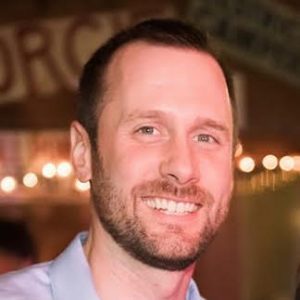 Bob Schmidt is the voice of the Fox Sports Radio Network, The Dan Patrick Show, AM 570 in LA and countless other (mostly sports) stations and shows around the US. Bob is also...yes ALSO... an extremely talented Radio Imaging Producer. He produces AM 570 in LA, calls that his home base and has been in that role since 2004. I will admit I just didn't know much about Bob before I reached out. As will become clear if you listen to the show, I pretty much ONLY knew that he did the Intros for Dan Patrick which I listen to everyday. We talk about his world, the industry and his day to day routines. The chat was a bit sports heavy (duh) but we didn't get all "stats-y" or muddled down in the details like a sports talk show. Until today I have spent almost ZERO minutes of this podcast focusing on sports imaging! Not ZERO but not NEARLY enough! I was failing that part of the industry...but no more.
Check out Voice of Bob website for a bunch of other demos and to grab info on Bob himself.
Bob Schmidt is the voice of the Fox Sports Radio Network, The Dan Patrick Show, AM 570 in LA and countless other (mostly sports) stations and shows around the US. Bob is also...yes ALSO... an extremely talented Radio Imaging Producer. He produces AM 570 in LA, calls that his home base and has been in that role since 2004. I will admit I just didn't know much about Bob before I reached out. As will become clear if you listen to the show, I pretty much ONLY knew that he did the Intros for Dan Patrick which I listen to everyday. We talk about his world, the industry and his day to day routines. The chat was a bit sports heavy (duh) but we didn't get all "stats-y" or muddled down in the details like a sports talk show. Until today I have spent almost ZERO minutes of this podcast focusing on sports imaging! Not ZERO but not NEARLY enough! I was failing that part of the industry...but no more.
Check out Voice of Bob website for a bunch of other demos and to grab info on Bob himself.Transcript
90 min read • 13,476 words
Bob Schmidt: The Producers, featuring the most respected international talent in the world of audio production and voiceover. Radio, TV, film, and online. In-depth interviews and industry insights, putting you on the inside. This is The Producers Podcast with Ryan Dreen.
Ryan: Hey, thanks for checking it out. Podcast time is back. We are coming a little bit sooner than normal. Well, that could be a bad word. That's a weird way to say the beginning of this show. I'll leave it there. Why not? We are bringing a new episode quicker than normal. Yeah. Scott Matthews was the last episode. If you haven't listened to that one, please check it out. I had a blast talking to Scott. A lot of great insight. And he's one of the big-time voices. Normally, you know, I'm a solid at least 2, if not 3 or 4 weeks between shows. But Bob— I reached out to Bob Schmidt, this week's guest, and he said, hey, man, yeah, let's do it. How about Thursday? I'm like, Thursday? Wow, that's fast. Okay. That's the draft, though. Yeah. sports imaging guy. That works perfect. And then of course, sometimes I'll do an episode and space them out to give, you know, every show its breathing room. And it didn't make any damn sense. How can I sit on an episode with one of the biggest sports imaging humans on earth on the NFL Draft weekend? Makes no sense. So I had to put the show out now. Bob Schmidt is the voice of Fox Sports Radio Network, AM 570 in LA. He is like the Dan Patrick Show, Big Time Show, Those are the big sports networks, and then countless stations around the country. And then he also is a really talented imaging producer, which quite honestly, when I reached out to him, I did not know that. I think I get into some of the things I did not know in the show, so I won't go over them right now in the intro. I'll play you some of his audio in a minute. Let me quickly promote Ron Tarrant, extremely talented Canadian producer who was the imaging producer of the Howard Stern channels on SiriusXM. He's gonna be moving on to a new job. We'll have his interview coming up. very soon. And then another young gun in the industry who is real good, he's the reigning champion of the Iron Imager. He'll be taking on the new challenger, in fact, from when I'm talking right now, in just a few days in LA at the Worldwide Radio Summit. Brad Leask will also be on the show soon. If you're going to be at the Worldwide Radio Summit— why can I say— not say that very well? I'm going to be there officially, 100%. So please come say hi. Maybe we can have a beverage or just chat or— Shake hands, or you can throw coffee in my face. So please don't do that. That'll do it for now. Intro nice and short, hopefully. Bob Schmidt is the guest. I already mentioned his credentials, voiceofbob.com, and we get into, all kinds of details about what he does, his day-to-day, 14 years at the same station. And he's one of those guys that, started off in a smaller market and then boom, LA. And then he's still there. And, I'm gonna play you his, his demo again. voiceofbob.com. So much more audio to hear though. If you're a fan of what Bob is doing, so much more to hear on his website. This is, I think, like 2 minutes of some of his brilliance. At one point when I first listened to what he sent me here, I slapped the table and laughed out loud. I actually slapped the table like some sort of idiot. But, so thanks, Bob, for sending me this great audio. Here's the demo from him, and then next, the interview with the one and the only Bob Schmidt. It's over. That's enough of this. Maybe you're a person people tune out. I do not hate LeBron James. Whatever, dude. It's probably because you open your mouth and word diarrhea pours out. LeBron, what has happened to you? Tune out. Turn it off. But good news! Smart speakers have to listen to even the dumbest people. Skip! So use yours to get better sports talk. All hands on deck! Y'all sit right back and you'll hear a tale, a tale of a team that's blue. They're kicking ass and taking names, 'cause that's what Dodgers do. And then the Pittsburgh Pirates— Yarrr! —who know a thing or two— Aye! —about how they can lose some games. Probably 3, definitely 2. Arrr! She blows! What are you looking at? Ah! Nothing! Just looking at box scores! Hey, it's Clay Travis of OutkickTheCoverage.com. Just like pornography, you're probably used to seeing me on the internet. I don't know what you're talking about. Well, weekday mornings now you get to wake up to the sound of my voice. Well, the Dodgers will be playing consecutive elimination games. 29 years. Players look at one another and say, yeah. Waiting. I'm gonna be ready for this game. Hoping. The Dodgers are a great ballclub. Wanting. Dodgers had them in a good, good spot. Game 7. The World Series. It's the World Series. You, Darvish, will be the star tonight. I know we're gonna finish it. I know we're gonna win the World Series. We have coverage leading all the way up. All-day coverage on the home of the blue. It's amazing. You can taste it. AM 570 LA Sports. Home of the Dodgers.
Ryan: All right. Now, to me, my guest today is, is just something of a celebrity to me. I'm just such a big fan, and I honestly knew very little about him except for I heard him every single morning for the last few years. First, Bob Schmidt, thank you so much for joining me. I appreciate your time.
Bob Schmidt: Thank you for having me, Ryan.
Ryan: So, I don't mean to gush, you know, too much there, but, I just, to be totally honest, didn't really know who you were. And, you know, you're big time, but I knew— I heard you. I listened to Dan Patrick every morning. And those intros are great. And so I'll just start there. I just love what you do on the intros of the Dan Patrick Show. So there you go.
Bob Schmidt: I appreciate that. That's one of my, you know, you have those jobs that are, you know, sometimes more fun than other ones. And those guys, those guys are all great because they give me a lot of latitude to just pretty much do whatever I feel like doing.
Ryan: Yeah. And working on a platform like that too, you probably feel it, you know, when you're producing and voicing and writing You do everything for those intros every day?
Bob Schmidt: Yeah. Yeah. I mean, basically it'll be, I'll pay attention to what's happening in the show. And then if there's something I feel passionately about or that I found amusing, then I'll kind of construct an open and my, basically set to whatever time the TV people typically have. And then I'll send it over to them and they run it or they nix it if it's, you know, too outlandish, but that doesn't happen much. Usually there's enough time for me to change whatever offended whoever.
Ryan: that's funny. That was the third thing I had written here. I've heard there have been some they couldn't run. Is that true?
Bob Schmidt: So, I mean, there definitely is. There definitely is that. But like, for the most part, they don't really get that angry if I, if I fail periodically because That I'll try to do. It's not like a formal arrangement I have in terms of the structure of how I do the open. Sometimes they're very topical, but a lot of times there's just recurring themes on the show. Like say one of the producers is, they get on him about his bathroom habits and stuff.
Ryan: Mm-hmm.
Bob Schmidt: And those types of things, if they make it into an open, that open can be reused in a pinch because it's very you know, evergreen.
Ryan: Evergreen, yeah.
Bob Schmidt: So it's been, you know, 7 or 8 years now of Opens that most of them, they'd be able to, you know, find something to plug in that would work. The only thing that changes that, obviously, on the producer's end is clearances and library licensing, and sometimes that renders old things invalid. But for the most part, they're pretty good about Keep trying. And if we reject it, just don't take it personal. And so, yeah, some I'm really happy when they hit and then others I'm like, well, okay, maybe I just went out just a little too far, but I'm still— it's still nice just to have people who will let you take some chances and who don't get upset if you miss the mark.
Ryan: Yeah, that's— oh man, 2 of those statements are great. But also I just think of the platform. The missing a mark or being able to take a chance and they print it, so to speak, on a platform of that size. That's also important.
Bob Schmidt: Oh yeah. I mean, that's one of the things that it's hard to even wrap my head around with those guys is that it is on TV and it is on a nationally syndicated radio show, but the way they operate is very much in that mode of empowering the individual people to do their jobs. And you don't find that a lot. So it's nice when you get one of those jobs where they treat it like, well, we hired you to do something and we trust that you'll do it.
Ryan: Yeah, that's cool. Well, I could probably talk to you about the intricacies of making Dan Patrick Show intros for a while, but you do great work on that. I actually, I've listened to the demo I played from you just there a moment ago a couple times. It just made me crack up a few times, but I can't remember, did you put a Dan Patrick Show intro on that? Do you remember?
Bob Schmidt: I think, I just can't remember right now. I don't remember. I think one of them was, I know there was some Dodger stuff. I know there was a Clay Travis thing.
Ryan: And Cowherd.
Bob Schmidt: Yeah, Cowherd. Yeah. Hey, you know what, I might not have, but a lot of times that's just because, I was going through different types of production, you know, whether it be like, oh, this is a straight one, this is a parody song thing. Yeah. And, there's a lot of Dan ones that I'm like, because I have you know, more time to play with. Those are longer form than a typical radio imaging piece. A lot of times I'm like, well, these aren't demo-friendly because you either need to know backstory to a show or you have to listen to the whole thing. Because, you know, I don't know if you're the same way, but I sometimes— if I— I'll write a whole parody song and like the whole thing will be about misdirection. So if you don't—
Ryan: Sure.
Bob Schmidt: Or it'll be like I'm building to one turn in the middle of it.
Ryan: To one heel turn or something.
Bob Schmidt: Exactly. And it's like, if you don't hear the whole thing, I feel like you lose the gist. And then I'm like, well, I can't play that ever again. It's just, you know, the only people who get it are the ones who were there when it went down.
Ryan: It's great to make inside stuff like that though. 'Cause, you know, I mean, you're on an inside joke with, you know, millions, I assume, with everywhere they're heard and seen. We're talking millions of people, but it's an inside joke often with— so the intro could be a minute or however long, minute and a half, 2 minutes. And, if, if my fiancée heard it, she would just be like, what in the hell did I just hear? I don't understand any of those words. And meanwhile, you know, I'm over here pissing my pants.
Bob Schmidt: Well, there's def— there's definitely like, even today I found there, there was— I have this one fill-in host of, on Dan's show who I have this relationship with where I'm just really mean to him all the time.
Ryan: Which one?
Bob Schmidt: Chris Mannix.
Ryan: Mannix. I was gonna say Mannix. It had to be Mannix.
Bob Schmidt: And today, like, he's not on the show tomorrow, but I— there's a, there's a call out to anyone who knows how I treat Mannix will definitely get that in tomorrow's open. And it's not even about him. It's about the NFL draft. But sometimes I'll just have the little asides. And that's kind of one of my favorite things about being on a project for a while is you can build up that kind of rapport with listeners and that kind of understanding of people who are your P1s or your everyday listeners.
Ryan: Yeah, that's cool. All right. Well, how about, let me go back to the start. Start from the start a little bit. I think, again, I don't know a ton about you, but I believe you went to Syracuse or you Maybe you're from that area. Where are you from?
Bob Schmidt: I'm from Buffalo. Well, just outside of Buffalo, like a little between Buffalo and Rochester. And then, yeah. And then I went to Syracuse for college.
Ryan: Yeah. I had some friends from up there. I was hearing a little bit, you don't have a big accent or anything, but I could hear in your voice a little of that upstate sound. So when did you leave there? Was it for your first radio job or how did you get started out?
Bob Schmidt: Well, I started in I— there was a little tiny 1,000-watt station in my hometown, and then from there I went to work for Infinity in Rochester, and there was this classic rock station there.
Ryan: Okay.
Bob Schmidt: It was mostly— it was a lot of boardopping and then occasional weekend shifts, and I would just do commercials after my shift because I did like doing them. That was one of the first things they had me doing, like when I first started out, I was dubbing, you know, the rest of the story with the Paul Harvey segments. And, and it was a lot of just dubbing things on cassettes into, like, onto carts for the morning show. And then when I went to Rochester, which was a much more legitimate operation in terms of having digital editors and everything, from there I just kind of got into doing commercials after shifts and it kind of just—
Ryan: Yeah.
Bob Schmidt: It grew from there. At first, like a lot of people, I'm sure, I thought what I wanted to do was be on air, but then after I was doing that for a while, I kind of realized that I was more antisocial and a bit of a control freak in a way that a collaborative show didn't really accommodate, I guess.
Ryan: And for me, I know it was also a bit of the security thing. I wanted a little more security in my life and being on the air wasn't ever going to give me that.
Bob Schmidt: Yeah. I made the switch before that was really a concern, I think. For me, I kind of shifted to production full-time when I was probably about 21, but I think what appealed to me was being able to control my time a little more.
Ryan: Yeah.
Bob Schmidt: Because while there are deadlines and stuff, sometimes I want to work in the middle of the night, or sometimes I want to go in at, you know, 3 in the morning. I don't— and I want to be out by, you know, 4 because I have an appointment or something, you know, whereas that's not a type of schedule that being on air really accommodated.
Ryan: Yeah, without a doubt. So, got started up there in Buffalo. What were some of the big moves or what was, you know, the first job maybe that you were like, oh, okay, so this is my career now?
Bob Schmidt: Well, the, I mean, the first job I felt like was for that actual company was when I was with Infinity in Rochester. But since that was in my late teens, I still kind of knew all the, all the DJs there. I worked with this guy, Bill Moran. He was doing the nights. there. And the way I kind of got in contact with him was, I was in Boy Scouts as a kid and we were trying to find an MC for this fundraising dinner. So of course, at the time we were like, we should reach out to some of the more well-known DJs and see if any of them would be willing to do it. So that's actually how I met him. And then I was doing that part-time job at my little hometown station, just kind of dubbing in commercials and helping the Morning Guy prep. And from there it turned into that part-time job with Infinity. And then as I got closer to college, it wasn't— I wasn't entrenched enough that I ever seriously considered not going to school because I figured I could still work in radio and go to college.
Ryan: Yeah.
Bob Schmidt: And then so I went to work for Citadel. When I moved to Syracuse for school, I was working for Citadel there at a rock station. And from there I made the transition to Clear Channel in my sophomore year in college because they were launching a rock station on what had been a second signal for their country station. So it was, it was a weak signal, but it was, I got the chance to do the morning show, so I wasn't going to pass that up.
Ryan: Oh yeah.
Bob Schmidt: And, and I went there and then I would do production. I would do all the imaging for the sports station. after the shift. And it kind of, from there, it just kind of grew. And I met some people along the way. There was a freelance imaging house, that at the time it was called Edlicombe Audio Imaging, but now it's, I want to say it's Digital Video and Sound. He relocated to Florida, but he definitely, he taught me a lot of stuff about, you know, turnaround time and, and working with different voice people. That's how I became familiar with, almost all the the big voice people that are kind of still out there today. That was my first interactions with, you know, Corley and all these other guys that you hear kind of all over the place. So yeah.
Ryan: And, then was there— what was the next big leap from there?
Bob Schmidt: Well, it actually just went Syracuse straight to LA.
Ryan: It did go to LA. Okay.
Bob Schmidt: Yeah, I knew I was staying at Syracuse in the summers after classes were done just because I was doing the full-time radio thing. And I remember thinking in my junior year that it was kind of depressing being there when none of my classmates were. it just felt like I didn't know anyone and I was— it wasn't— it was something that got me thinking as I got closer to the end of school that I needed to try to figure out what I was doing.
Ryan: So yeah.
Bob Schmidt: Towards— in my senior year, when I got to the second semester, I started sending out demos and I knew some of the people in Clear Channel through, they had a shared resource site for imaging.
Ryan: Yep. I was on there. That's been brought up on this podcast before.
Bob Schmidt: Yeah. Okay. Well, yeah. So then from there, the guy that had the job I relocated to LA to take, I had found out just through the trades that I saw an ad listed for, I think on All Access probably, for his job. And I— so I reached out to him. I'm like, what's going on, man? And he told me he was going across town to work for Arrow, which then became Jack FM out here in LA. But, he did mention, he's like, just, hey, if you want me to put your stuff in front of, you know, my boss before I leave, then, you know, shoot me over some things. So I did that.
Ryan: Yeah.
Bob Schmidt: And that turned into kind of like a long-distance audition thing. They would send me At the time, the voice guy was Zeus, and they would send me his voice tracks and just ask me to do whatever with them. You know, like, hey, what would you do with this script? And so I would produce that stuff because I had a home setup, and I sent it back, and then, you know, came out, interviewed, and took the job out here. So I came out here about— well, it's damn near 15— it's 14 years ago.
Ryan: Yeah, it was '04, right? About '04? Yeah, yeah, it's great. Yeah, because that's— I mean, it's not, it's not totally rare that there's people out there that kind of get their first— it's not your first job, but, you know, kind of your first big job, and then you just stay with it. it's becoming a lot more rare, how about we put it that way?
Bob Schmidt: No, I, I definitely feel like a dinosaur in terms of— I've seen some of the people that you've had on the, podcast, they're people that work in the same building as me, you know, guys like— yeah, well, you know, Miles, Kelly, all these people, these are huge people to me, like people I look up to. And I got here before them and they've left since then or they've gone to different places. And it's just, I don't think it doesn't register on a day-to-day because all the FM people are upstairs and all the AM people are downstairs out here in our LA building. But yeah, it has been a while.
Ryan: And I think you actually told me in an email, but this is what I would guess, you're almost exclusively sports at this point. Is that true?
Bob Schmidt: Oh yeah, yeah, that's kind of what's happened is that I love sports, that I've always just kind of enjoyed talk formats because I feel like the topics are constantly changing. And of course I'm a sports fan too, so I think I could— I think I've always enjoyed— it's, it's a weird kind of double-edged sword in the sense that there is that part of me that feels like I'm missing out on stuff not doing more music imaging, because then typically you're going to be working on FM platforms and you can play more with the sound design of things than you would in a mono setting. But, the other— there's another part of me too that I do like topic-driven imaging. It lets me— I feel like creatively it refreshes itself more because I would probably burn out if I was doing so like similar promotions all the time and similar—
Ryan: Mm-hmm.
Bob Schmidt: Because I mean, I do burn out on certain subjects, but then there's always something that comes into the mix that kind of makes me feel like, you know what? I don't feel stagnant.
Ryan: Yeah, I mean, you know, like Kenny Chesney in country. He brings his stadium tour around each year, and every year— you know, I was in a big country station for 6 or 7 years, and I was making the same promos basically every couple weeks all year long for 5 or 6 years. But, you know, the Chesney show is kind of like the Super Bowl. But the storyline of the Super Bowl is always completely different and really interesting. And so, you know, I could see how— Spoken word in that format would just, even though it's sort of the same, it would always be pretty dynamic.
Bob Schmidt: Yeah. I mean, there's going to be repetition in anything. I do the 162 Dodger games a year. If you're hovering around.500, how different are the themes going to be? What you hope for is a massive winning streak or stuff to kind of break it up. But then in the meantime, Kind of the storylines are what end up breaking up for me of the more topical stuff, whatever the subjects are for that week or whoever's committed what crime or what guy's the worst player in the world this week, that type of thing.
Ryan: Yeah.
Bob Schmidt: But it's definitely, I mean, I think that's kind of what's kept it so that part of the reason why I've essentially stayed within the format is because new opportunities will come up or new shows will crop up or And it's still within sports, but it makes me feel like, okay, well, you're in the same building, but you're doing a lot of different projects depending on what the objectives of my employers are or whatever freelance opportunities crop up.
Ryan: Yeah. I actually want to get to some of the detail, the intricacies of the freelance, but just start me off with your day job. Because to be totally honest, when I had originally messaged you, I wasn't certain you were actually still in the iHeart building. maybe you were 100% freelance, but sounds like day-to-day you're there at the iHeart Megaplex in LA. And tell me a little bit about your day-to-day.
Bob Schmidt: Well, my day-to-day is pretty much, my main gig that most of my focus goes to is the LA station and the Fox Sports Radio Network. So the LA station out here, there is some overlap. They'll carry Dan Patrick, they'll carry Colin Cowherd. They have the overnight stuff, but then they have the local shows in the afternoons and the middays. And of course, all the local play-by-play, the Clippers and the Dodgers and the UCLA Bruins. So I'll come in, I'll work on some of the shows, I'll work on some of the promotions, I'll work on some of the network stuff too. And then it's kind of, as far as the freelance stuff, that's just kind of as it comes up.
Ryan: Yeah.
Bob Schmidt: But I primarily do, I do what most people would deem as like a normal imaging director job for a station. And it just so happens that it's kind of like having a second station or part of a second station with some of the network show work that you do. But it works out well because, you know, my boss here for the LA station oversees the network. So—
Ryan: The Fox Sports Network?
Bob Schmidt: Yeah. Yeah. Okay. Because there's, there's this facility, which you're aware of, and then there's Also the Premiere facility, which is where all kind of the syndicated stuff comes out of. And that's over in Sherman Oaks, which is 15 minutes away. So they have producers and stuff over there. But since I voice the Fox Sports Radio Network, there's a lot of times where it's just like, well, I'm making this anyway.
Ryan: Yeah, I was going to ask you about that, the crossover. So yeah, if you're making custom— well, you tell me, but are you making custom daily promos for each show for AM 570 and then basically providing that same production the network?
Bob Schmidt: I mean, when they need it, when they can use it. Yeah, there's some of that. But the network has production people too. They've got a production director over there, Vito, who's great. And he does a lot of— I mean, he does a ton of stuff day to day. And we've been working on—
Ryan: Oh, I can only imagine. Yeah, the volume.
Bob Schmidt: He'll be writing the scripts for me and everything, but he's a powerhouse when it comes to volume and getting a ton of stuff out. And because he's working on That's the weird thing is on a local station level, it always feels like your priorities are aimed between morning drive and afternoon drive. Whereas on a network, it's just a constant flow of every show kind of is given the same weight. It's because it's a 24-hour network. There is no downtime. Everyone has their own producers advocating and everyone is pushing for their stuff.
Ryan: Yeah. You can't favor Cowherd over Dan Patrick.
Bob Schmidt: No, you shouldn't. You shouldn't. I mean, there are things that depending on what sales dictates, stuff will appear to be favored, but it's not really based on the content of the shows so much as what's generating revenue and what demands more attention.
Ryan: And get specific on your day though. I mean, you're at one of the biggest powerhouse sports stations in the country. Imaging, clearly you've just stated there's a lot of voice work and a lot of daily imaging to do, but how many elements would you say you are producing and/or voicing every day?
Bob Schmidt: I would say somewhere in the neighborhood of— I mean, voicing, I don't even know. But as far as producing, I'd say somewhere in the neighborhood of 15 to 20.
Ryan: Yeah.
Bob Schmidt: And, you know, because there's versions of things that I wouldn't necessarily count as their own unique pieces. You know, there'll be things that are just resets for 2nd and 3rd hours of shows that are just only moderately different. There'll be pregame segments where it's essentially the same pregame content But it pitches to different hosts because different hours are anchored by different people. Those don't feel like unique elements to me. It's more just kind of getting the flow.
Ryan: Iterations.
Bob Schmidt: Yeah. Yeah. So my typical day is I like to get in early because I get a lot of momentum when there's nobody in these offices. Plus on the East Coast, all these shows have already got some momentum and they're going. And the more I get done before people are really fully immersed in what's going on out here, then the more I can get a jump on the stuff that happened while I wasn't in the studio overnight. For example, this morning I woke up to a notification of this quarterback from Wyoming.
Ryan: Yeah.
Bob Schmidt: And all the stuff people had found on his Twitter about racist things. And I'm like, okay, he was supposed to be on the morning show, which starts at 6:00 AM. I need to make sure that I modify any liners that I have that are coming up in the next hour.
Ryan: Right. Yeah.
Bob Schmidt: Because I was pretty much certain he was going to cancel when I got that anyway, which he did end up doing. So yeah, that type of stuff comes up and it's like, if I roll in at 9, it just makes my life more difficult in that way. Because as much as possible, it is nice to have some real-time things in. It's not 100% doable to make it everything is immediate and topical to that day for every show. But the more of that stuff that makes listeners feel like we're not asleep at the switch, the better.
Ryan: And I'd say this is true with any format, and it's almost maybe even subconscious for some listeners, but depending on where you live, there's different expectations from your local media outlet. If you're in LA, damn it, your sports station's going to be on top of it. That's the way it's got to be.
Bob Schmidt: Well, yeah, definitely. I think that's— and I can't have— it's definitely the type of thing where when I get in, I'm like, okay, I can't rely on the network to cover me on things that don't lean enough towards— for the NFL Draft, which is, as we're taping this, it's today. There's a lot of stories about Darnold and Rosen, and those are obviously people that LA listeners would care about. So while I might make it more about the Browns on some of the national pieces, I'm definitely going to lean the storylines towards the LA prospects when I do those pieces.
Ryan: So direction on the stuff that gets done, I'd say for obviously some of your bigger shows, they have 15 producers and they're all telling you kind of where they may want you to go with their stuff. But at the station level, You know, like you just said, you're aware of those 2 quarterbacks, they need to have a little more love, and storylines, and things you focus on. You have a program director, you have other producers. How many people are involved in what you actually write or say or do? And we'll just stay with the local level right now.
Bob Schmidt: Well, writing, not many people. That's pretty much left to me because I always need to adjust for time and sponsorships and things. But in terms of— sort of a general tone. If I'm not sure how my boss would feel, which fortunately, if you work with someone long enough, I feel like we've got a pretty good understanding of what he values and what I think is important.
Ryan: When you say your boss, can you just remind me who?
Bob Schmidt: Oh, that's— his name's Don Martin.
Ryan: Is he actually— I worked at a sports station my first job, but is he the program director of AM 570 or like executive producer?
Bob Schmidt: He's something vice president. To be honest with you, he is the program director. I feel like it's a slap at him if I'm not getting his title right.
Ryan: But he has a bigger title.
Bob Schmidt: He's Senior Vice President of Sports something or other for the Premier and Los Angeles. But effectively on a day-to-day basis, he's essentially the program director for both the LA sports station and Fox Sports.
Ryan: And you've been with him there how long?
Bob Schmidt: Well, the whole time.
Ryan: He's the one who brought me out. So he was there. He brought you on. Okay, that's cool.
Bob Schmidt: At that time, he wasn't running the network too, but then When 2009 rolled around, or I think that was the year, basically when everybody got laid off back around, I want to say the inauguration time for Obama.
Ryan: Yeah.
Bob Schmidt: That big day where everybody got blown out, that was the day where things kind of changed for me in the sense of up until that point, I was doing 100% local stuff. And then after that, I got the network voice gig and then started to work with the network guys. And that's kind of when it felt like a career refresh of sorts. So that's when that shifted to being, okay, well, you were exclusively local. Now you're kind of doing a hybrid job.
Ryan: Yeah. This is something I actually wanted to ask you before, but aside from— I don't joke about the Dan Patrick Show intros. I love those. But aside from that, how many times would you say you've produced something that simply wasn't allowed to go to the air? You know, is that something that happens to you?
Bob Schmidt: I mean, that's one thing. It does happen to me, but truthfully what happens more is something runs one time and then it gets killed. Because my boss is great about giving me autonomy and trusting me, and I don't go out of my way to like make stuff that I know is gonna get rejected. But sometimes there's— the thing that's changed in the, you know, decade has been how many people have a vested interest in whatever we're running.
Ryan: Yeah.
Bob Schmidt: One of the things in LA that's happened that's been an interesting balancing act is the Dodgers own a stake in the radio station. So I have to watch— the most recent thing I can think of, here's a good example. I didn't put this in the stuff that I sent you because I think I already had some sort of poop reference, and I'm like, well, you know, old hat. Got a lot of that. But the gist was the Dodgers Stadium had a septic tank or a septic line burst, and they had to call off a game because, you know, the field smelled like poop. And I made a promo.
Ryan: Can you just watch the language, please? I mean, this is a family show.
Bob Schmidt: Absolutely. It smelled like doody. Okay, thank you. What ended up happening was I made a promo that pretty much the whole script of it was basically like, you know, human, like a vile waste has poured all over the field. And then I'm like, and that's, you know, but that's just the visiting team dugout. Also, there's a septic line that exploded, but we can cover that later. Like that was the tone of the whole promo was, it was just misdirection. It was me. It was what I assume would be people thinking I'm talking about the septic line burst. But it was just a frame of the Giants, like a big pile of crap. And I ran it and then I got a call from my boss that was like, okay, well, you had your fun, but just talked to the Dodgers and they don't want people thinking that the septic line isn't fixed. And I was like, okay, I mean, I, you know, fine, I'll delete it. Like, I'm not, I have to pick, I'm not going to die on that hill. You know, like there's some things it's like—
Ryan: Exactly. Yes.
Bob Schmidt: But it's just not worth it.
Ryan: You have to pick your battles.
Bob Schmidt: Yeah.
Ryan: Can you comment on— I'm sure you paid attention to the situation in San Diego.
Bob Schmidt: San Diego, where they got the Coronado Bridge thing? Or is that what we're talking about?
Ryan: Yeah, it was the Coronado Bridge. Yeah. They had the morning show all ready to go and he made a tweet. You know, it was insensitive, I guess, whatever. And then suddenly the team seems to have not only forced them to not hire the people they wanted to hire and but also changed the entire brand of the station. Instead of being a mix of music and talk and sports, it's now just The Fan, I think. And you have any opinions on that entire situation?
Bob Schmidt: Well, I'll tell you the first thing I thought was that poor imaging guy. He had to make all those pieces and they probably all just got thrown in the trash. It's one thing, the host, he had some sort of history before. There was some other stuff. I guess that had happened in other markets. I remember talking to someone about that and being like, okay, they hired 2 guys who at least had some dust-ups in the past. So I mean, I don't know that that was a total shock, but to think like, ah, somebody put all this work into branding this new station and then one guy's tweet just renders it all worthless.
Ryan: Yeah.
Bob Schmidt: And who knows? I mean, I'm sure the voice guy, whoever signed on, probably signed on for term. I don't even know if they kept the same guy when they rebranded. I don't know what they've done since then, but that was honestly, that was the first thing I thought when I saw it. And then the second thing I thought was, it's hard for me to— I don't typically get offended. I don't get offended by people trying to be funny and failing. You know, like, if I don't receive it, if something just doesn't resonate as a joke to me, that's, you know, it's subjective.
Ryan: Right.
Bob Schmidt: If I don't think they're going out of their way to be to be patently insensitive. If I think they're just trying for a laugh, then I'm generally willing to give people a decent amount of latitude. But I do understand that I'm not in the— I may not be in line with the way that the marketplace is now. So it is one of those things that if you were to hear the stuff I made early in my career versus now, you'd be like, oh, you're a sellout. Because I've definitely reined it in. But that's just because again, it's, you know, how many times can I remake one element before I just burned half of my workday and got nothing done? It's more about an issue of time management. There's just too many things that have to get done for me to decide, like, I have to feel really passionately about, okay, this laugh or this attempt at doing something differently is worth whatever the fallout might be for me.
Ryan: Yeah, absolutely.
Bob Schmidt: I would look at it very differently if I was a host though, because it's way easier to get fired. You know, for something that you seemingly thought was not that harmful that, you know, next thing you know, the whole station's gone.
Ryan: I was gonna say, especially when you're an on-air live radio host and you didn't even say anything, you typed it into a box overnight and you blew up an entire station.
Bob Schmidt: Well, I think about that. I'm like, man, a lot of times now that is the way people get fired. Like if you, like Anthony Cumia, I think about, Make the call. All the stuff that he said, you could easily say that he said far more offensive things on air. But when you see it written out, devoid of emotion or context, where people can just take one thing— have you ever seen a tweet that someone called out for whatever reason and said, this is highly offensive, this guy appalls me. And then when you go to the person's whole account, you realize almost everything they write is an attempt at amusing someone.
Ryan: Right.
Bob Schmidt: And I think of Anthony Jeselnik as a guy that, he's the perfect example of if you'd never been exposed to him, if he was just some anonymous radio person and you plucked one random tweet out of his timeline, because he has that thing where he just tweets when there's tragedies and he tries to make jokes. And he has that whole bit on that. And I always just think it's shocking that he does a whole segment on having his managers come to him and Talk to him about removing stuff and people are going to lose their jobs. And do you want all of your show staff to— and his regret about removing tweets. And I think that, man, that's probably far more common than we even realize. Because of course I'm more aware of radio people getting fired than I would be of some random person in a marketing firm.
Ryan: Yeah. It kind of goes back to the security thing for me too, though, is I had been suspended from the air for a week when I was really young. And it kind of scared me, and I broke a law that I didn't know was a law. And I started to think, man, I mean, 'cause if you're talking and you're live, like, that's it. It's out there. Like, it's— you know, as producers, we can really screw up a promo, or we can really push a boundary, but there's almost always gonna be somebody to say, okay, buddy, let's pull that one back. You know, like, you tried, you know?
Bob Schmidt: Yeah.
Ryan: So it's a lot more frightening to me to be on the radio as an air talent today.
Bob Schmidt: I do definitely think that where sometimes I'll hear people talking and in my mind I'll be thinking what I would interject. But then I have that moment of pause where I'm like, if I said that live on the air, they would definitely shun me. It would be like, I'd be trying to be funny, but you don't know how people are going to react.
Ryan: Yeah.
Bob Schmidt: That's the thing about— I can signal to people like, oh, that's a joke, by pausing for silence or a rim shot or any number of ways.
Ryan: Yeah.
Bob Schmidt: And how I am constructing a production piece. But in a live setting where you're having a conversation, it's kind of totally contingent on the other person receiving it as a joke. And sometimes it's like when you watch those videos of like, I remember, I think one of my favorite ones is when Kelly Osbourne on The View made some flippant comment about like, oh, you'll have no one to clean your toilets. And just when they pan around the room at the other hosts, just the way that they're just like, nope, you're on your own on this one.
Ryan: Yeah.
Bob Schmidt: Like, I don't know how you meant that, but I don't care. going down with you.
Ryan: Exactly.
Bob Schmidt: And then she's like, no, no, I mean, no, I didn't never— I never meant it like that. You know, you know me, you know I would never.
Ryan: Yeah. And you know, they're all thinking, I know what you meant and I don't know how to explain your way out of this, so I'm not gonna try.
Bob Schmidt: It's like, best of luck to you.
Ryan: Exactly. Well, it was good working with you, Kelly. Nice show. See? Yeah. And in an instant, it's, yeah, it is funny too because, you can choose to find something funny or not. And in this day and age, you just don't know. You don't know what people are going to choose to find funny. I don't know. We could probably talk about that forever, but I want to get back to your professional world. It's an interesting climate though, and I thought as working at a big sports station very close, watching that dumpster fire in San Diego might have been just fascinating in your building.
Bob Schmidt: Oh yeah. No, it's all those things. Those things are always intriguing to me just to see how they play out. But it is like a reminder of, okay, always be aware of— it's just juggling more, because now everybody's working with everyone and there's weird partnerships and arrangements.
Ryan: Yeah.
Bob Schmidt: And it's just being a lot more cognizant of, if you were one of these people who tried to stay out of the politics of everything, it's not really as feasible anymore because you kind of need to know what that information is just to be able to know who you could potentially piss off with whatever innocuous attempt at humor you would have.
Ryan: Yeah. Yeah. That's— you mentioned the odd partnerships. It was something I was curious about because— I don't mean to bring up the Dan Patrick Show as an example, the whole damn interview with you, but they were on TV on AT&T on their Audience Channel. I can't remember which channel they're not on anymore, but they were also on NBC Sports. They're on Premier Radio Networks. They're on Fox Sports Network, but they're also carried on stations that are NBC affiliates, I'm pretty sure.
Bob Schmidt: Yeah.
Ryan: So it's so weird to me that there's just no— so for you as a voice talent, you know, you're the voice of the Fox Sports Network, you're the voice of the local station, which is an affiliate of that via Premiere. But are you not allowed to voice some things because of the stuff I just mentioned?
Bob Schmidt: Not really. Everything— I mean, in local markets where I sign market-exclusive deals, then yeah, I have things that I can't do.
Ryan: Sure, sure.
Bob Schmidt: But I feel like the way that iHeart's always been is they always get right of first refusal. I'll try to see what opportunities exist for me within the company, but if nobody wants to hire me there, then they're pretty good about just allowing me to seek out whatever. And I'm not out there pounding the pavement as much as I probably could be. 'Cause there is, I mean, there's just a ton of production work that needs to get done and there has to be some balance of how much I'm taking on versus what other projects I take on. But in general, there's so much, people are in bed with one another. AT&T has a vested interest in how Dan sells and how well he does and how many Fox stations he gets on that there is a lot of collaboration. And yeah, there are markets where, say, with Dan's show specifically, or say with Rich Eisen, that they're going to be on competitors. And so like my voice might be up against myself on a tape-delayed show or whatever. But that's not—
Ryan: It could be on the same time actually, right? You could be—
Bob Schmidt: I could be. I could be. But that's a decision that whoever decided to carry Dan or whoever decided not to carry Dan within iHeart, then that was a decision they made. So they know like, hey, if I passed on Dan, on, you know, this iHeart station in LA and he ends up across the street on an Entercom station. Well, the company's still making money off of Dan being on in LA. So they're gonna overlook what may be an obvious, like, hmm, this is kind of strange that the, you know, this guy is on 2 simultaneous shows at once. But, you know, that's not a problem that's costing them money. That's just more of an awkward—
Ryan: Yeah.
Bob Schmidt: Listen, you know.
Ryan: And so I don't know if we want to get into the actual nitty-gritty of your various voice contracts, but if you're the voice of a network or a show like that, would you necessarily be the station voice of every affiliate of Fox Sports Radio?
Bob Schmidt: Oh, no, no, definitely not. They're kind of free to do whatever they want. I mean, there's plenty of stations. I actually think the Fox station in San Diego uses the guy who's the primary voice of ESPN Radio as their voice guy. Jim Cutler. Yeah. So they're definitely not forced to do anything. Some will want the same voice, but that's not, that's definitely not a universal thing. I think what's benefited me is just I'm so ingrained in the format. Yeah.
Ryan: It makes sense for them.
Bob Schmidt: Yeah. And they don't, you know, it is nice. I'm sure it's nice for some of these people because in reality, a lot of times the people running the sports stations are, they have other jobs running the news stations or other stations in their cluster. And I'm sure it's nice to be able to write out names and not have to worry about putting pronunciators for some of these athletes and other things. Because I'm deep enough in the format that I'm going to know 90% of those without needing somebody to tell me that it's not Favre or whatever the case might be.
Ryan: Giannis's last name. You can say that.
Bob Schmidt: Yeah, exactly.
Ryan: Is it Adetokunpo?
Bob Schmidt: Yeah, that one is one of those ones where I'm like, I listen to my file saying it and I, that one will be one I bring up because I just, it's like, it's like when I do, I have a station in Hawaii and even saying Honolulu versus Honolulu is weird to me.
Ryan: I have a station in Honolulu.
Bob Schmidt: Yeah. And it's like, I got to remind myself, I got to get in that mindset before I do it. So like when that Milwaukee stuff comes up, I'm like, all right, let's hope they just say Giannis or the Greek Freak. Let's hope that they don't make us do that.
Ryan: Yeah, right. Give me the Greek freak every time, right?
Bob Schmidt: Yeah, exactly. Exactly.
Ryan: And just for the technical, just to extend that a little bit for people that are curious. So if you are the voice of a network and, you know, you're not— let's say Fox Sports is carried by San Diego, for example. They decide to go with Jim Cutler as their voice. Does being the voice of that network necessarily lock you out of that market because you're on that market? Oh, no. No. No.
Bob Schmidt: It's one of those things where, yeah, that would be way too prohibitive. It'd be so risky to take any network gig. A network gig would have to try to pay you insane amounts of money to justify—
Ryan: The equivalent of like 100 or 200 stations.
Bob Schmidt: I know, and nobody has that kind of money in radio. That's not happening, especially not for a sports format.
Ryan: Yeah, right. I mean, sports is okay, but there's like 15 of them in each market. So exactly, the pie is very small. Hey, you know what, you just tell me when I need to shut up and let you go, okay? What was the first major voiceover job that you had, or when you went to LA, did that come with that job? You know, when did you actually get into the voiceover world to the point where you're like, okay, well, I'm doing this now?
Bob Schmidt: Well, I feel like, I mean, the first one that I did was the sports station in Syracuse, but what felt like the real turn into everyday voice stuff was when the Fox Sports Network stuff came along. I took over the local LA station before then. But the thing is, as a production guy, some of your stuff— like, do you ever listen to a station and you hear the imaging and you're like, that guy's clearly writing for himself? Because the stuff that he's doing, no voice guy who's not there during the editing process would be able to pull that off.
Ryan: Right.
Bob Schmidt: That's kind of how I feel with the local LA stuff. is that I don't know how much traction I was ever going to get from that because there's all these, oh, I'm going to break into song here, or I'm going to— things that it's like, okay, those are possible, but they're extremely labor intensive if you're going to pull them off with an external voice person.
Ryan: Mm-hmm.
Bob Schmidt: And then the Fox Sports Network stuff was much more of that collaborative, like their guys would write it and I would be on kind of what I would call more easily recreatable pieces.
Ryan: Yeah.
Bob Schmidt: And then people could hear, oh, this is what he would sound like doing this, or whatever. Plus a lot of times people might not even like me. They might just be like, oh, I'm curious about bringing him in for continuity's sake, you know, like whatever their reasons may be that the exposure was big enough. And then, you know—
Ryan: How did you get— if I can go back a little bit, how— what— at what point did you start voicing the LA station? Not from the minute you took over production?
Bob Schmidt: No, it wasn't from the minute. I worked with this guy. I worked with that guy Zeus for Quite a while. You know, we're still good friends, but basically kind of what happened was he's based out of South Carolina and he's, you know, a few hours behind. So every once in a while I would be voicing pieces just because I didn't have access to him in the turnaround window I needed.
Ryan: Yeah.
Bob Schmidt: And then over time there would just be things where there was a lot of kind of like 50/50 pieces. I would do the character stuff He would do the straight read things. And somewhere along the line, you know, they were trying to pare down costs and—
Ryan: Sure.
Bob Schmidt: And, you know, he—
Ryan: They're already paying you, so yeah.
Bob Schmidt: Yeah. Well, it was like, I mean, it was almost like they were already paying me to do the production. Why even pay a voice guy, period? Which it stinks for— it stunk for him. I mean, I—
Ryan: Yeah.
Bob Schmidt: It's one of those things where it's like, you always feel some element of guilt, even though, you know, like, well, I would happily have as many voice people as I could on retainer. If it was my money to spend, but—
Ryan: Yeah.
Bob Schmidt: You know, it's just kind of the way it worked out. So then I started voicing everything, which I've never complained about because one, it makes— it gives me more latitude to change pieces after I voice something or voice something differently if I don't like how it sits in what I'm producing. And I feel like it gives me— but it's also, it is fun sometimes just to work with other voice people and be like, oh, so this is how this person would have done it.
Ryan: I hear a female. I don't know if she's a talent on the station, but she'll say some lines in Spanish now and again.
Bob Schmidt: Oh yeah, just recently. That's Nina from— Nina Chantel is her name. She actually has a show on Real, the hip-hop station upstairs.
Ryan: Got it. Okay.
Bob Schmidt: But I've worked with her and I've worked with— actually, her name's Chaz Kelly. She's Seaton on The Dan Patrick Show's wife.
Ryan: Oh, really?
Bob Schmidt: Yeah, she does voiceover. She was in radio. That's how they met, I believe. And then, she still does stuff here and there. She's the voice of the Rich Eisen Show.
Ryan: oh, is that Seton's wife?
Bob Schmidt: Yeah, that's Seton's wife.
Ryan: Did not know that.
Bob Schmidt: Yep. Chaz Kelly.
Ryan: That's all cool. I can't remember what I was gonna say about the original thing.
Bob Schmidt: See, the truth is though, when they're in the, in the building, those are easier people to accommodate. Like, once somebody's agented up and they command a legitimate portion of your budget that you have, those are the people that are much harder to keep. You know, when they're in-house and you can treat it like, oh, we're gonna give you this talent fee extra and you're here anyway and you wanna be a team player, you know, that's kind of how I got the gig, you know?
Ryan: Yeah, for sure.
Bob Schmidt: That's a little more easy to pull off because plus it's just great if you're here anyway and someone's like, hey, can you read a couple lines every month? And out of that, you'll get a pretty cool sounding demo. And who knows, maybe some people will hear you and wanna put you on their stations. It's really kind of a win-win.
Ryan: And then especially for you with getting the network job, that was key.
Bob Schmidt: Oh yeah.
Ryan: What else imaging-wise, what else, where would we hear you? Is anything besides sports, anything besides Fox Sports affiliate stations?
Bob Schmidt: I mean, truthfully, there's not much. There's a couple talk stations here and there, but nothing, they'd be individual markets.
Ryan: Sure.
Bob Schmidt: It's 95% sports. And outside of that, I'm trying to think what there really is, but most of my world is sports at this point. It's one of those things where it's like, I'm constantly trying to push outside of that box, but sometimes you're so deep in it, you're like, man, I literally would have to quit my job to be able to really focus on convincing people that I can go beyond that format and be believable. Because it's so funny how momentum shifts when certain people validate you doing what you're doing.
Ryan: Mm-hmm.
Bob Schmidt: Because I could grind for years, and I did. Even before I got the network gig, I would grind and pound the doors and try to get people to hire me doing— and the response was tepid at best. Some places would hire me, others were just— I wouldn't even get a callback or hear back from anyone. And then, and then it just kind of shifts. It's like a few big stations put you on and then people can finally hear like, oh, this, you know what, other people think it's a good idea. Maybe I do think it's a good idea.
Ryan: That's true with any, with any format though, right? I mean, if you, if you, voice a KISS FM or a Z100, everybody starts wanting to emulate these few stations for each particular format.
Bob Schmidt: Absolutely. I mean, I, I'm under no illusions that if it weren't for the network stuff, I would be much— I wouldn't be as far along as I've gotten with any of the side stuff, the freelance stuff.
Ryan: Is there anything about your read that by virtue of doing what you do, you have something that you just can't shake that would allow you to do other types of voice work?
Bob Schmidt: I don't know. See, that's a good question. I wonder sometimes. I mean, I've approached it different ways in the sense of sometimes when I work with other voice people, I think about that all the time. I'll get their reels back and I know, hey, they're delivering this to me with nothing but the copy to come up with, you know, how does he want this read presented? Like, what would I do here? And it's fun working with other people because I feel like it forces you to step outside of yourself and say, hey, maybe I'm not doing things as well as I could be, or maybe there is a different way I should approach this. And in that way, I try to pay attention to everything that I'm taking in for other formats or when I'm producing for other formats to be like, hey, what are the big people here doing? Or what am I noticing here?
Ryan: Yeah.
Bob Schmidt: And then it's just a matter of taking time to really step outside of your comfort zone and and see like, hey, could I produce something that sounds like this? Could I do something that makes like that? But then ultimately, I think what really changes things in any format you're in is when you start working with a producer who's kind of like at the top of his game in that specific format.
Ryan: Yeah.
Bob Schmidt: Because they know better than anyone how to make you sound the way that they want to sound. Like, they're, they're always going to be more successful as someone who's been doing it and who knows he's exactly in line with like, well, this is the sound of the format. of being able to kind of coach you to get into that vein or to be able to, or they hear something in you and they want to take it in a different way. Those are the people that I feel like are going to be the most effective. I can, of course, try. I can listen to how people produce things and try to emulate stuff and try to produce things in the same way. But sometimes I feel like, eh, it still comes off like somebody faking it.
Ryan: Right.
Bob Schmidt: You need that credibility that comes with Oh damn, you know, I think about when I listen, like you said, with the KISS imaging and stuff, it's amazing. Like, you see how someone would take a voice person and you hear it and then you're like, wow, you know, I never envisioned him in that, but now I feel like he should be on every station that does that for him.
Ryan: Yeah. Let me do a little bit of time on sort of the marketing, the agenting, the managing, that stuff. I don't even know, do you even have agents?
Bob Schmidt: No, no, I'm not I'm not repped by anyone. No. I mean, being that that's probably why 95% of my work is in sports. But sometimes it feels like there are days where I'm like, well, that's your own fault. You're not outside of your own format because you don't push for that more. But I also, what I don't want to do is I don't want people to think, because to me, I love voice work, but I love production too.
Ryan: Yeah.
Bob Schmidt: And I don't want to send the message that I don't care about my production job, you know?
Ryan: Right.
Bob Schmidt: I like what I do. I want— of course, I love getting opportunities to voice different stuff and work with different producers, and that's hugely rewarding in its own way. But there's also that part of me that's like, I don't want to walk away from production. I've worked with too many voice guys who tell me that they envy me when they're, you know, I know they're massive and, you know, successes, and they're bringing in all sorts of revenue and living a wonderful life. But they talked to me about not taking for granted what it's like being in a collaborative environment and how much they miss that now that they sit in a room and just read copy detached from humanity all day. And as much as I was like, yeah, whatever, it's been enough years now where I'm like, you know what? It is like the people who told me when I was first coming up, you should go to college even though you think this job is the greatest job in the world. Like, don't, you know, take advantage of your youth, you know, don't assume that it won't be here, you know, in 4 years. And at the time I remember thinking like, I'm so close to getting a full-time job in radio, maybe I should just not do it. What are these guys like? These guys are just, you know, they're being— they don't understand me. They're way older than me. They don't get me. But now I look back and I'm like, thank God I did.
Ryan: Yeah.
Bob Schmidt: I did go to school because just from a social standpoint, I'm like, I would've been so regretful that I missed out on that whole experience.
Ryan: So no agents.
Bob Schmidt: Yeah. I don't know how that became the answer to the agent question, but no.
Ryan: No, no, that's okay. Basically what I'm hearing is you're pretty much a self-made man. You got ingrained in sports. You're happy with your production life. You voice a lot of stuff in the sports affiliate type realm, and you, you've done it all on your own.
Bob Schmidt: Yeah, I mean, I would definitely— at some point I do, like, I'm constantly kind of trying to look at ways to push outside of that box. But a lot of that out here is when you get in LA, it's like, well, am I going to make the leap to go SAG? Or how much do I want to get it? And to me too, it's maybe it's the prideful part of me, but I've approached agencies that I like and that have people on their roster that I like. And if I get a lukewarm response, then I just end up going back and feeling like, well, I I haven't proven myself enough to them. Like, I need to show— my initial reaction to that was, well, I'm just gonna get a bunch of stations and then prove like, you know, I can do this. And then somewhere along the line you're like, do I want to take everything that I've worked to build and then just hand over a percentage to someone who may not even believe in me? You know, it's sort of like gunboat diplomacy in my mind. Yeah.
Ryan: Yeah.
Bob Schmidt: It's like, well, wait, so now I'm gonna get an agent to, you know, when I don't like— it'd be with the hope that they can push me outside of the sports realm because truthfully, there does come a point where you don't have enough time to take on constant side stuff. And it's like, I need to maintain what's a reasonable amount for me to do without it taking away from my ability to do my actual production interests and that part of the job. So.
Ryan: Yeah, yeah, absolutely.
Bob Schmidt: It's kind of that balancing act, but truthfully, I am like invigorated every time I do a project outside of my normal comfort zone, I'm like, you know what? Okay. Work towards that. That's something that I definitely do want to invest more time in. But I mean, I love the creative process in general. So whether it's my own stuff or whether it's new challenges, I just try not to abandon it altogether and hope that in time you'll get where you were meant to be at.
Ryan: Yeah. Writing. I got to talk about writing because it's so important. And I believe you're someone who's Putting a lot of focus on that and just hearing your work. You just kind of like, you just messed up in the brain? You just sitting there and this stuff's just coming to you? How do you concoct your ideas that come to life?
Bob Schmidt: Well, I mean, I don't know that there's any one route I get to it. Sometimes I'm building everything I write out around one piece of audio I have in mind that I want to use. And then other times I write without any idea of what my supporting audio is going to be. Because anyone who's heard a decent amount of my stuff knows that it's very— like, I try to incorporate a lot of the show audio. I don't like when something's super script dependent.
Ryan: Yeah.
Bob Schmidt: But there's that balance too, of depending on what the, you know, final objective is. Because say like on a network level, I know not everyone who's gonna be hearing that promo is clearing every show. So I don't like to mix and match show clips into one promo because, you know, it might be hosts on it who they don't even clear, that type of thing. So it's weird all the stuff that factors into my mind when I'm writing something.
Ryan: Yeah.
Bob Schmidt: But typically I just kind of, I like to work backwards from what's the objective of the promo. And sometimes I'll just think like, oh, this, this is a funny idea to play with. And then I'll, I'll write it out to make it fit into whatever time slot that I have. And then other times I will sit down at a page and try to write before I know any of the production elements, any of the supporting stuff.
Ryan: You're working under some pretty tight constraints though. Everything you're doing is basically network. I mean, even local stuff, you have to treat it that way, I assume. So like hard 30s, hard 15s, hard—
Bob Schmidt: Yeah, that's the thing is almost everything is 30s, 15s, or 10s. Occasional pieces are 60. Then I have some weird— there's always weird nuances, but yeah, typically you have to be very cognizant of time. I have a little more wiggle on the local end, but definitely anything that I'm doing for the network that I know is gonna go out to affiliates is— it's got to be very hard-timed because they, you know, they're— they don't have a local board op who can fudge, you know, and be like, oh well, I can get away with running this 32 because I saw that there's a 58-second commercial in the stop set, you know. On a local end, I might have that kind of liberty, but not, not on the network side.
Ryan: When I'm voicing for stations that I do that are sending me copy, my only real intention is to give them a few different variations and to try to really, you know, nail the read and give them something good. But I'm never thinking of time. But when you're voicing your affiliate copy, do you also have to be cognizant of time when you're voicing it, or do you let that play out?
Bob Schmidt: I let that play out, but what I like to make sure I do is give natural pauses. Sure. Give them, you know, because there's times where I know just from working with other voice people, I'm like, I can deliver that, but I could let it breathe just slightly more. And that'll give them a chance to punch out early if they need to, if it's not working into what they're going to say. Whereas sometimes if I rip through it, then it's going to sound terrible if they, you know, chop in the middle of me blurring a whatever, an S into an L or whatever the case was, you know?
Ryan: Yeah, exactly. Yeah. S into S sucks too. technology, just real fast, cause we don't have to make this super heavy tech show. I, you're clearly capable. You know your way around your DAW. Are you a Pro Tools guy? Audition? PC? Mac? What kind of stuff you working with?
Bob Schmidt: I have a Mac and a PC, so I primarily work on a Mac on Pro Tools, but I do do some stuff on Audition just because that's just the standard one in this building for any room that has a board in it. And a lot of times what I like to do is, because I'm working so many times while the shows are on the air that I'm supposed to be producing for, I like to edit and then have the audio in the background of what's happening on the shows. And then I'll roll that on a secondary computer and I just flag stuff that I wanna work with later. So it's kinda like a passive listen. I'm not 100% paying attention, but I'm editing kinda with one ear. And then if I hear something on the show that's like, okay, I wanna use that for the recycler or whatever the case might be, then I'll flag it on my PC and then I'll bring it over and I'll do the multitrack on my Mac.
Ryan: Plugins, 'cause I mean, you do a lot of music stuff. I can hear in some of the music, sorry, the sung stuff you've done, I can hear you're layering vocals, you know the concepts. Are you a musician? Are you actually a singer? Or are you just a funny guy who happens to sing good enough for your promos?
Bob Schmidt: That's pretty much the last one. I'm not a musician. I have done— one of the things I— I have done some music production, but it's all electronic. I've recorded some people for some of the random projects I've done out here. One of the nice things about being in LA is even though I've been in the same gig I got to do a film score and I got to do some, you know, all these small independent things.
Ryan: Yeah.
Bob Schmidt: But it's been good practice because it's nice sometimes to go into a production process that's totally different from how radio functions because it forces you to rethink how you create stuff. And then the musical stuff, I've definitely picked up a lot of things from listening to Miles, Livko up at KISS. He's been great about helping me work with different, you know, Auto-Tune plugins, then, you know, ones that I didn't typically work with. And then, I do do a lot of, beat mapping. Just, I had kind of been doing that on the side when I was working with the film score, actually, because they had tried to license music that they couldn't afford, so they wanted soundalikes. So then I got into a lot of tempo matching and that kind of stuff.
Ryan: Mm-hmm.
Bob Schmidt: And it doesn't super apply to— there's not a ton of that in AM imaging, but that's not to say that there aren't elements of it that I find useful.
Ryan: Yeah.
Bob Schmidt: As far as beat mapping and stuff of that nature. So there's definitely— I like to, I like to play with stuff as much as anyone else. And as far as musically, I, you know, I can sort of play the piano and I know how to play— I can play the harmonica, but like, those are all just useless party trick type things. It's not, it's not anything I would feel super— like, you could sit me in front of a piano and be like, play for this room, and I'd know like 3 songs from muscle memory, and then, you know, I'd have to write down on the sheet music, that's an A, that's a D.
Ryan: Okay, so, your mic chain, you, I actually, I think I saw you were on a probably a 416.
Bob Schmidt: Yes, I'm on a 416 into a Metric Halo, Berlin 2.
Ryan: Yeah, do you know Jeff Berlin?
Bob Schmidt: That's why.
Ryan: Yeah, that's what I thought.
Bob Schmidt: Yeah, Berlin and I, yeah, Berlin is amazing. He knows He was such a— I mean, that's one of the things that I'm like, dude, you don't have to pay him to voice stuff. Just pay him to be like my consultant. You know, I don't— I'd be happy just to talk to him every day about whatever new piece of technology he's into or whatever mobile rig he's working. 'Cause he's been awesome in that regard, just kind of as somebody to bounce stuff off of.
Ryan: Oh, absolutely. I'll tell the world. Free tech support, free audio bouncing. Jeff Berlin, reach out to him. I do.
Bob Schmidt: Yeah, exactly.
Ryan: He's been amazing. Awesome, man. Boy, you mentioned before this is actually draft day. It's starting here pretty soon, so I know you've got work to do related to that. Let me ask you one final question. I ask it to everybody, and you might have already answered it, so if you don't want to just, you know, reiterate something— if you're gonna give a piece of advice to some other young buck up in Buffalo looking to get started in this business and be successful, what would that advice be?
Bob Schmidt: I would say listen to what's out there and test your limits, you know, try stuff that you aren't comfortable doing. Don't be afraid to reach out and be like, hey, you know, I really like this, how did you do that? Because it's one of the things that when I moved to LA, that's kind of how I envisioned it being. Because in Syracuse, you know, I was doing all the imaging for a cluster of 7 stations, you know, there wasn't really an imaging person in the building.
Ryan: Yeah.
Bob Schmidt: And then when I got the job out here, in my, in my mind, I'm like, oh, I'm gonna, I'm gonna become best friends with Jon Frost and And I'm going to learn everything there is to learn.
Ryan: Kelly, Kelly, Kelly.
Bob Schmidt: Kelly, Kelly, Kelly. Yeah, she was out here and Miles. And it's great to have people around who are resources, but it makes me realize when they're in the same building as me that it wouldn't even matter if they were, because so many people are connected outside of just physically present in the same place that, like you said, you can talk to Berlin. I can talk to Berlin. There are people who you know, they want to, they want to help, they want to share what they know. And yeah, and there are people who are great at just individual facets of editing, and then there are some people who just seemingly do it all. But I think it's, it's always—
Ryan: The Australians, right? Yeah, the Australians do it all. It's ridiculous.
Bob Schmidt: Yeah, so it's, it's one of those things where I just, I like to listen to what's out there and be like, yeah, could I, could I do that? Could I recreate that? And then if I feel like I failed miserably, I just keep trying.
Ryan: Well, hey man, I hope I did you justice. I truly am a big fan. I just, I really like—
Bob Schmidt: No, this is great. This is a lot of fun.
Ryan: Yeah, I like what you did. I'll edit this so that you sound even better than I maybe made you in my interview here. But I think we covered some great stuff and just keep up the great work. I'm just really excited to have you on the show and thank you so much for Thanks for joining me.
Bob Schmidt: Yeah, I appreciate it. It's been great. Anytime, man.
Announcer: Contact the show, contribute your opinions, see additional content, or simply stay connected at producerspodcast.com.