Episode 91: Jeff Schmidt - Alien Imaging
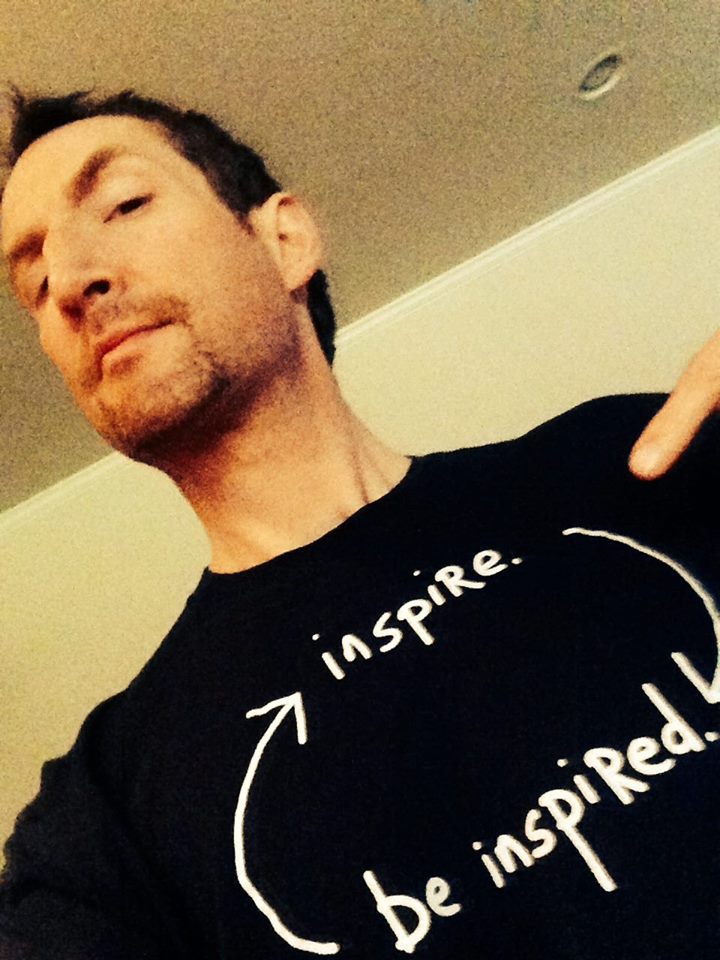 Wow. I use that expensive three-letter-public-college-degree-having word to start this post because Jeff DELIVERED. First, Jeff Schmidt is a San Francisco based Imaging Producer and musician working at the station level, the national level, the service level and he is a highly skilled sound designer for radio, video, web AND Video Games. He is Alien-Imaging who I have been collaborating with here, and using the services of in my own work, for nearly 10 years.
We cover it all in this very in depth episode so I won't go on and on in text form. BUT when I say WOW he delivered, I mean you need to check out the SHOW NOTES PAGE HERE. We're talking tons of audio, video, links and an overflowing warchest of tips, secrets, info and more. Find him on facebook or twitter or his site. Enjoy this one!
Wow. I use that expensive three-letter-public-college-degree-having word to start this post because Jeff DELIVERED. First, Jeff Schmidt is a San Francisco based Imaging Producer and musician working at the station level, the national level, the service level and he is a highly skilled sound designer for radio, video, web AND Video Games. He is Alien-Imaging who I have been collaborating with here, and using the services of in my own work, for nearly 10 years.
We cover it all in this very in depth episode so I won't go on and on in text form. BUT when I say WOW he delivered, I mean you need to check out the SHOW NOTES PAGE HERE. We're talking tons of audio, video, links and an overflowing warchest of tips, secrets, info and more. Find him on facebook or twitter or his site. Enjoy this one!Transcript
95 min read • 14,202 words
Announcer: The Producers, featuring the most respected international talent in the world of audio production and voiceover. Radio, TV, film, and online. In-depth interviews and industry insights, putting you on the inside. This is The Producers Podcast with Ryan Dreen.
Ryan: Howdy, podcast time! Episode 91, Jeff Schmidt, the guest coming up in moments. He is standing by waiting to yap with me. We will have plenty to talk about, as I've known Jeff for a long time now. Well, we'll get, we'll get into all that, but, and I'll get into his intro in a bit. Real quick though, the guys from Arabian Radio Network, I already have that interview in the can. That'll be released here pretty soon. A little bit more going into building that one, as I had 3 of the 9 producers at that network of various stations over there in Dubai on the show with me. So we'll chat soon. And Larry McGinnis, a great writer, a great creative out of Canada who was at Chum for like decades and still doing amazing creative. Anyway, we're going to set up a chat and talk to him. So someone more on the, you know, the creative writing side of this business. We'll talk to him. A few other guys that I've mentioned in the past that I'm still trying to, you know, work out times with these, these people I talked to earlier. of all, all very busy, very popular, very talented. So it takes a little bit of time to get them set up, but we will do that. Any requests, of course, you can send them over to me. you know, use the contact page on my website. You can really use ryandreen.com, ryanontheradio.com, producerspodcast.com. They all go to the same place. ryandreen@gmail, good place to hit me up. Now let's, get to the guest today, Jeff Schmidt. Let me, start before I say anything about him. I want to play you, I don't know, about a minute of the latest Alien Imaging Effects demo. It highlights his production skills, no doubt. It also highlights the sounds that he makes and the products that he sells. Here's AI Effects 2.
Ryan: Now check this out. From the super secret sound labs at Alien Imaging. Battle tested in major markets worldwide. Worldwide. Worldwide. This is the sound of now. Now, now, now. This is the sound of AI. AI effects. AI too. Here we go next. Create desire. Super slick. Build anticipation. Highly designed. Pull your listeners in. Pure imaging. Awesome. And move them ahead. AI effects. Over 400 sonic branding tools. Come on. Featuring.
Ryan: So again, you can hear the entire demo, alien-mix.com. You can go to RyanOnTheRadio.com. The show notes page is massive, and there is a link at the top of the show notes page that will take you to a happy place. Free sound. Really, why don't I just say it? Free sound. So go check it out on the website. If you are not there yet, you may want to go there while you're checking out the episode, or don't forget to do it later. Jeff Schmidt, I mean, just some amazing sound design for radio. He sound designs for video games. In fact, he had taken a little step away from radio at one point to do that full-time. We'll talk about that. Also a great in-house radio imaging producer in San Francisco. He's been around a long time. I have a huge amount of respect for his technical abilities, for his creative abilities, and for the tools that he creates that, again, like I said, I've used for oh so long. And in this intro, I have to tell you, he's hooked us up with a really— well, it's a cool, unique link on his site that has specials for the podcast listeners, possibly free, possibly. I would highly recommend checking out the show notes page on my website. Again, ryandreen.com or ryanontheradio.com gets you there. The Jeff Schmidt show notes, go there, check it out. Otherwise, I think— was that a good enough intro?
Jeff Schmidt: I think it— yeah, that's like, it's all downhill from here.
Ryan: Great. No, but seriously, I think I reached out to you because I found some of your product or something. It had to be '08 because I had just started this podcast, and I said, you know, it was one of those, hey man, I don't really have advertisers, but I'd love to do some kind of a special. Maybe you do like a Ryan on the Radio deal, and you're like, yeah, I don't know who the hell you are, but sure, great.
Jeff Schmidt: Actually, I mean, I remember that differently, but go ahead.
Ryan: Okay, well, so the way I thought I had sort of emailed you and like Hey, what do you think? I don't even know what I'm doing with this podcast yet. And so that's kind of the original way as far as I remember. Yeah, yeah.
Jeff Schmidt: I mean, I remembered it slightly differently. I remember hearing the podcast and thinking to myself, this is really cool. This reminds me of Rap Magazine, but like for today.
Ryan: Oh, yeah.
Jeff Schmidt: Right? Like Rap Magazine was cool back before there was internet. It was like, and it's still cool, but it's, you know, Now that with internet, like I get to not only hear like a deep conversation with some of these like amazing producers, but also hear their audio like that to me. And you don't need to like pay a subscription. That blew me away. So I thought it was a brilliant concept. So the way I remember is I remember, I think I remember sending you an email saying like, 'cause the way I launched Alien back in the day was through Jerry Vigil's Rap Mag. I bought like the first, you could buy back then the first 2 minutes of the CD he would send out.
Ryan: Yep, I remember that.
Jeff Schmidt: And I put a demo on there. It was like $250 or whatever. And I bought an ad in the back, and that's how I launched Alien back in the day. So when I heard you, this is my memory of it, when I heard your podcast, and maybe you did like email to me and say, here's a podcast or whatever, but I remember hearing it and thinking like, this is the new Rap Magazine. And I wanna advertise on that. And I think I asked you like, can I buy ads or something? You're like, yeah, I don't really do that.
Ryan: Yeah.
Jeff Schmidt: It's been 8 years since we kind of like communicated. We talked about other stuff too, But finally showing up on this amazing podcast, it's like every time you come out with a new one, I feel less worthy of coming on here. So it's been fun.
Ryan: No, no, no. Well, I hope I make it clear that you are 100% worthy. I should have had you on a long time ago. And I have to be honest, at a certain point in my head, since we've conversed so much, you know, email, you know, Facebook, Twitter, whatever, it's almost like in my head I already had you on.
Jeff Schmidt: Yeah, yeah.
Ryan: So—
Jeff Schmidt: No, no, it's all good. I mean, I think, like, again, it's like, oh yeah, Jon Frost number 2. It's like, who doesn't, Eat that up, right? I mean, please. So totally awesome.
Ryan: Yeah. So, I have a whole list here. I guess I was going to do kind of a double sort of background, but you already sort of answered it. I was curious because I wonder if more people know you now for Alien Imaging, although, like I said, solid imaging producer, at the station level. But anyway, take me back. What was the very first piece of sound design you made and why?
Jeff Schmidt: Oh, I was a kid with a tape recorder recording weird sounds in my bedroom. And then, you know, it was like one of those Panasonic tape recorders. I'm dating myself now, because like millennials are like, what the hell is a tape recorder? My parents got me a little, you know, tape recorder, and it was like they had these mechanical buttons they had to press, and you had to press 2 of them down, the play and the record button at the same time to record, and it had a little condenser microphone on the front. And I discovered that, you know, by moving the box around, moving the thing around, it made its own noise. And then I figured out how to press play and rewind at the same time, and the tape would go really, really slow, and I figured out how to press fast forward and rewind at the same time to make it kind of like it couldn't decide which way it wanted to go, so it would like literally scratch, right?
Ryan: Mm-hmm.
Jeff Schmidt: So, like, you hit— I would hit the box while it was recording and create this thump sound, and then like play it back and just kind of record back and forth and manipulate these little cassette tapes. So, that's probably my first memory of actually recording something and then trying to mess with it. Which sounds like maybe 8.
Ryan: Yeah, that's really funny to me. I didn't expect that answer, only because typically it's the, I wanna be a radio DJ, so we are in our bedrooms with the tape player making shows.
Jeff Schmidt: No, we did that. My friends and I did that, but we were always, we were Mystery Science Theater 3000 before that even existed. So we would literally sit there and record shows off the radio, but then kind of comment and make fun of what was happening.
Ryan: So then on a more of a professional level, not even that you were selling them yet, but when did you, get, you know, officially into sound design where you would be able to use the sounds in a professional setting?
Jeff Schmidt: Yeah, I think pretty much my first radio job in upstate New York, and I think I must have the worst radio jobs ever because I've never— every place I've ever worked couldn't or wouldn't pay for production libraries. They just wouldn't. So, you know, I started in radio producing a morning show on a little AM talk radio, right? Little right-wing talk radio show, and I was just like, I was just trying to get into radio, and I did morning. And so I I would make bits, and then that would put me in the production room, and eventually, my goal was actually I wanted to have my own show, but I wanted to do FM talk radio, 'cause I thought AM talk radio was old and boring, and just old people talking about politics. And so I eventually got some shots to do shows, and I ended up, because we didn't even have a production guy really, so I ended up doing all my own production. I ended up grabbing the deep voice jock on the FM classic rock station to voice the stuff for me, and then I would produce it up with all this, at the time, hip music.
Ryan: Mm-hmm.
Jeff Schmidt: I remember sending tapes out to try to get talk radio gigs, and everybody's like, yeah, your show's okay, but who does your production? And it's like, oh, I did that. I'm like, well, if you want to do that, we could probably find some things for you to do. So I just kind of just found my way into doing production that way, but every station I ever worked at, I had to make my own stuff, and a lot of it— I don't know how long you've been in the business, but— I've been doing it for 20 years. If you were in it long enough, you were probably using demos from these production libraries they'd send on CDs or whatever.
Ryan: Right.
Jeff Schmidt: And you're like stealing little clips off of them and editing them together, and that kind of like— and doing it on tape, you know? So it's like you're reversing a little section, and then you're adding it to another section later, and that's kind of— that was my first— so then I would just bank that stuff. I'd store it on a reel and just say— or a DAT later and say, these are my 12 sounds, right?
Ryan: Yeah.
Jeff Schmidt: I have 12. And that was what I used to damage the station with.
Ryan: So, so short of the whole, you know, in the early days where you would just kind of mess with a tape player and just get whatever you could get, when you started to actually realize there was more of an art to it and you could use tools— so in other words, you can think of something in your head and you have the skills to actually get there.
Jeff Schmidt: Yeah, I still don't feel like I can do that. Well, I mean, no, I understand what you're asking, and it's a legitimate question. You do eventually get you build a confidence that you can build stuff. But it's, you know, if you're trying to move forward, it's always like, I feel like I'm reinventing the wheel every time I make something now, because I kind of just naturally get kind of snobbish. It's like, well, I kind of made that already. That's like, sometimes I make a version 2 of a library, but a lot of times I just abandon ship and try to change directions. But it was probably once I got into San Francisco, and that was when, and that was in '97, and that's when I had, access to a digital workstation. So before that, like, I didn't— it was all on tape, and I think we had a little 2-track digital recorder, but it wasn't until I started seeing what you could do with plugins in Pro Tools.
Ryan: So would you— would you probably, I'm guessing, take organic sounds, or, you know, sound effects from libraries like that, or even glitchy stuff you're able to make, and then tweak those, you know, so more organic stuff and make it turn into what we—
Jeff Schmidt: Yeah, I mean, I think the challenge for— yes, because particularly when I came to San Francisco, because it was for an adult alternative station, KFOG, and their imaging was not the flashy top 40 whiz-bang kind of stuff. It was much more organic and much more natural, right? More spoken word rather than announcery kind of stuff. No real vocal effects. You wouldn't use— certainly not distortion. Filtering was very minimal, right? All that kind of stuff. that kind of became much more contemporary. It wasn't really part of the thing. So I had to develop sounds that still helped build production pieces, you know. But they couldn't be the— But they couldn't be like that, you know. So, and that was challenging. And that was one of my frustrations with that job too, was that it was like, oh, I listened to all these demos from all these amazing producers. It's like, that stuff sounds so easy compared to what I'm doing. And everybody loves it. And no one cares about what I'm doing because it's kind of boring, you know, from that perspective. But it was much It's much more about writing and casting and telling stories and that kind of stuff.
Ryan: Yeah, and that's definitely on your imaging side, and I really want to get back to K-FOG for sure. But as far as on the sound design side, to stay there for just a bit, when you finally figured out that if you wanted to make a solid, metallic-sounding hit, whatever it is, whatever kind of standard-issue sound design effect that we're sort of used to having in the imaging studio, Did you finally get there? Were you ever able to see another producer doing what you wanted to do?
Jeff Schmidt: No. I mean, that's like— I've listened to so many of your interviews with guys, guys I admire, and I find— and this is true with music too, being a musician, I found this with high-end musicians. Almost all of these guys were exposed early on to somebody doing the craft really well.
Ryan: Right, exactly.
Jeff Schmidt: They were like standing— I just saw a Michael Jackson documentary a couple nights ago, and they literally show him as a young adult in the studio was watching Stevie Wonder, right? And it's just like, of course he was surrounded by music and all that, but having those kind of early experiences I think really helps people. And unfortunately, it's like I was always, I'm kind of envious of that, and it's not that I didn't have talented people around me, but from the production room, it's like I always kind of ended up in situations where I was at a station and like, we don't have a production guy, you're it.
Ryan: Mm-hmm.
Jeff Schmidt: And it was kind of like I had to listen to the old FMQB tapes, right? The CDs that used to go out, and they would highlight imaging from all over the country, This was before the internet, obviously, so you would just hear what they were doing in, like, Fresno, right? It just seemed like so far away, or San Jose, or wherever, you know, Lubbock, and you'd hear some little station and just like, wow, they did that, like, cool stuff. And that was kind of like the way you expanded your mind, or at least for me, because there was no in-house guy that was like, here, let me show you how it's done. And so I was really envious of those guys that had that.
Ryan: Well, especially on the sound design, though. I mean, on that side. Like, for me, you know, you hear a promo, you generally know, all right, he's using some kind of a wipe or a hit effect here. He's got obviously the instrumental portion of the music here. I can hear that he's filtering out the voice. You know, generally speaking, I can— you know, this is when you're starting out, you can kind of figure out the basics of what's happening. But to create some of these crazy sounds that you make, I still— I know some basics. I know, you know, layering is key.
Jeff Schmidt: Yeah.
Ryan: You know, obviously filters. the parts that you start with is key, but I still, like, I don't know how you get to where you get on a lot of this.
Jeff Schmidt: I think, you know, well, I mean, if you're asking me how it happens, I think it's— I try to— now the way it is, is I try to decide sonically where I want to go.
Ryan: Right.
Jeff Schmidt: And then it's a process of, like, trying to create sounds that are close to what I hear in my head. And these are not, like, when I'm talking about, like, create sounds, I'm not talking about creating a finished sound right now. I'm talking about creating, like, a bank of material from which I can draw from.
Ryan: Yeah.
Jeff Schmidt: to create further stuff. So, like, there's this massive noise-making process where it's like, I'm making all this sound, I'm making all this noise, and some of it might be cool, but I've kind of built in my own little filter, like, no, I'm trying to create stuff that sounds a little bit more like this now, right? And so, I kind of have, like, a creative direction that I'm trying to go, and that immediately helps me exclude everything that doesn't sound like it fits with where my head is at.
Ryan: Mm-hmm.
Jeff Schmidt: And then, it helps me accept the things that are, and I pursue those ideas further. Because really what you're doing is you're kind of brainstorming with gear and audio and, okay, what if I try this kind of sound in that? What if I do this? What if I use this patch and did it through this? And like, you're just— it's like just a really time-consuming experimentation, brainstorming with processes and audio, and doing so much of it that you can filter through and try to create a cohesive set of sounds that sound like they all belong and complement each other. So, that's kind of the short of it.
Ryan: Well, you know, it makes sense, and I've heard others speak about it in that manner, but still, it's like Latin to me.
Jeff Schmidt: Well, yeah, Latin is Latin until you actually start hanging out with people who speak Latin, and then you kind of— right. And I guess that gets back to your other question. It's like, who do you have around? And today, you know, like, you have the internet, you know, so you can hear anything. You can hear any station practically on the planet. You know, you can scope them and just strip out all the music and hear nothing but the production. You can spend a day or two on SoundCloud listening to imaging from all over the world. It's like it's never been more accessible.
Ryan: Let me ask you this. So as far as just taking one in one hand and the other, radio imaging, just pure, you know, production, sweepers, promos, the branding of a station, or making your alien imaging sound elements, what has been a longer journey to get to, you know, the high level that you're at on both sides? Or what has been more difficult is maybe a better way to say it.
Jeff Schmidt: Yeah, I mean, I think the sound design is definitely different. If you— it's difficult if you apply a standard to it. I mean, on one hand, it's never been easier to make noise than it is today. I mean, that's just the truth, right?
Ryan: But then our standards increase with that, right?
Jeff Schmidt: Well, I mean, they should. Yeah. Sometimes I wonder, you know, it seems like every time I turn around, somebody's selling something that's like, eh, you know.
Ryan: Yeah.
Jeff Schmidt: I might have spent more time on that, but that's just me. And then, so that respect, like getting to that kind of level, which I think for me is still beneath where I want to be, but I think that took longer. And it actually took, for me, it took getting out of radio for a little bit and doing work in other fields for that to really kick it up a notch. And that's when I did work in video games. for a couple years. That is when I completely— I had to relearn sound design from the ground up.
Ryan: Okay, so what's the biggest difference? I know many differences I can think of, and everybody listening can think of differences between radio sound design and gaming sound design, but what is the biggest difference, or what are the differences that we should know?
Jeff Schmidt: Well, I mean, the sounds in-game are usually sounds that are corresponding to an action or a behavior or something that's happening, right? Mm-hmm, got it. So some are designed— most are designed to add realism and immersion in the experience. In fact, there's a guy, Marty O'Donnell. He did the score for the original Halo, one of the most popular games ever. And he gave a talk at a conference, and one of his rules was— and this is going to sound crazy if you've ever played video games— but one of his rules for video game score and sound design was do no annoying. And that is a really high bar to clear when you just think of games are nothing but explosions and gunfire and screaming. But there's a lot of nuance to that stuff, and especially in the games I worked on, which were much more fantasy and fantastical, and there was no electronic— you know, I worked on like World of Warcraft and Diablo 3, and these are set in like, you know, Lord of the Rings times, right?
Ryan: Right.
Jeff Schmidt: So there's no electricity, there's no machines, like everything's steam-powered if there's any motion at all. So it was all very organic. And that was just a completely different way of looking at it.
Ryan: Is there something about that industry that you absolutely loved and you miss, or are you still in that industry at all?
Jeff Schmidt: Well, yeah. I mean, here's the thing. The first thing that was a shock to me was that I would send sounds in and immediately I got 3 pages of notes, and that doesn't happen in radio. And at first, it really intimidated me and freaked me out until I realized that the guys giving me the notes were not just middle manager program directors giving notes based on their own whatever.
Ryan: Or to justify a job.
Jeff Schmidt: Yeah, or just because they wanted to be a pain in the ass or whatever. These were guys that could do the work themselves at a really high level, and they just needed me to help. And so, when they were giving me notes, they knew exactly what they were talking about, and they communicated in a way that's like, now, wow, I really know that these guys know what they're talking about, because they could hear things that you know, people in broadcast wouldn't necessarily hear, or they wouldn't be able to discern in a way that they could communicate effectively. So that was the thing that was, like, shocking to me, and then I began to welcome it, because every time they sent notes back, it's like, okay, I'm gonna have to revise, and that was just basically part of the workflow. It's like you build a sound, and you plan on, in your workflow, you're gonna have to revise it a few times to get it right. Because what they do is, they'll build a sound, and then they put it in a game, and then they see how it fits within everything, and then if it doesn't work, you have to fix it. Yeah. Coming back, that's the one thing that I think was probably— I've never seen that level of passion and knowledge about sound in radio, which is ironic because radio is entirely an audio medium.
Ryan: It is sound. It is funny you say that. I've worked with a lot of program directors. They all generally, of course, like what we do or else they wouldn't have us there, but the critique you get back is either nothing Or, you know, the, the, the, you know, the, the sponsor tag was missing a couple words. You know what I mean? It's just the opposite. And sometimes you would feel like by virtue of working, you're not making yourself better. Whereas it sounds like in this, in the gaming sound design field, by working, you're always making yourself better.
Jeff Schmidt: Yeah. And I think the culture there in that field, they're really open. I mean, obviously they're NDA'd up up the yin-yang. Like, they can't— there's all this stuff that nobody talks about, they can't talk about, right? But once you're in the club, like, and all is just like they're sharing stuff, everybody's like really supportive of helping each other out and to make the best product they possibly can. And the audio team, the audio community in games is amazing. I mean, I've, you know, it's really cool in radio too, it's not to disparage it at all, but it's just—
Ryan: Right.
Jeff Schmidt: There's a whole nother level of passion there, which I just, maybe radio had at one point, and lost, or maybe this is just United States radio, maybe it's different overseas.
Ryan: Well, if you could do a station launch and instantly sell, what, 60 million units and make hundreds of millions of dollars in a matter of a few days, then maybe it would be different.
Jeff Schmidt: Yeah, maybe. Maybe that's what it is. But success also turns people into assholes too. And there is clearly, of in every industry you have that, but it just seems, at least on the audio trenches, because even in games where they spend, and I think a lot of effort to make the sound— the games sound awesome, there's still— it's still treated like a little bastard child division. There's still like, you know, the last place that they're gonna give space on a game is the audio. You know, you get—
Ryan: Yeah.
Jeff Schmidt: A game is so much space, it has to fit on a Blu-ray DVD or has to be able to download, right? So there's only— they have a budget for how much space all this stuff can take up. And you can't just like load up 20 gigs of audio, you know, you get a budget for how much space you get to take up. And so you have— that was the other thing is like you have to create really cool, awesome sounds, but guess what? They have to be mono in 22 kHz. So all of a sudden, like, wow, all my top end is gone. How am I going to get around this? And it forces you to think about like where to put the emphasis and layering and all that kind of stuff.
Ryan: Mm-hmm.
Jeff Schmidt: The one thing I will say, the reverse of all that, is those guys work. If you find a guy who's doing audio design in radio, or he's running a department in video games, they're hustling. They're working nonstop. You have to be really, really passionate to be able to do it.
Ryan: I didn't want to focus too much on games here, but I'm definitely intrigued. Can you just give us, maybe to kind of conclude this section, A ballpark, are you being paid in that world on a per-job basis? Do you have full-time jobs with companies? Are you working 20-hour days? I mean, what's the— oh, and also ballpark budgets if you can.
Jeff Schmidt: Yeah, well, I mean, I think it depends. There used to be pretty much just what they would call AAA games, so those are your console, your PlayStation and Xbox games, and those obviously had big budgets. graphics and cinematics and, and, you know, physics and all that stuff in AI, but they wouldn't necessarily give audio huge budgets. So a lot of these huge games, popular games, were put together like with audio teams of like 2, 2 or 3 guys.
Ryan: And are they working on an hourly rate or like a per-project rate?
Jeff Schmidt: If they're in-house, they're salaried, and they might— they'll get bonuses for— they're called milestones. Like, you, you know, it's like kind of like they adopted a lot of the filmmaking, you know, like you have a release date and then you backdate everything from that. Like, we want to hit Christmas 20-whatever. 2012. So you backdate your entire production schedule from what date you want to try to release it.
Ryan: Mm-hmm.
Jeff Schmidt: And then they have this— the last 3 months of the year before release, they realize they've only got half the thing done, and then they call it crunch time, and then they just hire all kinds of people and just throw bodies at it, and then they work them to the grind for 3 months. And so those people— I participated mostly in that in the contracting space. And it was like double what I was getting for radio. But that was freelance, so it's like I wasn't getting insurance or anything like that.
Ryan: Sure.
Jeff Schmidt: And I kept my radio job too, so it was like radio 9 to 5, come home, grab some chow, work on game audio till 2 or 3 in the morning, grab a few hours of sleep, repeat. And do that enough and it definitely gets fatiguing. But it's so funny because I think you said at one point you were gonna have Brian Apple on and—
Ryan: Oh, still working on it. He's— it's gonna happen.
Jeff Schmidt: Oh yeah, I met him in— I've known about him for years, but I met him at a conference last year and we chatted a little bit because he's doing radio station imaging inside Grand Theft Auto, right?
Ryan: I know, I love it.
Jeff Schmidt: We were talking about like, you know, what his day was like working in games, and it's pretty much like working in radio. He's still doing radio sweepers, although for these kind of like fictional wicked cool stations in the game. And we were talking about like, well, you know, what about the guys who were doing all the sound design for the cars and the the crashes and the voiceover, and he's like, oh, that's boring. So I was just like, oh my God, that's so funny, because the video game guys think that radio sweepers are the lamest thing ever. Like, why would you want to do that? So it just depends on perspective.
Ryan: That's pretty funny. So totally, completely switching gears— oh well, not completely— but KFOG, legendary station, San Francisco. You already mentioned that you— did you say you got there in '97?
Jeff Schmidt: Yeah, yeah.
Ryan: So how long were you at KFOG, and tell me a little bit about how you got there and your time there.
Jeff Schmidt: I got there in '97. I was working at a little alternative station in suburban New York called X107, and they— I went in one day, that was in '96. I'd been there for maybe a year, and this was '96, like '94 through '96, basically, like, it was like 7 stations in New York playing alternative music at that time. Even the top 40 stations were playing Nirvana and Pearl Jam. It was weird.
Ryan: Oh, yeah.
Jeff Schmidt: And I think that they just realized, like, there's too many— there's too much saturation, so they decided to go country. And I literally went in one day and they're playing TV tunes, TV theme songs off an old TV tunes disc. And it's like, yeah, we've just let go of everybody and we're gonna switch to country at noon tomorrow. All the production's already done, but we need somebody to keep it up afterwards, or just keep producing it. We'd like you to stay. And that was in, like, I don't know, maybe December, and then by March I was like in San Francisco. I had found a new job.
Ryan: Did you move to San Fran first, or did you get the job and then move?
Jeff Schmidt: No, no, no. I just happened to be looking at— actually it was online. I forget. It was like All Access or something like that, but they had this really crude website, and there was a job in San Francisco. My wife always— who wasn't my wife at the time, but we since got married— one place she said like, if you ever get a chance to go to San Francisco, I'm in. So, I kind of just sent a tape and a kind of snarky letter, and just trying to be clever or whatever, and the guy called, Paul Marszalek, the program director, and he wanted to meet. And the tape I sent him, he had no business hiring me if he was just looking for like, you know, but he was like one of those guys that could see past what's right in front of him.
Ryan: Yeah.
Jeff Schmidt: And what he heard on my tape was creativity and writing, and that's what he wanted on his station.
Ryan: Yeah.
Jeff Schmidt: He wasn't looking for whiz-bang.
Ryan: Super technical, like the best—
Jeff Schmidt: Production techniques and all the kind of flashy stuff. He wanted just content, basically, production as content. And it was great. But even then, I kind of just assumed, like, I'll do San Francisco for a few years, then I'll go to LA, because you need to go to LA or go back to New York, otherwise you're nobody, right? San Francisco is a cool market, but it's not known for churning out You know, huge names. But, you know, something happened. I got here and I kind of dug it. You know, it's like, I like it here. And so I ended up just staying.
Ryan: And now, how long were you at Kayfog?
Jeff Schmidt: Till 2011.
Ryan: Yep.
Jeff Schmidt: So 14 years. Yeah, that's pretty wild. And it had already kind of gone downhill by then. And I had an opportunity to go work in games full-time, which would have meant moving to Southern California. And for a bunch of reasons, we couldn't make it work. So I decided to like, okay, I need— I do need to change something. So I learned that Intercom was gonna launch an FM sports station here in San Francisco to compete with KNBR, which was in my building and I had worked on. And I thought that was the coolest thing ever because it's like, I don't know much about sports, but I know it offers the ability to do the kind of production I haven't been able to do in a while, you know, which is like really big, epic, cool-sounding stuff. And so I ended up getting that gig and I've been there since then. So that's, yeah, almost 5 years now. Wow.
Ryan: Yeah, yeah, I remember when that went down, 'cause you and I worked at the same company that was bought by another company.
Jeff Schmidt: Yeah, yeah, yeah, Cumulus. Oh, that's right, you were at Susquehanna, right?
Ryan: No, I was at Citadel.
Jeff Schmidt: Oh, right, okay. Yeah, my bad.
Ryan: And I remember you had left there just a little bit before me.
Jeff Schmidt: You had been across the street. I left before Cumulus acquired Citadel.
Ryan: Right, before the deal actually went through. But I know that KFOG used to be just, well, okay, you can tell the world however you wanna talk about it, because you're not there now, but it used to be legendary, or at least— Yeah, and then it sort of kind of was going down the hill. Maybe they lost some talent or some budget, and then some would say it really got destroyed. But I've heard that they've been trying to make a resurgence. Is that fair?
Jeff Schmidt: Yeah, I mean, I think yes, and I still know people there and respect people there. I just think that that station, the time that I was there, it was basically in the top 5, 2554, for like 10 straight years, right?
Ryan: Mm-hmm.
Jeff Schmidt: Which is like— and I got— and, you know, like they were— Susquehanna was not shy about like, you know, handing out bonuses. That was just— it was a money-making machine and a lot of respect, and I got to work on some really cool big projects. It was really like a properly run major market radio station. Then it got acquired and then the financial collapse and all that. And post that, then PPM comes in, and then they basically— they were running that cluster with no program directors for almost 2 years. And that's when those stations suffered, because that's a really hands-on format. Like, you need to be on top of what's happening.
Ryan: You've got to be the smartest people in the room about music on a good AAA. And you've got to—
Jeff Schmidt: that being the smartest person in the room doesn't mean you can put on weird records. Like, you still have to appeal to a mass audience.
Ryan: For sure.
Jeff Schmidt: So they, you know, they were a victim of a lot of different things, not the least of which, you know, negligent ownership, but, and then firing a lot of talented people, and then just the— I think the mood has shifted. Like a lot of these— we even saw it in early focus groups, like a lot of listeners were using online services to satisfy their eclectic music tastes, because this was a station built for music fans that just loved music.
Ryan: Exactly, right.
Jeff Schmidt: And we were already seeing like back in 2005, you know, people saying like, yeah, you know, I listen to KPIG in Santa Rosa or down in Monterey. And we're like, well, how do you listen to that? Like, oh, it's online. And we're like, wow, really? Or other people would be like, you know, Radio Paradise is really cool. And we're like, what's Radio Paradise? Oh, it's an online-only thing. They play really— got a really great variety of music and no commercials and blah, blah, blah. And we're like, we're hearing this in '05. And that's kind of like everybody's speaking this language now. So it was almost in a way a kind of canary in the coal mine of what was going to happen with kind of— and then PPM came in and ratcheted up. They're like, no, you can't play a fringe record now to appease the base. You have to like hit, hit, hit, hit, right?
Ryan: Mm-hmm.
Jeff Schmidt: So I think it was a combination addition of many things. And now with the brand kind of, you know, I mean, the average age when I was there, when it was still winning, was 45 to 47. All those guys are out of demo and they're out of the book now, right? So all those listeners are gone.
Ryan: Yeah.
Jeff Schmidt: That was 10 years ago. They're all 55+, so they don't count anymore. And they never really opened the door for the young people to come through. So I think the station kind of just got stuck.
Ryan: Okay, so it's not going to be legendary K-Five.
Jeff Schmidt: It's never gonna be a top 5 performer persons. Like, that station was winning persons, 2554. And like, literally, like, you hear like a Tom Petty record, an Indigo Girls record, a Pink Floyd record, and then some band called the Freddie Jones Band, and you're like, what the hell is that? I remember telling the PD when I first got there, like, what is— how is this winning? And he's like, I have no idea.
Ryan: So, yeah, well, anyway, I just wanna make sure people that weren't aware of K-Five Fog, we're aware it was a very, very solid brand. I guess your imaging, if we just talk about your imaging production in general before I make any comments, if you had to categorize your style, what would you, what would you say?
Jeff Schmidt: Oh, well, actually, I would say I'm probably the reason— I would say chameleon-like, honestly. I mean, I think in any given period or era of my career, I've been one thing or another. based on what was needed. And that sounds like maybe of a cop-out, but I think— and in each era, each versions of those, I try to make it my own and try to make it unique. But if you've been in this business long enough, and certainly at the station level, you realize that things change, moods change, tastes change, and that if you sit and, you know, and you notice this, that what's really hip and cool 2 years ago is suddenly like, yeah, we're kind of like moving past that now.
Ryan: Right.
Jeff Schmidt: We need to do this. And that's certainly been my experience is like—
Ryan: Yeah.
Jeff Schmidt: Even with the sports station, we launched as this flamethrowing, super young, super aggressive, and now it's stripped back to pretty much just kind of like almost like an all-news presentation. So it's completely shifted, and just in the last 4 or 5 years. And that's happened with every, like the music stations I work at too. You're up a couple books, hey, this is great, let's keep doing it. And then something happens like, oh, maybe we need to change this, we need to change that, dial this back. constant tweaking. And you know, if you're at the station level, the easiest thing to tweak ever is the records that you're playing and the imaging. Those are the 2 easiest things you can change this afternoon, right? And it makes you feel like you've done something. So those are the things that get changed most often.
Ryan: Yeah.
Jeff Schmidt: So at any point, I've been short and sweet and to the point, which is kind of what I'm doing these days. Like, we're just— we're PPM scientists right now at these stations. And other times have been big, epic, story-based characters, all kinds of, you know, weirdness. And so it really depends on what era, you know, you're pulling from.
Ryan: And a little bit about your day-to-day. I know you get to do some work from home, but are you imaging multiple stations for the company, for the cluster? Are you imaging lots of formats just sort of via freelance as well?
Jeff Schmidt: Yeah, so I mean, I have full-time with Intercom in San Francisco, but I work mostly from home. I say mostly like 4 days a week. I go in 1 day for meetings, and that was kind of like negotiated over a period of time, mainly because they kept buying radio stations and then shrinking their square footage. So I eventually found myself out of a studio.
Ryan: I was gonna say, you had no room in the building and you're like, well, hey guys, I can work from home.
Jeff Schmidt: Yeah, and even then it was kind of like I had to spend a few months in a cubicle. in the sales area banging out production.
Ryan: Oh man, I had to do that. The Cumulus Dallas office, they—
Jeff Schmidt: It's demoralizing.
Ryan: Oh, it's ridiculous. I mean, you want to market 5, or in your case, 4 product, and we're going to do it next to the guy who just sold a hardware store on a weekend buy? I mean, come on.
Jeff Schmidt: Yeah. So I just literally, I kind of like put together enough of the technology to make that work with engineering, and I let them know how to do this and how to do it securely, and I I just started doing it, like I just would help out. Like, that's like, I started going in around noon or whatever, but I was working from home in the morning, and I would put stuff in the system, communicate, be really communicative with email, and just be really responsive, and then it would be like, okay, then I show up at 2, right? Or, you know, I wouldn't show up at all that day, and I would just do complete work from home, do it all from home, and then just like be super responsive with email, and just kind of show like—
Ryan: Right.
Jeff Schmidt: This is possible, and we got around everything just by setting up like, okay, every once a week we have to meet. We have to have face time Yeah. To go through things. And so it's like, that's totally reasonable. So that's kind of what it is now. It's like home full-time mostly, except Wednesdays I go into the city and meet. And then there's like whatever other projects come up, I squeeze in between. I mean, imaging's very project-based, as you know. So there's 2 stations I'm doing for Entercom here.
Ryan: Yeah, okay. So what do you got, the sports station, and then what else?
Jeff Schmidt: There's a classic rock station.
Ryan: Oh, okay. Yeah, okay. What do you— is there— do you have a preference on format by chance?
Jeff Schmidt: You know, what I prefer is pretty much what the format or whoever's running that format enables me to do in production. I mean, I would work in any format if what I got to do every day was exciting and challenging and fun.
Ryan: Okay, so there's gonna be a lot of people that are listening that are like, oh man, lucky he gets to do 4 days from home. And what, you What are the biggest— you obviously said a few things that you were good at doing, showing them that it would work, but what did you find were the biggest barriers? You know, who were the people or what were the reasons why you weren't able to get home, you know, work from home?
Jeff Schmidt: Yeah, I think it wasn't trust. I think it was just there was a fear that I would disengage. And, you know, the circumstances were unique too, so this isn't necessarily gonna apply to everybody, but like, we had just gone through a like the cluster had gone through a lot of changes with formats and shifting, and they've, you know, they bought new stations, and there's new people in the building. And so there's a lot of change in the air. And early on, I just felt like that's just a little too much change. We need to kind of keep things we can depend on. I mean, because there was a sense— and this has been this way, and if you've been in a production room, or you've— like, but the production room, you know, no one— I've stolen this line from the old Alien movie, slogan, but, you know, in the production room, no one can hear you scream. And kind of like a lot of people know this, so like you get a lot of people coming in and shutting the door— program directors, general managers, sales managers— you get that, you get those a lot of like really, you know, private conversations happen in the production room. And I think, you know, PDs I've worked with over the years have always come to like rely on that, like to really be able to like, they could come in and just vent about like, I want to do this, and this is what, this is my plan, this is my vision, and these are my roadblocks, like I'm And a lot of times they're just talking shit through. They're not necessarily saying, Jeff, I need you to solve this for me.
Ryan: Yeah, I was gonna say, if I could interrupt, 'cause I had thought of this and I used to think, man, I'm the most trustworthy guy ever because this is now like my 5th PD who's telling me stuff I should not know. And really, no, it's like you say, they need a place they can go where they know it's safe. And oftentimes—
Jeff Schmidt: Even though it's a room full of microphones, but okay, go ahead.
Ryan: Exactly, it's a room full of microphones and recording equipment and I couldn't be recording you at any given moment and you would never know. But also, it happens to be a guy and a guy. A lot of the PDs I've had are guys, so I thought, well, he just needed a dude to say some stuff. But no, I bet a lot of production guys and gals working now are like, yeah, that happens to me too! I thought I was trustworthy.
Jeff Schmidt: Yeah. I mean, it helped me stay engaged. I wouldn't deny that, because your PD comes in and you start talking about research and stuff like that, or you start talking about questions you want to pose to a focus group and that kind of stuff, and it makes you feel like you're engaged in the format, engaged in the station, engaged in the station's performance and how well it's doing, and you want to be able to contribute on that level rather than just, hey, I need a sweeper that says this, right? So that part of it, I think, but that had eroded so slowly, especially back when I was at KFOG and after the Cumulus neglect years, basically. That's just, there's no other way to put it. That's what it was. It was 2 years of them just ignoring the radio station. There was none of that anyway, so I had already kind of gotten out of the mode of having that kind of connection. And while it did pick up again at Intercom launching stations, even then it kind of died off. So it was like, yeah, we're not really— most of the stuff is happening above our heads. So we're just kind of— we're marching to orders. So it took a while, and then it just became an issue of like, does my quality suffer? And it didn't, right?
Ryan: Right.
Jeff Schmidt: Is the work I'm turning in on time as good as it would have been had I been in a cube? And guess what? is.
Ryan: And even echo, I think I've brought this up a lot. I've brought it up at conferences that I spoke at. At the end of the day, some of the worst communicators are people in communications, you know, in the business. And if you can be good at that, you're gonna stand out, you know, twofold, because everybody else is bad at it, and you're not just, you know, okay at it, you're really good at it. And that's gonna really shine, you know.
Jeff Schmidt: Yeah, I think so. And again, I think it's about trust, and I think had, you know, since working from home, I've had 2 PD changes, right? So that's been, you know, that's presented its own challenges. Now it's like, now I have to develop relationships with people I don't see every day.
Ryan: Mm-hmm.
Jeff Schmidt: And that's why I'm trying to be overcommunicative and make sure I'm really responsive to requests and questions and, you know, phone calls. And, you know, I said, look, there's text, email, phone calls, FaceTime, whatever.
Ryan: Right, carrier pigeon. Yeah. Yeah. For somebody, you know, a lot of people listening that have only ever worked in music formats, let's say, you've now worked at a high level in both spoken word and music. Spoken word versus music, any glaring differences that people might not be aware of, or anything that's really awesome about it that you don't get to experience in music?
Jeff Schmidt: I think it depends because, I mean, at least here in the States, spoken word usually I think means news talk. And news talk I think is kind of an upper demo presentation. And while there are some edgy, there was Hot Talk here for a while.
Ryan: Yeah.
Jeff Schmidt: They kind of shied away from that. It's much more of a newsy approach. I jumped into sports because it was particularly of this unique circumstance. It was like they were going to go up against the old school entrenched AM dominant station, and they were going to go with this really young approach. And what it opened me up to do was like, working at a classic rock station, it's like you pretty much have to— all your production has to sound like classic rock. And that can get really—
Ryan: Okay.
Jeff Schmidt: Yeah, I see where you're going. Right? But with sports, it was like, no, you can use classic rock, you can use hip-hop, you can use trap, you can use dubstep, you can use orchestral music. And I kind of was just like, all of a sudden, every form of music was open to me. as long as it kind of supported whatever the message was. And that was at least how we launched. It's different now. So again, I would go back and say, like kind of what I said earlier, it totally depends on the time and place and who you're working with and what their vision is. Because just 'cause it's on FM and it's talk doesn't mean it's hip. It could just be an old-school AM radio guy doing AM school radio on FM because AM radio's gonna go away, right?
Ryan: Of course, yeah, or you're getting the simulcast of the barely hanging on for life.
Jeff Schmidt: News, soccer. But I think with sports at least, there's just so much new and refreshing content that you could use, whereas the Grammys were last night. This is being recorded the day after the Grammys, but so that's a big thing for music stations for the next day or so, right? Next couple days maybe, but then that fades away, and then what do you got? You got hit records, right, or classic records, whereas sports, like, oh, baseball's starting, and NBA Finals is coming up, and you have this constant stream of new stuff happening all the time. And plus, then you get into the soap opera of it, of the personalities, of Manning versus this guy, of Deflategate, and all these kind of storylines that are great fodder, not just for the shows, but for production too, potentially.
Ryan: I noticed in music radio, I was— and not just in music, in the country format for quite a long time, that every year started to feel like the same.
Jeff Schmidt: Yes.
Ryan: It's like, this concert's here again. All right, great. We're doing the Kenny Chesney summer tour again? Awesome. I'll just whip out the promos from last year. last year and replaced the hooks. Is it the same with sports?
Jeff Schmidt: Because I never really do a lot of sports. Well, I didn't think so originally, but having done it 5 years now—
Ryan: It is getting that cyclical feeling?
Jeff Schmidt: Oh yeah. Yeah, right now is kind of like, they call it the black hole of February. It's like we're in between. Football just wrapped up, baseball hasn't started yet. There's the NBA, but that's pretty much it.
Ryan: NBA All-Star break, yep.
Jeff Schmidt: Yeah, it's kind of dead. Hockey's not really huge here. So it's kind of like a dead zone, but that's— but yeah, you've got your signature events and that's the thing you gotta really challenge yourself about.
Ryan: Yeah.
Jeff Schmidt: Is do you wanna keep repeating the same year over and over again? 'Cause there are times I've looked back in my career and it's like, yeah, I probably shouldn't have stood still so long. But then I like look ahead, it's like, okay, I was dormant for like a year, but then that next year when the same stuff came around, like, man, I really upped my game. Like, what happened then? And it's like, just, you shift your perspective.
Ryan: And to maybe echo, or the opposite of that, is we find ourselves thinking, well, because we approached this event this way last year, we need to completely flip the script this year. But, you know, to the listener, you know, it doesn't burn in their head like it does to us. And it's— if it's a really cool idea, there's, there's a fine line between, you know, reinventing a wheel or, you know, because you need to, or, you know, because you shouldn't. You know what I'm saying?
Jeff Schmidt: Yeah, I totally agree with you. This is like getting back to another question you had mentioned earlier about video games and how they're similar. That's the other thing is, you know, any sound you make in games, you have to make 10 versions of it. It's kind of like what we do in radio. It's like, yeah, we need a, you know, weekend sweeper that says this, or whatever we're doing. We need 10 versions of it so we can bang the hell out of it and it doesn't sound like we're repeating ourselves, even though we are.
Ryan: I wanted to talk more about the tech side because I know you're way into the gear and, you know, software. And I wanted to start it a little more of— let's say you've got a young producer who, you know, they've got a computer, they've at least got that, and maybe they have some— I'm using air quotes— free software they acquired in some manner, but they want to kick up their game. If, if they have a little money to spend, I'm curious what your advice would be for them to spend their money on first, something they need to get first?
Jeff Schmidt: Well, how— let me ask you this. I'm gonna be totally— this is how I am. How young are they?
Ryan: Yeah, you know, we're talking to somebody that's like 19, you know?
Jeff Schmidt: Okay, so the first thing I would do is, you know, forget Pro Tools. Everything they tell you about it's a lie. Yes, it's used in every major studio in the world, but so what? You know, you're doing radio production, who cares? Don't waste money on Pro Tools. If I were starting over today, I would use Reaper. Reaper, and I would learn it inside and out.
Ryan: Yeah.
Jeff Schmidt: It's got so much more that you can do. You can totally customize the environment, learn some scripting, and get this thing to— like, I got exposed to it in some video game work, and because they use it because you can customize it, and it's amazing. It's an amazing tool, and they keep developing it, and it's reasonably priced, and you can run a free version forever. But, you know, you should eventually pay for it.
Ryan: I haven't bought Reaper in a while though. You say reasonably priced, isn't it like $50 or something?
Jeff Schmidt: Well, for— yeah, I mean, for like a student license, it's not very much. I mean, you can download it and it's fully functional for free. It doesn't demo out on you and say, you know, I mean, it shows you a little warning sign like, you've been using it for 9,000 days, you know. They'll do that to you. And eventually, like, if you're going to use it professionally, you should buy it. You know, that's just the way— For sure.
Ryan: Right. But it's not that expensive.
Jeff Schmidt: No, it's— that's what I'm saying, compared to some of the other platforms.
Ryan: Yeah.
Jeff Schmidt: Or conversely, spend $50 a month and do Adobe Creative Collection and use Adobe Acrobat or Adobe Audition in there. It's rock solid and for $50 a month, you get Photoshop, Illustrator, After Effects, Media Composer or a media encoder, you get all— you get every piece of software they make, right? Which is if you're, you know, 18, 19, 20 years old and you want to do radio imaging, I would say you're not doing radio imaging anymore, you're doing content creation. You're gonna create a 30-second promo for air, then you're gonna need to do a 15-second cutdown where you animate it in After Effects for social media. Like, that's where things are going, right?
Ryan: Right.
Jeff Schmidt: So I would do that and, and not think about blowing a big wad of money on Pro Tools and all that kind of stuff. Think multimedia.
Ryan: That's a great piece of advice because it's come up often here and in the world because it's obvious, but rarely are you gonna be just a sound guy. At a certain point, especially in radio, you're going to need to be a great graphics person or great at video editing, or there's gotta be a visual component to what you do.
Jeff Schmidt: Yeah, yeah, in order to get mileage out of your content, because you can put something on the air and maybe you have half a million CUM or a million CUM, but you've You've got 50,000 people following you on Facebook or Twitter or whatever or Instagram, and if you don't have a component and it doesn't wiggle a little bit, you can't make a GIF or you can't make a 15-second animated version of your promo that gets liked and shared, that's the currency I think that I would focus younger people on, that kind of stuff.
Ryan: Yeah, that's definitely cool, and that actually— what about hardware? I mean, that's a great piece of advice, and honestly, if you want to do this as a job, you should be willing to spend $50 on your craft a month.
Jeff Schmidt: $50 a month, that is like— I mean, look, I'm not gonna lie, I was one of the few people that, you know, I might have had a cracked version of Photoshop on my computer back in the day. But once they went to like $50 a month for everything, I'm like, no, that's just— and plus it does auto-updates, like that was just too stupid to turn down.
Ryan: Yeah, and it was smart on their part because, you know, there's some industries that were unwilling to see that the internet would destroy them if they they didn't adapt, and then others are trying to adapt.
Jeff Schmidt: Yeah, I mean, they suffered a lot of piracy, Adobe did.
Ryan: For sure.
Jeff Schmidt: All their programs now are top-notch, they're constantly updated, they're constantly adding new features. Adobe Audition, I mean, I know there's a lot of radio guys that are on version 3 and version 1 and all this stuff, but like the new one, like the CC version, current, it's really good.
Ryan: Cool. What about kind of hardware? I mean, I guess I guess if you wanna use your voice for a living, then a good mic will eventually be important. An audio interface, I would say, is probably up there on the list. Is there anything hardware-related that you would put at the top of the list of things to go after?
Jeff Schmidt: Well, if you're doing pro voiceover, you need a pro chain. That's just, let's, you know, but you're not gonna start that way at 18, so.
Ryan: Well, define pro chain for people that don't know what that means.
Jeff Schmidt: Well, I mean, I think once you spend any time in the industry, you kinda know what the standard is, and that's where you use a 416 shotgun mic into either an Avalon pre or, You know, Millennia pre or some nice preamp that's nice and clean.
Ryan: So that's like you just spent $4,000 basically?
Jeff Schmidt: Yeah.
Ryan: Gotcha.
Jeff Schmidt: That's what I mean. That's when I say pro chain. That's not to say that every pro guy has spent 4 grand on their chain, but eventually once they start getting a client, you know what they do? They get a new mic or they get 3 mics. They get their tube mic and they get their nice condenser mic and they get their shotgun mic. And then they get a nice place where it's going to be nice and quiet. They can do voiceover and then they get their preamp. preamp and a little bit of compression. Maybe it's outboard, or maybe they do it in the box. But I mean, it's very simple. It's just get nice components.
Ryan: Why can't I— why do I have to buy the Avalon these days? Why can't I process myself in the box, you know, on the fly as I—
Jeff Schmidt: Well, I mean, yeah, you can. I think the UAD and a couple others have emulators that will actually let you record through their software emulations. I think it's the— what is it, the Apollo? I don't know if it's the— I don't know if it's If it's UA, Universal Audio, or I forget which one that allows you to do that, but that's, you know, you're spending $2,000 on that interface to do that.
Ryan: What if I'm just using like a Waves channel strip plugin?
Jeff Schmidt: Yeah.
Ryan: I'm not— I'm actually kind of trying to play devil's advocate here, you know. Is there a reason why, you know, you shouldn't do that as far as being an audio engineer is concerned?
Jeff Schmidt: Oh no, no, of course not. I'm just saying like, you know, if you're talking hardware, my Yeah. My attitude about hardware is, if it's gear, if it exists in the real world, it's prone to, you know, depreciation and everything else that happens. So, it's worth not buying junk. You know, it's worth saving up for and getting a real mic chain. Obviously, you're gonna need to cut stuff before you have been able to afford all this stuff, so you can find alternatives, but stuff that's gonna last. I think that's the key, whereas software, you kind of of like, you know, you spend a lot on software, but it's kind of, you know, there's stuff I bought like 10 years ago. I have no idea where it is, you know, but I still have my Millennia TD-1, you know, that I dropped 2 grand on 10 years ago sitting in my rack that's still here. And it's— I would never sell it. You know, it's just this great piece of gear to have. And there's like a couple of those just pieces of gear that you're just gonna have. And then when you can afford it, you get it and you're always gonna have it. And, you know, you may not use it all the time, but if I was doing pro voiceover, I would be using that all the time.
Ryan: Yeah.
Jeff Schmidt: But I used it mostly for Foley because it's super clean. You can run it really loud.
Ryan: I've got to ask you this. So now, okay, let's take it, you know, a big step forward, a big leap upward now. So you've got some cash, you've been in the business a while. I'd love to know if there's a Jeff Schmidt secret, you know, something secret in the arsenal software-wise. I mean, I'll start there.
Jeff Schmidt: Oh yeah, yeah, there's totally secrets.
Ryan: Yeah, yeah. Anything you're willing to divulge on this podcast? I'd love at least one really cool secret that you love to use.
Jeff Schmidt: Here's the thing. There are a couple little tools that are easily findable for people who are searching. I think that's just the thing. You have to have the interest in searching. So I'm not gonna give away stuff that I've bothered to spend hours on my weekends hunting down, paying for, trying, trying to use, figuring out how to use, and figured out like, oh yeah, I can use this. I think at a certain level, you kind of have to earn some of that stuff, right?
Ryan: Sure.
Jeff Schmidt: You kind of have to be interested. I don't— it's really the big secrets, like, take those things away because I was making sounds before some of these little quirky pieces of software existed. I will say this, spend some time in the App Store if you have an iPad. There's really cool stuff in the App Store. Just start looking for samplers, synthesis, you know, there's some really cool stuff in the App Store.
Ryan: What?
Jeff Schmidt: And usually, usually $8 to $10, maybe it's $25. I've taken flyers on stuff, you know, everything under $20, I'll like if it looks cool and if there's somebody I know that's used it. Yeah. Or somebody's talking about it, then, then I'll, I'll, I'll do it.
Ryan: Yeah, yeah, for sure. when I started off the episode, I— again, like you had already mentioned, we're recording this and I always, you know, put it all together. Yeah, I, I played— I actually haven't even gotten it from you as we speak, but I played some kind of an alien imaging demo. So that's how— so, you know, anything else from you I'll post on the website.
Jeff Schmidt: Okay, cool.
Ryan: I wanted take at least a minute here again to just tell you how much I love using Alien Imaging products. We've had our partnerships over the years many, many times. I always try to hype, you know, whenever you launch something new. I'll have info on my site about the brand new release. The— it's simply AI Effects 2, right? Is that the proper name?
Jeff Schmidt: Yeah, I got tired of coming up with new names every time I launch a library. So it's just like, you know, it's just AI from now on. 1, 2, whatever, however however many we make.
Ryan: And, man, I've got my hands on it. I just can't say enough great things about it. I've always said, to me, the sounds are most important, but you've got to have, like, a, you know, good naming convention. I need to be able to get to the sounds. So organization, naming conventions, and then the sounds have to be useful. So if they're too overcompressed, they don't do me any good. They blast my mix. I'm constantly having to adjust, you know, compressor. I'm, I'm having to adjust, you know, compression levels on pre-produced sound, and that, that just isn't, you know, right.
Jeff Schmidt: One of the things that actually I've been— I've been— that was the thing that video games taught when I was, you know, because my first batch of sounds I would send to video games, they were like, whoa, dude, first of all, way too much compression. Yeah, way too much bass. Number 3, way too much treble. Number 4, way too much everything. Yeah. And so over the years, I've been slowly dialing back back the kind of processing. And I find myself looking at like, okay, they're not really as punchy out of the box as some of my older stuff, but they're— once you get them in your— because everybody's got compression in their, in their DAW now, they're all running it through some kind of master bus compression or whatever.
Ryan: Yeah.
Jeff Schmidt: once you get it in the system, it's much more usable that way, just to leave a lot more dynamics and a lot more of the, space, you know, headroom on stuff. So yeah, I'm glad you said that.
Ryan: Yeah, it's— I, I'm a huge fan of that because I, That's how you know when you've gotten your hands on a good library, I think, is when you start dropping it into sessions and you can hear dynamic range. If you drop a wipe and it looks like a solid, you know, 2x4 going, there's a problem. I, you know, a wipe should have dynamic range. It should have a large peak and some large valleys.
Jeff Schmidt: Well, the other thing too is like, I noticed like a lot of people were editing stuff. Like I would give them this sound, right? And it had, you know, maybe maybe it was 3 seconds, whatever, and they would edit it up and just take 500 milliseconds of it and use it. So, and that's like when it just looks like a brick, it's really hard to distinguish all the little pieces and all the little sections, right? So when there's more dynamics, you can say, oh, here's this piece and here's this piece and here's this piece. You can kind of see and you can edit with it and use it a little more visually. So yeah, it definitely helps.
Ryan: Yeah, well anyway, we're gonna have information about it on my site, 'cause I told you I would do that, but I'm happy to do it. So go to the website, ryanontheradio.com. You'll see more information about the AI FX2, but I definitely wanted to take some time to hype that up. You've got some great videos on your site. It's alien-imaging.com. That's the best place to go to?
Jeff Schmidt: Mm-hmm.
Ryan: Okay. Great videos there. I especially like when you tear down the wall, so to speak, and you really show what you get with the library, not just, here's a cue sheet, you know?
Jeff Schmidt: Right. Hopefully that explains it Yeah, I never really understood QC. I mean, I do for like real-world like Foley libraries. Like, I know like footsteps on concrete, footsteps on glass, you know, footsteps far. Like, you want that because you're searching for those kind of things. But for stuff that's kind of abstractly named, I'm not sure how helpful that is.
Ryan: Yeah, yeah. So as I look at it, it's broken out. You've got your, the standard effects folder with, it's like 116. Then you've got the effects with trails. I happen to like those because even if I'm not going to use the trail, I still oftentimes don't want my sounds to have hard ends. And so instead of me having to create the ends with reverb or, you know, whatever.
Jeff Schmidt: Yeah, it's so funny. Like, I have like a bunch of people use those different ways. Like, some people just grab the effect off it and like you say, screw the tail. Or some people just like use the tail. Like, I find myself a lot like just grabbing the tail, dragging it into session, using it as a kind of like glue to kind of change like from one section to the next, and then reversing it to kind of create a like faux riser out of it. of it. And it's like, wow, once I started doing that, it's just like, there's like— I just dragged one sound into my library or into my session and I got like 3 sounds out of it. So it was really cool.
Ryan: And am I crazy, or— in fact, you know what, I'm— before I say it, I'm gonna go back. Yeah, so you've got— you've offered up your loops folder in this one, but you actually— you've gotten a lot more musical because you have a lot of beds provided on this library. I had noticed that.
Jeff Schmidt: Yeah, that was a bunch of people.
Ryan: It's—
Jeff Schmidt: you always get tricky when you do— when you do beds. because once you start doing music, you automatically define a radio format.
Ryan: Yeah.
Jeff Schmidt: And you automatically start excluding people. So I've always in the past been really iffy about doing music beds because I don't want— because I think these sounds work well in rock and country, but you start putting dance music in there and all of a sudden, like, the rock and country guys are like, meh.
Ryan: Yeah.
Jeff Schmidt: Even though the sounds are totally usable to them. So there is, there is some of that in there because I think it, I think it, it sounds more exciting, honestly, in a demo demo, truthfully, and they're usable. But it's like, it's like a, you know, it's not even a, it's not even a quarter of the library. It's like, you know, a fifth or a tenth or whatever. It's, it's just, so it's like, it's, it was an experiment. Like, do I really want to go here and really kind of lock down a format with this? or do I want to just, you know, kind of shy away from that? Or so, you know, I'm still experimenting with all that to see, to see how that is received and how Yeah, well, at this point it's pretty much considered added value then, so you're not complaining.
Ryan: And I mean, the number one thing you hear everybody saying is, I need more beds. You know, that you just hear that all the time. I need more beds. It's like people don't have the ability to use a bed twice, you know?
Jeff Schmidt: Well, yeah, that's true.
Ryan: I've just noticed that over my years of interacting with producers. It's just weird.
Jeff Schmidt: But I used that bed last year, right?
Ryan: I used it in a Kenny Chesney concert.
Jeff Schmidt: I mean, that's the thing, we've become kind of whores for content, and it's just the culture we live in. I'm the same way. Like, you know, we have a really nice music library for the station, and, you know, I find myself like, even though I downloaded a bunch of stuff and store it to make it easy to access when I use it, like, I'm constantly looking for the new stuff. Like, what's new? What's new? What's new? Like, something I don't have on my hard drive is better than what I have on my hard drive. Why is that? No reason. You know, it's just that it's new.
Ryan: When you release the, the, the impacts, I'm like, well, that's just exactly what I needed. I'm tired 'Cause I would go through the various buyout libraries I have, and I'd start creating, all right, I'm tired of searching for that particular hit, so I started creating my own hit folders.
Jeff Schmidt: Oh, cool.
Ryan: Well, then you start getting into issues of, all right, now I've got, this library is from Barter, so do I drop it into my hit? 'Cause I gotta remember I can only use it on those 2 stations.
Jeff Schmidt: Oh, right.
Ryan: You know, you just start running it, so now I've got the buyout, the hits, just in my own library.
Jeff Schmidt: Yeah, I think this year we'll probably see a, an update on that too.
Ryan: Yeah, I love it. And whoosh, I just want to say again, you know, you called it whoosh, wipes, whatever you want to say. But, anyway, so there you go. I've gushed a little bit about your stuff because I, I am a big fan. And so I believe that is proven in my words.
Jeff Schmidt: Well, I appreciate it. Seriously, it's great to hear. And, and I, and I always take the feedback to heart and, and try to, you know, make future, future releases that match what people who are using this stuff really need and want.
Ryan: And I wanted to make sure I didn't forget to bring this up. You're contributing to the Benztown Libraries, but also you are actually available via Barter. Can you explain that?
Jeff Schmidt: Yeah. So, I mean, I partnered with Benztown. So, I had been doing, through your connection, I did a bunch of original sound design for them for like a year. And that was, I think you introduced me to them originally. And then we decided, like, maybe to make something a little more formal. So we partnered on Alien, and they kind of do marketing and stuff like that, and I keep making sounds, and then they get sounds that they can use in their library. And then also, they were able to offer, if people wanted to, like, Alien had always been buyout.
Ryan: Right.
Jeff Schmidt: But thinking about evolving it into something that would be accessible to stations on a barter level, you know, Ben's talent offered to, to help me put together a package or an offering for that. So if stations are interested in Barter, like regular updates, regular new alien stuff, that's totally available through them. And I also do imaging, like freelance imaging. If you want me to image your radio station on Barter or cash, you know, totally available for that too. Got lots of bandwidth for that.
Ryan: Well, well, cool. Well, I think that should, that should wrap it up. Let's see here. Best way to get in touch with you, obviously on your website. You've made it very clear people can email you, you respond back, you're good with the communication. I know that.
Jeff Schmidt: Oh, totally.
Ryan: Yeah, I love hearing from people. Do you like the Twitter? Are you all over the Twitter? Do you use that a lot?
Jeff Schmidt: Yeah, I use Twitter and Facebook. Yeah, I mean, when I have time.
Ryan: Enough. Yeah, you're there. What's your Twitter? I mean, we're friends or whatever you call it, but I don't remember the name.
Jeff Schmidt: Yeah, it's just Jeff Schmitt, S-C-H-M-I-D-T.
Ryan: No dash?
Jeff Schmidt: The German spelling. No, not on there. And then same thing on Facebook.
Ryan: Great. Right on, man. All right, well, I think I covered it all. Did I cover it all?
Jeff Schmidt: I think we covered more than enough.
Ryan: More than it all. Got it. All right, right on, dude. Well, anyway, as I've said, I'm a big fan. I'm glad we've been friends for a long time.
Jeff Schmidt: I know, it's been so great after all these years. I'm glad we finally got to hook up and do this.
Ryan: All right, man. Well, Jeff Schmidt, alien-imaging.com. You can find him all over the internets and everywhere and making all the great sounds. Jeff, finally, I will say thank you. Thank you so much for joining me on the show.
Jeff Schmidt: Thank you, Ryan. I really appreciate it.
Ryan: I will lock it up real fast. I think I said everything I had to say in the intro, but really, I haven't done an outro in a long I know it's been a long time, but I wanted to jump back on to reiterate that the show notes page on my website has some great content. Dare I use the word free? I do dare. So anyway, I'm not going to tell you the link in the podcast. You do have to go to the site. The other reason I will again do this outro, the show notes page is loaded. You'll see in the description of the podcast that I said that that Jeff delivered, you know, wow, he really did. The show notes page is loaded with some secrets that maybe he wasn't originally willing to give up in the interview, but decided, heck, why not? Let's tell some people more stuff. And then again, like I said, that link on the show notes page. All right, on the website, ryanontheradio.com. Brian Cooney, take us out. All right, bye.
Announcer: Contact the show, contribute your opinions, see additional content, Or simply stay connected at producerspodcast.com.