Episode 84: John Frost 2015
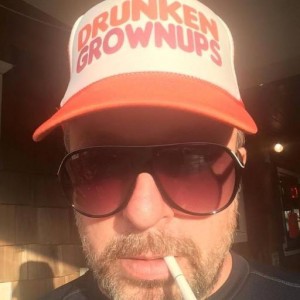 Back again and not soon enough, John Frost. He is the demented mind behind Frostbytes and an imaging style oft-mimicked but rarely matched. After years of running the first online imaging service, creating the "World Famous" branding at KROQ L.A. and influencing countless stations and producers worldwide, John has been invited to present at The Imaging Days in Amsterdam. So that was all the excuse I needed to get him back on the show. I might have gone down some of the same roads as our first episode (worth it) but I also tried to get inside the mind of someone who has attained a unique station in life. See how I did.
www.TheImagingDays.com
Frostbytes Online
Back again and not soon enough, John Frost. He is the demented mind behind Frostbytes and an imaging style oft-mimicked but rarely matched. After years of running the first online imaging service, creating the "World Famous" branding at KROQ L.A. and influencing countless stations and producers worldwide, John has been invited to present at The Imaging Days in Amsterdam. So that was all the excuse I needed to get him back on the show. I might have gone down some of the same roads as our first episode (worth it) but I also tried to get inside the mind of someone who has attained a unique station in life. See how I did.
www.TheImagingDays.com
Frostbytes OnlineTranscript
55 min read • 8,166 words
Announcer: The Producers, featuring the most respected international talent in the world of audio production and voiceover. Radio, TV, film, and online. In-depth interviews and industry insights, putting you on the inside. This is The Producers Podcast with Ryan Dream.
Ryan: Hey, what up? podcast time. Let's try and make this intro short. by the way, the featured guest. Certainly we will categorize this into the power player episode. I hadn't spoken with John on the podcast in years. Actually did try to get him on one other time, but communication failed. Anyway, we, I solved the communication conundrum and, was chatting with John. He of course is just so amicable and said, of course I'll be on your show. And also we're going to, do a little hype-in of the Imaging Days. so why don't I start there? In case you are unaware, John Frost is one of the featured speakers at the Imaging Days coming up in, well, near Amsterdam in Haarlem. That's in the Netherlands. Yeah. Anyway, October 5th and 6th, we're like, what are we, 3 weeks away? And one of the featured speakers, John Frost. So if you still haven't gotten your tickets for that, I highly recommend it. the other Americans that are on their way would be, Kelly Doherty, queen of all of imaging, really the leader of all of imaging in America, but, definitely VP Imaging of iHeartMedia. Anyway, Dom Nero, producer at Hot 97 New York, one of the truly legendary radio stations. Dom will be on the show here coming up very, very soon. Like I said, I'm gonna fire off a lot of episodes this month before we get to the Imaging Days. Anyway, so that's the Imaging Days. theimagingdays.com is the website. I think I might have mentioned that, but, you know, check it out. And if you are in the area, well then I definitely recommend taking a train or a plane or driving on over to Harlem and showing up because it's hugely worth it. I just had such an amazing time last year. I can't wait for this year again. If you'd like to reach out to John's all over Facebook. You can find him there, however you find— I'm not really the Facebook king. Most of my stuff comes from Twitter. So anyway, if you want to find him on Twitter, double-check. Frostbite987. Frostbite987 on Twitter. Otherwise, I suppose I'll come back and wrap it up in the outro, but let's get right to it. No demo, no audio needed, I would say. I think we take the bulk of the time and just really dive in and hear from the one and the only John Frost. You know, a person that a lot of people consider to be their hero. I would say I could use the word legend, and I don't know if it makes him blush because I can't see him right now, but I will say his name and introduce him to the show again. Mr. John Frost. Hi, John. Thanks so much for being on.
Frost2015: Hey, everybody. How you doing?
Ryan: You know, I've got— you know, I had this written down as a question. I'm gonna, I'm gonna hit you with a heavy one right out of the gate because I did sort of mention it.
Frost2015: Okay, good.
Ryan: You are one of those people that people say, you know, if they're listing their heroes, you come onto many, many people's list, obviously in the radio imaging world, but radio in general. How does that honestly make you feel? What do you think of when you hear that?
Frost2015: I am super flattered to hear that I've had influence on people's, you know, work. It was literally just people before me when I was just listening to the radio and had nothing to do with the business that, made me go and do it, you know? I mean, it started just being my dad up in Alaska, but he was, he was doing little skits and stuff that none of the other radio stations were doing. And I just thought that was so cool. even though that was old-style radio, you know, doing radio plays and, you know, what have you.
Ryan: Yeah.
Frost2015: it just was so cool that he was just making stuff up and doing voices and, and making radio fun to listen to and entertaining. And so He influenced me and I'm so happy and flattered that I was in a high-profile position at KROQ in LA when people got to hear my stuff and emulate my stuff and even question the way they were doing things. It makes me feel really good to have any kind of impact on anything in life before you pass.
Ryan: Right, right, leave a mark. It's nice.
Frost2015: Yeah, absolutely. Even if it's just a little tiny radio mark and it's not like you're famous, you're just, You're famous with some radio people who work in the background.
Ryan: I don't know, would you rather be famous in general for basically nothing, or would you rather be famous—
Frost2015: Yeah.
Ryan: Or would you rather be famous amongst your peers in a very— not a very, but in a small field? Well, I—
Frost2015: you know what, it matters to me what we do, making radio fun and making radio interesting. It just— that matters to me, so It's kind of been one of my passions. So I guess, you know what, I'll say the correct thing and say, yeah, that's much more important than the money and the women and the fame. Yeah. Yeah.
Ryan: Before I go back down the road of more serious questions, although I'm just really interested in this one, you started doing stand-up a while back, and I hope you're still doing it because I know you had some success, but is that still going for you? And then how is it going?
Frost2015: No.
Ryan: No?
Frost2015: It's not still going. There's a long answer and a short answer. I'll give you both because you can edit it later.
Ryan: Yeah.
Frost2015: The long answer is I really hate having to do stuff in front of a live audience because you don't get to edit it. And I've just, you know, I didn't— if I stood out at just doing things live on the fly, I'd be a really, probably a really much better radio DJ or announcer than I am. I'm not that good on the air live. I'm much better when I can just sit in the back and then rethink the punchline and then rework it. It's like every time I tell a joke, I can probably think of a way I could have told it better. And when you have that chance to make it better in the mix, as it were, then I don't know, I come off a lot funnier when I can think of a funnier punchline. I'm not as good just flying off the top of my head. I mean, I really admire people like Adam Carolla and Jimmy Kimmel and people that I've worked with along the way that were so quick at coming up with stuff that there's no way I could have fixed it in post.
Ryan: Mm-hmm.
Frost2015: You know, I just can't do that. So that's the long answer. The short answer is I really hated doing comedy stuff because in LA, it's just like you're in a band and you have to promote it even to get a gig. You gotta get 10 people in the door for the comedy club. And I felt like I was pestering people on Facebook or whatever to come to my show, pestering the same people, whether they've already been before or not, just pestering everybody. And I hate it when people do that to me on Facebook. So I just hated doing it to people. So I'm back in the— there is a possibility I'll go and do a little bit of standup here and there, but I really wasn't that good at it. Not as good as behind the scenes stuff.
Ryan: Well, I think a lot of people would agree with me saying, hearing your work over the years, it did sound like an obvious second step for you, not whatever, you know, another avenue to go down. It seemed obvious.
Frost2015: I guess if I had done it, I wish I had started it 30 years ago. Yeah. You know what I mean? When it would be relevant. Now I've got to just go up there and do old, fat, pale, diarrhea, pooped my shorts jokes because I'm old. Yeah. You know?
Ryan: Yeah. Yeah.
Frost2015: Well, and that's good. People will point at you and laugh. I mean, there's no doubt, but I just, I don't know.
Ryan: Yeah, no, that's cool.
Frost2015: You just kind of— I wish I'd started that a long time ago when I first said, I should do comedy. Nah.
Ryan: Let's go to Frostbite because, you know, one of the most prolific imaging services that's hit the world, and it gets back to that whole legend sort of hero thing, but it also gets into sort of a copycat thing. But start with the beginnings of it. If people didn't hear our first interview or if they simply don't know, a lot about you yet. They just know of you. Was Frostbite the first online imaging service?
Frost2015: To my knowledge, it was. And it's possible if somebody were able to research this or knew better, that maybe there was another one that was on before. But it was right at the forefront of delivering imaging by, by, you know, internet.
Ryan: And it was that constantly updating, you know, system.
Frost2015: And it was— everything was delivered pretty much either down a network line, I guess, is the way Premiere was doing it, or imaging stuff was delivered by CD.
Ryan: Yeah, CDs.
Frost2015: You know, through the mail or through FedEx or whatever. And so it had never occurred to me until like Napster that the internet could just be a file delivery service, you know? And that was going on and it wasn't my idea to do it. It was Premier's idea to do it. And I was just very, very excited, you know, to give it a go. Frostbite has been around since I left KROQ in 2000, 2001. I was at KROQ in LA for, what, 13 years? And then I've been at Premier Radio Networks doing Frostbite since 2001. So that's, I guess, 14 years now. And it's been tough and amazing and weird. And all I'm trying to do is just— I'm not trying to reinvent anything. I'm just trying to make stuff fun and make stuff interesting, you know, and make stuff weird.
Ryan: You've obviously had to evolve the service over the years. I mean, things change. I don't know if you can think of— I mean, people could be interested in What were some of the bigger changes or evolutions you had to make over the years? Things that really stand out as major issues or things you stumbled into over the years?
Frost2015: Most of the changes of direction are just you get tired of a style or you see or hear something else that might work and you try that. When I first started it, we didn't really know what it was gonna be. I think it was just a bunch of sound effects and a bunch of little music pieces and things. Then I started adding, I don't know, whatever else I could think would be funny. And then topical, timely comedy bits and intros to songs and just whatever else we could think. We started to morph it to basically what I heard back from whatever, whoever was subscribing. Anybody, hardly anybody takes the time to go and say, here's what I wish you'd do.
Ryan: Yeah.
Frost2015: Here's what's wrong with this. But that is really more than anything, the most helpful stuff is when you get feedback from subscribers. And I think that probably helped to shape directions it's gone. And just my taste or distaste for the way I was doing it has changed the way I do stuff. I used to be way too fast, I think, in my delivery.
Ryan: Mm.
Frost2015: Just 'cause I was hyperactive in every possible way. So I've slowed that down. I've realized the beauty of using silence to punctuate points.
Ryan: Yeah.
Frost2015: Which is no secret. People do it in everything from electronic music to movie trailers to, you know. So, you know, my style, my delivery's changed. Gotten a little more mature, I think, but I try to still do really wrong, off-color stuff here and there if it has to do with the news or there's a point.
Ryan: Is there anything that you won't touch Or will you basically anything that comes to your head you'll do?
Frost2015: Yeah, there's plenty. There is plenty I won't touch. Some of it I used to touch and now I just won't touch because I'm a little more mature.
Ryan: Yeah.
Frost2015: I've never really touched too much, at least, at least, you know what, people might disagree with me. I don't think I've ever really touched race stuff very much. Maybe. And I don't really make fun of Black people. I mean, how do you do that? You know what I mean?
Ryan: Yeah, well—
Frost2015: I've never really made fun of gays. I've played gays. I don't know. I'm pretty liberal, and so I'm pretty forgiving of people. Asians I stay away from. Well, maybe I don't. I don't know. You know what? I think I withdraw that whole answer.
Ryan: So maybe there is actually no place you won't go. Okay, got it.
Frost2015: You know what? I used to, I used to, I used to like, do things about, people who are mentally handicapped. And I think that I've gone away from doing that because I don't think that's fair or nice.
Ryan: Yeah, I suppose at the end of the day, if you're not serving a purpose, even if it's funny to you, there's no sense in doing it.
Frost2015: Yeah, I mean, you know what, you can literally do a— if you want somebody to act a certain way, you can do that. But just, you don't ever want to call them retarded, or you don't want to— you know what I mean? Yeah, it's just laying a label on someone that's so— yeah.
Ryan: Yeah, I agree.
Frost2015: There's bad words that I will definitely stay away from, and there's subject matter that I'll definitely stay away from, 'cause I just can't see a point.
Ryan: Is there anyone up the line, you know, in your world? 'Cause I think a lot of people might think of you as this completely standalone entity that sits— at least here's how I picture it. You've got your studio at your lavish estate, and it's like a cavern, and nobody comes in or out, and there's nobody to kind of check your work, or to, you know, do anything to tell you yes or no on anything?
Frost2015: I wish there was. Yeah, I wish there was more checking of my work.
Ryan: Okay, so is that kind of how it is then, where basically Frostbite is Jon Frost in a little cave and it goes onto the site when you say it goes onto the site and that's the way it runs?
Frost2015: That is definitely mostly true. I don't have anybody that tells me I can't put something on the site, you know what I mean? Or I really, unless I send things on to, I mean, I admire a lot of people that I work with just in and outside of the corporation. And so if I do do something, I will send it around and see if they have better ideas for how I could have done it better.
Ryan: You do?
Frost2015: Oh, sure. I think especially if you're not sold on something you've just finished and you're like, it's kind of funny, but it's also long and blurry and sad. You know, so you send it around. to other people that might be able to help you. And I've got a stable of people who I highly respect.
Ryan: Are there other people—
Frost2015: Like Ryan, like you, for instance.
Ryan: Yeah, right. I get the email with content all the time. Although I know of a couple that you're probably referring to. Are there people that might be actually running competitive services that you're actually friendly with and you might bounce ideas off of or learn things from or just sort of chat with?
Frost2015: Yeah, I would say so. Just, I don't know that they're competitive services. I mean, there's a lot of them under the blanket of Premiere. There are people that I really, really respect. You can't not respect— in my, in my opinion, you can't not respect Eric Chase and Nick Daly and, yep, and Forrest Martin and Miles Lifco at Kiss Now. And, and I mean, Will Morgan up in San Francisco. And, you know, there's— Sure, there's lots of people at And I really like Jason Garten, what he's doing down in Miami. I guess that's a competing company. To not like something because they're your competitor is ridiculous. All I draw my motivation from and my inspiration from is just hearing other people, big or small, doing things that I hadn't thought of yet, or things that sound funny or creative or smooth or, you know, So I'll listen to everybody and I'll draw motivation and inspiration accordingly.
Ryan: Yeah, absolutely. I've heard this answered. It's very curious to me how people answer this. I'm talking legendary, 38 years on a morning show in the 5th market, and still they reminisce about their days working in market 280. So for you, Right. Do you ever look back on some, you know, maybe your days in-house at KROQ or even in Alaska and go, man, maybe I could just go back to that? Like, does that ever happen for you or is that just not a sensation you get?
Frost2015: I think that everybody has that, don't ya? I mean— I wonder that. Even if you're not in the business, if you're out there working in an office in a cubicle, all you— and you're, you know, you're starting to make okay money and stuff, you still remember when you were 19, living on your own, just barely getting by eating Top Ramen. You know what I mean?
Ryan: Yeah.
Frost2015: And going out every fricking night because it was the thing to do. You know, you're maybe 21 because, you know, that's old enough to go drink. So that was just it though. You'd live, you never felt more alive than when you were just barely squeaking by, having fun, no real commitments, no real, you know, anything dragging you down at that point. You were never freer and probably You know, barring incest or anything else that might have happened at that time, probably the happiest time of your life.
Ryan: Yeah.
Frost2015: When you were finally out on your own and just trying to figure out how to make it work.
Ryan: And then taking a step away from that, looking back at what you just said, doesn't it actually seem weird though that a Jon Frost who's running a Frostbite and is copied everywhere and all this, isn't it kind of weird to hear someone say that?
Frost2015: That they kind of missed the carefree years where they could— No, the movie Citizen Kane, he's dying and he pined back to his childhood sled. You know what I mean?
Ryan: Yeah.
Frost2015: I mean, it's just— I think it's just what you do. You look back and you're like, I really enjoy where I am now. I really enjoy knowing all the people I know and having tried all the stuff I've tried. And I mean, I really enjoy where I am. I love it. But that comes with lots of pressures.
Ryan: Yeah.
Frost2015: You know?
Ryan: Yep.
Frost2015: That you didn't have when you were making minimum wage on an AM radio station in Anchorage, Alaska or something, you know?
Ryan: Yeah.
Frost2015: It was just— life was more exciting then.
Ryan: Yeah, it makes sense. I don't wanna get too ethereal, but I do appreciate getting a little ethereal with you. Anyway, —
Frost2015: This is the most serious interview I've ever done. I don't know why. You caught me at either a good or bad moment depending on your perspective.
Ryan: I like it. I like it. I don't want to just talk about noises and zings and dings and, you know, fart jokes. You were at KROQ, and it's funny, you know, for me, I grew up in LA and I loved KISS FM. I was, you know, a nerdy poppy— a pop kid, but I loved KROQ.
Frost2015: Right.
Ryan: Loved it. You know, so I didn't know that you were influencing me years, like a decade before I even thought about getting into radio. And at that point—
Frost2015: How was I influencing you if you were listening to KISS?
Ryan: No, I was listening to KISS and KROQ. That's, I didn't know if I made that clear.
Frost2015: Oh, I see. Okay.
Ryan: Yeah, they were my 2 stations.
Frost2015: Oh, okay.
Ryan: so, you know, I was, I was a KISS guy. I loved, you know, Rick Dee's Countdown on the weekend.
Frost2015: Sure.
Ryan: But, you know, in the evening, get home from school, it's always KROQ. It's always throwing KROQ, Lovelines, you know, all that.
Frost2015: Yeah.
Ryan: so the point is you were influencing me to be— for when I got into radio more than 10 years after that. And then all these people are always saying how you were the influence. They're copying what they heard on KROQ, whether it be now or 10 years ago or almost 20, 20-plus years ago, whatever. I'm wondering—
Frost2015: Right.
Ryan: I've heard you answer, I've seen you answer this question too about how if it's done well, you like it, if it's not, eh. But really let us into the head of somebody that is copied. Not a lot of people will be able to say that.
Frost2015: I think when I was young and stupid, I thought it was bullshit. you know, it just— it, it kind of pissed me off. I'm like, meh, this is my style, meh. But really, what was my style? Just being fast? What, sounding like a cartoon? I think cartoons had that down before I came along. I mean, if you think about it in hindsight, what really do you have to be mad about?
Ryan: Sure.
Frost2015: Really?
Ryan: To compliment you, you were, at least as far as I know, kind of the first anti-radio radio sound. You know, where everything was sounding big and, you know, the radio, you were the guy who was like, nah, how about we do it more like average guy would say it or nerd would say it, you know?
Frost2015: Yeah, I don't think I even get credit for that. I mean, I'm sure that there's millions of examples of that happening before I even came along, whether I know those people's names or not.
Ryan: Yeah.
Frost2015: whether I knew I was even borrowing from those people or not. I'm sure it went on. I mean, Lenny Bruce was anti-establishment in the '60s. And we were trying to be rebellious as a station. I don't think I get complete credit for that, even putting together the image that KROQ was going to portray. I think they just were carefree and didn't give a shit. And so I came there and tried to tried to amplify that, you know? So I don't know what I can really claim as—
Ryan: Sure.
Frost2015: As, you know, sure, I brought some really cool, unique styles and just some easy things. Well, maybe easy, maybe not easy things to copy or emulate. I'm so glad that happened though. I really feel honored by that now. It's like the opposite of when I used to be upset by that.
Ryan: Yeah.
Frost2015: Some of my best friends, at times I've heavily copied, but hell, I heavily copy from all my friends. I mean, I really do. If something's working on the radio better than the way you're doing it somewhere, it might behoove you to try to at least listen to it and figure out why, you know, or how they're succeeding in places that you're faltering.
Ryan: Yeah.
Frost2015: I mean, to not do that, even if it's your direct competitor, God forbid, you know, if your direct competitor is somehow sounding smoother or funnier or pulling things off in a way that you're not sure your station pulls it off as well. It's worth listening to. They're owned by a different person. Who the hell cares? Listen and see what they're doing.
Ryan: Yeah, that makes sense.
Frost2015: All it can do is give you, is give you, you know, realization and, and, and help grow you. And whether you decide to emulate it there or not, maybe down the road you'll understand why that worked better.
Ryan: Here comes my just awesome—
Frost2015: I'm not saying everything. I'm not saying everything I did worked better because a lot of it It really didn't work in hindsight. Yeah.
Ryan: Well, I guess to be good at anything, you got to fail, right?
Frost2015: I mean— Absolutely. And, you know, if you're going to do it right in the public eye, everybody's going to see and hear it. Yeah. So you keep on going because if you're not trying shit, you're not trying shit. And that's— that is what that is. So—
Ryan: I don't know if I covered this. And I was just going to say, you're going to see my awesome interviewing skills as I'm now just going to go backwards. I don't remember if I covered this in the past. When you got to KROQ in '87, can you just give us a snapshot of what was happening there? What did the station sound like? What were you told to do? What were the goals? Or was it in complete disarray and it was just like, do whatever you want, John?
Frost2015: Oh my God. Okay. It was really hard when I got there. I came from Alaska. I came there to make probably $20,000 a year in LA.
Ryan: Yeah.
Frost2015: And I was making that in Alaska. So I was losing money when you got sales tax all of a sudden and you got state income tax. And I was losing money to come there, but I knew I was at the ceiling in Alaska. And the place had just been bought from just a one-person owner by Infinity Broadcasting, which is now CBS. And it had just been located to these offices, which were the bare minimum to make the deal go through. You know, they basically leased some office space, jammed the whole radio station in there, and it met the minimum criteria so that it could go through, and the guy could get paid by Infinity Broadcasting. So I was in a place where there was a— they'd thrown in a new general manager, a new promotions director, and me, and everyone else was the same people. Sure that all 3 of us were corporate drones.
Ryan: Mm-hmm.
Frost2015: You know, it didn't matter that I came from Alaska. I was clearly a spy for the corporation. No one trusted me. I didn't know what I was doing yet because I was from Alaska and I thought I knew what new wave and alternative music was at the time, but I had no idea. So I had this huge learning curve. The program director hated me from the very first time I got there. And I couldn't really put anything on the air to his liking. So it was in disarray. I championed through it because I was glad to be in LA. And I didn't really do anything of quality for the first year.
Ryan: Wow.
Frost2015: I don't think.
Ryan: Well, what was your mentality like in that year? Did you think at any given moment you would just be thrown out the door?
Frost2015: I didn't have much fear of that because the general manager, the person that hired me, the new person that they had brought in to oversee this incorporating of KROQ into the Infinity fold. And so he was the one I had the contract with. I had just a 1-year contract, but he was like, you're good, you're fine, you're good, we're good, this is gonna be great, you're gonna do awesome. And he saw, you know, he was, he had enough fires to put out in the, in the early years there. But I felt like I was safe. And I don't think I even knew that everyone thought I was a spy until much later. Oh, okay.
Ryan: So you didn't even know that. Okay.
Frost2015: So at the time I was just walking around all happy going, woo, woo, woo, boing, you know, just trying to think of some way to do something good. And my, you know, I didn't even come down, I don't think, with that cemented a style. I think in the first year to 3 years is when I really started to get a style that sounded, you know, enmeshed with Carrock.
Ryan: Yeah. Well, that was actually gonna be my next question. At what point did you really Maybe it wasn't an instant, but did you really think, wait a minute, I think I figured out what I am, and I think I figured out what I'm gonna make this station, and I actually think it's gonna really, really succeed?
Frost2015: I don't think there was ever an aha moment like that. I really don't. I think I was growing to fit KROQ, and KROQ was growing to fit me a little. And then we got a new program director, and now KROQ's going a different way. I mean, I think it just It slowly evolved. I wish I could have said that, especially wish I could have said that I was the mastermind, but I, you know, it all just kind of grew and I figured out how to make a fart noise sound like this. And then we're like, hey, I like it when the fart noise sounds like that. And then, you know, you just kind of, you kind of evolve and figure out what you want to be. I mean, the only, probably about 80, '89, '90, we got a program director which called it the World Famous KROQ. And that's the only thing that has really stayed the course since then. And that wasn't mine, but that was so full of itself and so tongue-in-cheek anyway that it totally worked with our image. And that's still around. They're still calling themselves that today.
Ryan: Wow.
Frost2015: And why not? It's the best slogan you can ask for. Everything else though changed. We changed a million slogans and directions and other stuff. And so it was all just a feeling out process.
Ryan: When you got there, I mean, you've become very well known for your style, as far as your voice, I should say, your production, everything, there's no argument there. And your voice is now very well known. At what point did you, okay, it might've been from the beginning, but at what point did you really, you personally become a part of that brand? Was it right from the beginning? Was it later?
Frost2015: No, I think that would have been later. I got there in '87. I didn't do anything good until at least '88. Let me think. Nirvana came around 1990 or '91, I think, or at least Guns N' Roses did. Let me think. I'm trying to— I started to become synonymous in the early '90s. I don't think— and again, at the time, I was the don't-care Reed and stuff.
Ryan: Yeah.
Frost2015: I was using back then was not my baby. I stole that from, or something similar to that, from Keith Eubanks at the time.
Ryan: I thought he might be the name you'd bring up. Yeah.
Frost2015: Oh, absolutely.
Ryan: Yeah.
Frost2015: And I mean, there's very little that I could think of that I could patent. I don't know when I became— I think I started to win awards and stuff, and then it became a pain to go and try to figure out what would fit into award ceremonies, and it seemed really masturbatory to be always worried about trying to put your promos in or find a commercial that you can do so that you can go into the commercial category. You know what I mean?
Ryan: Yeah.
Frost2015: It's just, at the end of the day, ew. You know?
Ryan: Yeah.
Frost2015: So I think at about that time, and then I was starting to get like Inside Radio or people would do interviews with me and stuff. So it must've been, I don't know, early to mid-'90s must have been some— somewhere in there must have been where I started to get recognized.
Ryan: Yeah, yeah, that's cool.
Frost2015: Well, a larger scale.
Ryan: I'm glad we got to dive back into that history there because, some— not everybody's heard the stories.
Frost2015: And, for me, yeah, I'm sure that there's no way that anyone's listening this far into the podcast. I hope you have a skip forward, you know.
Ryan: Yeah, they get fast forward. Nobody's fast forwarding though, I promise you. Let me, switch gears completely and talk about the thing that will then lead us into your seminar or presentation at the Imaging Days. But it—
Frost2015: yeah, sure.
Ryan: In a word, it's writing. Let me just make this statement and then you can answer why or tell me to screw myself or what, but I feel like so many people love to say how important writing is. They love to say it, but yet so few resources and so little time is put into it.
Frost2015: Yeah, it's hard to picture. I mean, for some people it's hard to picture how they're gonna write a scene or something, you know what I mean?
Ryan: Mm-hmm.
Frost2015: I don't know why. Some people are just used to saying stuff in logical order. And so finding quirks— and I mean, writing comes and goes too. I mean, it comes and goes for me. One of the best writers, 2 of the best writers I can think of right now aren't me. I'm thinking of Miles Halifko at KISS FM, and, who else was I thinking of? Oh, Stax at DC 101.
Ryan: Mm.
Frost2015: They just— they're, they're writing really well, and they're thinking of things outside the box really well. And part of it's youth and enthusiasm and, and love for the craft, and, and part of it's just natural talent, you know. So, so writing comes and goes, and it's hard to teach. And I wouldn't even know what the first pointer would be. I'm not even sure if when I go to Imaging Days in Haarlem, Netherlands, I'm not even sure if it's gonna be about writing or timing, which—
Ryan: Yeah.
Frost2015: So that you can actually make a bad script work as well, because everybody's gonna have bad scripts that you can't change. And that's the important thing with spacing and timing and reproducing stuff and moving stuff is that you can— You know, you can make a good script work, but sometimes you can make a good script suck just 'cause you didn't quite deliver it right. And making the bad ones that you have to do work on some level, even if you have to rethink it somehow, that's the beauty. That's as important as writing, I think.
Ryan: You kind of went to where I was gonna go in that you don't really think it can be taught. But if we were going to try and learn to be better writers—
Frost2015: Oh, I'm sure it can. I'm sure it can be taught. You know what? I take that back. I'm not even positive why I said that.
Ryan: Oh no, that's all right. Maybe you're not the teacher, but it can be, but I understand. I understand. I guess I would just ask if you have thoughts on where one might start, if they really want to just go full bore and become the best writer they possibly can, where one might start.
Frost2015: If you're trying to write comedy, I don't have any any instructors that I can, I can, you know, forward you to. But if you're trying to write comedy and you don't go online and just watch stuff on Funny or Die—
Ryan: Yeah.
Frost2015: And just watch, just read stuff on The Onion, you can get an idea how they're thinking. You know what I mean? You can even do this watching your favorite, you know, show on TV. I mean, if you Tosh writes real— or Tosh's writing people write really well. You know what I mean? You can find examples of well-written comedy everywhere. Writing things that feel, that's going to be a little bit different. Maybe go watch some Aaron Sorkin show. It's just, you've got to somehow engage the listener on a human level. I mean, that's the the point of all radio and successful radio is you gotta somehow engage them on a human level, whether it's the Jack FM type delivery of just pointing shit out, you know, or whether, you know, whether it's stand-up comedy like Seinfeld used to do. And it's just, you ever notice, you know, I mean, you just somehow you gotta get something where they say, oh yeah, I've thought that. You know what I mean?
Ryan: Yeah.
Frost2015: So you're gonna, you're just, you gotta treat 'em as a human 'cause they are. Whether they're really listening carefully or not, the only thing they can really bond with is something they identify with. And so you got to hit them on some level. Either it's thinking the same things are funny or thinking that the same things are bullshit. Whatever it is, you got to relate to your listener on a human level, and that's never changed.
Ryan: Yeah, absolutely. Quick side note, since you did mention his name, A, are you a fan of Aaron Sorkin, or did you just randomly pick his name? Or B, If you are, what's your favorite Aaron Sorkin written material?
Frost2015: I don't know if I'm— I'm not a fanboy.
Ryan: You're not a big fan?
Frost2015: No, I'm a fan. I'm not a fanboy. I mean, you see good TV and then you like it, and I'm liberal, so he kind of fits me in that way, or semi-liberal. I don't know. I really like the very beginning of— what was that, The Newsroom?
Ryan: Yeah.
Frost2015: That 2-minute tirade he went on to set up the— basically set up the whole series was incredible writing. Go watch that.
Ryan: Like in The Social Network, everything Mark Zuckerberg, everything he said, I thought was biting. Pretty cool. And then for me, there was like 2 episodes of The West Wing, the end of season 1 and the beginning of season 2. I think are just—
Frost2015: I'm sure. I mean, he just— nobody can— Can write a speech like Aaron Sorkin. I'm surprised he's not writing political speeches for actual politicians. Yeah.
Ryan: I didn't mean to go on a Sorkin tangent, but I did mean to lead that into, are there any other just off the— people that influence your writing, specifics? But you mentioned some general ideas on how to see good writing, but anyone that stands out to you as like, man, that dude knows what he's doing.
Frost2015: Writing-wise?
Ryan: Yeah.
Frost2015: I like, I like, I only, you know, and I know there's a lot of it going on. And I mean, and if I don't bring up a name, it's not that that person's not a good writer. I may just not have read or heard much of their stuff, but let me see, people that influenced me in writing.
Ryan: And I don't even mean like radio people necessarily. You already mentioned a couple, you know, Stax and Miles.
Frost2015: Oh, okay.
Ryan: But I'm just saying just in general in life, just so people can kind of get to know you a little bit.
Frost2015: Yes.
Ryan: Anyone that—
Frost2015: Okay, I'll give you some examples.
Ryan: Yeah.
Frost2015: For movies, I'll give you some examples. I like Ethan and Joel Coen, who've done everything from Fargo to just all these things. And their quirky style, I think I really, really identify with. For telling truth and just the lost nature of today's youth, if you will, I kind of like Lana Del Rey's lyrics that she writes.
Ryan: Oh wow, okay.
Frost2015: And she's a musician and she's also hot and that's fine, you know, but she just, she writes really kind of shady shit if you listen to it.
Ryan: Uh-huh.
Frost2015: And it's obviously honest. Let me see, who else do I like writing-wise? I used to love The Replacements and Paul Westerberg a lot. That was back when I was a youth. Who do I like on TV right now? I can't think of any good writing examples I like on TV right now.
Ryan: Did you watch the show Mr. Robot by chance?
Frost2015: No, but I keep hearing that that's the thing to be watching.
Ryan: Yeah, man, I like the writing of that show. I like the pacing. You've talked about pacing a little bit here. I really enjoy the pacing of that. It's a bit of a ripoff.
Frost2015: Yeah, no, what I've read about it, I really want to go and jump into that and binge-watch it.
Ryan: Yeah, the theory— I mean, the theme of the show is essentially a Fight Club ripoff. But it's totally the, you know, the base— I'm sorry, the more detailed stuff is totally different. But the writing, the pacing, boy, oof. It's, you know, that and like the walking dead.
Frost2015: Yeah, nobody's ever really mentioned the pacing part of it to me. I will take a look, you know, I'll take a look at that because I'm interested. Yeah, I've been interested in trying to start that for a while now. Presenta— you know, I'm not gonna say it. It's gonna sound all dipshitty.
Ryan: Say it! We like dipshitty.
Frost2015: I really loved Mad Max: Fury Road. Oh man, I really liked that movie. It was written okay, but it wasn't that. It was the— I mean, the cinematography was amazing, but the way they told the story without, without dialogue blew me away. Like, right at the very beginning of the freaking thing, you're just thrown into a world that's clearly weird and effed up, and you don't feel comfortable, and it's bizarre, and off-putting, and it just felt like that world probably would have felt if you lived in it. And so that blew me away, and filmmaking-wise, I thought that was unbelievable.
Ryan: You know, that could be a good takeaway in writing, and even for radio, writing copy for commercials or writing copy for imaging. It's as important to write the background information as it is the dialogue.
Frost2015: Yeah, maybe so. I didn't say that, but yeah.
Ryan: I think that could— sorry, Jon Frost just said no, but I personally think that might be an important thing people could focus on.
Frost2015: That's very possible. It depends on how much room you have in these, you know, tiny, tiny things you're writing nowadays.
Ryan: Yeah, yeah. All right, Imaging Days 2015. I know Anthony— I was there last year, and Anthony, I think, had, you know, come to me about you a long time ago. I'm like, well, if you don't get him, you're a fool. But I know you're gonna be there, you're gonna be doing a panel. We already mentioned it a little bit, but if you'd like to kind of highlight what generally you plan on doing.
Frost2015: I'm very excited to be there. I've never, you know, bringing my fiancée. She's never been out of the country, so she's very excited. we're gonna go to the red light district. Wait, what were you asking? No. Yeah, no. I'm really excited to do it. I don't even know. I honestly don't know if anybody even knows who I am there. You know what I mean? I know some people that are transplants that used to be in the US know. Some people might know who I am, but it's It feels like a different world over there radio-wise. And so I'm as excited to meet people and hear what's going on as I am to tell them what I know. And like I said, I'm gonna probably be talking about timing an awful lot. I know I'm gonna be talking about the use of silence to make things better.
Ryan: Mm-hmm.
Frost2015: Beyond that, I'm not sure. I'm really excited to see a couple of the people the other seminars, the other panels.
Ryan: Yeah.
Frost2015: Not panels, I guess. What are they? Sessions. Yeah.
Ryan: I'm really excited.
Frost2015: I've called them— I'm really excited for the Niels Franken one. Yeah. Because I guess those guys went off last year.
Ryan: Niels and Chris. Yeah. They closed it down. And I mentioned this in an interview I just posted with Anthony Timmers about that was probably the biggest moment where the entire room went, oh, Like, oh my, how can you do that? When they were showing one of their sessions. It was pretty cool though.
Frost2015: Wow, I'd like to see that. That sounds amazing.
Ryan: Well, well, man, awesome. I know you are a busy individual with lots of creative writing and such and noises to make. It's a real honor to have you on again, John. I really, really appreciate you being on the show again.
Frost2015: Thanks for having me on again, and I'll, you know, anytime you want, I'll do it again.
Ryan: All right, we'll see you in Amsterdam. Thanks, John.
Frost2015: All right, thank you.
Ryan: Lock it up. thanks to John. I say that because I truly mean it, and also my mommy told me to say thank you when people do nice things. So anyway, thanks for the time, John Frost. at Twitter— where's the Twitter?
Frost2015: At—
Ryan: yeah, that's it, Frostbite987. I knew there was numbers, I couldn't remember which ones. @Frostbite987 is his handle on Twitter if you'd like to reach out to him there. He's all over Facebook, so you can go hunt him down over there if you'd like. Also, theimagingdays.com, I believe, still has a cool little video he posted for his upcoming presentation at the show October 5th and 6th. I suppose for the Americans it might be just a little bit late to take a random trip to Amsterdam, but maybe not. Some of you can do that. I can say this for sure, the show highly worth attending. It's also like 15 minutes from Amsterdam, which, you know, pretty cool city to go to. for those of you that are listening a little bit closer, jump on a train, a plane, or a car, whatever you got to do. just can't recommend the show enough. coming up, Dom Nero. Gonna revisit with Dom. highly worth a second interview with, with Dom to see how things have been going at the mighty Hot 97 over the last few years. The last time I spoke with him was actually in the Hot 97 studios, so that was pretty awesome. For now, we'll just have to, stick to our down-the-line type interview that, we're used to. Anyway, still going to be a great one coming up here, actually as soon as possible, like a week, maybe a week from now perhaps, because he's also going to be at the Imaging Days and I want to hype that show one more time with Dom. Otherwise, if you— I'll say this again, I don't know when I mentioned it, maybe every episode Maybe not, but if there's people that you think I need to talk to, please send them my way. I'll just you go to the website Brian Cooney. I'll tell you that here in a minute. Ryan Dream at Gmail. That's the easiest way to contact me. I get emails all the time. Just had another one from a presenter in Australia who had used to be in the imaging world and then is now you know on the air. But start found my podcast. I was like, man, that makes me excited about imaging again. It makes me excited about imaging. So anyway, glad to hear from everybody worldwide. thank you. Okay, I think now it would be a good time for me to say bye.
Announcer: Contact the show, contribute your opinions, see additional content, or simply stay connected at producerspodcast.com.