Episode 137: Neil Wilson
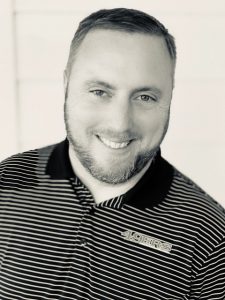 Neil Wilson is an experienced Voice Actor based in the Baton Rouge area. His work is found on Radio like GO COUNTRY in L.A., TV Promo work such as FX Network and HBO, TV Affiliate, Commercial and more. Neil is also, possibly, the biggest football fan I know...like right up to the edge of annoying without quite crossing over. You'll never guess which team he is out of his mind for by going to his website or looking at the pictures below.
Notes:
It's mainly Radio, background and football for the first 30 minutes
The really pure "Voiceover" talk starts at about the 30 minute mark.
We do more "Football" talk on this show than any other show I've done.
Neil Wilson is an experienced Voice Actor based in the Baton Rouge area. His work is found on Radio like GO COUNTRY in L.A., TV Promo work such as FX Network and HBO, TV Affiliate, Commercial and more. Neil is also, possibly, the biggest football fan I know...like right up to the edge of annoying without quite crossing over. You'll never guess which team he is out of his mind for by going to his website or looking at the pictures below.
Notes:
It's mainly Radio, background and football for the first 30 minutes
The really pure "Voiceover" talk starts at about the 30 minute mark.
We do more "Football" talk on this show than any other show I've done.
-Links-
Neil's Website - https://neilwilson.com/ Neil's Studio Build - https://neilwilson.com/how-it-all-came-together/-Neil's Studio Pics-
[gallery link="file" ids="16157,16158,16159,16160,16161"] Here is THE LOBSTER: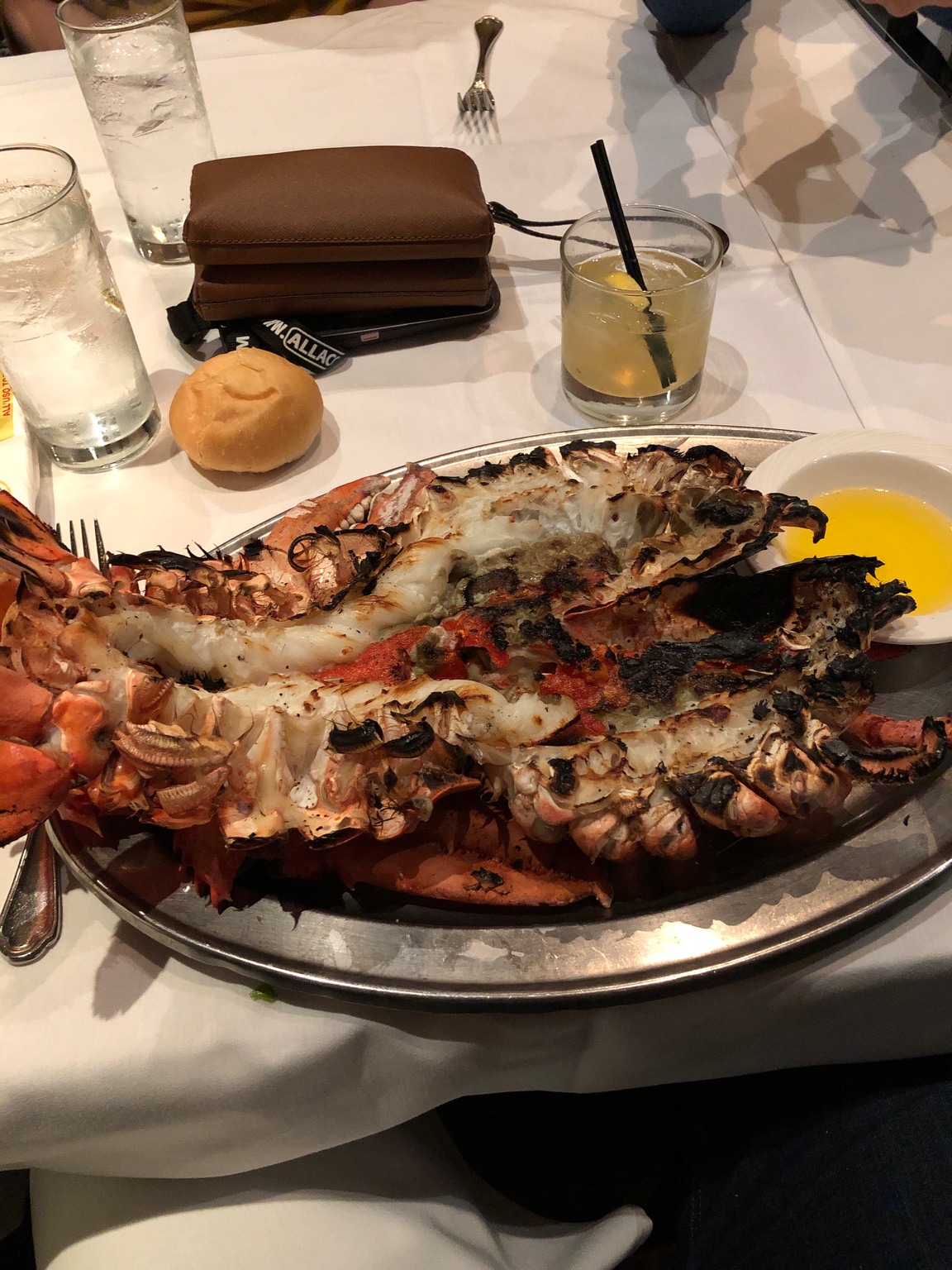
-Watch on Youtube-
Transcript
95 min read • 14,239 words
ANNC: This is The Producers Podcast. Featuring the most respected international talent in the world of audio production and voiceover. TV, radio, film, and more. In-depth interviews and industry insights, putting you on the inside. Learn more at ryandreen.com. The Producers Podcast. With Ryan Dreen.
RYAN: And yes, I'm here. Thank you so much for checking out the podcast. always appreciate your time. Would appreciate a rating or review if you can do that wherever you get your podcasts. It's all good. This is episode 137 featuring voice actor Neil Wilson, who has a pretty significant background in radio and also radio imaging. So just kind of an FYI, we start there and right around the 30-minute mark is where we transition to full-on voiceover talk, as he is operating a very successful voiceover business. And I try to get really into the nuts and bolts and talk about all the facets of, you know, running your own business as a voice actor. So again, That's at about the 30-minute mark. Also should note, there is more football talk in this episode than any show I've ever done, and you'll see why. And finally, I wanted to make mention of the Neil Wilson post on my website. Depending on where you're getting this audio, you might not ever go to my website. If you are an aspiring voice actor or, you know, a 30-year vet, the thing that I liked the most was the intricate detail he put into the post on his website about his studio build. It starts with literally, here's the sort of old rickety cottage that I'm going to gut, and it goes picture by picture every single moment of the process. It's an excellent post, one of the most comprehensive ones I've seen on building a voiceover studio. So I hope you check that out. It is linked again, just go to episode 137 on ryandreen.com or search Neil Wilson, should come up right there at the top. Neil Wilson is a voice actor. He is heard on many radio stations. He does national TV promos. commercial narration, et cetera, et cetera. And by the way, he's a fan of this one football team that you can't ever forget if you've ever hung out with him for even 15 seconds. No, he's actually not the most annoying football fan that exists, but you will definitely know, what he likes by meeting him. Anyway, he's a good dude. he's one of the people I bring on the show that's actually a friend. Sometimes I'm hesitant. The last thing I want is for people to think, oh, that dude just brings his friends on. but Neil and I have gotten along really well. I'm a big fan of your show. to know each other over the years. so certainly has earned whatever spotlight it is that this show puts on people. So let's get us a nice well-rounded demo from Neil and bring him on. The one and the only Neil Wilson.
NEIL: The voice is instantly recognizable. : Heather, this is Reba.
NEIL: Well, we're talking about her music, but you know, that too. : Star 94.1. Welcome back.
NEIL: You ready to start this show? Back, back, back to the music faster. : Keep your radio right here.
NEIL: 101.7 The Beach. Just Bill. : Let me finish.
NEIL: I promise what I have is better. In an all-new live stand-up special. : We got this covered.
NEIL: Bill Maher, live from Oklahoma, Saturday, July 7th. Your alternative rock is here. Is here. Is here. Is here. Hello, Will Bestin. : Hey, it's Bishop Rick Rick Rick.
NEIL: 106.7 The Edge. : Delicious. : Mike and Molly, weekdays on FX. Doctor, doctor! One of these days I'm gonna learn how to play this. It's in tune and everything. A's-Giants Sunday at 8/7c on ESPN and ESPN+. These are extreme houseboats, so all aboard. There's thousands of people, but you're the one in the front row witnessing Coldplay live. Trust First Alert Weather on Live 5 News. : GoCountry105.com. : It's all online. : Stream them online, listen all day. : Absolutely, that's what we do.
RYAN: All right, and there he is. this time, it's, it's not too often that I do a podcast where I say I'm bringing on my friend, but today I bring on an actual real-life friend, Neil Wilson, the voice of radio, TV, promo, commercials, and more, and also a fan of this one football team we'll talk about in a bit too. Neil, thanks for coming on, man. Appreciate it.
NEIL: I can't believe you called me a friend. Like, I got goosebumps. It's, it's very, very much the holiday spirit, I guess, right?
RYAN: I know. Yeah, I am feeling— well, you are my final interview of the year. And it is the holidays, and so yeah. But no, no, I mean, we're legit friends. I think we can say that, right?
NEIL: Yeah, you know, when we've shared drinks and steaks and 4-pound lobsters.
RYAN: Oh God.
NEIL: Oh!
RYAN: You know what, actually, I would say that lobster was more than 4 pounds. I mean, it might have been 4, but looking at it, it was 30.
NEIL: So we were at the Palm for CRS last year, and we went out to dinner at the end, kind of with all the people that were left over. And who all was at the table? It was Heather Walters, and it was you and— Anyway, so lobster is one of my favorite foods, and I was like, well, I don't know if I want a steak, but— So they had 2 options. They had a 3-pound lobster and a 4-pound lobster, and I was like, 4 doesn't seem like that much when you think about how much of the lobster you're losing, right? You're only eating the tail and maybe the claws. That thing was humongous.
RYAN: It was ridiculous. Well, everybody's meal got served on a normal dinner plate, and then yours came out on a legit platter. but it was funny, I think, because you were like, well, what should I get, the 3 or the 4? I'm like, because I think the 3— let's say the 3 was $100 and the 4 was $112. And I'm like, well, mathematically it makes sense to get the 4, right? So how do you not get the 4?
NEIL: Yeah, I think it was like the manager came over and like cracked the, the claws and like it was a whole presentation.
RYAN: Yeah, it was, it was a situation. but anyway, so if you hit up the website, ryandreen.com and hit the Neil Wilson page, there are a couple different links there. We did hear Neil's fabulous demo, although that was more of a, hey Neil, you want to be on the podcast? Or we had been talking about this for quite a while, and you're like, oh, so I should probably put together some audio. So that's really just a nice quick sample of what you do.
NEIL: No, and when I was like, I should put together some audio, and then I said it, you're like, oh, I only need like a minute and a half. And yeah, I was like, how am I gonna snapshot everything I do in a minute and a half?
RYAN: You know, the good, the big gigs you've had. I remember the Bill by the way, 'cause I happen to be a pretty big fan of his. So, I remember hearing that one air before I knew you had booked that. And I think you put that in the demo you sent me.
NEIL: Yeah, that was a fun one. That was actually during ProMax, which was in New York at the time. And most of us never leave our home studios. So, I got to go into a fancy studio and record with HBO. It was really neat.
RYAN: That's cool. Now, let me just throw— I want to get this out of the way, 'cause I don't want this episode to be all about this, but in your obituary, do you think it'll lead with something about voiceover or your career, or will it lead with something about your football fandom?
NEIL: It's probably gonna be football-related, I bet. It'll be like, Neil Wilson, lifelong 49ers fan.
RYAN: And also, yeah, and then third, by the way, it'll be, and survived by his wife and his children. But yeah.
NEIL: Yeah, exactly. Yeah, yeah, exactly.
RYAN: But so, you're a 49ers fan, and actually, I can't remember this because I have a terrible memory.
NEIL: Fan is an understatement.
RYAN: Yeah, no, that's an— I'm sorry. What I meant was you're a psychotic 49ers lover, whatever, fanatic. But do you have any regional connection to San Francisco?
NEIL: No. And you know what's funny is when I— I will get copy and people will think that I'm in San Francisco because they just know me as this giant Niners fan. And I kind of just let the joke play itself and like, oh, yeah, I'm definitely in San Francisco.
RYAN: Hahaha.
NEIL: Sure. I'm on the West Coast. But I'm not. I grew up in the Midwest. And there's actually a video that the Niners came and did years ago. It was when my son, who is now 6, he was like 18 months old. And so, the Niners put a call out for people unique fans in different areas of the country, and blah, blah, blah, blah, blah. So, I had replied to them and said, hey, I'm pretty unique. Like, I named my kid after Bill Walsh. At the time, I was wearing a uniform for the game. That was about 15 pounds ago. And so, they came to the house and filmed this whole movie about kind of my history as a Niners fan, and then my fandom, my game day routines, all this sort of stuff.
RYAN: Mm.
NEIL: And I was able to tell the story of how I grew up in the middle of this, And I wasn't gonna— I'd never kind of have done what society says, hey, you should do this. Here's what society is. I've always kind of bucked the trend. And at the time, the Niners were really, really good. '80s and '90s. So, it was easy to kind of bandwagon on, but then it's just kind of—
RYAN: That's what I was gonna say. It was an easy team.
NEIL: Yeah. It's just over the top.
RYAN: They had one of the biggest crushing wins in Super Bowl history, right?
NEIL: 'Cause I watched that. 55 to 10 against the Denver Broncos. Yeah, it was pretty crazy.
RYAN: Yeah, I saw that. I think I'm— I don't remember what year that was, but I moved to Denver not too long after that. And I was pretty happy 'cause I was a Raider fan, and the Raiders were still pretty good. And then, of course, they went into the toilet for an extremely long time.
NEIL: Yeah, they're still kind of there.
RYAN: Oh, yeah. No, no, no. They live in the toilet. They have permanent residency in the toilet. Even the Super Bowl year in '03, '03, or I think it was '03, that was still a toilet bowl year. I mean, you know, because they weren't even really in the game. Yeah, let's not talk about football anymore.
NEIL: We can make this whole podcast about football this time if you'd like.
RYAN: Yeah, nah, let's not. Let's not. And in fact, I've already talked about the 49ers more than I ever would want to either. No offense.
NEIL: Well, yeah.
RYAN: I mean, no, I have no hate for the 49ers. I just, I'm indifferent.
NEIL: I— as big of a Niners fan as I am, I like to objectively look at the game of football, and I like to learn the game of football, and kind of the nuances and the chess pieces. So, I'm not like one of those fans that's so rabid. Yes, I am rabid, but I like the nuance. I like to understand the game.
RYAN: It's not just animalistic lust for your team blindly and— But also, what was I gonna ask you? Oh yeah, how many games did you go to just this season? We are in week 15, right? Is this week 15 of the NFL season as we're talking?
NEIL: Yeah. So, yeah, there's 2 more games left. So, I went to week 1 in Tampa. I went to the Monday night game against the Browns. I went to week 12 when they lost against the Seahawks. And then I was at the New Orleans game.
RYAN: So you only went to 4? It felt like every single day I was seeing you, you're like, yep, on my way to San Francisco. I would've assumed you went to 10 games this year.
NEIL: I mean, maybe perception is reality, but— or I'm really good at putting out there that I'm only there every now and then. But I have plans to go to— here's hoping, fingers crossed, that we can get the number 1 seed in the playoffs. So I wanna go to the first game, the first playoff game at Levi's Stadium. And then if the football gods are smiling upon us, I'll be at the Super Bowl in Miami.
RYAN: Oh, so you will go to the Super Bowl? Well, that's a dumb question.
NEIL: Of course.
RYAN: You would probably trade—
NEIL: All I want to do is watch my team win a Super Bowl in person. I was at the Super Bowl in New Orleans when it was here, and they lost to the Ravens a few years ago. And you want to talk about the walk of shame. I mean, like—
RYAN: Yeah.
NEIL: First of all, I didn't— it was so full of Ravens fans that it was hard to, like, high-five anybody near me when good stuff happened, but I mean, they shot themselves in the foot that whole game. It was just a miserable game, and I'm a miserable person when the Niners lose. Yeah, but just to walk out of the Super Bowl, like, oh.
RYAN: Yeah, especially knowing the tab you just spent to be there.
NEIL: Yeah, I mean, it really wasn't terrible because I didn't have to worry about flight and hotel. Like, yeah, I mean, I had to worry about parking. Right.
RYAN: No, that's very true. Getting to go to a local Super Bowl.
NEIL: I have a buddy who comes in with me for the games, and he actually flew in for that game. He flew into Shreveport because that was the closest flight he could get, which is way like— if you don't know the geography of Louisiana, like, it's like a boot, and Shreveport's up by like the knee of the boot.
RYAN: That's Texas.
NEIL: Yeah, it's like way, way up by Arkansas. So he— and he drove— he flew into Shreveport and drove down because he couldn't get— couldn't get a flight into New Orleans.
RYAN: Yeah. I think we covered football for this podcast.
NEIL: Let's move on. I guess. I could go all day.
RYAN: You have a military background.
NEIL: Yeah. So, the military was— I used it as a— for the GI Bill to go to college, and I never went to college. I thought, oh, hey, it'll be cool. I'll join the military, and I'll do communications in the military. And I mean, that was about as long as my military career lasted. I did— it was signal support. It was a 31 uniform. And I don't even think that that MOS exists anymore in the military. Basically, our unit—
RYAN: What branch?
NEIL: It was Army National Guard.
RYAN: Okay. Got it.
NEIL: So our unit was like a field artillery unit. So they had the guys who would run the howitzers, which are those I mean, the best way to explain them is big giant guns with artillery shells that are the size of your torso.
RYAN: Are they the ones that are kind of attached to a trailer? They're on wheels? You can move them around that way?
NEIL: Yeah. So, I would run communications between those howitzer launching points. And part of my communications unit, I was like the guy who would go out and fix the communications. So, they were wired communications between these howitzer— these howitzer stations. And if there was an issue in those communication lines, I was a dummy who ran out there and fixed them.
RYAN: Hmm. Did you ever see any live combat or any— I don't know the right words, but were you ever in—
NEIL: No, no. My unit was actually— they went to Iraq right— I got out right before 2010. 2001, right before 9/11. Okay.
RYAN: That's what I couldn't remember the timeframe.
NEIL: And my unit went to Iraq like not long after. It might have been the June afterwards.
RYAN: Yeah.
NEIL: And they did 2 years over there. And everybody came back.
RYAN: Oh, I was going to ask.
NEIL: Thank God, everybody, you know, there were no casualties. As a matter of fact, one of my buddies who was in the unit, he came back and it wasn't long after that that we got married, my wife and I. And he was like the best video game player in the history of video games. I was like, what in the hell did you do in Iraq? And he was telling me that they were running convoys for— they would run convoys for like 24 hours, and then they had like 48 hours off, or sometimes 72 hours off. And there was nothing to do, so they would play video games. And I'm like, you're pissing me off 'cause you're so good at these video games. But, you know, thank you for protecting our freedom and doing what you had to do.
RYAN: Thank you for your service.
NEIL: Now, can I please win this game of Madden?
RYAN: Yeah, just one. Yeah, yeah, you can be 101. Okay, that's cool, man. Well, anyway, that's great. I wanted to make sure we, we talked about, that part of your background. And then the next question I have is, you know, very open, but what was the first time or the first job talking for money?
NEIL: Talking for money? gosh, if we want to dive into the beginning, I think I always wanted to work with my voice. And really, I wanted to act. I wouldn't say that I got paid, but my first real acting experience was in junior high school when I was the— I was in a play called Death by Chocolate.
RYAN: Okay.
NEIL: And I played the gay aerobics instructor. And the character's name is Dick Simmering. True story.
RYAN: Now wait, where were you at the time?
NEIL: I grew up in an area of the— so right on the Iowa-Illinois border. I got family on both sides of the river. It's called the Quad Cities. Some people know it, some people don't, but it's the home of John Deere.
RYAN: It's a big enough radio market that people that work in radio are familiar with it.
NEIL: Yeah, maybe so.
RYAN: You hear of the Quad Cities market.
NEIL: Yes.
RYAN: You know, here and there.
NEIL: It was probably my sophomore or junior year. I started part-time at the group there. And this was before Clear Channel bought into it. It was called Scannex Broadcasting. I think I still have the employee handbook for Scannex Broadcasting. It may be upstairs in a bin that is just—
RYAN: Are you one of these people that holds on to way too many things from your past that you shouldn't hold on to?
NEIL: Honestly, no. Okay, but you happen to have that because I— because in radio, you know, most people are moving every few years. You kind of learn to binge and purge what you really need to get rid of. So, I mean, I have some relics of my past, but not a ton. But anyway, I was doing— I was running— we were still pushing buttons and, and CD carts and 8-tracks for the, for the commercials.
RYAN: Mm-hmm.
NEIL: I was running Sunday morning programming. I think— I don't remember if I did the weather. I don't remember, but I know I was definitely running those, those, you know, Country Countdown USA and—
RYAN: Sure.
NEIL: Crook and Chase, all that sort of like— and the Sunday morning religious stuff that would come in. I was doing that for what is the iHeart cluster now, which is WLLR. And who else is in that building? Q106.5, KMXG. That's the dominant cluster in that market and has been forever. LLR holds like 20 shares. It's ridiculous. That dovetailed into nights. This is all while I'm in high school.
RYAN: Okay, so I was just going to ask, so you're high school age?
NEIL: Yeah, I'm still in high school. I was in a program in high school called Diversified Occupations where you get credit for going to work.
RYAN: Oh, wow.
NEIL: So every day, I would walk into school with my sweater vest and my necktie, 'cause I was going to the radio station, and it was a serious business. I was an intern for Jim O'Hara, is basically what it was. But that dovetailed into part-time, and then I left for the military. And then I came back from the military and went back to that cluster of radio stations. And it was right at that point that I decided that it was time it was time to find a full-time gig.
RYAN: Yeah.
NEIL: Which is when I ended up, and that's when I kind of started to fall in love with imaging, was at that first full-time gig, which was in Quincy, Illinois.
RYAN: Okay. Yeah, I'm not familiar, but I'll—
NEIL: The home of Broadcast Electronics.
RYAN: Ooh, okay.
NEIL: So we were kind of a dummy station for all of, like Broadcast Electronics would bring us like, here's some stuff that we have.
RYAN: Yeah, yeah, let's put it into action, let us know what you think. I've had a few people on that have had those situations.
NEIL: And so it was my first, time to use automation and all that sort of stuff. It was very early into the automation phase.
RYAN: Yeah.
NEIL: And I can remember the program director, like, so the radio station is kind of like 3 different parts. It's in this building, and I don't remember the name of the building off the top of my head, but it's like a senior living place upstairs in the apartments. And then there's offices to the back, and then there's offices to the front, and then in the basement was all the production studios and stuff. And I can remember coming down the stairs and the program director like skipping 4 steps at a time, running up the stairs, because this automation was just firing randomly, just firing through elements. So it was— but it was a great facility because it was when I really got to start to dive into like doing imaging and understanding the flow of imaging and all that sort of stuff.
RYAN: When you first did imaging, What were you working on? Like, what DAW, digital audio workstation, for those just—
NEIL: I think that might have been Cool Edit Pro and maybe even the early editions of Saw. I def— it was definitely Cool Edit, and I think that there was one room with Saw, and I don't, I don't even remember the old versions of Saw, what they, what they were called.
RYAN: Saw 32, Saw Pro, Saw Plus, I think. I don't remember. I, I used that to start myself.
NEIL: If I think about it, I think that the waveform was green on it. And I remember it being way more in-depth than Cool Edit.
RYAN: Oh, really?
NEIL: Yeah, like the way that it— the multitrack on it and all that stuff.
RYAN: Saw infuriated me, and I didn't know why yet because it was the first thing I ever did. You know, and I started because a flood happened, so they're like, yeah, everybody left, so you want to work here? Cool. The sky's the limit. So they handed me Saw. It hadn't even been installed. Anyway, when I got Cool Edit, that made sense to me. That, that was like, oh, okay, all of this makes sense to me. Saw was infuriating.
NEIL: Yeah, you know, some— Cool Edit was just kind of the, the go-to thing, I think, because it was cheap for the radio stations.
RYAN: Yeah.
NEIL: And you could buy one license and, and a lot of times put it on like 4 and 5 computers. So everybody had a copy of Cool Edit. I think I still have a Cool Edit CD, honestly.
RYAN: You mean Peter, Peter Quistgaard, Right, right, right. That's the copy that everybody had.
NEIL: And then the salespeople figured out that you could play Pong on it. Did you remember the backdoor to be able to play Pong on it?
RYAN: Yeah. Yeah.
NEIL: So the salespeople were like, can I get a copy of that? My client wants me to. And, you know, they're at their desk playing Pong.
RYAN: Yeah, that's good. So, so let's jump a bit. But you got your— you got your hands into the radio imaging world. As time moves forward from there? Were you— what percentage of your life was producing imaging and then, you know, anything else in radio, being on the air or other stuff?
NEIL: Honestly, not a ton because I wasn't in Quincy very long before I moved to New Orleans. And that was when I kind of started the journey, the on-air journey, which was nights. And then I produced the morning show at the Intercom cluster, and then I got fired. And I didn't really move too much in radio, honestly. Like, I moved from, like, the Quad Cities to New Orleans, back to the Quad Cities, to Greensboro, to New Orleans, to Greensboro, to here.
RYAN: Oh, okay. So, wait, but when you went into the military, is that what brought you to New Orleans?
NEIL: No.
RYAN: Okay.
NEIL: My uncle lived in New Orleans, and I came down to visit him. So you had family there. And I was like, hey, wouldn't it be cool if I moved down here? Like, you know, an 18-year-old kid, 19-year-old kid with, like, like, you know, no qualms, you know, like just kind of moving with the wind.
RYAN: Yeah.
NEIL: He's like, yeah, sure, come on. So, I moved on to— I moved down. I didn't have a job or anything, and kind of started fresh. Like, I got part-time at the radio station, the ANACOM cluster, and then they opened up a night position. I'd like to think that they opened the nights because I was so good at what I did, Mm-hmm. That they saw a place where they could shoehorn me in, and they made it happen. And then I was in nights for probably a year and a half, really only doing nights. And then the new program director came in, John Roberts, and he moved me to mornings to produce the morning show with— it was Bo and Beth at the time. And then as Bo and Beth's contract ended, there just wasn't a place for me anymore.
RYAN: So—
NEIL: and of course, you know, you make all those kind of rookie mistakes and—
RYAN: Yeah.
NEIL: .that sort of stuff. So you kind of get your eyes opened when you get fired the first time, examining why you got fired. So, when I left— when I left the radio stations in New Orleans the first time, I moved back home, to take a job as the midday guy at B100 in the Quad Cities. And that was when I really dove into doing the imaging because I had watched so much of it in New Orleans. We had— I was able to help kind of relaunch the station and freshen the voice up, and I was kind of the go-to imaging guy. And at that time, I was kind of like, you know, I think I want to go into programming.
RYAN: Mm-hmm.
NEIL: But then another opportunity presented itself, like, right on the heels of me getting back in the Quad Cities, to go to Greensboro and work with a brand-new morning show there. So I kind of tickled this, like, programming, imaging, producer thing for a while. Then I went to New Orleans. I did— that was when I decided I wanted to do programming. After I had done the morning show in Greensboro, I wanted to program. So I took an APD gig at 92.3. It was Diva 92.3 at the time in New Orleans. And I was kind of the APD, and I helped with the imaging. And then that station flipped to mix while I was still here. And that was when I was kind of handed the keys to the imaging. We had Corley on. We had Scott Shannon consulting.
RYAN: Right.
NEIL: We had this brand-new imaging library. We had just all the tools that you could have when you launch a brand-new station to get it off the ground.
RYAN: Mm-hmm.
NEIL: And that was when I really fell in love with imaging, and I was like, I don't think I want to play the politics of being a program director anymore. So, guys, I'm gonna take this. And that was when I took my imaging gig in Greensboro. So I went— now I'm back in Greensboro for the second time.
RYAN: Not to jump too far ahead, but I wanted to get into some other things.
NEIL: We should.
RYAN: So let's go get to where you're gonna get into voiceover. At what point, you know, what was happening in your job when you decided voiceover was something you were gonna either focus on or maybe you were thrust into it? But when did that happen?
NEIL: So after I left New Orleans, I became the imaging director for the Clear Channel cluster in Greensboro and Raleigh. So I had 8 stations in 2 markets.
RYAN: Mm-hmm.
NEIL: And it was at that point that I really kind of dovetailed into knowing that voiceover was where I wanted to go. Although, like, looking way back now, I'm like, I kind of always wanted to work with my voice. That was where I kind of put the plan into action. Because I had 8 stations in 2 markets, I always kind of had to work ahead. So we would write the copy, send it to the voice guy, and then, you know, we would wait for the voice guy to do it. So while we were waiting for the voice guy to do it, I would voice it and create the shells of the imaging.
RYAN: Sure, yeah.
NEIL: So I was able to get this multi-format experience voicing rock and country and top 40 and news talk and— what else did we have? There was country in both markets. Anyway, so I was able to get all this multi-format experience, and that was when I kind of started to use the connections that I was making inside of Clear Channel to say, hey, I'm available for this. If you need any help, I'd love to be your guy, and I can produce it for you too. So it was kind of that one-stop sales piece for these guys.
RYAN: Sure, sure. So what was the first paid voiceover position then? Job, gig, whatever?
NEIL: It's a station I still have, actually. It's in, like, Jackson, Michigan. Okay.
RYAN: Nice.
NEIL: Itty-bitty, teeny-tiny market. Not too far from Detroit.
RYAN: Was it a Clear Channel station?
NEIL: No, it's not.
RYAN: So ironically, even though you sort of put yourself out there for that, you actually booked a non-Clear Channel station. Clear Channel station?
NEIL: I don't even know who it— I don't even know who owns it, to be honest. It was— it came through Benztown because it was early on in Benztown when they— so when they first launched too.
RYAN: So yeah, ballpark a timeframe here now. So what about— what year is this where you—
NEIL: you told me there'd be no math involved in this podcast.
RYAN: Well, I don't know if that's math. I'm just asking you to tell me a year you booked a station, Neil. I'm not sure if we're counting that Probably 2008, 2007, 2008, something like that.
NEIL: Okay.
RYAN: Okay. Yeah, that'd be the very beginning of Ben's Town. Yeah.
NEIL: Yeah. It was very early on. It's, you know, not a ton of money. It's one of those— it's one of those sort of stations where you go, this is the first station I was ever on. And it's really, really cool to still, you know, 10, 10-plus years now to be able to say, guys, we've been able to grow together Yeah, yeah, absolutely.
RYAN: I think I actually still produce not the very first station that I booked, but maybe the second or third. And that was since '05 or '06. Yeah, but those are great, and you know it so well, and you know the people so well.
NEIL: Yeah, and there's something to be said for, from a voice talent standpoint, to be able to grow and morph, you know, 'cause I'll be honest, I was not very good when I started. And I'm probably not as good now as I'm gonna be 10 years from now. And, you know, it's sort of the growth—
RYAN: Well, maybe you're different.
NEIL: Yeah, definitely.
RYAN: Maybe we say you're different.
NEIL: A little more life experience. So you're able to grow with the station, and it's really cool to kind of look back at that process. Yeah.
RYAN: Let me push you ahead a little bit to when you went full-time with your voiceover career. How did that transpire?
NEIL: It was pink, and it was handed to me in an envelope.
RYAN: Well, I kind of assumed that would be the answer, but I didn't want to— So you were one of the many people that were sort of pushed into your career, and you said, continue.
NEIL: I had enough of a stable of side work to be able to leave radio when I was handed my official notice to leave. And I probably just would've never jumped off of the—
RYAN: You needed to be pushed.
NEIL: I kind of needed to be pushed. I liked— I don't want to say that I necessarily liked it. My wife wanted to move back to— she's from this area of the country in Louisiana, and she wanted to come back home. So I had come back here. I was able to retain the work in Greensboro and Raleigh. So I was still doing that. And then I took like a basically a part-time gig here at the iHeart cluster in Baton Rouge, basically running the board for the morning show. So it's sort of like this full circle. Like, I started running the board, and then I got out running the board. Yeah. Yeah. And not as soon as I was handed the pink slip, I got on the phone with the guys in Greensboro and Raleigh and said, guys, can we continue this relationship? FYI, I just got riffed. I was a reduction in workforce.
RYAN: Sure.
NEIL: And they were like, absolutely, no problem. We would love to— you know, we like what you do for us. I don't know why they would— we don't understand why you got let go because apparently they didn't look at what— nonetheless, I was able to hold on to that work.
RYAN: Right.
NEIL: And then it's just kind of been this steady snowball of—
RYAN: And what year was that, if you don't mind?
NEIL: 2011. Actually, we were building a house at the time and I was like, guys, I just built a house. Like, what do you want me to— like, you're gonna fire me and I just built a house?
RYAN: But that was a— well, no. And I mean, it's capitalism and it's fine.
NEIL: Right.
RYAN: And you're fine for it. But the— yeah. And you were part-time though at that point?
NEIL: Yeah, sorta. I was considered a full-time employee, but I was really only working, like running the morning show board and then leaving.
RYAN: So you were like a 4-in-the-door board op basically.
NEIL: I was a 4-in-the-door full-time board op.
RYAN: Yeah, that's pretty cush. Yeah.
NEIL: Yeah.
RYAN: That's hard.
NEIL: But I was still doing the imaging under that, under that, for Greensboro and Raleigh, which they ended up having to outsource to me when everything was said and done. They, I mean, they saved money in the end. I get it, you know, from a business standpoint.
RYAN: Sure.
NEIL: You hate to see people out of work, but, you know, I get it.
RYAN: Yeah, absolutely. So, so, 2011-ish is when you're, you know, thrust into your full-time voiceover career. I still have kind of a big list, but just at the beginnings there, like you had already said, you had plenty of stations and your own sort of side work, I guess, is what you would've considered it before then.
NEIL: Right.
RYAN: Was it scary? Did you feel pretty comfortable from jump street? Of course, you also said you were building a house, so that was— What was the mindset when that happened?
NEIL: mindset when I first was thrust into voiceover or, you know, doing my— being an entrepreneur really was all I need is enough money to make enough money that I can afford to pay my mortgage. We didn't have kids at the time, so my goal every month was just making enough to pay the mortgage.
RYAN: Right.
NEIL: And I think, you know, from a From a performance standpoint, that comes across pushed, right? If you really, really want something, from the performance standpoint, it probably sounded like, oh, a closed fist receives nothing.
RYAN: Yeah.
NEIL: So, if you're clenched and you're tight and it just—
RYAN: Yeah.
NEIL: It was not very relaxing. It was very stressful. And you're kind of— I'm kind of learning a whole new industry at the same time, right? Because I don't know how to be an entrepreneur. I just know that I want to voice things. And so it was a lot of trying to find my way and going, okay, I just need to make, you know, X number of dollars a month so that I can pay my mortgage. It's kind of still like that though too. I mean, really.
RYAN: Yeah, nothing's changed.
NEIL: Now I just have 2 kids.
RYAN: Right. The mortgage is larger, and then there are basically 2 other mortgages that run around and dirty your house, I guess.
NEIL: Right.
RYAN: Now, I've got to talk about your studio build. So tell me about that. You've built your own studio. Where is it in the house, or actually attached to the house, or detached? And when did that build happen?
NEIL: So the house that we built when I got fired, We were able to make some money on that on the back end. And when we went searching for a new place, this was one of the houses that we came to see. And it has— it's a 12 by 18, essentially a shed in the back.
RYAN: Yeah.
NEIL: That the old owner who was here before, he put it in and it was like his workshop. He had like, you know, drill presses and welding machines and all that stuff. Excuse me. And I saw it as an opportunity to gut the thing and turn it into an office space without taking up a whole extra room in the house. So, I gutted it, and I have a buddy who's a builder, and I caught him at just the right time. It was the end of the year, not a lot of stuff was going on. And I kind of had this vision for what it was because I had built the studio in my other house before. And, yeah, it just kind of— my vision and his craftsmanship kind of turned it into what it is.
RYAN: And just so— I didn't— I meant to say this before I got into this topic. You've provided me the link, which I've put on the post for this podcast, about the build of that studio. You've also given me some nice pics of it so people can see. If anybody hasn't already guessed, it has a theme. Gee whiz, Neil, what could the theme possibly be for your studio?
NEIL: It's my fan quarters. I mean, it's all my Niner stuff.
RYAN: The inside of your booth is kind of a cross between San Francisco colors, but also like meters going up and down. What was I seeing there?
NEIL: Yeah, so the— I saw something on Pinterest where it was the— it's the ATS acoustic boards, right? And they're cut into little squares that look like a VU meter. So the back wall of my booth is kind of meant to look like a VU meter in red and gold. Red being the peaks and levels, and gold being the dead space.
RYAN: Yeah, it's cool. I like that. But I do— I actually like that you took the soundproof, the panels, and then repurposed them for that look that you have there.
NEIL: I do not advise doing that though.
RYAN: No?
NEIL: Okay. It was a total pain in the ass. I mean, I cut all of these to a specific size, and then I had to cut all the burlap, And then I had to spray 3M spray on it.
RYAN: Yeah.
NEIL: Like, spray adhesive. So, your hands are just covered in this sprayed— you know, this compressed insulation. And there's gotta be— there might be—
RYAN: Hundreds, right?
NEIL: There might be 200 of them.
RYAN: Yeah.
NEIL: I employed my wife to help, and my dad, and they're bitching the whole way through it. And I'm like, guys, I know. This is my vision, okay? Once it's up, it's up.
RYAN: Yeah, once it's up, it's up until we get a new house. I need to build a new studio.
NEIL: Yeah, I don't think— I don't think we're moving anytime soon. As a matter of fact, my wife and I have talked about moving, and I was like, you know, I just don't want to build a new studio. I really love this space. Yeah, and, and, you know, that's key. And I'm in here 8 hours, 9 hours, 10 hours a day, so I gotta love it.
RYAN: I hope people go and check out the link. To be totally honest, I saw tons of content about your studio build. I liked it. I haven't even clicked the link you sent me yet though.
NEIL: I walk through basically every phase of what I did.
RYAN: Excellent. Does it have a timeframe on there? I can't remember how long it took.
NEIL: No, I don't think— we did it in about 3 or 4 weeks. Again, that's because my buddy was a builder and he was like between jobs. It was the end of the year. We really lucked out. I actually had a session Like, we were just putting glass up, and I have these big panes of glass, and we were able to put up one layer of glass, and I was like, I got to do this session. I've got to do it. And I was like, I took some old— just basically, I was like soundproofing a hotel room just to do this session to make it happen. Like, the studio wasn't even done yet, and I was booking gigs. So, So, it was already moving into the black quickly.
RYAN: Did you consult an engineer for the actual— for the acoustical elements? The angles and actually having that big-ass piece of glass, but all that. Did you actually consult one?
NEIL: Yeah, George Whittam helped a little bit. Probably more than I realise. Because he can take kind of the vision of a— the crazy vision of a creative and relay it to— the builder in kind of builder terms. And he also had a lot of really good ideas for, like, in the wall, I have a snake plate that snakes through the wall so that I can plug in the microphones. And it literally looks like it was meant to be there. So, he was able to help me track down some of those sort of specialty items. Like, he kind of knows where those things can be found.
RYAN: My final question on that, and again, since I didn't click the link yet, I don't think you're I think you put it there, but would you give us a general cost of what a build like that was? Is that something you're comfortable telling us?
NEIL: Sure. Keep in mind that I got kind of the friend discount on the builder.
RYAN: So let's then assume the general labor cost is going to be less for Neil than it would for others, but I think people would be interested to know because I think you did a bang-up job and it looks extremely custom. Which is obvious because of your buddy. But yeah, to know the general budget.
NEIL: Yeah, I think I budgeted 10 grand for it, but it came in at 18. I think it was something like that.
RYAN: Okay.
NEIL: But also remember that the building was already here. So if you were to have to put a— like, I've got the whole studio insured for, I think it's 50 grand.
RYAN: Added on to your homeowner's?
NEIL: No, it's a whole separate policy.
RYAN: Oh, you have a separate policy for it?
NEIL: Okay. Something weird that people may not know is when you have a built— an exterior building, you'd have to check and talk to your insurance person. But for mine, because this building is used for quote-unquote business, right, it can't fall under a home— it's a gray area of the homeowners where they could like deny it.
RYAN: Because it's not a shed, which would be covered.
NEIL: Right, right.
RYAN: But it would be covered for much, much less.
NEIL: Yeah, because business is done out of this building, Yeah. It's some weird caveat. So, I was able to get a Lloyd's policy, which I probably pay too much for, but it's kind of peace of mind if, you know, a tree or something were to— tornado or something were to— I would cry like a little girl. Oh my God.
RYAN: Yeah.
NEIL: Like, if this— if anything in this studio, like, ever— sometimes I lay in bed at night and go, I hope nothing's happening in this studio. Like, I love this. I really love this space.
RYAN: It's really nice. It really is. And I see people post pictures of their studio spaces, especially when they're building something custom. It's always fun. It's, you know, that's kind of the pinnacle of sort of making it in this business when you get to afford to build something nice. The microphone in the picture you sent is not the microphone you use. And in fact, I emailed you. I'm like, dude, what is that mic? Is that a blah blah blah? And you're like, no, it's a paperweight now.
NEIL: Yeah.
RYAN: But it's actually—
NEIL: I just grabbed it. It's a Charter Oak E700, which is a large diaphragm mic.
RYAN: Yeah.
NEIL: And George Whittam turned me on to it. I've kind of just— I kind of just used the 416 on a regular basis for its obvious reasons that many people have discussed on this podcast. But yeah, the Charter Oak E700 is a really pretty pretty mic in pictures, so I kind of dangled it in front of them.
RYAN: It does— no, well, I think I was thinking it could have been a 47. I wasn't— I just couldn't see it. I didn't zoom into the picture, but yeah.
NEIL: No, it's a small company, and actually the owner— I think I have another Charter Oak mic in the house. It's just in the box. It's one of his tube mics. But this is a really great little condenser mic— not really little, it's kind of a chunky condenser microphone, but But it sounds great.
RYAN: So are you on the 416 right now though, as we are all hearing you?
NEIL: Yes. Yeah.
RYAN: Okay. What do you do with your 416 in your mic chain? What do you add on? If you're recording, you know, pretty relative— let me try asking this again. If you're recording clean voiceover, what does your chain look like?
NEIL: So I use the Universal Audio Apollo. As a matter of fact, my Apollo is sold. It's, it's the gray version, the gray rack mount version.
RYAN: Yeah, I actually have that.
NEIL: So I have the Avalon 737 plugin, which is a newer plugin from Universal Audio.
RYAN: Oh, you just got that? I almost pulled the trigger on it. Did you get it on sale?
NEIL: Hmm, I don't think I did. I think it went on sale like right after I bought it.
RYAN: They have a 2-plug-in sale going on right now. I was thinking of buying that and another one, and thus I would get the Avalon at like $125.
NEIL: That's worth it. It's really a good plug-in.
RYAN: Is it really?
NEIL: But, and you know, the thing is, the, the plug-ins, everybody kind of just is to each his own, right? Do you want to drive a Ford or a Chevy? Yeah, it, it's all, it's kind of personal preference really. I can make the Avalon sound exactly the same as the Appy Vision channel strip, which I used as well. But I've kind of like fallen in place with this Avalon since I got it dialed in and sounding good. And then George Whitham, he had me add a little LA-2A to the very end. And sometimes I'll work with studios who are like, hey, are you running any compressor or limiter or whatever on there? And then I'll turn it off.
RYAN: Yeah.
NEIL: But, you know, to the untrained ear, you can't even hear it. And it just, it adds a nice little thickness and richness there that you go, oh, I like that.
RYAN: Yeah, for sure. Well, I could see, you know, your radio clients enjoying it. It gives them a little more beef to work with. And maybe commercial, like you said, the creative studios might be, ugh.
NEIL: Yeah. And for the radio stuff, I send, I send a processed file to all my radio stations anyway. Because most of the time—
RYAN: so something with a lot of extra stuff, do you send them— sorry, I just totally jumped on you, but I do this and others do. Do you send them clean and dry and then also a thickly filtered file, or you just send them the one?
NEIL: No, I send them the, the processed file. So literally all they have to do is add effects to it.
RYAN: Sure.
NEIL: And it was just something that I developed when I was still an imaging director.
RYAN: Right.
NEIL: So now I just process my voice for them. I do have a—
RYAN: And you do that in the box? So you're saying you're not doing it on— okay, so you're doing it in the box after you print through the chain you just described?
NEIL: Yeah, it's literally normalize, number 4, normalize again, and I'm done. Like, I have hotkeys set up for it.
RYAN: Okay.
NEIL: But I have some that don't want any processing. I would prefer to send it processed because I know how it's gonna cut through on the air. And that's more of just kind of my personal preference. But I mean, I'm, you know, whatever. I'll send it to them however they want it if they ask for it.
RYAN: We've talked about this on this show about the sort of protecting the way you sound on the air depending on the skill level of the producer, or just, you know, voice it, send it, and forget it, and let them air it how they want.
NEIL: Yeah. I mean, you know, because again, I want any, any potential future people to, to like what they hear as well, you know. So it's— there's kind of— it's kind of not just the station that I'm on, do I want them to sound good, because I know how to process my voice, but also anybody who may be driving through any given market and hear what I'm doing.
RYAN: Right.
NEIL: TV, I don't obviously process as heavily as I would for radio. Like, radio is just a ton of compression, and, you know, you really, really give it a nice gritty sound. But yeah, the TV stuff, I don't.
RYAN: What about when you audition? So I would assume the rules are similar. TV, you're really not going to touch it too much. They legitimately want to hear pretty clean stuff. And, you know, just listen to the TV and listen to radio. It sounds totally different. But anyway, when you audition for anything radio, what are you doing to your audition files?
NEIL: So radio, I'm gonna send it as if it were processed.
RYAN: Okay.
NEIL: I want them to hear exactly what it potentially would sound like if you hire me. Sometimes I even produce the radio stuff that I send out, the auditions. Just so they can hear kind of the full to-do. I mean, because think about it, like, on the local level anymore these days, it's like the program director who's producing the imaging. Very few people have the luxury of having an in-house imaging guy.
RYAN: Or even someone just focused on it, even if they're not in-house.
NEIL: Right, even a retainer guy. I mean, it's just— so I try to give them kind of the complete picture of what this will sound like on your airwaves. When I audition. Does it help? I don't know. Does it hurt? I'd like to think not.
RYAN: This is gonna lead me to this, I think, kind of, maybe possible good segue. What is the most important element in general to your business for booking new work?
NEIL: Relationships.
RYAN: Okay.
NEIL: Yeah, think about how many jobs go to people who have a— they know the guy. Hey, he's a cool guy. Let's hire him.
RYAN: Yeah.
NEIL: Sometimes it's not even— sometimes it's like fitting a, you know, from a creative standpoint, it's a square peg in a round hole. But because they have the relationship, the relationship is so important. My agents talk about it all the time.
RYAN: Yeah, that's interesting. I did want to mention your website. How old is the design you have right now, neilwilson.com?
NEIL: We just— I just relaunched it. Like, it just— it's less than a year old.
RYAN: Yeah. Tell me about it. How important is the website to your— to your— to booking or to just your, your business in general?
NEIL: I think it paints a picture of who you're hiring. It gives the— it's fun. I mean, that was kind of one of the things that we wanted to focus on in the rebrand. Maurice Tobias helped me rebrand it. She was instrumental. She, she actually found the little, like, dude yelling at the TV, and she's like, Honestly, if you don't like this, I'm gonna fly to Baton Rouge and I'm gonna smack you around.
RYAN: Yeah.
NEIL: And then my web guy was able— we were able to come up with a color scheme. Obviously, it's 49ers colors, but it literally is like it's a picture of who you are hiring. You kind of know what you are gonna get when you see just that landing page. So again, it's one of those things that like Do people who don't understand branding get it? Probably not. Do people who get it get it? Yeah, probably so. So, you know, it's subjective. For me, I think it works. I think it paints a good picture of who I am.
RYAN: And a lot of these questions I ask because I'll get hit up by, you know, sort of new people, whether they're working or not, but they're, you know, how do I get started? Or what, you know, All these questions get asked. As far as a website for a voice actor, I kind of know the answer, but I want your opinion. How important is having a website, and then what, what should your expectations be from your website as far as actually getting work?
NEIL: I think a website's very important. It's, it's like a, it's like a business card, right? So you can, you, you can put samples of stuff that you do on a regular basis up there. I have like little blog posts and stuff that I do. I think it's, you know, the internet is real estate, and the more real estate you can own, the more likely you are to be found, especially if you want to start to understand SEO and how people are searching. What was the— what was the backside of the question?
RYAN: Well, it's funny because even, you know, monstrous talent still don't have websites, and I'm kind of surprised by that sometimes, but then sometimes you're like, Like, maybe they don't need one. And, and then, you know, new people in the industry or people that are looking to get into the industry often will kind of start with demos or being on a P2P site. They don't have coaching and they don't have a website. And in your opinion, you know, how important is having that web presence for a new person?
NEIL: Yeah, I don't know. I mean, I, you know, the first step for any new person, I would say, is work with a coach and work with a coach a lot. 'Cause you're not very good. Even if you think you're great—
RYAN: And even if people tell you you're good, you're not very good.
NEIL: Just because you have a good voice doesn't make you a good voice actor. You know, I would say a website is a piece of the plan. I don't think it's the end-all be-all of the plan. I think it's kind of like, you know, one of the— I'm trying to think of the best way to explain it. Like, it's just kind of a piece. It's like a It's another piece of the puzzle that you can put together at some point. And they're not cheap. So you've got to be very smart with your money as you work through building, growing, and maintaining a voiceover career. And there's just so many levels that I just think starting with a coach is really the best place to start.
RYAN: Yeah, definitely. Let's see here. I guess I already know the answer to this. to think in terms of like tech savviness. It's always good when, you know, voice actors can also kind of be their own tech support. I guess you're pretty tech savvy. Do you have anything else to add about how people can sort of control their own destiny in their studio?
NEIL: Yeah, well, if it works, don't fix it.
RYAN: So the whole if it ain't broke, don't fix it.
NEIL: Yeah, yeah, exactly. Yeah, I had it. I had an issue where I updated something on my—
RYAN: Software update.
NEIL: One of my software updates, and it reset all of my settings. And I, I had a— I think I was sick or something, and I had this session. So I'm good, like I'm in the back of the room going, and I have this— I have a button that I can click where I can just turn off my mic feed set up in the Apollo. So So, I didn't really— I was pushing the button, I would hack my lungs out, and then I would get ready for the next take. So, I caught the tail end of the delay on one of the— on the other end with the engineer, and it's me hacking up a lung.
RYAN: Yeah.
NEIL: So, we get—
RYAN: And you're like, well, he wasn't supposed to hear that. How's that coming back to me?
NEIL: So, we get done with the session, and I'm like, did you guys hear me hacking up a lung? I'm like, I'm so sorry. I'm like, I'm dealing, blah, blah, blah. It was, oh yeah, I just muted it, it's fine. So luckily the engineer kind of had my back on that, but I'm like, it was so embarrassing. And it was all because of a software update that I did that I didn't realize it was taking away that muting function and like reset everything to these, these defaults.
RYAN: So, so, so if somebody wants to learn a little more about, you know, just getting a little more savvy with the technology in their studio, in your opinion, without having to spend money, I'm assuming, you know, there's plenty of stuff Well, I know there's stuff on YouTube, but how would you say to go about it? What are some steps they can take to just learn a little about what's happening in their studio?
NEIL: Play with it off hours. I mean, try and mess it up and then fix it. Have somebody that you can call that maybe talked you into the software, or—
RYAN: Going back to your relationships today, about having those good relationships.
NEIL: I'll be honest, I don't want to make it sound like a commercial for George Widom, but the dude knows his stuff. And he knows all the software from a voiceover standpoint, and he can actually log into your computer and like do it for you so you can see it being done and screencap it.
RYAN: Yeah, TeamViewer, something like that they use.
NEIL: Yeah, yeah, I kind of, you know, for me, even outside of the studio, I'm kind of a tinkerer. I like to, like, I can— the other day I was like changing a part on my wife's car I look at all those sort of things as like creative outlets for me. So if you're a tinkerer, tinker around. Just, you know, don't do it before a session.
RYAN: Sure.
NEIL: Where you might need to mute a cough.
RYAN: Yeah, yeah, it is, you know, breaking something is— and fixing it. Hopefully you can figure out how to fix it.
NEIL: But remember how you fixed it. That's the most important part. Exactly.
RYAN: The best way to learn how something works though is to— and again, I want to move us along here. We're already getting towards the end, and I know you actually probably have to work, but attending conferences, I know that you get out to quite a few of them. We already made reference to CRS and Station Summit, and then you talked about ProMax. I guess I would ask you from just strictly the voiceover point of view, what do you attend and why?
NEIL: I like to, I like to put my money where it's the, the maximum value Right? So I'm not going to go to— and again, everybody's different, but I'm just not going to go to voiceover conferences because I don't see that there's a lot of buyers there. You have to identify what your target market is. If it's e-learning, then go to where the e-learning people are. If it's commercial, go to where the commercial producers are. I do a lot of promos and radio and TV affiliates. So, I go to where those buyers are so that I can grow those relationships, maintain those relationships, and nurture those relationships, and maybe make some new relationships along the way. It just comes back to like spending your money smartly, right?
RYAN: Yeah.
NEIL: Obviously, don't go to those until you're ready. I mean, those are another facet of growing your career. But yeah, for me, it's just about putting my money where I think that there's the most potential return.
RYAN: Yeah, I would agree. I have— I'm trying to think if I have yet to— I don't think I've gone to specifically a voiceover conference. They— it's for all the reasons you said. I've never found one to show me value. But—
NEIL: And listen, that's not to say that there isn't value for some people who are getting started, like learning some things, like, you know, like I use a CRM, right? So, and I track every job I've ever done in the history of my CRM. I have a tally of who sent me what or whatever. So there are things like at those voiceover conferences where you can actually meet with other voiceover talent and understand how they run their business. So there is value to that, but long-term, is it something you want to do every year?
RYAN: Sure.
NEIL: Maybe, maybe not after the The first few years.
RYAN: But sometimes, I think what I was getting to is sometimes you just have to take a swing at them though. Because, you know, for me, I eventually will probably go to a very voiceover-centric conference. Sometimes it's hard knowing which one is the right one.
NEIL: Oh, absolutely. And the same thing with coaches. The first coach you work with might not be the one for you. The second or third or fourth might not. But there's a never-ending cycle of conferences and that sort of stuff. You just kind of have to hone in on which one is the best one for you and Growing your business.
RYAN: since we kind of— we just talked about, you know, the whole asking people how they do stuff, you brought up CRM, and you're clearly a pretty— you're— I think you're a power user. How do you use your CRM? You know, is it a manual— like manual labor all the time, constantly?
NEIL: It's a step. It's a step in the wheel. So, kind of the workflow is when a job shows up, it goes into the CRM as a Either a job I need to do. I track my auditions. I track my bookings.
RYAN: So you track every audition? Every audition that comes in, you put into the CRM?
NEIL: Yeah, yeah.
RYAN: And that's manual, right? I mean, you have to actually enter that for every single one.
NEIL: Yeah, I've actually asked myself, why am I keeping this data? But I'm sure that day will come where there's a phone call or— oh, well, for instance, Like, you know, my agents will call when contracts are coming up and go, hey, how is the workflow on this? And I can go back and look and say, well, they sent on this date and they sent on this date, and here's how many they've sent in the last year. So I know what kind of power user they are of my services, which helps from a— I guess from a negotiating standpoint. That would be more of an agent question, how they use that data to negotiate.
RYAN: Sure.
NEIL: But I keep all that data. Why?
RYAN: I mean, you know, like I was just saying, someday you might figure out why you kept it all, you know.
NEIL: But I also target, like, I keep my contact lists in there. I keep a prospects list for people that I'd like to work with. So anybody that I've made communication with through the, through the networking channels at, you know, the CRSs or ProMaxes or the conferences.
RYAN: Yeah, how do you do that? What's your, what's your process for that? You go to a conference, like we were at State We each met plenty of people. It was way more in your sphere than me, so it was actually super relaxing for me because I don't do the affiliate work like you.
NEIL: You just gambled.
RYAN: I hung out with you guys. I had some beverages. I did some gambling. No, but it was great though because it was interesting to meet these other types of buyers, as you say. But anyway, when you're there, what's your process like to sort of download the information? What you got from that conference? When do you do it? How do you do it? And what do you do with it later?
NEIL: You know, there's a fine line between being annoying and being persistent. So, you know, you make the connection, you get the card, you send a follow-up email, and then you can kind of gauge like what their interest was or is. Sometimes they will hold on to an email saying, hey, it was great to meet you at Station Summit for 2 or 3 years. I had one come through that was like 3 years old. Hey, we hung out at Station Summit and whatever. We have this thing that came up, because a lot of times the jobs aren't— the job is somebody else's until it's not, right?
RYAN: Sure.
NEIL: So that's where those relationships are so important. So I just track kind of how often I reach out to them, what the gist of why I reached I don't reach out just for the sake of reaching out. It always— there always has to be a reason to reach out.
RYAN: Sure. So you're not just sending, hey, how's it going?
NEIL: Right, right. I mean, I have marketing platforms where I do send, like, kind of blanket stuff, but it's always around something, and I try to add some value in that sort of marketing to the end user, like, hey, have you tried this processing setup? For Thanksgiving, I did like a Happy Thanksgiving to my list of— to my campaign list, and then I said, here's how I smoked my turkey this Thanksgiving.
RYAN: Okay.
NEIL: Cool. So, I mean, as long as there's some value there, the PDs are just bombarded, bombarded with emails about hire me, hire me, hire me.
RYAN: For sure.
NEIL: just, you know, that's where the CRM kind of helps me make sure that I'm not overdoing it with those prospects.
RYAN: How often do you send, you know, that sort of, that type of an email campaign to your list?
NEIL: A lot more during the holidays because there's so many packed together, but I'll send one for like the 4th of July. I'll send one for Thanksgiving and Christmas. I don't send one for the new year because people just, you know, sort of like listening habits change, so did email checking habits. People are checked out at that time.
RYAN: For sure.
NEIL: And then I have an assistant who reaches out on a regular basis with work that, you know, either making those new connections or, you know, reaching out to people who have hired me in the past and saying, hey, you know, We haven't talked to you in a while. Marketing is just— it's so important. I think Josh Goodman was saying— what was the— it was like 60% marketing, 30% something, and like 10% voiceover or something. It's really true.
RYAN: Yeah. Yeah. That might have been Goodman. I know I have the Pete Gustin interview in my head a little more fresh. And I think he was basically 50% of his time is spent on marketing.
NEIL: It's crazy, man. You spend more time chasing down the work and actually auditioning for the work than you do actually doing the work. And that's tough to grasp for somebody like me who was just fired and, hey, find your— here, find your way. So you make some mistakes along the way, and I don't think anybody's a master at it, but, you know, you kind of do what you got to do to pay your mortgage every month.
RYAN: And I don't think I've mentioned this before, and I don't know if it's something you do, But perhaps getting onto the lists or getting into the sphere of other VO talent, especially ones you respect, people that you think do great work, and kind of become— see them as a customer or a client might see them.
NEIL: Yeah, you know, having is— I think we talked about this before too, is just having a core nucleus of people that you can rely on that do what you do outside of the Facebook groups.
RYAN: Yeah, we talked about that off the air.
NEIL: Oh yeah, yeah, well, you know, having kind of, kind of Sorry.
RYAN: For a few reasons.
NEIL: I don't know if I was supposed to talk about that. Keep going.
RYAN: No, no, no, keep going.
NEIL: I have a core group of people that I can call on and we can talk about the business and they have their ear on the floor, I have my ear on the floor, and we kind of compare notes. So you kind of have to have that at any level.
RYAN: But yeah, you know. And make sure it's people you trust, obviously.
NEIL: Right, right.
RYAN: But there's groups and these sort of— I've been invited to I don't know what the right word is, like a weekly meetup type, but it's not people I trust. So I feel like there's certain people that are only looking to angle you, and I don't— I'm not a rube, you know, I'm not gonna get angled. So yeah, people like you, and you know, just people like you, as long as you can trust them, then they're super valuable. So valuable.
NEIL: Yeah, you'll feel— it's one of those trial and error things. You'll get burned a couple times, then you'll go, yeah, I can definitely trust this person, or I can— I'm not so sure about this one. one. I think I'm kind of on the other side of like, you know, people see me and they're like, what's he gonna do to me? Which is never the case.
RYAN: Yeah, I know. It took me like 2 or 3 years to find out that maybe you weren't going to, you know, damage my world in some way, that you were trustworthy.
NEIL: I'm coming for you, Dream. I'm coming for you.
RYAN: Oh man. All right, let me, let me get— I got to hit one more thing. We've gone long here, but you know, people can punch out when they want to punch out. But I want I want your opinions on representation and management, you know, and other people that work for you, not necessarily coaches. I guess, what are your expectations from agents in your career?
NEIL: you know, I just like the opportunities. for me, it's about having somebody on my— I'm kind of a yes man, so— actually, I really am. I'm terrible at negotiating. I'm terrible at saying no. So, if somebody calls me and says, hey, will you do this? I'll be like,. I'll feel conflicted. So it gives me the ability to have somebody who's on my team that understands the rates, understands how to negotiate, can say no for me.
RYAN: I was gonna— right, the ability to say no is probably number one.
NEIL: Lady Gaga, who you may be surprised to know I'm a big fan of, said that—
RYAN: I'm not surprised at all, actually. Continue.
NEIL: I saw her in an interview, and she said that when she learned the power of the word no, it changed the whole trajectory of her career. So, having somebody on my side that understands the power of no really helps me. They also can be a sounding board. Somebody that I can call and yell at, or I can call and say, I don't understand why this is happening. Can you educate me? Because of their years in the business. We know which agent, you know, is the helpful one and the one you can't yell at, right? You know, but just—
RYAN: Neil and I are represented by the same agency, so.
NEIL: So, yeah, I mean, I just think they're key in growing a long-term career, and they also provide really, like, major opportunities that you just may not see on, like, a P2P or, like, like, you know, find on your own.
RYAN: So, when, when younger folk or new folk are thinking, you know, I want an agent, I want an agent, but they don't really know what they do, it, it isn't literally to start handing you paid jobs. It— but, but the biggest feature for me, especially when I signed with Atlas, was just not just the amount of opportunities but the types of opportunity. And the, the things that I booked, I would never even had an audition with.
NEIL: Right, right.
RYAN: Much less.
NEIL: And there's some stuff that you'll book that you didn't even audition for, and those are the best jobs.
RYAN: Yeah. When they just show up, hey, look, they hired you from a demo.
NEIL: You're like, oh, wow. Yeah, yeah. Bob Bergen actually had a— I think he said that he took a class in being an agent. Like, he went to school to learn how to be an agent, to understand what the agent does. Because we live in a vacuum. I mean, I'm in a room that I can barely stretch my arms all the way out in. I don't know what's happening in New York at the New York office or LA. I mean, I know what's happening this week. They're preparing to shut down for the rest of the year.
RYAN: Yeah.
NEIL: But you know what? There's still auditions coming in. So, you know, they kind of have their ears to the ground as well. And when you talk about those people on your team and your trusted people, those are very much trusted people for any talent that's with an agency, is just know that you can You can reach out to them and say, guys, I need help. I need advice. I need you to tell these people no. I need you to negotiate a better rate. I need to understand this and that. And they provide so much value for the money that they take from us or for the money that they bill us, I guess.
RYAN: I agree. Yep. I agree completely. Let me ask you one more thing before I ask my final question. For the holidays, I don't think I've asked this before, as a sole proprietor, who runs his own business, that he is the product. Do you shut down for this period of time? Are you always working? How do you handle the holiday season here?
NEIL: So I am officially out of the studio for the holidays. Unofficially, I'm kind of softly available if you're going to dangle money in front of my face.
RYAN: Sure. So what does that mean you're officially out? Like starting now already, or when does that start?
NEIL: No. So I'll shut down the— I try to always shut down the week between Christmas and New Year's. There's never a lot going on. People are on the road. They're in holiday mode. It's not TV sweeps. So none of the TV stations are doing— LA shuts down. I think the SAG-AFTRA offices or something, I think they shut down Thursday for the rest of the year. And you know what? You kind of need that. You need to unplug.
RYAN: Mm-hmm.
NEIL: Last year was the first time that I completely just turned everything off and said, I'm taking my family on a vacation. We're going out of the country. You will not hear from me until I'm back in the US. And it was glorious. It takes— it takes me about a day and a half, 2 days to be like, okay, I'm not—
RYAN: Like, it's okay.
NEIL: I'm not gonna check my email. Nobody's gonna die. Yeah, but I'm kind of always thinking about what's next. Excuse me, cut that out. That's me coughing. I am kind of always thinking about what's next. So while I'm— I was at— I was in Jamaica last year, so it was easy to unplug. But like this year, I'm just home and my dad's here, so, you know, I'm here without being here, but I understand.
RYAN: You're not completely removed, so your brain can't completely disengage.
NEIL: Yeah, yeah, yeah. So yes and no. It's easy to disconnect, but I think you absolutely need it. One of my friends in the business says you have to disconnect. If you don't disconnect, you will drive yourself crazy.
RYAN: Yeah, and, and it's been— it's come up on this podcast a few times before, but, but really, I think it's the TV affiliate work that locks you down more than anything.
NEIL: Yeah, they grind you Like 5 months out of the year and you're cuffed.
RYAN: Yeah. So, well, cool, man. Let me get the final answer here. I'll leave it open. I was going to sort of put you in a box on your advice for new people. I was going to try to say, if you've just been fired from your job, now what's your advice? But really just leave it wide open. Those that are looking to get started out, they're in the voiceover business? What if you have to break down everything we said today? What's the biggest piece of advice?
NEIL: Never give up.
RYAN: Okay.
NEIL: Is that, is that good enough?
RYAN: No, I kind of assumed you would expand on that, but I like it.
NEIL: No, you know, listen, you can do anything that you— it's the same thing I tell my 6-year-old. You can do anything that you're willing to put the work into doing, right? Bill Walsh, to bring it back to the 49ers, has a saying that says, Champions behave like champions before they're champions. So, understanding the subtext of that is important because if you're— I think the quote kind of just sums itself up.
RYAN: It does. I think it does. I think it's a great quote.
NEIL: If you're willing to put in the work and behave like a champion, then you will get there. It's a long process, by all means. I mean, I still feel like it could be more, and, and I feel like I'm in a good place, but I always want more. And—
RYAN: If you ever felt like you weren't improving, would, would that be good or bad? In other words, not that— but you know what I'm saying. If you got to a point where you felt like, uh-oh, I've reached some sort of peak, I don't know how to get better.
NEIL: You're either getting better or you're getting worse. You never stay the same.
RYAN: Interesting. Ah, there's no plateau. There's no flat surface. You're going up or down.
NEIL: That's actually another sports reference from the 49ers, if you'd like to know.
RYAN: Real quick, is your son's name William Wilson?
NEIL: No, actually it's Jackson and his middle name is Walsh.
RYAN: Okay, great.
NEIL: Jackson is the name of the CEO's son and Walsh, obviously, after Yes.
RYAN: Good, good. Now, you mentioned you named him after Bill Walsh, and I actually was worried you named him Bill Walsh Wilson. William Walsh Wilson.
NEIL: No, no. Which would be a hard thing to say all the time. My wife and I debated back and forth as to what his middle name was gonna be, and I won a bet. So I got to name him the middle name.
RYAN: Wow! Your name was because of a bet. Welcome to life.
NEIL: Do you wanna know what the bet was?
RYAN: Yes.
NEIL: I bet him that— I bet my wife that the Niners CEO, Jed York, would not retweet or answer the tweet when I said, hey, my wife said if we retweet this, or if you retweet this, I can name my kid after Bill Walsh. And he did. So now he's Jackson Walsh.
RYAN: Ah, what a lucky lady. So, is she a hardcore Niners fan like you, or does she just sort of put up with you?
NEIL: She leaves me alone for 3 hours once a week for 16 weeks, and sometimes the playoffs.
RYAN: Sometimes, yeah. Is she a big sports fan in general, or does she have her own team, or does she not?
NEIL: No, actually, she didn't grow up in a family that followed sports. Could care less, honestly. She would rather go to a painting class or the gym or play with the kids than watch a game with me.
RYAN: All right, well, that you have her as a wife will remain an enigma.
NEIL: Right. Yeah. One of these days she'll figure me out, but she hasn't done it yet.
RYAN: Okay, good, good. No, but seriously, real quick, neilwilson.com. Everybody go there. It actually is a fantastic voiceover website because it's very easy to consume. It's clean. Everything works. I see that you update it. So, you know, that's great. You're on Twitter and Instagram @neilwilsonvoice. And then don't forget to go to the podcast page, you know, ryandreen.com/neilwilson. and, and check out various links and pictures there as well. I think, I think we did it, Neil. I think we did it.
NEIL: We've survived.
RYAN: Okay, Neil Wilson, thank you so much for being on the show. I really appreciate it.
NEIL: Indeed, buddy. Happy, happy holidays and Happy New Year too, right? Visit ryandreen.com to subscribe, contact the show, and listen to every episode. Please rate and review. The producers Podcast on iTunes or on your favorite podcast app. The Producers Podcast with Ryan Dreen.