Episode 101: Denzil Lacey
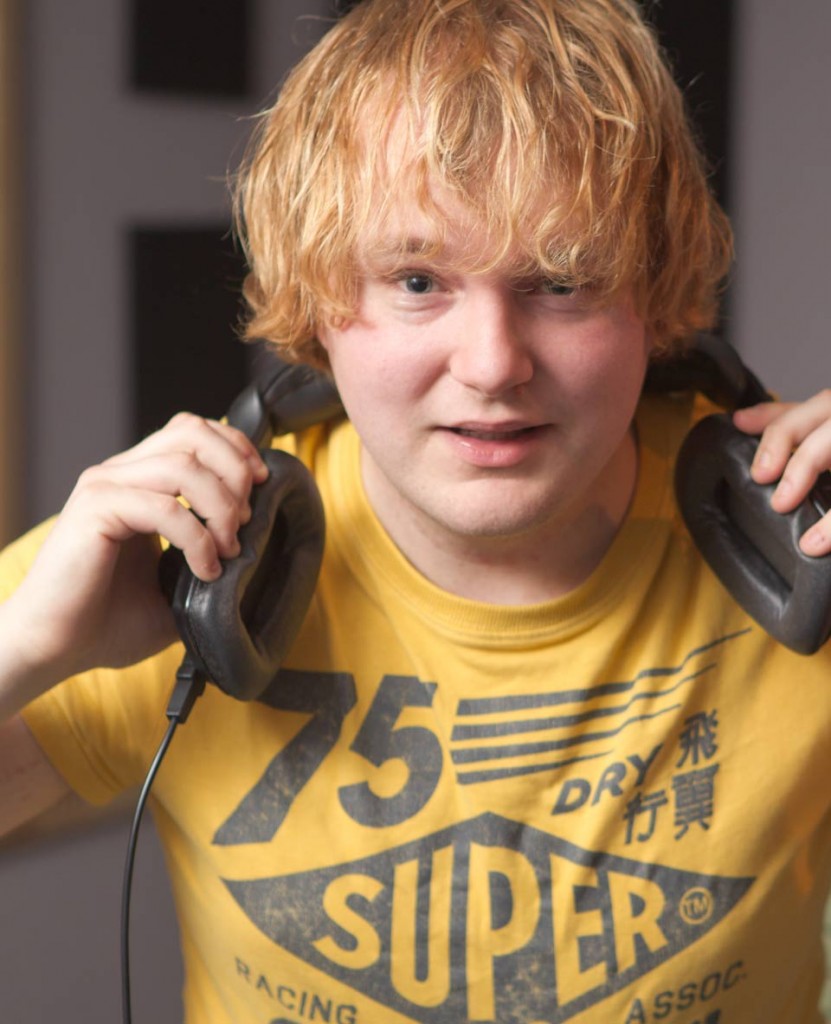 Today we hear from the new Imaging Producer at RTE 2FM (Ireland).This is the new National CHR station and it kicks some serious ass thanks to our guest, Denzil Lacey. He was brought in to not only image the station but create the brand. He has some fun stories about "Illegal Radio" or Pirate Radio from when he was a kid. He has radio in his blood and actually started his career at the age of 2, kinda. We discuss the team, the environment at a large media campus, his panel at The Imaging Days and a whole lot of really nerdy audio and computer stuff.
If you want to reach out to Denzil hit HIS WEBSITE or just look for @DenzilLacey on all the socials
BONUS (Again): Don't forget to check out my pal Ian Sturgeon's new podcast called "Making Wavs." Looks to be a valuable resource. Link: http://makingwavs.libsyn.com/podcast
Today we hear from the new Imaging Producer at RTE 2FM (Ireland).This is the new National CHR station and it kicks some serious ass thanks to our guest, Denzil Lacey. He was brought in to not only image the station but create the brand. He has some fun stories about "Illegal Radio" or Pirate Radio from when he was a kid. He has radio in his blood and actually started his career at the age of 2, kinda. We discuss the team, the environment at a large media campus, his panel at The Imaging Days and a whole lot of really nerdy audio and computer stuff.
If you want to reach out to Denzil hit HIS WEBSITE or just look for @DenzilLacey on all the socials
BONUS (Again): Don't forget to check out my pal Ian Sturgeon's new podcast called "Making Wavs." Looks to be a valuable resource. Link: http://makingwavs.libsyn.com/podcastTranscript
69 min read • 10,278 words
Announcer: The Producers, featuring the most respected international talent in the world of audio production and voiceover. Radio, TV, film, and online. In-depth interviews, industry insights, putting you on the inside. This is The Producers Podcast with Ryan Dreen.
Ryan: Yes, here we are, another Producers Podcast. I know, I, I'm so creative. In order to preserve the epic 100th episode, I decided to call this one number 101, and 100 will come after it. Eh, you know, that's the way it's gonna be. Anyway, I want to thank Denzel Lacey, the guest today, imaging producer at 2FM, that is in Ireland. really great guy, one of the, the younger fast movers in the imaging world, and we'll get into the interview, talk about all that it is he does over there for the public broadcasting company, RTE, based out of Dublin. We'll learn about that. I like learning about not just the actual imaging world, but the media systems that people work in. And let's see here, we're going to talk about his Imaging Days session that now is 1.5 weeks away. Wow. So get your tickets now. You can get more information on that imaging seminar. It's a 2-day event happening just outside of Amsterdam. at theimagingdays.com. And you know what, I won't really take much more time to promote any future events except to say that I have big plans for the official 100th episode. And I guess all I will say is that I want to have as many humans in the world of radio imaging and/or voiceover on the show as possible. So I'm going to take advantage of a certain event that I've mentioned a few times. And like I said, try to get as many people discussing our field as humanly in one show. That's the goal. Now, how it all plays out, how it all gets organized, and all the specific topics, well, we'll figure that out later. Denzel's demo, I went ahead and left the full 2-minute scope that he gave me. He features a lot of very musical, melodic, you know, harmonic mixing, harmonic editing if you will, in his imaging. We heard some of the stuff from his Spin Southwest days, which actually are only a few months ago. He's been on the job, the new job at 2FM, for just a couple of months at this point. So we hear a lot of great stuff in there. If you want to reach out to Denzel, he's basically @denzillacey, D-E-N-Z-I-L-L-A-C-E-Y, that everywhere. You know, Instagram, Twitter, I don't know, all the other places. And his website, denzillacey.com. So for now, let's get to it. Let's hear some great audio from Denzel and then the interview. Hi, this is Dua Lipa. 1, 2, 3. M. Bring back that old school sound. Let's go. 3, 2, 1. 10 classic tracks and old school anthems. This is Rewind, starting right now, only on Spin Southwest. Let's go do it! Connor Bean. Connor Bean on Fun 2 FM. Fun 2 FM, we play hit music on Spin. Spin. Let's go! Fun 2 FM. Tracy Clifford live from Electric Picnic. This is 2FM. 5 seconds of summer. Hey, we have 5 seconds of summer. I'm all that you need. 2FM. It's not too late to say you're sorry. Sorry. Unless you're Justin Bieber. I'm just kidding. Happy Valentine's Day from Spin Southwest across East Alabama. Hi, I'm Rihanna. Thank you guys so much. When you want more hits and more old school, make some noise. 98.3 WSXO. Wake up to Fully Charged. This is Fully Charged. Fully Charged with Martin and Megan. Hey, 2FM! Hi, this is Ariana Grande. 2FM! Alabama's hit music station. Turn it up. WFXO. It's Tiesto in the house. What's up, Tiesto? Play hits music. Spin.
Ryan: And, so here we are, another great, great, great guest who will actually be opening the Imaging Days coming up. So that's just one of like 5 or maybe 10 different reasons I wanted to have Denzel Lacy on the show. So before anything else, Denzel, thank you so much for joining me on the podcast.
Dezillacey: Ryan, you've just scared me by saying I'm opening the Imaging Days. How do I open the Imaging Days?
Ryan: I know. Well, I always wonder that. I know, you know, Anthony Timmers over there puts the whole thing together. It is truly an amazing event. But, you know, who do you choose, you know, out of all the talent that's gonna be there? I don't know how he decides, but somehow this will be the 3rd year. It's never been like, oh boy, that was rough. But now we get into it. It's, you know, whoever's opened the show has done a great job, and I know you'll do the same. It just means I have to get up earlier, that's all. Well, the first year I think he started at 9, and so then next year they moved it back to 10 because he knows the type of people he's dealing with.
Dezillacey: We love to party, we do. Yeah, especially the Irish.
Ryan: we— I've heard that.
Dezillacey: I've heard that.
Ryan: I actually— I think I've got, my grandfather was 100% Irish. He, he grew up there and then came over, I think when he was a teenager.
Dezillacey: Oh wow, okay.
Ryan: He came to the States. let's get back to the, the radio imaging, the radio world. I, I mentioned it in the intro, you know, about how people can contact you. I like your website. It's a nice, clean, fresh design. I think I even read on there that you are into web design. So denzillacey.com, D-E-N-Z-I-L-L-A-C-E-Y.com. Did you build that site yourself?
Dezillacey: I did. yeah, I had a website company for a while. I was dabbling in it. I was doing a lot of freelance work, but I just said I really want to concentrate on the imaging, so I've just kind of moved away from the web design. You know yourself, you go home and you've, you know, I could be working up until 1 o'clock in the morning and then I'm in work at 8 o'clock the next day. So it was like unfeasible, you know. But, yeah.
Ryan: Yep, that's cool. It looks great though. I hope everybody goes over and checks it out. I think for kind of, you know, every, every producer or, voice talent or anybody who wants to contract on their own, you know, you're, you're getting work Many, many ways. Probably very little of it is directly because people come to your website.
Dezillacey: Yeah.
Ryan: But you gotta have one and make it nice and clean and easy to use, and yours is a good example of that.
Dezillacey: Thank you very much.
Ryan: Yeah, sure. But, you know, let's make with the good stuff. So instead of immediately going to your background, I wanna start in saying first, congratulations, 'cause I know it's relatively recently you took a new job. You're at RTE. So, I actually had to go look this up the other day, 'cause I knew what it was, but I didn't know that it was so simple. It literally stands for, Radio and Television— Radio and Television are the RT. What's the E?
Dezillacey: Radio Television—
Ryan: Why E?
Dezillacey: Éireann. So that means Ireland. So Radio Television Ireland. Yeah, so it's like BBC, I suppose.
Ryan: You're right. Okay, so I knew that. I knew it was kind of like BBC for Ireland, but anyway. You're at 2FM, and they recently, I guess, rebranded. They've gone to CHR, or Hotter CHR. Anyway, tell me about the new gig. How's that going for you? And tell me a little bit about RTE.
Dezillacey: It has been the most crazy— I think I'm here about 2 and a half months now. So it is like the massive TV radio for Ireland. So it's basically the BBC of Ireland, for anyone who doesn't know. So it's this massive campus in the poshest part of Dublin. It's called Dublin 4. So there's postcodes in Dublin, they're really stupid. It's like Dublin 4, there's like, I think there's 24 postcodes. But anyway, so it's this massive campus, there's backlots, there's, it just reminded me of Universal Hollywood coming in here.
Ryan: Mm.
Dezillacey: But at lesser scale, you know, you see people working on TV shows, building sets, and then you come into the radio center and there's about 500 people working in this one building. Like, there's about 25 studios in this one building.
Ryan: Wow.
Dezillacey: It is absolutely insane.
Ryan: And you actually live in Dublin, correct?
Dezillacey: Correct, yeah.
Ryan: Yeah, so is it a long commute? Can you bike to work? You know, can you walk, or what's the layout like for that?
Dezillacey: Yeah, so I get the bus every day 'cause it's the handiest. It's very close to where I live. So it's about 15 minutes, but the schools have just gone back, so you're talking half an hour now, you know. Nothing worse.
Ryan: And so you get to the campus there, and you mentioned, you referenced Universal. For those that don't even know what that is, is, you know, in the States there's a lot of these lots that have lots of shooting stages and they just— you feel like you enter, like you said, a big large campus. When— so you'll be working in the radio building, but they might be shooting the hit comedy series that airs in, you know, all of Ireland. I'm trying to think of a— okay, I noticed that you guys air The Big Bang Theory, for example.
Dezillacey: Yeah.
Ryan: So you guys have your own comedy, so they might be shooting that just a couple buildings away.
Dezillacey: Yeah, no, it'd be a lot more kind of— there wouldn't be too much comedy. A lot of that is brought in from America, but they've got like— I suppose it'd be similar to England. They've got their version of a soap. So in England, they've got Coronation Street, EastEnders. So over here, we've got a thing called Fair City. So they've got a full-built like street, and then they have a lot of soundstages and sets for that. So they could be filming 3 times a week, and you can see them all out. on this made-up street that looks really real, and it's just bizarre. You're working in radio, and yet you've got all this around you. There's nowhere else like it. I don't know anywhere else. I don't even know if BBC, 'cause I think BBC, even the TV and radio is completely separate. So like, I think it's one of the few places in the world even that has it, so it's quite bizarre.
Ryan: Oh, that's awesome. Well anyway, always fun. If I do make the trip out there, can I get a tour of the whole deal there?
Dezillacey: It might take a week to do the full tour, but I'll definitely— No, that's an exaggeration. No, it's not huge, but like, it's really big. But absolutely come down. You can see the equipment in here is insane. As I was saying, I'm talking on a Neumann U87, and you know, it's just, yeah, the stuff here is really good.
Ryan: Now, when you took the job at 2FM, this is, okay, so again, we've already talked about it a bit, but RTE is literally like the BBC in Ireland, but it is the public broadcasting company, and, and, but they have, you know, popular radio stations and big TV stations that are popular that people actually consume. RT— I'm sorry, 2FM though, that was what, more of an adult station and they leaned it younger, or was it something completely different? What was the change, and then what were you brought in to do to it?
Dezillacey: Yeah, so before it rebranded— so at the moment it's a rhythmic CHOR format. Before that it was— I wouldn't even say hot AC or AC because it was so diverse. There wasn't as much of a clear message as there is now. You know, there was no playlisting of shows. You know, there was huge talent there, and it was doing really successfully, but they wanted to refocus that on a younger audience, and there's much more of a clear message. Even the branding, the logos, the audio, everything is now kind of unified, whereas before people were, you know, doing different things.
Ryan: Right.
Dezillacey: So I think it's much— it's really interesting to be here at a freshly launched station. So I was brought in as imaging producer for 2FM, and there is a team of 3 audio producers, including myself. So there is the other imaging producer, Shane. He looks after Radio 1 and Lyric, so they're like the AC, and then there's a classical station. Then we've got Lisa, who's kind of over the full department. She kind of links up with us. She goes out, she meets up with people from TV, seeing what we're doing. So she's kind of coordinating the whole radio audio sector, I suppose. So yeah, no, it's amazing, you know, because I moved from a CHR format and this is more of a rhythmic CHR format and it's the only one in the country. No one has ever attempted a rhythmic format, so that's been really interesting.
Ryan: Just so we all are on the same page, and I know we're probably— I know you are using the term in the same way I would, but What are the top 5 or 6 artists you play on a rhythmic CHR in Ireland?
Dezillacey: It's pretty much the same. I'd compare it very close to the Music Policy of Capital in London, I suppose, would be our closest. So you've got, you know, Ariana Grande, you've got Shawn Mendes, the top 40 basically. It's a top 40 format, but the imaging is a rhythmic feel to it, I suppose. So it's, you know, more melodic, auto-tuning, kind of a much, a really good flow to it.
Ryan: Yeah, I played some obviously demo audio in the beginning there. We heard some of the stuff you do with your intros. Anyway, very harmonic in your sound. Your production is, like you said, melodic. When you took the job there, was it, wow, we like what you're doing at— I think you were at Spin FM, right?
Dezillacey: Is that what it was? Spin Southwest, yeah.
Ryan: I'm sorry, Spin Southwest. Sorry about that. They say, we like what you're doing there, bring it here, or did they have some pretty significant guidelines for you, or goals as to where you would take the sound?
Dezillacey: So, I was approached, I was in Spins Out West, which is in a city called Limerick. I was there for 11 months, and I was absolutely loving it, didn't think I was going anywhere, got a call from Lisa. So I had 3 interviews, they had interviewed about 5 other people, and she felt I was the best fit for the station, from my work before. So it was nearly like an open call, I suppose, because it's a state broadcaster, they have to kind of have interview processes and all that sort of thing. So it was more my work in Spins Out West that she'd heard through SoundCloud and through listening that she said, I like you, come here, and I'm glad.
Ryan: Yeah. So I did notice, I mean, you're very proactive on the social media. You put a lot of stuff on SoundCloud, you're always sharing. pretty much a monthly update, right? Basically, you were putting kind of a monthly regular update, and that quite literally got you noticed by the person who ended up hiring you at one of the most prolific CHR jobs in Ireland. Is that a true statement?
Dezillacey: Absolutely. And I can't thank SoundCloud enough. Mr. SoundCloud or Mrs. SoundCloud, whoever that person is, because—
Ryan: Frank Cloud.
Dezillacey: Yeah, but even the Imaging Days, that's exactly how I got to go to the Imaging Days. Anthony had heard my work on SoundCloud. He was like, he messaged me and goes, do you want to speak at the Imaging Days? So the stuff like that, and even knowing you, I've heard your stuff on SoundCloud, that's how I know you. So I think it's a really good platform for getting to know people, getting inspiration, and just sharing work around, because we're like a big family, I suppose, even worldwide. We all know each other really, you know.
Ryan: I've said it before, but even the first year when I— it was the first time I ever traveled to Europe, and it was the Imaging Days, and I remember sort of being excited to travel to Europe, obviously, but when I first walked into the room and you're standing there and you're realizing that you, you've never seen these people in real life, but it's like you know them all, and it's crazy to meet, you know, all of these people. But we'll discuss your session at the Imaging Days here in a little bit. Why don't we go back in time? I read your website, and I think you had a line, something about the first time you went to a station, you were 2, and that's when you knew you wanted to be in radio.
Dezillacey: Yeah.
Ryan: Possibly exaggeration, but what were your beginnings in radio and what did you like about it?
Dezillacey: Absolutely an exaggeration, but you know, you need to hook them in there, you know.
Ryan: Yeah, yeah, exactly. So, asses in the seats.
Dezillacey: Yeah, yeah. So, my dad has been working in radio since the '80s, and he's been working in pirate radio. I think pirate radio is in the States, isn't it?
Ryan: Pirate radio, literally like illegal radio, or a brand name?
Dezillacey: Yeah, sorry, exactly, illegal radio.
Ryan: Oh.
Dezillacey: It's the same in the States, is it?
Ryan: Well, if, yeah, there are pirate stations in the States. I'm still not sure we're talking about the same thing, but no, go on.
Dezillacey: Let's just explain it, just so people are probably like, what is he talking about, pirate? Basically, pirate station over here means illegal, not licensed, you could be raided, your equipment could be taken away from you, you could be fined. So that has been very heavy in Ireland since, See, basically in Ireland, legal or commercial radio was only legalized in the late '80s. So before that, you only had RTE, which I'm working in now, broadcasting. So they had the monopoly over the whole radio sector. Then in the late '80s, kind of into the early '90s, these independent commercial radio stations got set up. So that's kind of the story, I suppose, behind the pirate radio sector.
Ryan: Interesting.
Dezillacey: Yeah, it's very different to a lot of countries because it's It's very late, I suppose, for commercial radio. And I suppose then when commercial radio started here, it was very much based on American radio. So if people listen to Irish radio now, they'll realize that's very close to American radio, and that's why it's been modeled on, on the States. But anyway, going back to my dad, so he started in illegal radio in the early '80s. He's worked through so many different illegal stations, met amazing people. And then he was working at this job where I'm from. It's a place called Bray. and some people might know the name because Hosea is from there. If you're a WWE fan, Finn Balor, he's from there, and you've got like Sinead O'Connor and people from there.
Ryan: Yeah.
Dezillacey: Anyway, so he was in a radio station there. He brought me along every week in a carry cot and literally put me under the desk because he couldn't afford a childminder. So I was just like, okay. I didn't make any noise. I don't know how he had the guts to bring me in and not expect me to start crying in the middle of a show. So yeah, that's it. That's basically where I started.
Ryan: Wow, that's really cool. That's just— there's so many cool things about that little story there. Okay, so then eventually you decide, okay, I'm going to be more than just under the desk. You get old enough to speak and whatnot, and then you get your first job. How did that play out?
Dezillacey: Yeah, so again, it went back to my dad. He bought me equipment. I was messing with DJ software at home, and I was playing around, and I was like, I really like this. So I kept going to different radio stations with him, and eventually I met this, I'll say, character in the radio station, who brought me under his wing. I worked around the radio station a bit on IT, I was presenting. So this is like, it's a licensed station now, I— it's a small kind of, I'd call it a community of interest station, so it's more of a focus on community rather than commercial or anything like that.
Ryan: Mm-hmm.
Dezillacey: So I was working working in there hours and hours. I'd come home at 12 o'clock, 1 o'clock in the morning, and the parents would be going, where were you? And I was like, oh, I was just fixing a microphone, you know, patching a cable somewhere.
Ryan: Right.
Dezillacey: So that's where it really started, I suppose. And then from there, I got loads of work experience with different people. I got to know loads of different people in radio in Ireland particularly. So I kind of worked through stations like 90 FM in Dublin, which is a huge AC station, or hot AC station in Dublin. I owe a lot to them. Then my first, I suppose, paid gig was back in Bray, which was funny because this was the station I was in when I was 2, and it's now licensed. So that was the weirdest.
Ryan: Yeah, so when you were in there when you were 2, your dad was working there. They were technically one of these illegal stations that weren't licensed but still broadcasting. But then in between that time and when you started there, they got their license, so they're Legit, as it were.
Dezillacey: Yeah.
Ryan: And then they hire you, and what are you hired to do?
Dezillacey: Lots of different things. So this was at a time where I'm eagle-eyed. I want to do everything and anything. I'll spend my life in here. So they had me, you know, paneling desks, doing OBs for different shows. I'd be in the rack room just admiring all the equipment, the Orbans, everything like that. And I was like, oh my god. And so literally everything. So that was kind of That was a local radio station to one county, I suppose, and that was, I suppose, an AC format where it was mixed different music, you know, you'd have a bit of current stuff and a lot of '80s. So that's kind of where I started, and then in that building as well, there was a country station called Sunshine 106.8. Funnily enough, that was the first and only country radio station in Ireland, and now it's not.
Ryan: Wait, Ireland doesn't have a country station now?
Dezillacey: No, not at all. It's really funny because Ireland is so huge on its country music, I suppose, American country music. I know, I know. And yeah, it's just to do with— it was to do with revenues, it was to do with listenership. It was just dipping and dipping, funnily enough. I don't know if people are listening on Spotify or just to CDs and stuff like that. So yeah, that recently changed then to a light format recently.
Ryan: Yeah, I guess I wasn't paying enough attention. I thought there still was a station up there, but But I know that a friend of a friend promotes a lot of stuff here in just in Texas, and they have this tour that goes to Ireland, I think other places in Europe, but it's massive. They bring a ton of not even just country, but they'll bring Texas country artists and have this big festival there or some big show.
Dezillacey: I think I've heard of that actually. Yeah, that's— that gets a lot of publicity here.
Ryan: Yeah, and they bring a bunch, you know, a bunch of Americans pay, you know, a big fee, which is all-inclusive, and they go to even might actually be in Dublin or somewhere in Ireland. But it's just— anyway, no need to dwell on that. So when's the first time you started actually producing imaging and realized that, okay, wait a minute, this is something I could do for a living?
Dezillacey: So like, I'd set up internet stations. I called myself imaging producer for this online station. Sounds so stupid now, but I suppose when you're that age, you want to be called something, you want to sound important. And so that was back in about 2008, and then I I didn't do anything then full-time, fully paid, until 2012. I started in a classic hits format in Dublin, so I was producing the imaging for there, and that's my first gig. It's so different from what I'm doing now. I could never go back and do classic hits imaging, and I just think my work since then has really progressed. It's so different.
Ryan: Yeah, so then what is it that, I mean, obviously you wouldn't think, you know, we got this guy producing classic hits imaging, I'm gonna obviously hire him to do CHR stuff, you know. So what is it that got you to make that transition?
Dezillacey: Well, in the background, I was getting to know so many different people, the likes of George Taylor, who I know you've had on, Chris Nicholl, Konski, obviously. So I was getting to know all these people, listening to their work, you know, producing dummy audio, sending it off to them, getting feedback. And, you know, at the very beginning, I was I was a bit obsessed because I'm like, my work is nowhere near where it should be. And but then I realized, actually, no, this is really beneficial. These are the best imaging people in the world, and they have— they're willing to spend their time listening to my audio and giving me advice. So I suppose that's what really got me, you know, into the following position, which was Spin Southwest. So I was in Classic Hits 4FM for 4 years, then this job came up in a CHO format, and because all these various people helped me along the way. I was doing a lot of freelance work. It really helped me.
Ryan: So I wanted to go that way. You already mentioned the people, and then everybody you just mentioned there are actually friends of mine, and they're hugely respected. So those are great names to be bouncing stuff off. But, what else did you do to increase your aptitude? You know, techniques, technologies, just skill set, and, you know, things that you did to make yourself How did you get better at producing CHR imaging?
Dezillacey: I have to owe it to Pro Tools. I was working on Adobe Audition in Classic Hits 4FM for 4 years, wasn't really going anywhere with it, and then as soon as I got Pro Tools 9, got it free with an M-Box, and I just started trying to figure out how it worked. Didn't know how grid mode worked then. For anyone who doesn't know, it's to do with, you know, BPMs and matching things up. So I didn't know anything about that then, but I just literally trained myself for months and months, and eventually I just got the hang of it. Now obviously you learn something new every day. There's something that comes up, you find a plugin that you love, but I have to say Pro Tools is literally how I improved.
Ryan: And then when you get into some of this, you know, more harmonic mixing, this stuff where you're really being musical with your production, what were some of the things that helped you go to the next level in that area of production? I mean, like, are you a musician, for example, or how did your brain start to really hear at a different level and, you know, go further in that department?
Dezillacey: Well, I suppose I'm not really lucky because I have never played an instrument other than a barron. I don't know if you know what a barron is.
Ryan: I don't. I have no idea.
Dezillacey: It's like a drum that you hold. It's an Irish instrument. It's like a drum you hold and you start you know, banging it basically. So it's like a half drum, I suppose.
Ryan: Huh, cool.
Dezillacey: For anyone who wants to look it up, yeah, it's a kind of a cool instrument to learn that in school, and tin whistle and stuff like that. But other than that, I never knew how to play a keyboard, guitar, nothing. So I suppose the thing was, I was literally again listening to work, emulating work people had done before, especially the likes of Real World and Imager, all those, all those big production companies who've just nailed it so well. And luckily enough, because Real World did our initial jingles, I suppose, here. I got to go over to Manchester, spend time with the imaging guys there, and they were showing me how they work. So that really benefited me. I just got to sit down with, you know, these people are among the best in the world, and getting to see what they do and how they make it. And, you know, Mm. Then you just see what they're doing and you go, it can't be that easy. You know, they make it look so easy. And yet, you know, but it was one of the best things I've ever done is going over there and meeting the guys.
Ryan: Yeah, and being able to actually sit down with somebody who you know that their work is where you want to get to or even beyond that, but to literally watch them move clips around in a session and to apply plugins in real time or, you know, the likes of that seems to be, you know, one of the best ways to get better at this.
Dezillacey: Absolutely, you know, and I always say that to people, you know, reach out to people who are in radio and doing imaging. You know, they're more than willing to just help you, and that's— I suppose I wouldn't be anywhere without those people who have done that, you know?
Ryan: Going back to the whole RTE world, but specifically your station, 2FM, or the whole group, the imaging group I should say, do you guys do a lot of collaboration? Are you kind of in your own little world most of the time? And tell me about the writing process and the non-audio production process as far as collaboration, writing, all that.
Dezillacey: So we're very much a team. We're very lucky that we have a great bunch of people in here, really talented scriptwriters. So we have 2 scriptwriters in here, especially for the likes of S&P. We sit down with them, we brainstorm ideas, we've looked at stuff that's worked in the past, stuff that hasn't worked, and we really kind of, you know, each chip in and give our say. And as a result, we come out with some really good stuff. And very luckily, as a result of particularly scripting here, the station has actually been nominated for— it was nominated for a New York Award and got bronze, and we're nominated for a PPI Award, which is the Irish awards, this year as well. So I think, the reason that has happened is because the team here is so close. If you want, you know, help with something, or if you want to get advice off something, people will come in, they'll look at your session, you know. And as well as that, we've got really good sound engineers here as well, who, who'd have a lot of bands in, and it's like their Pro Tools sessions would make imaging sessions look ridiculous. They've got like, you know, 100 tracks and stuff like that. So I mean, we've got all these amazing talented people, as well in TV as well, We have a lot of collaboration with TV audio and syncing video and stuff like that. So, I mean, the resources here are like nowhere else, I suppose.
Ryan: And actually, that was my next question because I know in talking to the team at Capital, for example, it was interesting to hear how much everybody was doing on various platforms. Now, it sounds like your imaging team is actually not that large. Do you spend a lot of time producing audio for picture? or for web video and other content that isn't actually for the radio station?
Dezillacey: Not so much. Primarily, it's imaging, but we'd have projects, like we had this massive concert where we've got a national concert orchestra here in RTE. They're like a 48-piece band, I suppose, and they played at a big festival here called Electric Picnic. It's kind of, you'd have, you know, the massive artists and stuff like that. So they actually did club classics from the '90s in a kind of orchestra style, which was incredible, you know. So it's stuff like that that just really, you know, makes us stand apart.
Ryan: What about cross-promotion? TV to radio, radio to TV. Is there a lot of that happening, or do you guys otherwise remain relatively separate brands there?
Dezillacey: Yeah, we're quite separate. Now, for big projects where both the radio and TV are involved with, there'd be a lot of kind of cross ideas and stuff like that. We'd go over to them, they'd come over to us, and ask each other for ideas. So they're in separate buildings. The TV center is much bigger. Most of our video stuff would just be for web, but— sorry, most of our audio would just be for web.
Ryan: Mm-hmm.
Dezillacey: But if they need something from us, if they need something produced up, we can give it to So we're all very close in that regard, but it wouldn't be the same as Capital. I know they do a lot more of, you know, a lot more syncing to video than we would, but it's really good to have that.
Ryan: I'm just curious too about talent. You know, I know there's lots of different rules depending on which country you're in or what kind of platform you're on, but voice talent, for example, or imaging libraries that you use, even jingle packages that you purchase, Are you basically allowed to kind of contract whoever you want, put them on the air, doesn't matter what it is as long as you pay the bill, or are there limits? Do you have to use union talent, for example? I mean, how does that scenario play out there?
Dezillacey: Well, with regards to the commercial side of things, now I don't look after that, all the voiceovers are sort of unionized. They're in, you know, they've got an agent, so all the commercial talent for spots and stuff like that are unionized. For the likes of voice talent on air for imaging for us, Yeah. The funniest thing ever is actually that the 2 main station voices actually work here, and that's not done on purpose. Basically, when the station launched, they did a full kind of X Factor-style audition across the country for 10 voices. So 2FM has 10 voices, which is very like, I suppose, BBC One Extra. So they went around the country to all the colleges different places, and auditioned some amazing voices, and they picked the best 10. And 2 of those were actually 2 internal people who work here who have nothing to do with being a presenter. They work in the background, they run digital stations and stuff like that. So it actually makes it so handy having them in the building. You can just go, come on down, do this, you know.
Ryan: Now, you have 10 imaging voices for 2FM?
Dezillacey: Yeah. Now, the 2 guys are probably the main, but when you hear you know, our version of jingles, our version of different promos and stuff like that, you'd hear a lot more voices. Now, it might be very subtle, but there is 10 voices in there. And I suppose that's, as I said, it's very like the BBC One Extra style. It's kind of a new way of, I suppose, using voices and imaging, I suppose, for CHR.
Ryan: But do you, out of the, out of the many voices you use, you have one or two that are more of the signature voice, or that are always sort of on the ID? Or is it really just free-for-all and whatever you want to use, whoever you want to use, whenever you want to use them?
Dezillacey: Yeah, so the 2 guys, Adam and Africa, their names, they work here. They are the signature voices, I suppose. So on major promotions, you're always going to hear them, a mix of both. And then when you get to the likes of the 2FM name or drops and stuff like that, nearly all the drops we have are from our sourced voiceover artists. So yeah, we'd have the 2, and then you'd have the remaining 8, I suppose, doing different things within the imaging.
Ryan: That's cool. That's interesting. I think a lot of people in the States might be thinking, wow, I can barely get them to pay for one voice. Cool, they have 10.
Dezillacey: Tell them that, because I know, because I've been in positions where we could barely even afford one. And I know that feeling because I've been in that. And it's like, how do you stay consistent if you can't even afford one? I know that feeling. So it really is a luxury to be here and having the resource of that many people, I suppose.
Ryan: And you didn't have that at Spin Southwest, right?
Dezillacey: So no, not at all. we had 2 solid voiceovers, and I have to give them a shout out because they're just amazing. Chad Erickson, Melody Sharp, 2 of my best friends ever. They're awesome. No, so we had 2 there, but we were very—
Ryan: I am aware. Yep.
Dezillacey: Yeah. And I know, I know you had Chad on. It was an amazing podcast as well. He's such a talented voiceover. But, you know, we were very limited in what we could do with them. You know, he had you know, an A4 page a month with Chad and Melody. So again, I can see where, you know, a lot of stations are very tight on budgets with imaging, especially in Ireland. I suppose Ireland would be very similar to the States in that regard, you know.
Ryan: Yeah, yeah, that's cool. It's a great situation you have there. we'll get a little bit into the tech side if you don't mind, and then, because I know you're, you're, well-versed, and then we'll hear about what you're doing at the Imaging Days. I kind of started this just simply a kind of a DCP, I call it, your DAW, your computer, and your plugs. What do you use?
Dezillacey: So in work, I'm on Pro Tools 11 HD. At home, I'm on Pro Tools 12, just the standard. So I can see the differences between HD and the normal one. It's very different. And then in terms of plugins, we've got the full Waves package. We've got a few reactor plugins, a lot of kind of instrument plugins as well. We've got MIDI keyboards, all that sort of stuff. But I suppose a lot of the stuff I actually use in my session is just the basic Waves stuff. And I know this has been talked about before, that, you know, having the coolest stuff, you know, doesn't really set you apart. It's how you use it. And, you know, Yeah, for sure. Yeah, a lot of the built-in stuff is really good. So I mean, I mean, people might get shocked if they saw my session had so little in it, but it's, it's just how you use it.
Ryan: This will be something that comes up at the Imaging Days. It's kind of funny now, everybody's always saying it, but anyway, on your master bus, I guess I'd be interested to know how you attack your master. And then also, side question, do you guys have a sort of uniform standard there on generally like where your dB range is? and just whatever you do to the master chain, the to-mix of your stuff.
Dezillacey: So, the way that the processors here, the on-air processing is really harsh, especially on 2FM. So on our master, we've, we've literally just got a limiter. So we've got loads of buses set up for vocal chains, for music chains, sound effects, the lot. So we have a very light limiter on the master, which people might go, that's all? but we have to mix everything down to -12 or -9 dB for it actually to go on air, because otherwise it's going to get slammed. So we've set up the voice chains in such a way that it's very subtle but very effective. You know, there's certain plugins we use on our vocal chains, which I'll show at the Imaging Days, that are doing very— not very much, but, you know, it really has a big effect on it.
Ryan: And so while you're actually producing imaging, you might really get a lot more dynamic range than maybe others would, especially after they apply whatever they're doing to their master, because you know it's going to get smashed to hell when it hits the air.
Dezillacey: Exactly, and that's the thing, you know, we have, as I say, we have very little on it and it really works. But there's a few, as regards to templates, there's a few different templates. I love templates, I couldn't work without them. So like, I'd have about 4 different templates set up for myself and then I could share that around the team. So like, I've got a template for branded intros, for promos, and they're all doing different things. Now the vocal chains are pretty much always the same. We always keep them similar. And then when you go into the AC formats, they have a different set of plugins and—
Ryan: Sure.
Dezillacey: You know, so there's kind of, we have a lot of templates. So like in the studio I'm in at the moment, which is the Radio 1, which is probably the biggest station in the country, There must be about 30 different templates on that computer. It's crazy.
Ryan: Yeah, I've heard pluses and minuses now as I've now gotten pretty deep into this career on templates, you know. I certainly have a couple that I use, and then some people are like, well, they kind of keep you so locked in, you don't really change your, your style enough, you know. You keep yourself way too locked into a box when you go to produce stuff. It ends up sounding very similar over time.
Dezillacey: I suppose that's a very good point, but I suppose the lucky thing here is that we all know Pro Tools so well, so like we're not exactly stuck into a template. So if we want to go off the wall or, or just start as fresh every time, I know a lot of people like doing that because, you know, some people, as you say, you just feel like you're in a box and you're producing the same stuff. It's nearly like a factory. But like, I could go off the wall tomorrow and just go, right, I'm gonna do this, you know. So it's just kind of a bit more freedom in terms of what we're doing in the imaging side because Because we've all, you know, been in so many different radio stations, we understand how Pro Tools works. So I think that's a good advantage here as well.
Ryan: Yeah, without a doubt. I'm a template guy, so I don't have a beef with that. I think they're— if you're skilled, it doesn't matter. We don't need to harp on that. It's good stuff. You didn't mention, are you a Mac guy, a PC guy, don't care?
Dezillacey: I'm Mac at home and I'm Mac at work. Before I was here, excuse me, I was on Windows with Pro Tools 11, which I loved at the time because when I'd grown up with Windows all my life, but I much prefer it on the Mac. I just find it much quicker, much slicker, you know, the speed is just incredible and just networking and stuff like that, it really, really helps.
Ryan: Yeah, no, totally agree. I'm the same, Mac at work, Mac at home. I am Pro Tools 12 both though, so I beat you there.
Dezillacey: So, and I saw on Avid's site they put 12.6 up, they put a video.
Ryan: Yes.
Dezillacey: It looks amazing.
Ryan: Yeah, yeah, I, I, I have not looked into it, but I am aware of its existence. That's as far as I got. so, last couple questions here on the tech side. I like to ask these. a plugin or audio tool you can't live without?
Dezillacey: H-Delay from Waves is the best thing invented. There's no other delay I suppose there's a few, but no, there's no delay plugin that makes it so easy to mix on grid and make it, you know, sit on a track of a certain BPM, I suppose. It just sounds so natural. That'd probably be my first. And even, you know, the EQ3, I think it is, from AIR, which is the built-in Pro Tools EQ plugin, Yeah. I find is so good. It's so, you know, if you don't know much about EQ, you can get something you like, and if you're— if you know a lot about it, you can really tweak it and make certain frequencies stand out more than others. I think that's one of the best EQ plugins around.
Ryan: Nice. Now, what about a non-audio tool that you cannot live without?
Dezillacey: Whoo, Google Drive.
Ryan: Cool.
Dezillacey: And I just find that, you know, backing up, listening to stuff at home, because I never switch off from imaging mode, I'd go home I go home after making something and I go, no, that doesn't sound right. And I just find when you're out of the studio, your mind is in a different place, so you can judge it better than when you were in the studio, because you're listening to it too much, you know, the room is small and all that. So I think when you're at home with different set of speakers, or you're on the bus, or wherever, I think it makes a big difference. So I think, you know, the likes of those, listening to stuff at home is really important.
Ryan: Yeah, definitely. Now you're popping, you know, mix outs on Google Drive, but you're not saving entire sessions or, you know, all your audio there, right?
Dezillacey: I am, I am, yeah. Yeah, I am a freak for backing up audio. I just— because I remember my first job, I lost nearly everything, including sessions and stuff like that. So I actually back up my production about 5 different times. You've got Google Drive, Dropbox, and I've got 2 hard drives— no, 3 hard drives that I back up all the time. So yeah. Okay.
Ryan: Yeah, no, absolutely. I— boy, I can't be more of a proponent for at least a— I mean, 5 times is great, but you know, you want 3. You want the hard— 2 hard backups and then 1 offsite. So whether it's Google Drive or Dropbox, I happen to use a different third party for the offsite stuff. But okay, so you're bringing your audio back and forth, home and work, and I'm sure— I'm guessing you're like me where you simply just want to have everything as it is all the time.
Dezillacey: Yeah.
Ryan: So what kind of drives are you using? How do you organize your audio, and what inputs are you using to plug them in? Give me more details on that.
Dezillacey: So I have a backup in work every night on the Google Drive, because we're all on Google here, so it's kind of, we're all on Gmail, all that sort of stuff. So everything just saves there as a backup. Then I work off one main hard drive, which I back up every week or so. I'd bring that home with me, and then at home I'd back that up again, so I've got a copy in a few different places. So, and then in terms of filing structure, I keep it all the same. I've got a production folder on the hard drive, and then broken up into all the different productions I've done. So I'd have the Spin stuff in there, the Classic Hits 4FM, and then freelance stuff, and then I break it down again. I am such a sucker for organized stuff, because I remember my Classic Hits 4FM job, there was people that saved audio as untitled.mp3, and that annoyed me. It nearly made me cry, and I was like, I don't know what—
Ryan: Why?
Dezillacey: I'm looking for.
Ryan: Let me take a step back, if you don't mind. You said you've got your drive, so do you— everything that you need every day, you keep it on one drive that's portable? What kind of drive is that, and how do you plug it in?
Dezillacey: So that's more for taking stuff home. So in work, I work off— sorry, I know this is going to get really confusing mentioning so many drives. So on my main Pro Tools computer in work, there's 2 hard drives connected to that. They don't leave the building. Then they're backed up internally to a server somewhere. I don't know where it is, but it's just there in case. But then I have my own hard drive, which I use to back up again, and then that's my copy itself, if that makes sense.
Ryan: Okay, so you're not— okay, so I get it. The drive you're bringing back and forth is not necessarily temporary, but it's not everything you're using every day. It's just the stuff you need to be moving at that particular day, or this particular week, or whatever.
Dezillacey: Exactly, and it's an archive of everything, all the imaging I've ever done, the effects, voiceovers, from years ago, all that stuff. I just think it's cool to keep that stuff. And even because this is one of the things I'll be talking about, the imaging days, is listening back to old stuff. Like, if I listen to stuff from 5 years ago, I, I'll cringe, but I think it's important just to see self-progression, you know?
Ryan: I think I mentioned that to Chad actually, on the voiceover side. I stumbled into something I did, you know, a radio commercial when I was literally a jock at a radio station back in like 2000 2005 or '04, and I almost had to just leave the room, you know. I couldn't handle how horrible I was. It was tough.
Dezillacey: I'm the DJ! That sort of voice.
Ryan: Oh gosh, like a lot of the clients I have now would be like, holy crap, who did we hire? Like, what? We didn't get that guy, did we? If they ever heard that, and that will never happen. Yeah, anyway. Anyway, and you can be as brief as you want, because it's a ridiculous question, but from your perspective, the future of radio, everybody's got different opinions, and we have tons of digital flooding our world, but where do you sort of see radio's position? And I'd love to hear 5, but also maybe 20 years.
Dezillacey: I'll talk for Ireland first anyway, because that's what I know best. I suppose in Ireland, radio, independent radio, is still relatively new. You're talking 25 years, really, other than RTE. So I think there's, there's been a built-up loyalty with radio stations, and it's the listenership overall. There's about 87% people listening to radio every day. Now, whether I believe that statistic or not, I don't know, but— You know, most people are listening in cars. You've got that sort of side, but I just find that People over here are much more clued in of what radio stations are around. You see stickers on cars a lot more with radio station names. People seem to know what radio station they're listening to. So I think in Ireland, there's very much a loyal listenership, and always has been. And I think we're lucky that in the UK, they launched DAB, which is digital radio.
Ryan: Yeah.
Dezillacey: Over here, it had never— it's never been successful. It is in operation, but so few cars have it, so few people know about it, I don't think there's much of a danger in the next 10 years of DAB taking over, because if it did, I could feel that DAB would take over because there's more choice and people now seem to be more for choice, listening to what they want, you know. So I think Ireland is in a lucky position, but overall I think people seem to be listening to their own stuff. They don't want to be dictated to what they're listening to overall, you know. You've got the likes of Spotify, iTunes, and you know, So it's a hard question. I don't know. I don't really want to answer it because I'm in fear of it. I don't know what's going to happen.
Ryan: It's a tough question. Even when I sort of thought of it, I'm like, well, I've asked this before, but it's ridiculous. But how about this? Just from your perspective, let's say in 20 years, everything will have changed. What are one or a couple of things that local over-the-air radio should focus on? To stay relevant, or at least to stay a media that people want to actually consume.
Dezillacey: There's a really good Facebook, it's based in the UK, and it's Bad Social Media in Radio. I don't know how many times I've seen people put up, I don't know, talking, I think, of what's your favorite biscuit. I'm like, how is that relevant? And every week there's a post up on that Facebook group of a radio station, and big radio stations in the UK, who put up, what's your favorite chocolate bar? And you just think, this is not radio. How is that engaging? You know, I did stuff like that, and I hear it on some stations as well. And you just think, more development and more training— or not even training, that's probably a bad word to use— but more investment into the talent to discuss ideas, I think, needs to happen.
Ryan: Yeah.
Dezillacey: I know program directors are very busy, but I just think there should be a lot more air checking ideas and creative ideas, and not just saying that was bad, you know, 'cause I know that happens a lot as well. So I think investing more in staff, bringing them into creative meetings, praising them for their work, I think could really develop it, and I think it's needed.
Ryan: Cool, let's make with the Imaging Days stuff. So I know, like I said, you're gonna be opening the show, man, you're gonna get everybody rolling. And you've already mentioned a little, but tell us a little more about your session and what you are going to be doing there.
Dezillacey: Yeah, so I'm going to be covering a lot of stuff. So the main focus is going to be how to get into radio imaging. So for the, for the people who might be there who've never been in imaging, want to do imaging, or maybe starting off that gig, I'm going to go through a little bit about my story, not too much because it's a short talk, but just what you can do to better yourself. You know, sending ideas to people, sending audio to people, getting feedback. So I suppose that's how I'm going to start it off, and then getting into Pro Tools itself. And I'm going to give away a little bit of a thing I'm going to be talking about. A lot of people, don't set up Pro Tools properly. I know there's no right or wrong way to do it, but for example, there's certain stations in Ireland who, say for example, make a pair intro and they reprocess the track. That is one of the biggest bugbears of me, and I don't want to sound bad, but, you know, there's nothing worse than listening to a radio station, you're hearing a big song, and it's been processed 3 times. You know, it's already been mastered in the studio, you're mastering it again in Pro Tools, then the, the processor on air. So stuff like that, I think, you know, there's ways around these things to make your stuff sound really good, and I just don't think people maybe don't have the time to find out about it, or they don't want to, but I think it's more the time because people are so busy. So I think stuff like that, setting up Pro Tools properly, or even in some organized manner to make your work better, and to even do more work, I suppose. So stuff like that I'm going to be talking about, and opening up old sessions that I've done. I'll be doing a Q&A, and Just announced this week is the Imaging One-on-One, which has gone up where people will get to meet the imaging guys who are going to be at the Imaging Days. It's the likes of Dave Fox, Sacks, myself, and even yourself, Ryan. You better be ready for it.
Ryan: I'm just going to learn, man. I'm just going to sit there and watch you guys.
Dezillacey: I want to learn from you.
Ryan: One-on-One, yeah, that was just announced. I love that idea. Yeah, and I want to see how it gets done. We'll learn more about it as it happens, but yeah, it certainly sounds like people are going to be able to bring their session, and then you sit down and tell them why it's terrible.
Dezillacey: Imagine sitting in front of Dave Fox and just going like that. Like, that never happened before. You've never had that luxury, and I think it's going to be incredible. I'm going to sit in front of Dave Fox and show him my sessions as well. So I'll hopefully not take up too much of his time, but I'm definitely gonna see him.
Ryan: That's great, man. real— boy, the time just flies. And, I look forward to meeting you in person. I do have the one last question, although I feel like you've answered it 5 or 6 times. Yeah. So I'll let you just do a quick, you know, the, the, the advice you would give the youngster who's wanting a job in radio imaging. What would be number one for you?
Dezillacey: As I said, number one, definitely reach out to people. I had this fear when I was younger that I couldn't approach people, of sending stuff. I was too embarrassed of how bad it was, but just send it. What's there to lose? You know, these people are going to answer you. The likes of Dave Fox, the likes of these massive people in these big gigs are going to reply to you. They want to see people getting into radio imaging because, you know, there's I think it's getting tougher and tougher to get into it, but I think people are more willing to spend their time. So that's number one. And second, if you're not on Pro Tools or you're stuck on Adobe Audition or something, I recommend Pro Tools. And there's so many different ways of getting it now. There's even a free version of it. Yes, it's limited, but you can get to get a feel for it.
Ryan: Yeah.
Dezillacey: 'Cause especially here in Ireland, every station pretty much uses Pro Tools. And where's the— there's no training for it, you know. Adobe Audition is, is quite easy to learn. learn, whereas Pro Tools, you know, might look daunting to people. So have a look at it, you know, download it for free, and, I think you'll never look back.
Ryan: Cool, great stuff. Denzil Lacey, denzillacey.com, D-E-N-Z-I-L-L-A-C-E-Y.com, @denzillacey everywhere. Look forward to meeting you. Great stuff. I can already tell just based on this interview that your session is going to be epic. Denzil, thank you so much for Thank you so much.
Dezillacey: And just want to say it's so weird being on your podcast after listening for— since episode 1. So thank you very much.
Announcer: Contact the show, contribute your opinions, see additional content, or simply stay connected at producerspodcast.com.