Episode 114: Randy Thomas
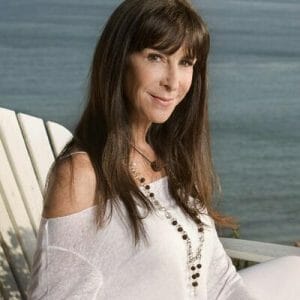 Many people in the industry and/or who regularly check out my podcast will be familiar with Randy Thomas, today's guest. If you know the basics - scroll on down to the links, download the show or just hit that big round play button!
For everyone else Randy is thought of by many, myself included, as Voiceover Royalty. She is one of the few professionals who have been heard by billions...yep, BILLIONS...of people, LIVE. To list a few achievements: Voice of The Oscars (8x) The Super Bowl (3x), The Emmy Awards (5x), The Tony Awards (18x), SAG Awards (5x), Entertainment Tonight, Netflix, CBS, ABC, TNT, FXX, Bravo, Brand voice of Radio Stations everywhere and the list rolls on. To say she is a polished professional on and off the mic is an understatement. Voiceover pros, neophytes and any person who loves pop-culture will enjoy listening to her stories. I had a blast and I appreciate Randy carving out a nice chunk of time for me, especially in the busy holiday season. I am excited to round out 2017 with a stellar guest like Randy! I hope you enjoy it.
Links:
Voiceover - http://www.randythomasvo.com/
Voiceover Mastery - http://randythomaspresents.com/
Music Connection Podcast - http://podcastone.com/music-connection
Instagram - RandyThomasVO
Facebook - RandyThomastheVoiceoverArtist
Twitter - RandyThomasVO
Many people in the industry and/or who regularly check out my podcast will be familiar with Randy Thomas, today's guest. If you know the basics - scroll on down to the links, download the show or just hit that big round play button!
For everyone else Randy is thought of by many, myself included, as Voiceover Royalty. She is one of the few professionals who have been heard by billions...yep, BILLIONS...of people, LIVE. To list a few achievements: Voice of The Oscars (8x) The Super Bowl (3x), The Emmy Awards (5x), The Tony Awards (18x), SAG Awards (5x), Entertainment Tonight, Netflix, CBS, ABC, TNT, FXX, Bravo, Brand voice of Radio Stations everywhere and the list rolls on. To say she is a polished professional on and off the mic is an understatement. Voiceover pros, neophytes and any person who loves pop-culture will enjoy listening to her stories. I had a blast and I appreciate Randy carving out a nice chunk of time for me, especially in the busy holiday season. I am excited to round out 2017 with a stellar guest like Randy! I hope you enjoy it.
Links:
Voiceover - http://www.randythomasvo.com/
Voiceover Mastery - http://randythomaspresents.com/
Music Connection Podcast - http://podcastone.com/music-connection
Instagram - RandyThomasVO
Facebook - RandyThomastheVoiceoverArtist
Twitter - RandyThomasVOTranscript
53 min read • 7,894 words
Announcer: The Producers, featuring the most respected international talent in the world of audio production and voiceover. Radio, TV, film, and online. In-depth interviews, industry insights, putting you on the inside. This is The Producers Podcast with Ryan Dreen.
Ryan: Hello, hello, podcast time. Thanks for checking it out, and this will I say this like 99% because technically I am in the midst of working on a few new episodes. But anyway, this should be a nice wrap-up to 2017, getting a big-time talent on like Randy Thomas. So great episode to wrap up the year. If you get a surprise episode, it'll be a big surprise. So I should be back in January again. Randy Thomas is a live announce I mean, she's royalty. She's doing some of the biggest jobs on planet Earth. I wrote on the website, in fact, that there aren't many who are heard by billions of people live. Yes, there are people that have major commercial campaigns that will be heard by billions of people, but there aren't very many people that will live announce events who have also been heard by billions of people. Pretty crazy when you think about that, at least to me. A few credits to throw at you for Randy Thomas. Again, if you're in the industry, you might forward another minute, you'll get right to the interview because you know all of this. but if you're a pop culture person, you're just checking out my show, I appreciate that. the voice of the Oscars at least 8 times, Super Bowl, Emmy Awards, Tony Awards, SAG Awards, promo voice CBS, ABC, TNT. It goes on and on. Brand voice of radio stations everywhere. Like I said, many, many, many important big-time jobs for Randy Thomas. let's see here. Links on my website, ryandreen.com. You'll see the Randy Thomas post. randythomasvo.com is her voiceover website. I'll lead you there if you want. Otherwise, go click on the links for the podcast. We discuss voiceover mastery. We discuss in the show her Instagram, Facebook, Twitter, etc., all there on the website. And I did cobble together from piles and piles of great demo audio from Randy about a, I don't know, a minute and a half here. of just to give you a flavor, again, for those of you that aren't familiar with Randi, a flavor of who we're talking to and what she does. And after that, we will dive into the interview with the one and only Randi Thomas. The National Football League presents the Bridgestone Super Bowl XLIV Halftime Show. You've been waiting long enough. Scandal is back. And trust us, it lives up to the hype. The workday never sounded better. This is Light Rock on iHeartRadio. In 1991, they brought grunge into the mainstream and were on the road to stardom. Now Pearl Jam's on the road to the 2017 Rock and Roll Hall of Fame induction ceremony. Critics call You're the Worst brutally funny, unexpected, terrifyingly real. Progressive talk radio, 1350 KABQ. Eddie Fox in the morning, elegant and classy, and Kiss Country all day, 99.9 Kiss Country. Live from Radio City Music Hall. It's the American Theatre Wing's 63rd Annual Tony Awards. Taylor Swift sings with Miley Cyrus for the first time, and a performance by Kid Rock, all here live, only on CBS.
Ryan: Another, stellar— and, you know, I use the word legendary, very heavily, you know, not, not lightly, but Randy Thomas, a voiceover talent that basically everyone listening to this show will know. Would it embarrass you if I were to call you legendary? Do you feel legendary status? Is that ridiculous?
Randy Thomas: Well, I think it's a lovely thing to say. I think it's some— that's a quality that you grow into. It's like being iconic or something. It's only— it just means you've been around for a while.
Ryan: And so I would never say old, although So, you are experienced. So, let me rattle some stuff off here real quick out of the gate. I've already, you know, as everybody knows, I do these interviews and then I try to, you know, gussy them up later on and tack on a nice little intro. But some websites they can check you out, randythomasvo.com, randythomaspresents.com. We'll talk about that in just a little bit. You have a podcast that I want to get some information on as well.
Randy Thomas: Mm-hmm.
Ryan: You're on Instagram, sorry, @randythomasvo. And I didn't get this originally, but Facebook— I mean, I know you're on Facebook. Did you want to put your Facebook and your Twitter out there to the world as well?
Randy Thomas: Facebook is Randy Thomas, the Voiceover Artist, and Twitter is Randy Thomas VO as well.
Ryan: Excellent.
Randy Thomas: Thank you. And the podcast is on the PodcastOne network, and it's called the Music Connection Podcast. And so basically, if you went to podcastone.com/music-connection.
Ryan: Mm-hmm. Oh, I'm gonna bring that up in a bit. I was not aware of this podcast. I'm gonna be honest, I wasn't aware of this podcast until we started emailing. I saw it in your signature. This looks— well, like I said, I'm gonna bring that up in just a little bit.
Randy Thomas: Mm-hmm.
Ryan: You've done the Oscars 8 or more times. You've been on the Super Bowl, the Emmy Awards, the Tony Awards, SAG Awards. There's a lot of big-time live announce credits here. But if we can start there, I can envision, because I do it, how somebody slowly walks their way into the voiceover game. game via commercial or even radio or even promo. But how do you get into the live announce game?
Randy Thomas: Wow. Well, it's interesting because when I moved to Los Angeles, I was a disc jockey, and I came from South Florida. And I was a DJ on the radio in the '80s here, the mid-'80s and beyond. And I bounced around. I did a lot of rock radio, and then my last radio station I was on was The Wave at 94.7. And it was while I was on the air there as a DJ trying to figure out how I would create a voiceover career, because it was also right around that time that I was doing those, get hooked on phonics, call 1-800-ABCD-EG. So it was around the time of those commercials when I was a DJ on The Wave. And I got the call to go announce— actually, audition. And it was a secret audition. We weren't even supposed to know what it was for. But when we got to the Academy Awards office, kind of figured out it's for the Oscars. They explained to me that it would be the first time a woman has ever announced the iconic awards show. It was the 65th.
Ryan: Mm-hmm.
Randy Thomas: It was 1997. And I was very blessed that I did that audition with a Up against a bunch of women, and I booked it. So that was my start. I was on the radio. The producers of the Oscars were listening to the women that were on the wave. There were several of us. And so they invited us all to come in and audition for the job. But I wound up booking it. And of course, it changed the trajectory of my career and everything else in my life.
Ryan: So, just to be clear, as far as the live announce side of your world, you started small with the Oscars.
Randy Thomas: Yeah, I guess you could say that.
Ryan: So, I mean, obviously, there's a lot of just, you know, there's nature there. You know, there's ingrained talent that had to be present. Is there a way that if somebody is sitting out there like, I've never had an opportunity to do any kind of a live television announce, but is there a way to sort of walk your way into that? Or is there a lot more luck involved in that industry industry than there are in other sides of the voiceover industry?
Randy Thomas: Good question, Ryan. I'm not sure because when I started, it was by happenstance. They selected me to audition. I wound up booking that audition. So I sort of fell into live announcing. But what I know for sure is that when I did that first Oscars, which was pretty scary, we called it poopy in the pants time, Wear a diaper because as they're counting you down and we're going live to half a billion people in 10, 9, and they're counting down and you're like, what? And then you just, you move into a zone where you're highly focused for 3 or 4 hours. So that was my entry into this world. field, which is now known as live announce. I do coach people that want to do live announce. And what's amazing to me is there's tons of ways to get into doing live announcing that I didn't realize when I was the first one. And like you said, I kind of started at the bottom with the Oscars.
Ryan: Right.
Randy Thomas: Yeah. So that was my foray. But that does not mean that that path will happen for other people. It probably will be a bit more gradual. for anyone else. There are tons of places that you can start. You know if you are supposed to be a live announcer if you're that person that just gravitates to the mic and has no second thoughts about, ladies and gentlemen, let me introduce you to the most amazing— whoever it is. If you're at a school function for your child, Yeah. you can maybe have that ability to pick up the mic and get people excited. When I moved to Florida after I did my Oscars and I raised my daughter in Fort Myers, there weren't a lot of live jobs down in Fort Myers, Florida. So we— I volunteered for anything, a fundraiser, if they were raising money for Children's Hospital or raising money for my daughter's school. That was just a natural part of my personality to pick up the mic and get people excited and motivated.
Ryan: Yeah.
Randy Thomas: Yeah. So that's one of the qualities I think you have to have, and have no fear of getting it right or wrong from your mouth to the mic, or from the page to the mic. Just go for it.
Ryan: A couple of questions about the way it works. I've talked to a couple of people that do this, and I think a lot of people have probably heard you on other shows, but how much time do you have with the copy before you actually go to air?
Randy Thomas: Well, it depends on the show. The Oscars have the most money, and that means you get the most days of rehearsal with them.
Ryan: Okay.
Randy Thomas: The Tonys, it's not really a question of money for them, but we cannot get all of the performers and all of the shows that are going to be doing their, you know, songs or whatever to the Tonys other than between a matinee and the evening performance, or we get them after 10:30 at night once they're done with their Broadway show.
Ryan: Hmm.
Randy Thomas: So The Tonys is the only show that I know of— we don't see the show from start to finish until Sunday morning. We do a full dress rehearsal from 9:00 till about 1:00, and then we're done, and we come back, and we go live with the show, and we go live to the world at 8 o'clock in the evening. So there's no other show that I know like that.
Ryan: The Tonys, you do one full run-through, and then you go live that night.
Randy Thomas: As— yes, as the announcer. Now, of course, the production side, the director and all of the people that are working on the productions, they have rehearsed different parts of the show throughout the course of a week. But no one, including the director and the producers, see the show in context, in order, until the morning of. If you are doing an Oscars, you might actually get to run it the day before, from start to finish. And how many— Yeah.
Ryan: I'm sorry. How many times would you run through the Oscars then? You know, the Tonys, you get one run-through for you. How many times do you do that for the Oscars?
Randy Thomas: The Oscars, you would do a run-through maybe on a Saturday or Saturday night, start to finish. You'll get your host to come in, and you'll do start-to-finish run-through without all the celebrities. We have stand-ins. that play those parts. You can do that on a Saturday. Then you would come back, do a rehearsal Sunday morning, start to finish, and then come back and go live that night.
Ryan: Okay.
Randy Thomas: So none of us ever get to run it many times in context from start to finish. We just get to rehearse all the bits and all the parts based on availability of that particular star or celebrity that's coming in. So, it's sort of piecemeal all the way through up until the day before.
Ryan: Yeah. I was gonna bring this up just 'cause some funny stories can come from it, but I'm instantly remembering— I was gonna bring up kind of like a flub or something you had to contend with that was maybe not even your fault, but just like, oh, no, this tragic thing has happened, and you had to— but I'm instantly thinking about the La La Land. Now, and it's because I'm remembering you were on a podcast that I like, Levy?
Randy Thomas: Hollywood and Levine? Ken Levine?
Ryan: Hollywood and Levine. Yeah.
Randy Thomas: He's so great. Yeah. Emmy-winning, writer for M*A*S*H and, and Cheers.
Ryan: Oh, he's awesome. His blog is amazing. If anybody hasn't checked out his blog, I love that, you know, it's, it's inside baseball and ironically he's also a big baseball guy, but, Also, it's taking a look at pop culture and mostly TV, but looking at the landscape and then saying, well, this is why this is happening, or this is why this doesn't—
Randy Thomas: Right.
Ryan: But you were on his show and you did sort of talk about that. So maybe you don't have to go too far into that one, or even we can ignore that one. Anything major that comes to mind that's like, wow, I can't believe that happened?
Randy Thomas: Well, it's so funny because when you talk about flubs, I immediately go into my brain and try to remember when I've made mistakes live on the air and how we recover from them. So that's one story. Then the story you're asking about, La La Land being announced incorrectly as the winner of Best Picture of the Year for last year's Academy Awards. And then—
Ryan: Not your fault, by the way.
Randy Thomas: It was not my fault. I had read the winner walk-up for La La Land. We thought we were done with the show. And then we saw Warren. It was just all weird. And there were lots of things going and we knew something was wrong. We did not know what really happened until Justin Horowitz from La La Land just took matters into his own hands and said, you know, we didn't win. Moonlight, you won. Get up here. Come say your thank-yous. And we're so grateful to Justin because he took hold of that moment. And he knew for sure La La Land didn't win. And I thought he was an incredible mensch to make sure that that Moonlight actually got up and was able to say their thank-yous before we physically went off the air. That, to me, was the blessing. And truthfully, it proves that, number one, nobody knows who the winner is until the envelope is opened. And number two, that Hollywood people can be so gracious. To me, it was one of the greatest moments in live television ever because it all got to correct itself before we went off the air.
Ryan: Mm-hmm.
Randy Thomas: I thought that was pretty awesome.
Ryan: I tried to kind of put myself in his shoes and think about, like, would I have just run off the stage? That's a hard reaction to even imagine. And he probably carried himself about as good as any human could have right at that moment.
Randy Thomas: I think he did. And you know what? He's obviously a good guy and a mensch. And so therefore, when that moment came, once he saw it on the card, Best Picture of the Year, Moonlight, there was no way he could stand there for one more moment and let his people enjoy that moment when it really wasn't theirs. So—
Ryan: Yeah.
Randy Thomas: It was a sad and awkward moment for television. But again, the fact that it got corrected in the moment before we left the airwaves was, to me, the greatest moment in live television. And I was very proud to be a part of the team that made sure that that happened in that way. And of course, since then, Pricewaterhouse— it's been determined there are now 3 PricewaterhouseCoopers accountants who will be at the Oscars. One will be on stage right, one will be on stage left, and the third one will be in the truck with the director and the producer so that in the end, if something is wrong, that third accountant would say, no, that's wrong.
Ryan: Right.
Randy Thomas: and the director would say, don't do the walk-up. Go give him the correct card, and let's fix this right now. It would've happened more behind the scenes and not live on television, but everyone would've noticed what just happened. Everything stopped, and we would've fixed it instantly. You know what I mean? We would not have introduced the wrong film. There would've been some sort of an awkward pause, and we would say—
Ryan: Right.
Randy Thomas: And then the whoever the host is or whatever would say, sorry, this is the correct name. So, I don't know. We just hope that's never gonna happen again, and they've taken all the precautions.
Ryan: Well, you know, it's human. Human error. I mean, it's just— that's life. We're all humans on the—
Randy Thomas: yeah.
Ryan: Let me talk about your day. I think people would be interested to know, while you prepare for these big, humongous gigs, what's your day-to-day like? You do some radio, you're doing promo work. When are you getting up? Are you in a booth? Are you going to studio? What's your day look like?
Randy Thomas: Okay. So, for example, today, this is a Friday. I had auditioned for CBS yesterday for some radio spots for CBS News. And at 2 minutes to 7, so 6:58 this morning, LA time, my agent, John Wasser, called me. And he's like, congratulations, you booked the promo, and they want to work within the hour. And I'm like, Thank you, John. I love getting a wake-up call from you. So you pretty much stay on East Coast time. So even though I wasn't out of bed quite yet, most days I am up out of bed and having coffee by 6:00 AM, which is 9:00 Eastern. And a lot of my clients are on the East Coast, so they will send me copy. And so today I started my day with the CBS stuff. And then I had a radio station or two that needed some audio. I recorded that. And then I got on a phone call with an editor who was helping me put together the last podcast of 2017 for Podcast One. It's called The Music Connection Podcast.
Ryan: Mm-hmm.
Randy Thomas: And I was on the phone with him just until you and I were going to work together. going through some of the clips that we're trying to isolate for our best-of show.
Ryan: Now, as far as, for example, the CBS, you know, you audition yesterday, you get the job today, they want to work within that, the first hour this morning. This is something you're doing all from your own studio?
Randy Thomas: Yes. And unlike the studio that I'd built in my home in Florida that we sold over a year ago, that was the bomb. I had the greatest studio ever. But we sold our house, and I am now working out of a rental home here in the Burbank, Toluca Lake area. And I'm just in a closet. You know those little closets? It's upstairs off the master bedroom that is built where the eaves of the house sort of comes down. So I put— George Whitham came over. We put sound isolation boards in front of me. I have another one behind me and a bass trap to the left.
Ryan: Yeah.
Randy Thomas: The closet is really about 4 by 6. So there's not a lot of room. I have a table with my laptop on it and my Scarlett. The Scarlett interface is connected to my Avalon. So that's pretty much what I'm running through. It's the Avalon into the Scarlett into my MacBook Air, and I record in Twisted Wave. I used to have a whole Pro Tools setup, but Twisted Wave for a VO is really piece of cake. It's the way to go.
Ryan: Yeah, I— the first person I heard talk about that, I'm going to assume you're friends with him, Beau Weaver.
Randy Thomas: Of course. Beau is so knowledgeable. He's like, yeah, one of the smartest guys I know tech-wise.
Ryan: Yeah, so again, this has been brought up on this show many times, but if you are only doing voiceover, you don't need to get crazy with Pro Tools or anything else. But Twisted Wave is one of the very simpler single-track— I've actually never used it, but it's a very simple, easy-to-use program, and it does Everything just fine. As far as technology, I think people would be curious, your microphone. Are you a— well, I'm not gonna guess what kind of— Okay.
Randy Thomas: Do you like? Well, I happen to be a Neumann and Sennheiser endorsed artist, so I use their microphones. Right now, I'm on the Sennheiser 416. I have the Neumann U87 and a TLM 102, but really the workhorse mic is the Sennheiser 416 because on all of the live jobs I do, I'm using a 416. On most other work, I am also on a 416. I did an audiobook recently, and I believe we used a TLM Neumann.
Ryan: Sure, absolutely. You have a U87 though. That's a quality mic. Do you have anything in particular that Is there anything that, for you, you'd break out the U87 for?
Randy Thomas: I would think if I were doing more narration, if I were doing an audiobook out of my home studio, I would have to change out the whole mic interface thing so that I could get my U87 in here because it would hang in a different way than the 416 does. Yeah, but I also have a studio that I work out of here in LA, the Double R. I teach there sometimes, and Andrew Meissner, who is the engineer there, is amazing. So when I have really important big jobs, like when I do the Kennedy Center Honors, and I had to do pickups for it, even though I have a 416 here in my booth, since it was going to make air on CBS later this month, I decided to go to the studio to do all of my pickups.
Ryan: Right.
Randy Thomas: And they put the 416 up for me. And that way, hopefully, it'll sound as close to the show sound as possible.
Ryan: I want to get a little more detailed into the percentages of what you do. I never ask specific numbers because it's not appropriate. But, like, when you do a— I'm going back in time a little bit here, I apologize. When you get hired to do the Oscars, is it like a set rate? Like, you get paid X dollars for the entire project? Or how's it work?
Randy Thomas: It generally works based on your rehearsal time as well as the show itself. There are different areas to the Oscars. So last year, I did the nominations. If you remember, in 2016, the nominations were done in a different way. Usually, they have the host— a male actor and a female actor that had won the year before. They come in, and along with the president of the Academy, they would stand and tell you who all the nominees are for the following Oscars.
Ryan: Mm-hmm.
Randy Thomas: Last year, they decided to do away with that, and it was just Sheryl— Sheryl, the president, and she had an actor with her, and they read some of the nominations. But I actually read all of the nominations that went out live at 6:00 6:15 in the morning, I believe, on a Tuesday morning. And that's how the nominations were done, mostly through voiceover. It was the first time ever. And we'll see if that's how they're going to do it again for this next Oscars, which is the 90th. But that was a unique opportunity for me because I actually went to the Academy office on a Monday at 5 o'clock. I had to turn my phone in. And I was not allowed to be in touch with the outside world until the next day. So I literally had to bring my pillow and a blanket and a book to read. And they gave me a couch, and I just sort of rested. They had to wake me up a couple of times because they were putting together all of the nominees.
Ryan: Wow.
Randy Thomas: I had to work with the historian on all of the pronunciations of all of the international and foreign So it was thrilling. It was really exciting to be doing such a clandestine thing and not allowed to talk to anyone. And I had no interface with anything on social media until the next day. And then I didn't even announce it. I just let it go because it was already after the fact.
Ryan: Yeah. Yeah. That's something I've talked about on this. But Maybe we'll talk about that at the end. We talked about your daily, what you do in the day and what you did today.
Randy Thomas: Yeah. No, I think I didn't answer your question properly. You were asking what the percentage of what kind of work that I do throughout the day?
Ryan: Yeah.
Randy Thomas: Okay. Obviously, live and how they determine what they pay you has to do with how many hours they are using you. So I—
Ryan: Sure.
Randy Thomas: That's the story I was in the middle of. So for the Oscars, like I said, doing the nominations and all of that, that's a different department than the actual show. So if you're involved with the Oscars, you can be involved in several different things that come from different departments. But the show itself pays you based on your rehearsal time, the actual broadcast, the international rights. And then And then on the morning of the— after the Oscars airs, they are editing the international version overnight, taking a 3.5, 4-hour show down to 90 minutes, I think. So I physically have to go to the studio at 6:00 AM after the night of the Oscars, if you can imagine.
Ryan: Wow.
Randy Thomas: You have to get to the studio so that you can read all of the things that have to be reintroduced because they collapse a lot of the speeches and a lot of the show. And so you're saying, awards were also given in blah blah to blah blah blah blah blah. So depending on how much actual work there is, is how they determine what you earn. And it's based on, you know, SAG and AFTRA have already set minimums for all the shows.
Ryan: Yeah.
Randy Thomas: So yeah.
Ryan: There's a union rate scale applied. That makes sense.
Randy Thomas: Correct. Correct. And depending if you get overscale or not.
Ryan: Real quick, have you ever— do you go to any of the crazy after parties? Is that something you get to do?
Randy Thomas: Well, because of the fact that when you do the Oscars, you literally have to be at a studio at 6:00 AM.
Ryan: Right.
Randy Thomas: Yeah. That's why. I tend to not. Listen, if I was in my 20s, 30s, or whatever, I might want to roll all night and then show up at a studio at 6:00 AM. But I've been doing this too long. I go to the ball if I get an invite. I stop at the Oscars ball usually for like 20, 30 minutes. And then I leave and go home.
Ryan: That's cool.
Randy Thomas: Yeah. I like to get to bed by 2:00 and then up again at 4:30.
Ryan: Right. I mean, you need at least 2 hours of sleep.
Randy Thomas: At least. Yeah.
Ryan: Just a person.
Randy Thomas: I'm just a human being.
Ryan: That's awesome. So let me— there's a couple of things I want to make sure I hit on here, and let's go right to your podcast because I'm very interested in this. Now, is this true? You actually do this podcast with your husband?
Randy Thomas: Can you believe it?
Ryan: So, well, yeah, I mean, okay, and I— no disrespect to your husband, but I didn't really know anything about him, but he's a legit music guy, right?
Randy Thomas: Yes. When my husband and I got married, a long time ago, we moved to Los Angeles, and he was in the record industry. But the reason we moved from Florida to LA is he was managing a recording artist, and he got him a deal on MCA Records. So we, early in our marriage, moved out here, and he became a manager, and then he was also in the record promotion industry.
Ryan: Mm-hmm.
Randy Thomas: He was one of those guys that gets records played on the radio. And he spent many, many years doing that. Trust me, in all the time I have been married, which is over 30 years, no one ever told my husband that he should be on mic or on camera. Although, anytime we go anywhere, they always think he's the one that's famous. He kind of looks like Dustin Hoffman. So.
Ryan: Yeah.
Randy Thomas: Every time they think he's the famous one. And now he truly gets to sit it with me in a podcast. It's a little maddening for me because I am that uber pro. I've been doing this for most of my life now, it feels like.
Ryan: Sure.
Randy Thomas: And he was never an on-camera or on-mic person. So it's fun. I mean, we are really having a good time with the podcast. And what I love is that we have the senior editor of Music Connection magazine. He's been running it for 20 years, Nardone. He is the third voice generally in the show. And he comes from the artist side. So he asks the artists questions about their music, about how they collaborate or what they do when they're writing. Arnie tends to ask the record label questions. He talks about the records themselves and the charts and this and that. And I tend to be more the mom that wants to know their story. Like, how did you get here? You know?
Ryan: Yeah.
Randy Thomas: What was your journey like? And so the 3 of us have very distinct voices within the show. And we're having a great time. I left radio a long time ago. So when Norm Pattis and PodcastOne invited us to take this podcast idea we had and bring it to their network, it was exciting. And here we are, 15 episodes in. This week is Vance Joy.
Ryan: Wow.
Randy Thomas: And next week, we have Randy Jackson, who also has a podcast. podcast. One, Randy Jackson Sessions. You know him from Idol and his new commercial where he's judging a dog contest.
Ryan: Yeah.
Randy Thomas: Yo dawg!
Ryan: Oh no, dog. That's—
Randy Thomas: yeah. So it was so funny. You know, we have a Great Dane that we rescued. And of course, I had to bring Magic with me so that she could meet Randy. And I'm like, yo dawg! My dawg! So that was kind of fun. And then the last episode of 2017, which will— we drop a new episode every Wednesday. And for November— for December 27th, the last episode of the year, will be a best of. And so if people haven't had a chance to listen to the podcast, it might be a fun one. And you'll get to kind of get a sense of our style and what we've been doing on it. And we love it. It's really a lot of fun. And we're interviewing such young artists that are coming up in this YouTube social media world that—
Ryan: Yeah.
Randy Thomas: It's the opposite of the way artists used to have to create a career and sustain it. And now it's really changed and it's so interesting to talk to these kids.
Ryan: Yeah, that's great. It's funny, you're answering every question I'm about to ask. It's easy. It's too easy for me. I don't need— you know. So that's great. And I was gonna say, if they were to just start with one episode, that sounds like a great place to start when you release that, or just go check it out. I will have the links to all this stuff we're talking about on the podcast page on my site as well.
Randy Thomas: Thank you, buddy.
Ryan: VO Mastery, I did want to bring this up. This concluded in October. Do you want to tell us a little bit about what that is? Is this an annual event and what can people expect from it?
Randy Thomas: Voiceover Mastery, known as VO Mastery, is an event I created over 4 years ago in Fort Myers, Florida at the Sidney and Berne Davis Arts Center. The second year into the event, And essentially, I did it in Florida because I had been living there for a while. I left LA for my daughter to grow up in Fort Myers, and she went from first grade through high school, and now she is a junior at USC. So I was really missing all my LA friends and New York friends, and that's how I started Veo Mastery in Fort Myers, Florida. And then they bought Studio Bricks booths and put them in. And I love those folks. I'm actually going to go back this summer and teach. Oh, that's great. at the Sidney and Berne Davis Arts Center in those Studio Bricks booths. But year 3 and 4 that we just completed here in LA at the end of October are the last 2 events, and it seems to grow every year in size. We call it Veo Mastery, but you don't have to be a master to come to Veo Mastery. We bring the masters to you.
Ryan: Mm-hmm.
Randy Thomas: So that was the idea.
Ryan: Right.
Randy Thomas: You know, if you could just be a fly on the wall in a room with the most talented, successful voiceover actors, what would you be able to take away from that? And that was the idea behind VO Mastery. But then when we did it here in LA, I utilized Media City Sound, which are studios, and we then create masterclasses. Joe Cipriano did a promo masterclass with 12 people. I did radio imaging with Kelly Doherty from iHeartRadio. She's the vice president of radio imaging. We had Mark Cashman doing commercials. And this is just with 10 to 12 people. Eliza Jane Schneider, she taught accents and dialects to 10 to 12 people. So we liked keeping the classes small in these masterclasses. Everyone gets mic time. And it's a very unique way to have different kinds of genres of VO. And people people running in and out of different studios, jumping into different classes.
Ryan: Mm-hmm.
Randy Thomas: So that has been the fun thing for us, to take people that are really ready for more of a one-on-one or a semi-private session with master coaches, as well as having a general admission audience that just wants to get a better sense of, if I were doing this, how would that work? How could I learn? How can I— and so I try to give everyone the support they need at the level that they are at. And after 4 years, we're now looking at, okay, are we going to do this again? And Shovita Ariza, who is my event director— I could not do Veo Mastery without her. She's the one that builds the website, schedules all the classes, makes sure that everything is going to flow and work for us. And we're talking about year 5 next year. And I think we're going to blow it up. We're going to go really big or go home. And so we are going to actually combine with audiobooks and podcasting as one big event. So there'll be commercial narration, promo, audiobooks, animation— well, animation, and that will be one aspect to VO Mastery. Audiobooks will have its own because there are so many people learning and doing audiobooks. And then the other aspect is podcasting. Because so many broadcasters and people who are just really smart that have something they want to share and they don't know quite how to create that podcast. I would start interviewing you at this point, Ryan, and ask you a little bit about how you created yours and how many episodes you've had.
Ryan: Yeah. I think you're being rhetorical, but let's just say I did it poorly and it took me a long time to figure stuff out and I have way too many episodes. So those links—
Randy Thomas: No, never say that because it's content and that's really what you want is all of that content because within that content, there will be something for everyone.
Ryan: Absolutely. No, no. Self-deprecation is my default place.
Randy Thomas: Yeah, me too.
Ryan: That's great. So again, these links are on my site, randythomaspresents.com is where you can get all the stuff on that. But let me lock this thing out as we're all short on time with just a few kind of like ethereal or just your opinion questions, industry stuff, and stuff that you've run into. First of all, if you could or had to go back and change one thing about the way you have gone through your career, what would that be?
Randy Thomas: With what I know now, as opposed to what I knew then, I would have taken a more hands-on immersion process for myself. I would have gotten involved in all of the aspects that we have had to learn today that each voice actor has to do. That means I would have been involved with my marketing from day one, with getting deeper into the different genres of VO. Like, a long time ago, I decided, you know, I'm just not meant for commercials. I'm really more of a promo, live announce gal.
Ryan: Right.
Randy Thomas: But that must have been a decision I made in my head about myself that isn't really true in reality. So maybe I would have invested in more classes to be really great at commercials because I do think that I am better at them now than I used to be. So there were parts of me that were saying no to certain areas of voiceover because I didn't think I was good enough. And I think I would stop all that judgment. and just get more into preparing and learning all these other areas.
Ryan: Yeah.
Randy Thomas: Like animation. I studied, but I never thought I was very good. You know what? The older I get and the more fun I'm able to allow myself to have, I think I could have been great at animation. So I kind of shut myself out of a couple of the genres that I do more work in today than I ever did. So. Maybe that.
Ryan: I might know the answer, but maybe we'd be surprised. What is your favorite genre of voiceover to perform in?
Randy Thomas: Well, for me, it has to be live announce. I mean—
Ryan: Yeah. Okay.
Randy Thomas: It's live announce that brought me to the dance, as they say. It was the first thing I did as a DJ that allowed me to leave radio, and that was doing that first Oscars. And ironically, I was fired a few months later. But it was the first time getting fired in radio that I didn't freak out. And I was like, you know what? I now have something else I can do. So I'm just gonna go do that. And that was when I officially decided to hang up that placard that said, voice for hire, I'm available.
Ryan: Isn't that funny you said that? I was in radio way back when. It's not the statement of, when I was fired, it's the one time I was— or it was when I was finally fired that I wasn't upset because people in radio are so used to getting blown out of gigs. It's just such a constant.
Randy Thomas: True, true. And so frustrating and sad because radio had changed from the radio that most of us got into. And that was for a love of the music, a love of communicating with the listeners. And all of that somehow changed.
Ryan: Sure.
Randy Thomas: Yeah. So I'm fine with radio having been a big part of how I got here. But now it's even more fun that I get to have this podcast and communicate with people about something I really care about. And that is stories. I love conversations about people's stories. So I appreciate that you contacted me and wanted to hear mine. So thank you, Ryan.
Ryan: Are there any trends in the voiceover industry that you see that are— well, I was gonna ask 2 questions, positive or negative. Are there trends that you're looking at and thinking, ooh, that's not good, or, oh, well, that's exciting?
Randy Thomas: One of the areas in voiceover that I wanted to claim a spot, you know, I wanted to throw it down and say, I do trailers.
Ryan: Right.
Randy Thomas: But I don't. Trailers are one of those areas that when Don LaFontaine did them, he did all of the scratch tracks for the beginning of the campaign, the scratch tracks for radio, for television, for all of the trailers that were seen in theaters. And he did every aspect of the campaign, like coming next, you know, summer 2018 to now in theaters to, you know, now on video or DVD. And so no voiceover actor gets to do as many trailers as Don did. He was the Six Million Dollar Man, and that's why. Now I'm trying to get into trailers, and there's almost no VO. The trend tends to be no VO or 3 words at the end. Yeah. Rated PG-13. Whatever. So that's kind of crazy that that area of voiceover has pretty much gone away. Maybe it'll change. Maybe everything changes every few years. So that's one of those, oh, it's too bad it's gone in that direction.
Ryan: Well, what about the fact that there used to be a time where there was not a single female trailer, period?
Randy Thomas: Exactly.
Ryan: And now they're out there. They're there.
Randy Thomas: Yes. I don't hear them very often. I do hear like a Roberta Solomon. She is amazing. I do love to hear it. Of course, Melissa Disney was the first one to do a trailer. So yeah, I mean, anytime you can hear a woman's voice in trailers, I'm excited about. And I hope we'll be hearing more women in network television. In the prime spots that I have my eye on.
Ryan: Yeah, that's cool. Finally, last question. You've already been way too generous with your time. Everybody is to me. I'm such a time stealer. But looking at all the youngsters out there that are trying to come up, and the way I ask this now is basically the people that are trying to steal your job, give them advice on what they should do to be more successful in this world.
Randy Thomas: You know, I believe I was one of the first people in voiceover out of LA that wrote a book called Voice for Hire, and I teach people how to get into the industry. A lot of my LA actor friends would say, wow, why are you doing that? You're essentially creating your replacement.
Ryan: Wow.
Randy Thomas: But then I remembered what Don LaFontaine said, and that You know, when you are enjoying success, make sure that you reach a hand back and help someone else along the path. So that is the credo that I live by. To ask them— first of all, to be a voiceover actor today is unbelievable. If you are starting in this industry, you can go to a million tutorial videos.
Ryan: Right.
Randy Thomas: that have been created by brilliant people in this industry that are teaching you everything you need to know. It's like the training is there, and it can be for free. And now, if you want to study— say someone is destined to do live announce, and they say, Randy, we would love for you to coach me. So now, because of Skype, if you want to study with me, I can just dial you up, or you dial me up, and we work together. And I can really help you get what you need to get super quickly. So there are all these ways that if you are young and seeking a career in voiceover, you can do it with probably in half the time that it took most of us because the education that you need is out there and available at your fingertips.
Ryan: That's great advice. And I can't believe as I look back to the very top of my notes, I your book, Voice for Hire: Learn How to Launch and Maintain a Lucrative Career in Voiceovers. But I forgot to bring that up early on. But yeah.
Randy Thomas: That's okay. It's basically sold out. So there are no more copies of it. And—
Ryan: Oh, it's completely sold out?
Randy Thomas: It's completely sold out. But I'm actually working on 2 other books. So—
Ryan: Well, that's exciting though. So we're breaking news here. I like to do that. But also I don't feel so bad about not bringing that up right at the beginning because it physically can't be purchased. Well, great. I'm sad, but we have to conclude. I love the stories. I love having been able to watch your career a bit. And you're just kind of like, you know, you're a pillar. You're out there and everybody loves you, Randy. What do you think of that?
Randy Thomas: Thank you, Ryan. That's very nice of you to say. And I am so grateful that I get to do what I love every day. And I am all about encouraging those who want to create their dream life to reach out to me and let me help Awesome.
Ryan: All right, so one final time, thank you, Randi, so much.
Randy Thomas: Thank you, Ryan. Happy holidays.
Announcer: Contact the show, contribute your opinions, see additional content, or simply stay connected at producerspodcast.com.