Episode 103: Ben Marks
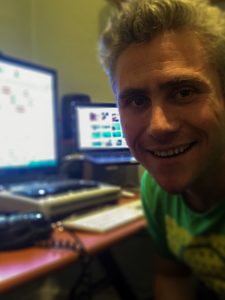 That's Ben marks! Imaging Producer at Reel World Europe. I've had the pleasure of getting to know many people from their team and like everyone else - Ben exudes class, humility and TALENT. Check out the link below to Reel World's Blog about the Radio 1 Extra project. It should show you all you need to know about what Ben does and can do. You may have seen him speak at Imaging Days 2015 or reelMix 2016. I did my best to expand on many techniques, themes and projects you heard or saw. It's hard to talk about "How" you do very high level audio crafting but Ben does a great job of that too.
We mentioned a few links, his email, a screen grab in show:
Ben's Website: SubstanceB.co.uk
Email Ben: Ben@substanceb.co.uk
Reel World Blog Article
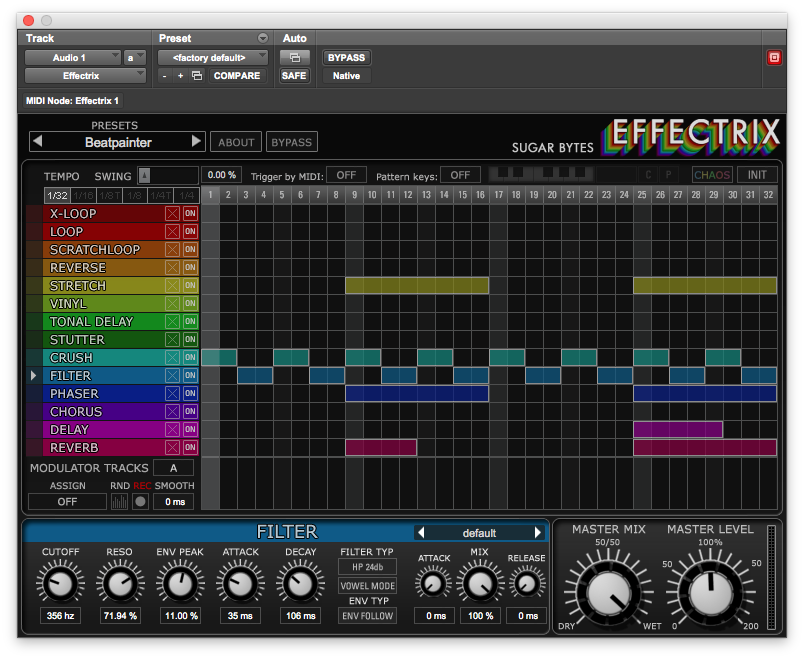
Effectrix from SugarBytes
That's Ben marks! Imaging Producer at Reel World Europe. I've had the pleasure of getting to know many people from their team and like everyone else - Ben exudes class, humility and TALENT. Check out the link below to Reel World's Blog about the Radio 1 Extra project. It should show you all you need to know about what Ben does and can do. You may have seen him speak at Imaging Days 2015 or reelMix 2016. I did my best to expand on many techniques, themes and projects you heard or saw. It's hard to talk about "How" you do very high level audio crafting but Ben does a great job of that too.
We mentioned a few links, his email, a screen grab in show:
Ben's Website: SubstanceB.co.uk
Email Ben: Ben@substanceb.co.uk
Reel World Blog Article
Effectrix from SugarBytes
Transcript
67 min read • 9,908 words
Announcer: The Producers, featuring the most respected international talent in the world of audio production and voiceover. Radio, TV, film, and online. In-depth interviews, industry insights, putting you on the inside. This is The Producers Podcast with Ryan Dreen.
Ryan: Hello, it's me. Yes, Producers Podcast is back in 2017. If you're here, I don't know when you're hearing this episode, but I'm putting this out just after New Year's. Ben Marks is the guest, imaging producer at Real World Europe, based out of Bristol. And for Americans, no, that is not the Bristol you're thinking of. No, he's in the UK. But you'll hear when he starts talking, it'll be pretty clear. Anyway, I had this interview since right before Christmas. We actually found some time. I didn't wanna miss out on my window with Ben, but then it got really close to the holidays. I decided, let me put it on hold for a minute and wait till the holidays clear. And so that's why I delayed it in putting it out now. You know, I apologize for all the monster Ben Marks fans that couldn't wait for me, but anyway, that's what happened there. Some quick info on Ben, as I said, imaging producer at Real World Europe. Let's see here, substanceb.co.uk, that's his website if you wanna check out his own website. Realworld.com, of course, you can search for him there and find some articles. I'll link to the Radio 1 Extra feature that they did. I'll put that on the show notes page. Also, as you listen to this episode, there's a few things we mention, like some screen grabs we talk about, I will put that— I think there's one at least, if not two. I'll put that or those on the show notes page as well. So there might be a few reasons to go check out the Ben Marks show— or not, not the show page— at ryandreen.com. It's the new year, give me a, give me a break. Of course, I could just stop this and go back and re-record, but why do that anyway? So there you go. Ben Marks, awesome. He gave me some epic audio. I'll be playing that here in just a minute. Great stuff. Feature, in fact, some of the Radio 1 Extra that re— I'm not gonna say it put them on the map, but it really showed the world that we're talking about some next-level work here. And, that's featured in there as well, plus other stuff. Okay, upcoming. Let me not go too deep into what I am trying to get scheduled. I have nothing officially scheduled as of yet, but I have some pretty exciting interviews that are in the works. Christian Troitsch, someone that I met for the first time— well, I guess, you know, via email, but in Europe at the Imaging Days. I put him on a panel there. He's German, and I think I was one of, if not the first person to make him speak publicly in English. So, you know, hell of a guy I am. But anyway, I'm gonna do it again and put him on the podcast once we can work out a time, you know, clear through the holidays and let everybody get back to work. Also, a really exciting kind of a revisit, although it'll be some if not mostly new people. And one of my favorite hit radio, if not just radio brands, you know, on Earth is the Capital Group there. Capital FM, Capital XTRA, Capital Network, Capital Earth, like I've said. so they have, you know, really not an entirely new team, but a lot of new folks over there. So we're gonna regroup and, and talk to a— or get a group interview going with the folks at Capitol. That'll be exciting, and we'll get that worked out here soon. Also, a guy that I had been, you know, emailing with for years, he'd been trying to work his way up in the business, and, he, he landed the big job just late here in 2016. DJ A-Smooth is how I knew him. Andrew, working at Power in LA. I grew up in LA, so Power was one of the 3 stations that I listened to. That, KISS, and KROQ. so it's just really cool. Talk to him in the near future as well. I'll just make a quick note. I'm not really here to like, you know, fence my wares, as it were, but I did put out a small 10-bed package. I'm just sort of tinkering with this right now. I've been, trying to up my skills in the world of music production, music composition. you know, working at TM Studios, I'm around music constantly, so I've been, you know, acquiring tools and learning, and I think I'm making some good stuff. But I decided to put out a small 10-bed sampler. You get many versions, it's all 24/48 WAVs. you'll see it on my website, but the, the real kicker here is it's kind of in the vein of me trying to pay it forward too. So if you're a young producer, or if you're just a producer who wants to add to your arsenal, it's name your own price. So You want to pay a buck, you can pay a buck. I kind of hope you pay more than a buck, but whatever. You can pay whatever you want. It's right there on the front of my website. And, you know, if this one goes well, if people seem to like what I'm doing, I'll probably just release more 10-pack or, you know, 10-bed sample packs, or maybe I'll get genre-specific. I'm not really sure yet, but this is for anybody. You can use it in, you know, web, radio, TV even. You can use it however you want. They're all free and clear. And like I said, it's name your own price. All right, that's enough of that. Anyway, here we go. Like I said, epic audio from the guest today, the one, the only, Ben Marks. Here we go! Stand by for Avicii. Hey brother, don't be scared, I am for real. One of a kind, irreplaceable. I want you to touch me. One to the X to the T to the R to the A. On air, underground. Yeah, boom, straight from the underground. It's the sound that we love now. This is BBC Radio 1 Extra. Christmas is here again. Christmas is here again. Happy Christmas. I got the holiday spirit. I got the holiday spirit. Boom kiss. DJ, turn it up, turn it up, turn it up. The beats, beats, beats, beats of the universe. Kick it to the bass, to the snare, to the hat. Drop that proper music how we love it like, love it like that. On air, on the ground. This station is for the nation. One Extra BBC Radio One Extra. In the beginning there was joy. Take over control. Time to turn this thing upside down. Upside down. Would you come with me? Jack is the one who gives you the power to jack your body. You're listening to Jacked Radio. Oh, I've been shining on. My heart is pumped, built so big that it could burst. Get jacked with Afrojack. Just a summer thing. I'm 10 feet tall. So much louder than you were. Welcome to Jack Radio with Afrojack.
Ryan: All right, and we are back to it. I am proud to welcome, and I'm glad we got this worked out just to round out the, the year here, but, imaging producer at Real World. Now you may have known him from his work on the Hot AC library there, but now thrust full into just so many big custom packages. We're going to get into everything. Ben Marks, straight out of the UK. Thanks for being on the show, man. I appreciate it.
Ben Marks: Thanks, man. Thanks for having me on.
Ryan: All right. So first of all, since I'm just a huge fan of— I believe I know where you're at, but I'm a big fan of your country. So where exactly are you sitting now? Are you in the real world Europe Megaplex or where are you at?
Ben Marks: No, I'm, I'm, I'm in my, I'm in my own place actually in, in Bristol, which is nice. small, a small city in the southwest of England. Yeah, just, just, just on the edge of where the Atlantic Ocean meets, meets the little bit in between. Yeah, it's, it's, it's, it's a nice little city.
Ryan: Yeah, I've heard good things. I've actually know others that are from there, and I believe that actually live there. But, okay, anyway, imaging producer at Real World Europe. I'll just tell you right out of the gate, I was really impressed with you at the Imaging Days. I believe that was 2 years ago now, were you at the first Imaging Days or the second? I'm actually forgetting.
Ben Marks: I think it was the second, and tucked away in a club in the outskirts of Amsterdam. Was it in Haarlem, I think? Yeah.
Ryan: Yeah, yeah, I was really impressed. You know, basically you got on stage, you're an unassuming guy, and you kind of were like, all right, here's how awesome I am, and you showed everybody some work you did for Radio 1 Extra, which has become sort of legendary. People just— it's 100% rave reviews for that stuff. So congrats on that. I just wanted to say I'm very impressed with your work.
Ben Marks: Oh, thank you very much. Thank you.
Ryan: People heard in the demo we played, you gave me some cool stuff, including a few bits from the Radio 1 Extra. But maybe we'll talk about some of the stuff we heard in the demo. But let's start, I guess, not quite from the beginning, but we'll get to the beginning in a minute. Your current position is imaging producer at Real World Europe. I know you've worked on various projects, big, big you know, high-profile projects. But what are your current responsibilities for Real World Europe?
Ben Marks: Basically, I'm— I create a lot of stuff for Production Vault, for Production Vault Urban, and some stuff for CHR, and some stuff for Hot AC. And then the other time— other half of my time is split working on custom projects, which is whatever they need me to be doing at the time. Yeah, there's been a lot of stuff for Kiss FM UK this year. So that's, that's, that's a really, really amazing, incredibly challenging, incredibly creative brand to be working on.
Ryan: It sounds like you have shifted more to the custom side. Is that a true statement?
Ben Marks: or is it kind of— well, yeah, a little bit. But, but It's, it's, it's more just kind of what their needs were and have been. There was when I first joined the company back in 2010, that was back in the days of it being Pure Tonic, and there was still lots of custom stuff to work on then. And, and it's just ebbed and flowed, and I'm just going with where the needs are, really.
Ryan: Cool. Okay, yeah, we'll probably discuss everything you're doing currently a ton. I actually want to keep— I want to make this interview a lot more about kind of the meat of your work, because I'm I'm just very impressed by your techniques and I want to learn more about that. But let's go back to the beginning now. Are you one of these people that started in radio? Did you start somewhere else and then find your way to, you know, radio? Tell me a little bit about where you began and some of the big bullet point jobs along the way.
Ben Marks: Yeah, so I basically spent the first kind of 10 years of my life after leaving school trying to make it as a drummer in a band.
Ryan: okay.
Ben Marks: It wasn't until I hit about 26, that my fiancée, and now my wife said, come on, dude, it's not happening. Maybe you should think about doing something else. so, so that was kind of when the, the idea of maybe working in radio came to me. And I went to our local radio station here in Bristol called GWR, which is what it was called at the time. I went for a job as a sales rep asked too many questions about programming and completely failed to get the job. so yeah, so they, they handed my CV over to, to, to one of the guys in, in programming, and, then followed, you know, the usual 4 months of phone calls and nothing. And then I get a phone call, from the head of production there, a guy called Ian Dark, who, literally got back from my, my honeymoon and there was a voicemail message from him saying that he was looking to train someone up for holiday cover. so I went in, did one day's work experience, discovered that the, the, the, the talent— not the talent, the, the core skills for doing audio editing, Uh-huh. were, were skills that I'd been using for 10 years, really just wasting time, writing dance music on my weekends and evenings on Reason. Initially, when I first left college, I was doing it using Cubase, and then it was on Reason on a beaten-up old iMac. And I kind of took one look at Pro Tools and went, oh, wait a minute, what? Hey, this is— you get paid for doing this? No way! Awesome! I think I could maybe do that. And so, yeah, I quit my job and started doing one day a week there for the best part of— that was for free for the best part of a year, really. and, and my friend owns a restaurant, so I, I worked in the restaurant trade. saw my wife very little for that first 6 months.
Ryan: Mm-hmm.
Ben Marks: Earned almost no money that year. but it paid off. At the end of the year, I was given the opportunity to step up and do a trial running the production department for, for GWR. And after a couple of weeks of doing that, they gave me the job, and that was really the start of it. So that, that was, I think, August 2007, set up end of August 2007, and then was with them for a couple of years. Got to work on, a really— a couple of really great charity, charity, I don't know what— well, charity promotional events, charity events that you do at the end of the year.
Ryan: Sure.
Ben Marks: Yeah. which was a fundraiser for the children's hospital we've got in Bristol. The, the children's hospital here is, is like, it's the biggest in the whole of the southwest of England. So, you know, if, if you need to send your kid to hospital and you live on this side of the country, then you, you send them to, to, to the Bristol Children's Hospital instead of any of the ones in London. So it's, it's something that we're very proud of.
Ryan: Yeah.
Ben Marks: and so to be able to raise some money for that was great. and it was, you know, you know, the kind of deal, just really, really emotional stories from kids that are spending Christmas in, in, in a hospital. And, and it was, it was emotional and, and, and great to do that. I got to do that 2 years in a row, and made some pretty, you know, some powerful audio. It's a good opportunity to be able to make a, a, a strong, a strong piece of audio over a strong song like Coldplay and get everybody crying.
Ryan: Yeah, I think a lot of us that have done this for a long time get to experience something like that. So from there, obviously you eventually sort of get noticed by, you know, bigger folk in the world of imaging, audio production, etc. Did you have, you know, did you ever leave Bristol? Because it sounds like you were there then and you're there now, or were you able to kind of stay there and then elevate into the world?
Ben Marks: No, there was a, there was a 5-year hiatus in London, that only recently came to an end. basically, there, I, there, there was a big change in UK radio, where Global, really came in and, and, and, and flipped all of the local radio stations into Heart. it was an opportunity for me to be noticed, within, within Global as, you know, as, as someone worth keeping within the group because there were a lot of redundancies going on at the time as well. Yeah. and I was always— I was just kind of constantly seeking really the opportunity to, to go. I realized that if I wanted to, to work on any hotter radio stations, then I was going to need to, to, to, to get a job at a station in London.
Ryan: yeah.
Ben Marks: And, it's funny, back in those days I was hitting up everybody. I was hitting up KISS. I was, I was hitting up 1Xtra. and begging them to do stuff for them for free. I was doing stuff for free for, a radio station, a global radio station called Choice, which was a big urban radio— well, it wasn't a big urban radio station, it was an urban radio station in, in— based out of London, and, and, and on DAB. and I actually went for a job 2 years in a row for— with Pure Tonic. The first year I went and I missed out on it, and, and there was a guy there, I'm sure you've been in contact with him. His name's George Taylor.
Ryan: Oh yeah, had him on the show.
Ben Marks: yeah, man. I mean, this guy's my guru. yeah, yeah.
Ryan: And I'm a huge fan. Couldn't be a bigger fan. Yeah, go ahead.
Ben Marks: And literally, it was, it was one of the after— it was like the after-party for, you know, after drinks from one of those from what— from the second one of those charity things for the, for the hospital. And I was in the pub and there's George, and he, and he approaches me, and, and we chat again about the fact that I didn't get it last time because he'd kind of championed my showreel and, and heard it, and, and, you know, he was saying that, that I should definitely try next time something comes up. And it was, it was about 2 months after that I just get an email from him saying, hey, the gig's up again if you want to reapply, I think you should. And then I got it. And so then I got to go over and work with him and a guy called Andy Jackson, who was only 18 at the time. Yep. And, and yeah, I mean, you get— you sit down in a room with those guys for, for 2 and a half years, and you learn some stuff.
Ryan: So, so when you made the move to London, this is for the Pure Tonic gig? Is that what I'm understanding here?
Ben Marks: Exactly. So that was back when Pure Tonic work with Real World.
Ryan: Yeah.
Ben Marks: And it wasn't long after that, that Pure Tonic merged with Real World. And, you know, now looking back on it, I really just consider myself to have been working for Real World from that very first day, really, from, from the beginning, you know, the end, the end of June in 2010, even though it didn't really happen until a few months later. But—
Ryan: Yeah, that's fine. So, so just to give people an idea, I mean, you've definitely made a name for yourself in the industry at this point, you know, people know your work in general, not even just, you know, specific people, but At that time for you, not that long ago, you walked into a room with 18-year-old Andy Jackson and George Taylor, and you were like, you know, kind of in awe a little bit. Like, that to you, that was like, wow, maybe I've made it. That was kind of your moment?
Ben Marks: No, it wasn't. It wasn't maybe I've made it. It was, wow, look at, look at what I've got to try and do. And I think the scariest thing is, is like the quantity at the quality that needs to be done in those early, those, those first 6 months.
Ryan: That's a good way to put it. That's a frightening deal there. But yeah, sorry.
Ben Marks: Yeah, like learning, like just starting to, because I was doing KISS back then as well. And to have to learn to do that. And it's just a totally new way of working. So from being a, you know, a GWR, much more conventional way of making radio imaging, I didn't really understand about how you could use drops to complement a message in imaging. and to suddenly kind of learn drop-based imaging like that, Mm-hmm. and then also the mixing techniques that you need to be able to not only just find something, but when you know instinctively whether something's going to work and what music it's going to work with. I mean, it took, it took years. And, and yeah, to see Andy, to see Andy work as well. I mean, George was and is just like— George is kind of like Yoda. I'm not, not, not, not from like a physical point of view or anything like that. Like, he's, he's a beautiful man. But, but just like in terms of, in terms of like his skill, he's just, he like, he's just zen-level radio imaging, that guy. Yeah, yeah.
Ryan: No, it's like you get to watch a master working and you know Right when you first start seeing it.
Ben Marks: Exactly. And so there's him there, and then there's Andy, who's just like— he works at the most incredible pace, at the highest quality. and to watch him work as well is just terrifying. It's like, how, how are you— how, how is your mouse even working that fast? It's ridiculous. Yeah. That's funny.
Ryan: All right, so let me start a fight. you put them head to head, Andy Jackson, George Taylor, who's better?
Ben Marks: Oh man, I don't know. Whichever one is— that's holding the broken bottle, I think.
Ryan: Yeah, nice. Whichever one's still upright. Got it.
Ben Marks: Yeah, exactly. But, but yeah, so I mean, in that, in that first 6 months of joining them, it was like KISS, PV. Like, they brought me straight in on PV Urban because I just, I love urban music, and I was going on about that, all through my interview with them. So I got to work on that straight away. And like Radio 1, like Radio 1 from that 2010 package, like it was, I got to work on that. I got to, we did 3 deliveries in that first 6 months that I was there with them.
Ryan: Wow.
Ben Marks: And I got to make like one piece for each one of those deliveries. It was like, yeah, just mad to just go, to go from, you know, local radio to suddenly like my stuff's on air on Radio 1.
Ryan: Yeah, the biggest. And at the time, that would have been clearly the biggest brand in all of the UK, right?
Ben Marks: I mean, it's— in terms of radio, I don't know. I mean, it kind of— I suppose it kind of still is. But, but I think—
Ryan: I mean, you're dealing with Capitol and you're— or yeah, Capitol Radio 1, you know, Kiss is a huge player. But from what I understand, things are swinging a little bit away from the public brands. But at the time, it— I think, yeah, it would be wide. I mean, that would be— I mean, that's just strong. That's strong. That's all I'm saying. That's huge. It's like, that's it. That's like the pinnacle.
Ben Marks: It was— yeah, it was mad. It was really mad. Yeah. Yeah, it was fun because we'd be driving back from London to go home for the weekend because, you know, when you first relocate, you're going home every weekend. You haven't really Put down roots in your new city, and it's only like for anyone that doesn't know the UK, it's an hour and a half drive from London to Bristol. It's not big, and we'd just be driving back listening to Radio One, and it's like they boom. There's I just did that top of hour. Wow! Yeah, you know.
Ryan: Yeah, let me ask you about that. So to switch over to sort of in in in the work world a little, you know these are how much of that work? is sort of you have a contract with them and you make X amount of items per month, let's say, and how much of it is, you know, a Radio 1 coming out to the world and saying, okay, we need this, this, and this. Everybody give us, you know, give us your work, give us your bids, let's hear what you got, and then we'll select the best one?
Ben Marks: I mean, I wasn't there for the actual pitching process of that. The best people to talk to about that would probably be George and, and, and, and But so, so when you got it, it was already yours, you know what I mean?
Ryan: Like, Pure Tonic was going to be making it for air. You guys weren't doing—
Ben Marks: Like, they'd all do— like, by the time, by the time I think, like, it was already locked down. Yeah, contracts were done. And, and the— because the initial demo was already airing, and the, and the, and the, and the actual updates were due to start coming through. so it was already locked down and in place. But I think that was, that was, that was in the days of when, yeah, they'd do a full— they'd put it out for a full tender and everybody would take it, go up for it.
Ryan: So you've probably done work— I mean, you know, I know you're great, Ben, but I'm sure you've done something that wasn't selected. So when you put a lot of work into something and, you know, you really believe it's amazing and it doesn't get chosen, obviously you have to move on with your life and all that, but are you able to kind of take that work and you know, change it up and, you know, use it for something else? Or in your mindset, that was, you know, that was supposed to be for Radio 1, now it doesn't get used?
Ben Marks: I mean, I think from a personal creative point of view, I think it would make more sense if you— yeah, if you do work and it doesn't go to air, to repurpose it for another brand, unless it's like a really, really, really specific brand.
Ryan: But you're not of the mindset that like, okay, well, that to me, you know, I'm an artist, you know, to me that was for KISS and they didn't take it, so it's dead to me now. Like, that's not how you work.
Ben Marks: I mean, I, yeah, I personally, I think, I think if someone doesn't want the work, then you should repurpose it. Yeah. I don't think that creativity is a well that runs out. But, sometimes, sometimes we need help with it. And, I, I think it's— I think it's good to be economic.
Ryan: I think it's finite, might be one way to say, you know, maybe it doesn't run out, but it's not— it's not constantly flowing, you know. It's— yeah, it's hard to find.
Ben Marks: Yeah, it's silly to throw good work down the toilet if, if it can be— if it can be successfully repurposed. you're not stitching anyone up, you're not taking the mickey. Like, a great idea is a great idea. Just because A doesn't like it, B might love it. yeah, it's not necessarily a case of just like kind of tag and bolt, but, but an idea is an idea.
Ryan: Yeah, absolutely. now whether I did a capable job with George, I'm not sure. I definitely wanted to make it a big part of his interview, and I want to do the same with you. we're kind of talking about audio production versus your musicianship. Now you already told us you were in a band. You were a drummer for, I guess you said, about 10 years. So that makes me think you were probably a musician from very early in life. So audio production, that probably came second. Tell me what being a musician, or how that impacted your ability as an audio producer, and more specifically a radio imaging producer.
Ben Marks: I think it's like massively, massively important. so for a really good example is I'm a drummer, have been since I was 13, 12, maybe even 11 actually. In terms of, in terms of the grid, you know, the grid that you see in the edit, in the edit window, like where for anybody that works on, you know, a, a digital audio waveform system.
Ryan: Yeah.
Ben Marks: that, that, you know, 1, 2, 3, 4, 1, 2, 3, 4, 5, 6, 7, 8, all the way, all the 16s, that 16 grid, like that's in my head all the time, literally. Like, like I'm, I'm constantly getting like a, a, like a, a clip around the ear off from my wife because I'll just be sat there just kind of tapping away without— and I, it's like I've zoned out. And, and, and she, or what she hears in in the back of everything is just this kind of—
Ryan: Yeah, yeah.
Ben Marks: but in my head, like, it's all positioned on the grid and I can see it up there. so I think being able to see like that anyway, like, it just exists in my head, gives me, I think, I think, I think it gives, you know, it would give you a good, a good stand to be able to take a piece of imaging or, you know, take a VO line stick it over a piece of music and go, okay, well, that was— that, that literally just looking at the, the, you know, the intonation and the crescendos in a speech pattern and go, well, that's the 16th.
Ryan: The peaks and valleys of the voice file.
Ben Marks: Yep, yep. That's— it's on the 16th, that's on the off. If I nudge that, that'll work really nice there. If I truncate that— and just kind of knowing what the natural rhythm is of things, Sometimes I beat myself up about that. I think maybe I don't think in perhaps interesting enough rhythms, or because I'm quite regimented. And, you know, I'm a killer for— it's— for me, it's got to be 2 bars or 4 bars or 8 bars. Yeah, like a 1.5 kills me just because of the way that my brain works. It's So I think that gives you a good natural understanding of flow, which I think is really important with imaging, just a really nice sense of rhythmic flow.
Ryan: Yeah.
Ben Marks: and then, and then I, you know, I also, I don't have a great understanding of music, but I can, I know how to find a root note on a keyboard to a piece of music. I can work out what that note is that's, that's, that's going to be constantly running through the sequence of music that I'm listening to. and I can, you know, maybe work out what the triad is, what the 3-note triad is of that chord, and then open up Auto-Tune and see— open up Waves Tune and see how that vote, you know, see how the vocal sits and which notes are there.
Ryan: Yeah.
Ben Marks: So that you can actually tune the voice within without over-tuning it. So really you're just nudging certain bits and it all falls into tune without having to nudge things, you know, like several notes, and it all— you just start losing quality when you do that.
Ryan: And, and, everything that you produce, you hear it, it sounds very musical to me. you know, when an imaging producer gets started, you're kind of figuring out how to use the DAW. You're like, all right, here's some tracks, my voice goes here, let's put some music under it, and maybe I've got some cool wipe effects and we'll come in and out. And the next level is kind of getting things to tempo, make the ears feel right as it's listening, especially like a music promo. You want it all to generally feel like it's on the same beat. But then, you know, you guys have definitely taken next level with everything being very harmonic and, you know, melodies working between a spoken voice and music. And you just sort of explained your process a little bit there, but, but for example, like the Camelot What is it? What is that called? The wheel? The, —
Ben Marks: Oh, what, for, for mixing key and all that?
Ryan: Yes, yes.
Ben Marks: I don't get— I've, I'm not— I've got no experience with that at all.
Ryan: interesting.
Ben Marks: Okay. There's like, yeah, there's a guy that I'm working with now, Real World, called Pete, who, has a lot of experience working with that. And like, he'll, he'll kind of talk to me in those terms, and I'm like, what? Hey, because it's all about relative key, isn't it? And stuff like that.
Ryan: Yes. Yeah, that's what I assumed you were kind of going to get to here. So So, so for you, you just sort of explained it. I mean, you've got the music and you can generally figure out that this song is in the key of, you know, G major. And then you've got some vocals and you can bring it into tune and you can see kind of where the voice naturally sits notes-wise.
Ben Marks: Yeah.
Ryan: But for you, when you're going next level and you're bringing lots of different vocal elements together and you're merging a couple different songs together and it all just seems like it's this— like it was born that way, you know, musically. So how do you do it then? Do you just do it all by ear, or how do you get there?
Ben Marks: Yeah, I mean, I do it all by ear, and it's— yeah, it's all by ear. And you know what, it— a lot of it comes down to having the right audio at the beginning. you need to find 2 pieces of music that work in key with each other. You need to find a drop that's in the same key. when I first started, I'd start with the music and then go out and find a drop, and then I'd find a drop and then tune it to match the music, and I'd be losing clarity left, right, and center. And I discovered a couple of years ago that it makes much more sense to find a really great drop, a really great sample, and work out what the key of that is, and go out and find yourself a piece of music in the same key.
Ryan: Oh, wow.
Ben Marks: And just listen and keep listening until you find one that just sounds nice together. and then you put them together and they sound great. And then it's just minimal, like, you know, the, the— it's like a, a mix engineer would tell you, or, you know, a producer, a music producer would tell you that, the best way to get a really good kick is to find a really good kick and use it in your track. I was talking to, one of our, one of our composers, and he was explaining, you know, that that, because I was asking, you know, how do you, how do you get that big fat weighty kick sound and also have a sub at the same time and have them going together? And he was like, well, you just, you just need to instinctively know when you listen to the bass what kick is gonna work with it.
Ryan: Mm-hmm.
Ben Marks: And it's that thing, it's, you know, like nothing sounds as good as when you've got a really clever, a really clear idea of what you're gonna do and you just put it there and go, oh yeah, There it is.
Ryan: To give people an idea, because I want to get them a little bit more clarity on the process and how much, quote-unquote, failure you have before you get something good. You got to make a batch of sweepers for whatever it is, doesn't matter. And you know you want to make some musical— you want to take some drops, make a musical, you want to make it feel real good, just kind of like the quality Ben Marks production we know. How many things do you go through at this point that you have to sort of throw away? You know, you think this is gonna work, and whoops, that didn't work, throw it away, go to the next thing. How much are you discarding before you get to something you use?
Ben Marks: like, if I want to find a piece of music that's going to work with what's going on, so say I'm at the end of a beat mix and I need a piece of music that's going to be, in the same key, as the, as the last song of the beat mix and also the same BPM, but it's going to sound good and it's going to work, it can take anywhere from from, you know, 5 minutes to an hour to find the right piece of music. And the same thing when you're finding a piece of music to match a drop. I mean, it probably not as long, but it just— I find that this job is about like 40% skill and 60% luck.
Ryan: Hmm.
Ben Marks: You know, you need to be able to— you need to have the skills to be able to make sure stuff sits right, but it's finding the stuff at the time that works well. And, and yeah, sometimes, sometimes you're just an uphill struggle and you just got to plow on, and other times it's just a joy. You just, you find that drop and then, then the first piece of music you come along, they just, they just sound awesome together. And, and I almost find that it's those pieces that wind up taking me even longer to do because I I just get lost just going round and round and round and round in circles and just doing tiny little flourishes and just kind of doing the opposite of whittling, like the opposite of— oh man, I can't think of the word. The opposite of sculpting. So instead of starting with a big chunk and chipping downwards to it, you start with a smaller bit and you just work out and out and out and out and out.
Ryan: Yeah.
Ben Marks: Just adding little bits, and it's a real joy, you know, it's a real joy when those pieces fall together like that, and it's the best bit of the job. I think it's worth rejoicing when you find it.
Ryan: Yeah, that's cool. I know our time's going to get slim here. Let's move on to tools. I want to start there. You already mentioned Waves Tune. I am— well, I don't want to guess. What are some audio tools first that you use daily or you can't live without? You know, some things you think people may have heard of, but other things maybe people haven't heard of.
Ben Marks: So yeah, Waves Tune I use quite a lot. Little Alter Boy.
Ryan: Yeah.
Ben Marks: Pardon me.
Ryan: That's a fun one.
Ben Marks: It's an awesome, awesome plugin.
Ryan: That's Soundtoys?
Ben Marks: Yes, Soundtoys, yeah. Like, that's just awesome. Little Alter Boy is so good, and you can just keep doing stuff with it. You can use it on the channel, you can use it, like directly on the audio in Audio Suite, and you can kind of add harmonies with it as well. I love that plugin. there's, there's a plugin called, GTR Tool Rack.
Ryan: Yeah.
Ben Marks: which is excellent. I actually— I've, I've— this is— it's a, it's a, a little trick that I learned from George way back in the day was to have a stereo channel behind my main vocal channel, with Guitar Tool Rack, and, either use it, in Audio Suite, or use it live. And you can have some really cool kind of semi-distorted, like stereoized reverby delay kind of effects that you can run through your vocals with it.
Ryan: and you can dial it in because you're using it as a secondary track to the main vocal bus.
Ben Marks: Exactly.
Ryan: So you can, you can use as much or as little of it. And just so people know that, that, you know, maybe more of the novices, that's technically a guitar box, you know, an effect rack for guitar.
Ben Marks: Yeah.
Ryan: And you're using it on vocals, which I've done the same, and it, it creates some extremely cool vocal, like, crunchy nasty delayed reverbed all sorts of crap, you want to throw in some vocals.
Ben Marks: Yeah. Yeah, man. And you can, you can use the cleaner settings and they'll still sound really good. And just those, like, yeah, you can, like on that one extra stuff, you can hear it a lot. I had a couple of those different Guitar Rig settings, and just, yeah, just that kind of crunchy stereoized, effect on the vocals. And then, and, and if you, you know, when you, when you're using tuning and harmonies with that as well, it can just really kind of expand the mix and, and sound awesome.
Ryan: that— yeah, yeah, go ahead.
Ben Marks: No, it's another really good plugin that I use is FX Tricks because you can just— you can do so much stuff with it. I tend to have it running like— because you, you can use it as a, as an edit tool and you can, I don't know how you describe what the, what the actual wording would be where you you can like push, you can press dots on the edit page on the actual tool and you can, and you can fire off little bits of effects at different times.
Ryan: I, I own— I'll make a note here— I own that and I got it because of George Taylor. And, I'll, I'll put a screengrab of just to kind of show what you're saying there.
Ben Marks: Yeah. And, the way I use it is I'll just, instead of doing it on, on it, on the actual on the actual plugin. I'll have it running live on the set, on, on my, on my track, and, and, and basically just automate it completely from Pro Tools and just bring the levels up and control everything and have move things at the same time so you can have a stretch. it's, it's, it's, it's the way that I did some of the stuff on that, on the One Extra Stuff. There's a— it goes BBC like that, and I— you can stretch and you can use a stutter, and you can use a reverb, and you can bring in a bit crush, and just automate it all. You can automate the speed of, of the stretch and the, and the granulization, I think the terminology is.
Ryan: Yeah, yeah, yeah.
Ben Marks: You can just, you can go in so deep with it. And, and it's got a really nice tonal delay as well, which you can use to just bring up certain words and places, you know, certain, certain notes that you want to punch out. And it's also, it's also great for doing a reverb tail as well, you know, when you, you want to cut like the, the kick and root note from your piece of music to end on.
Ryan: Yeah.
Ben Marks: And you're going to do a reverb tail on that as well, so it's got a bit of, you know, a bit of length on it, but you're, you're kind of losing the tone of it. It just sounds a bit more like a thud. So, if you do that using effects tricks in, in in Waves— sorry, in Audiosuite. You can also draw the tonal delay, match the tonal delay tuning to the root note of the— or the note of the piece that you've cut, plus the reverb. Just kind of pull back the levels a little bit and it'll blend together and you get a nice solid root note reverb, which sounds great. I use that a lot.
Ryan: Yeah, that's awesome. I know that, that's a plugin that comes up a lot. Let me, just in case, I'll admit I'm not— I'm a little confused, but also it's like I'm on the precipice of knowing a lot of these things you're saying. So for other people that are as well, you're using it as an Audio Suite plugin, so you're doing a lot of destructive editing with Effectrix, and you're literally printing a lot of this stuff. That's first of all what you're saying, right?
Ben Marks: yeah, in terms of what I was— in terms of that kick drum edit, yeah.
Ryan: Yes, yeah, that— so that what you just said, that's kind of a destructive way to use that plugin. when you use it live, do you have it like on its own bus and then you automate things through that, or do you have many instances of Effectrix working in your sessions?
Ben Marks: Yeah, I'll just, I'll just use it on, on multiple different vocal channels. I don't— oh yeah, I don't even bus it.
Ryan: Okay.
Ben Marks: I have it right there. It's not a massively CPU-intensive plugin, so you can really get away with having a lot open.
Ryan: And that's weird. Isn't that weird? It feels like it should be, just because of all the things that it does.
Ben Marks: I know, I know. It's just really— it's just such a nicely made plugin. It's just awesome.
Ryan: And let me throw it out, just in case people just want to go look now. Sugarbytes makes it. It's bytes with a B-Y. Effectrix. So, if you want to go look that up as we're speaking, Sugarbytes Effectrix. Anything else on that? Sorry, I sort of jumped in and cut you off there.
Ben Marks: Yeah, I'd say that's it.
Ryan: That's great stuff. All right, let me, let me ask you this just to get a little more feel of kind of what type of dude you are in your work life. You did tons of audio tools there. Tell me something about you, you know, something you use on a daily basis that's not audio related that you couldn't get through a day without. And that question is wide open, man, anything you want.
Ben Marks: Coffee.
Ryan: Coffee. That is a good tool. I just had some. Yeah. Yeah, for me it's morning. For you it's almost the end of the day.
Ben Marks: Yeah, it's been a long day though, man. It's always a long day. I have an 18-month-year-old son and my studio is based from my house, so, so there's, there's a lot of juggling and, and long hours to, to make up for, for necessary childcare needs. So, yeah.
Ryan: So did you kind of, adjust your schedule when baby came to work like much earlier in the day because you were gonna be up anyway?
Ben Marks: Yeah, yeah. And also like I've— I started off, and at the moment I'm kind of getting up at 4 and, and getting in a solid kind of 3 hours in. Yeah, just so that that's kind of— that's nailed, that's in the bag. And then, and then the day kind of starts So, you know, have breakfast routine and then kind of back to work by 9. But there's already, there's already that, that, that wiggle room for the day. So it gives me the space.
Ryan: Yeah, absolutely. I got a couple more things I want to mention. I know we only have a few more minutes here. I did want to sort of get— I mean, you already, you just sort of touched on it, but a typical day, but really more a typical week or month for you. Do you have the luxury of getting a project from real world saying, you know, maybe we've got a custom or I need a batch of this or that? Do you have the luxury of taking a week or more to work on something, or are you still in the, you know, you got to bang stuff out in an hour or a day?
Ben Marks: no, there's, there's, there's plenty of, there's plenty of wiggle room. KISS is a monthly retainer. so, so, you know, there's room, there's, there's plenty of room for ebb and flow. so it's, yeah, it's, it's, it's, it's not, it's not quite as aggressive, really. I mean, there's a lot of stuff to get through, but I, I feel, I feel like there's, there's room to be able to do it and to have the creative freedom to play in the process.
Ryan: More than, more than being at a local station, probably?
Ben Marks: Yeah, I, I, it depends on the station. I think, I think certainly in the States, you know, I think guys, guys can get it pretty— can have a pretty raw deal there. there's a, there's a lot of content, for people to go through. I've heard, I've heard, I've heard some stuff from guys out there, you know, and, yeah, horror stories of, of just multiple, multiple stations, 40 pieces a day sort of numbers. And I mean, that's just crazy. so I mean, hats off to you guys.
Ryan: Okay, I saw something related to RealMix. I believe this is actually from a a pre-interview, it wasn't actually from your— you spoke at RealMix, right?
Ben Marks: Yeah.
Ryan: I wanted to get into this a little bit and spend just a few minutes on it, and they kind of asked it in a different way from how I was gonna attack it, but their question was, what's the difference between good imaging and great imaging? And your answer was basically, good imaging, I'll quote you, is when you do what you already know will make a solid piece. So you're simply doing something good, but it's tried and tested, perhaps. Great imaging is when you are searching for new ways to approach the idea, That being said, when you stumble across a great idea, you have to run with it. I wanted to expand more on that because I think that's something we need to find a way to do more of, is find, you know, great imaging, produce great imaging, or find ways to get close to that.
Ben Marks: What—
Ryan: can you be more specific? What, what are some things we can really do to, you know, to make great imaging?
Ben Marks: Oh man, I don't know. I think, I think it's just, it's just to be able to kind of distance yourself from the process enough to recognize when you're doing something really interesting, to recognize when an idea is working out really well, and to recognize when it isn't. And so you can, as I said, when you stumble across something that feels really right, you can just allow yourself the time to just dive headfirst into it. and in terms of coming up with ideas, I think it's just, you know, again, have the distance to not beat yourself up about it and just, and just think and just kind of think about, about stuff and, and, and, and solve problems. I find that, that some really kind of great stuff just kind of comes from, comes from solving a problem, and actually you, you, you work out a way of doing something that would be really different.
Ryan: Yeah, I didn't get to talk to you for my 100th episode. I don't even know if you even know anything about it, and that's fine if you don't. But I kind of asked about the future of imaging, and to me, you know, it went digital at some point. That was obviously a major breakpoint, you know, it was a major evolution for audio production in general. And then There's been a few other maybe minor advancements in general sound, you know, the way we use vocals, the things we do. But I do think that when people started to really get into sort of that harmonic mixing and really making things musical from start to finish so that, you know, a music radio station, you know, the imaging feels like it was born there.
Ben Marks: Mm.
Ryan: Can you predict or give your thoughts on what the next step in our evolution might be? Have you put any thought into that?
Ben Marks: Oh man, I don't know. I, I honestly, I, I don't know. I think, I think worrying about it is almost, is almost too much to, to kind of take in and have to deal with. I think—
Ryan: Yeah.
Ben Marks: I find that, I find that evolution happens. It's a, it's a natural process, based on kind of the needs of the, the needs of the present, of the current you know, you have a client that requires X, Y, and Z, and the only way that you can deliver that is if you find it in a different way. And all of a sudden you're doing things slightly differently than you've ever done before. Or, you know, you, you, you decide to buy a new plugin and it, and it, and it really changes the way that you, that you work. yeah, I'd love to say that, that I've got a, a great eye for the way things are going and and all this sort of stuff. But I, I, I, I'm, I'm kind of much more, be in the moment and, and, and allow it all to happen naturally. I think as soon as you start kind of pushing and pulling one way or another is where you can get stuck, and where your ideas can become jaded, and where you can get scared of not coming up with ideas. it's much better to, to just—
Ryan: Yeah.
Ben Marks: To just kind of kind of be part be part of the process and enjoy it.
Ryan: Yeah, that's a good answer. And also, I've I kind of asked you something that is impossible. You know, predict the future, Ben. So that's a great answer to that question. And I also think you know let it happen in all walks of life is is not a bad way to look at it. You're you're highly respected. You know clearly throughout the industry. And if you didn't know that, you should know that. You know people bring up your name and like that dude's talented. All right. But have you thought about your future? You know, are you— I'm just guessing, you know, none of us are probably thinking, hey, what I'm doing right this second, that is where I'll die, you know. So have you thought about what your next progression is? What, you know, where you go?
Ben Marks: Man, I don't know. I'm literally— I am so happy and lucky with what I do. Like, I could, I could carry on doing exactly this for another 20 years.
Ryan: That's great.
Ben Marks: I think it's more just making sure that I evolve with the industry so that I can continue to do that, and in a way that suits, you know, me and my, you know, my styles and my strengths and how they change and how my interests change as I get older. but in terms of the job itself, I'd like— I'm just, I'm just so happy to be doing this. It's ridiculous.
Ryan: Well, you're producing audio for at times 2 or 3 of the biggest brands, certainly on your continent. So pretty good stuff. And plus, plus hundreds, or I don't know, hundreds, let's just call it hundreds of other radio stations as well. So not bad, Ben.
Ben Marks: Not bad.
Ryan: Let me, let me leave it here. I'm changing up my last question just a touch, but For the future producer, you know, somebody that's gaining skills, you know, maybe they're no Ben Marks yet, but they definitely have, you know, they have a future. They're gonna be in this business, but they don't really have a gig yet or nothing full-time. They were you back when you were trying to just get free work. What would you suggest they focus on? Of all the various things we could put our time into, anything you would specifically tell them to focus on?
Ben Marks: I don't know, man. I think probably to focus on a company to work for. If there's a station that you want to work for, that you desperately want to work for, then just that's where to lay the focus at. if there's a production company that you desperately want to work for, just keep on, just drive it home and home and just keep going. Eventually people will notice you.
Ryan: yeah.
Ben Marks: Especially if you're doing great work, and opportunities do come up, they do happen. it may take a really long time, and, and often in the process of focusing in one place you, you know, other opportunities come your way. People pass your details on because they rate you. But, but that's, yeah, that's certainly what I think. I think if there's, if you really want to break in and there's somewhere you want to go, then just focus on that place.
Ryan: Yeah, that's great. That's a good piece of advice. Let's see here. I can give out your email. You said that was cool, right? People can contact you if they want to?
Ben Marks: Yeah, yeah, that's fine. That's fine. Yeah, that's, that's That's, that's, that's on my, yeah, slight— slightly kind of sideline, independent, independent work email, which is, yeah, the Substance B email.
Ryan: Yeah, ben@substanceb.co.uk.
Ben Marks: Yep.
Ryan: cool. So yeah, if people want to reach out and ask you some questions and learn from you, it seems like you're cool with that. I know realworld.com posts a lot of stuff on their blog, and I've seen you featured there before. They post audio from projects. So you're certainly findable on the old interwebs if people want to go and hear more. And I know you got to, you got to bounce. So, Ben, I'm just going to leave you with a big thank you. And I really, really appreciate you joining me on the show.
Ben Marks: Awesome, man. Yeah, no worries. Thanks for having me. It's been wicked.
Announcer: Contact the show, contribute your opinions, see additional content, or simply stay connected at producerspodcast.com.